How to Adopt a Cat From Rehome
The Rehome platform is safe, ethical, and worth consideration if you want to add a kitty to your life.
The Rehome platform is safe, ethical, and worth consideration if you want to add a kitty to your life.
by Jackie Brown, | January 19, 2026
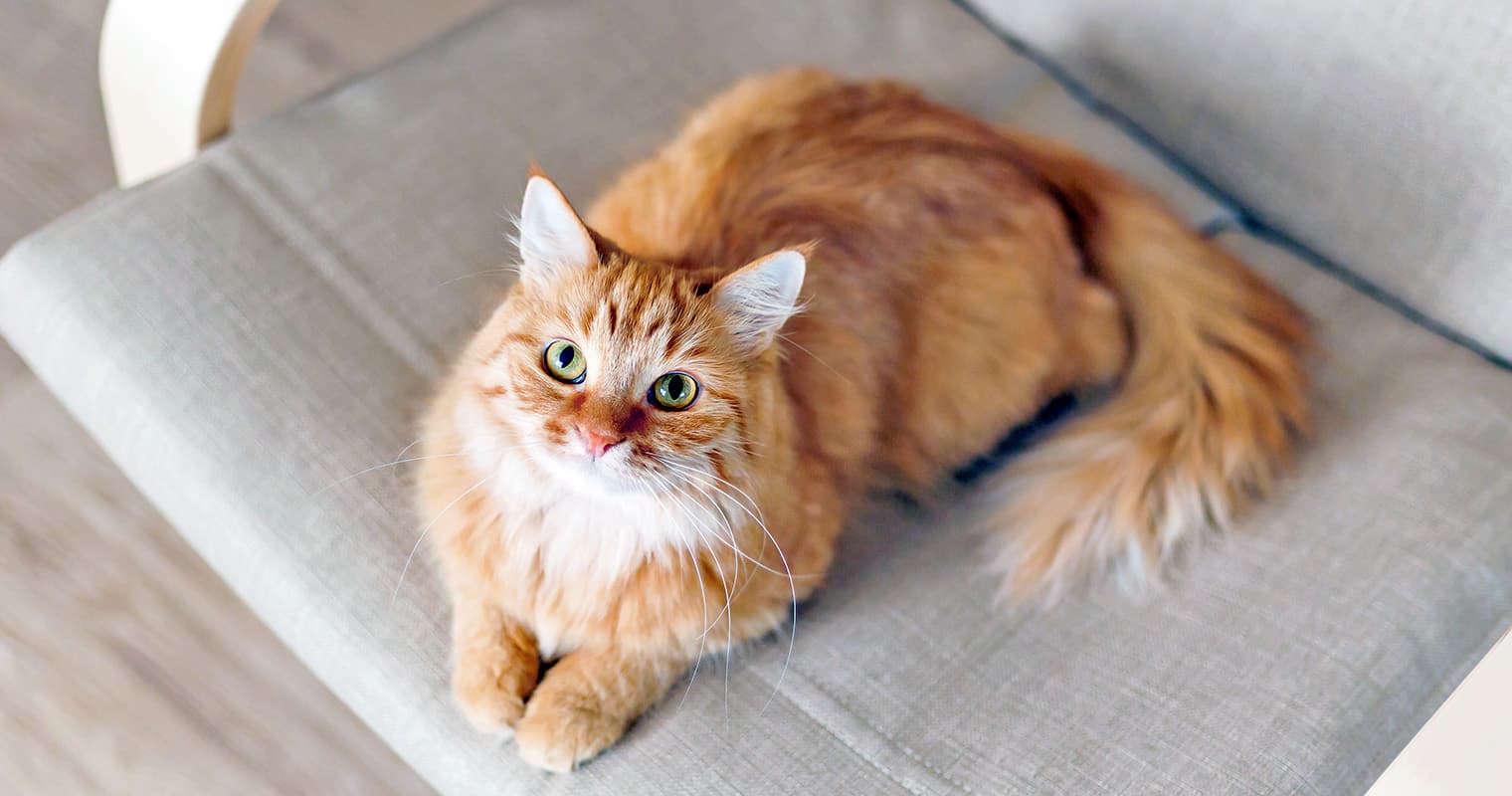
Konstantin Aksenov / Adobe Stock
When you’re ready to meet your new BFF (that’s best feline friend), choosing a cat whose family is personally finding them a new home has some major perks. It’s often much easier to find a solid match because you’re talking to the people who actually know the cat as a pet. Adopt a Pet helps you safely and easily search for available pets listed by their current pet parents who can no longer care for them.
Of course, you can also find your perfect kitty by visiting a local shelter, attending a rescue event, or browsing the other thousands of adoption listings on Adopt a Pet. Whether you’re looking for a tiny kitten or a chilled-out senior, there are plenty of ways to find a cat who fits your life perfectly.
TL;DR: You can adopt a cat directly from their current family with help from Adopt a Pet. Just search for cats being “cared for” by a private owner, submit an application from their profile page, chat with the current pet parent, schedule a meet-and-greet, and finalize the adoption using a contract.
Rehome by Adopt a Pet helps pet parents find a safe, responsible new home for their cat without sending them to a shelter or rescue. It gives people a secure place to create a listing and connect with adopters. And it keeps cats moving from one loving home to another while easing pressure on shelters and rescues already bursting at the seams.
When you search for a kitten or cat on Adopt a Pet, your results will show pets available from local shelters, rescue groups, and individual pet parents. If you prefer, you can filter the results to show only pets available from individuals. From here, the adoption experience is simple.
Here’s how it works:
Search and view potential pet matches. Start by browsing Adopt a Pet. You can filter by location, size, age, and more. To see cats available for adoption from their current pet parent, use the “Cared For” filter and select “Private Owner.” At this point, you can browse the list of adoptable kittens and cats, looking at photos of the pets, learning about their age and personality traits, reading their stories, and seeing any adoption fees.
Submit your application. If you see a cat you’d like to meet, click “Apply Online” to submit an adoption application. The current pet parent will review all the applications submitted for their pet and reach out to potential adopters they think would be a good fit.
Start a conversation. Once your application is submitted and they’ve connected, you can text or call directly with the current pet parent. This allows you to ask questions about the cat’s behavior, preferences, or medical history without sharing your personal contact details.
Schedule a meet and greet. Next, set up a meet-and-greet so you can get to know each other and see if it feels like a solid match. Rehome suggests safe and neutral public spaces to visit adoptable pets and their current pet parents. That way, you’re not going to the home of a stranger, and the current pet parent doesn’t have to worry about strangers coming to their home. Many adopters and pet parents use Rehome at PetSmart® to host meet-and-greets in quiet, safe places within select PetSmart stores. But if you live near a participating PetSmart location, Rehome will send an invitation to the current pet parent, letting them know where and when they can arrange a meet-and-greet with you. PetSmart associates will be on hand to offer support. If you end up adopting, PetSmart will set you up with an adoption kit that includes free food, training sessions, and grooming discounts, plus more than $350 in savings on pet supplies.
Finalize the adoption. The magic happens once both parties feel like a good match has been made. If both you and the current pet parent agree that you want the adoption to move forward, the cat’s pet parent can finalize with an adoption and rehoming agreement. Legally, your new pet isn’t yours until you and the previous pet parent have both signed a document that states that ownership of the pet is being transferred to you.
Adopting a cat directly from another family is a win-win for people and pets. Here are a few benefits:
Less stress for the cat: Because the cat is in a home with the original pet parent, they are less likely to be stressed because they are not dealing with a chaotic environmental change. This means the cat you meet will show their true personality, helping you gauge whether they are a good match. And they’ll adjust more easily when they’re introduced slowly, directly to a new environment.
Transparency about personality and history: Through their pet parent, you will get a wealth of information about the cat, including their likes and dislikes, their unique personality traits, and even their health history. They are also less likely to have fleas or worms, and more likely to be clean and well-fed.
Reduced strain on shelters and rescues: Every successful rehoming adoption frees up more space for homeless pets in shelters and rescue groups. This helps shelters and rescues focus on emergency intakes, strays, and pets who truly need their care.
Inclusive adoption opportunities: Sometimes adoptions have strict eligibility rules (for example, not adopting to renters or families with small children). Adopting a pet being rehomed facilitates one-on-one conversations that give everyone a fair chance to find the right pet match, without turning to breeders or pet stores.

Scammers are out there. Here’s how to spot them.
Adopt a Pet works hard to make every Rehome adoption safe for both the pet adopter and the previous pet parent. But it’s still smart to be able to identify red flags should you encounter any. If you come across any of these issues, and you can’t get a clear answer that makes you feel comfortable, move on to the next pet:
Hiding or sugar-coating a pet’s history of behavioral issues
Not answering questions about the pet, offering vague details, or changing the details
An unwillingness to provide the pet’s medical history or share the name of the pet’s vet
Creating false urgency or pressuring you to make an adoption decision
Not allowing you to meet the pet before adoption
Insisting you come to their house to meet the pet instead of meeting you in a public place
Asking for unusually high rehoming fees
Asking for payment to “hold the pet” before you meet the pet
You can find rehomed pets near you by creating a search on Adopt a Pet, filtering it for the type of pet, your area code, and the type of adoption (shelter, rescue, or private owner). Once you find a pet you’re interested in, apply online to learn more about the pet.
No, a deposit is not normal when adopting from private owners. In fact, asking for a deposit before you meet the pet, or creating false urgency or pressure for you to adopt the pet right away, are red flags.
Yes, a rehoming fee is normal when adopting from private owners. Rehoming fees help identify people who are serious about adoption and have the financial means to care for a cat. Rehoming fees should not be unusually high — exorbitant rehoming fees are considered a red flag.
If the previous pet parent wants their pet back after the adoption, you can choose to voluntarily return the cat and ask for a refund of your rehoming fee. However, if both parties have signed a transfer of ownership agreement, the cat legally belongs to you, and you are not obligated to return the pet.
No, the cat won’t miss their previous pet parent forever. Although cats do miss their former pet parents when they are rehomed, this is usually temporary. Animals tend to live in the present. Once the cat adjusts to their new home, they typically form bonds with their new family and move on.
Jackie Brown lives in sunny Orange County, CA, where she works as a freelance writer and editor. When she’s not on deadline, you can find her paddling her outrigger canoe in the Pacific Ocean or hiking in the foothills with her miniature poodle and two young boys.

Rehome
Pet Wellness

Rehome

Adoption Advice
Are you ready to adopt a pet but need your landlord’s approval? Don’t be intimidated — be prepared.
Behavior & Training
Behavior & Training

Behavior & Training

Behavior & Training