How to Spot the Difference Between Male and Female Cats
Find out how these cats compare and which is right for you.
Find out how these cats compare and which is right for you.
by Courtney Elliott, expert review by Dr. Amy Fox, DVM | June 26, 2026
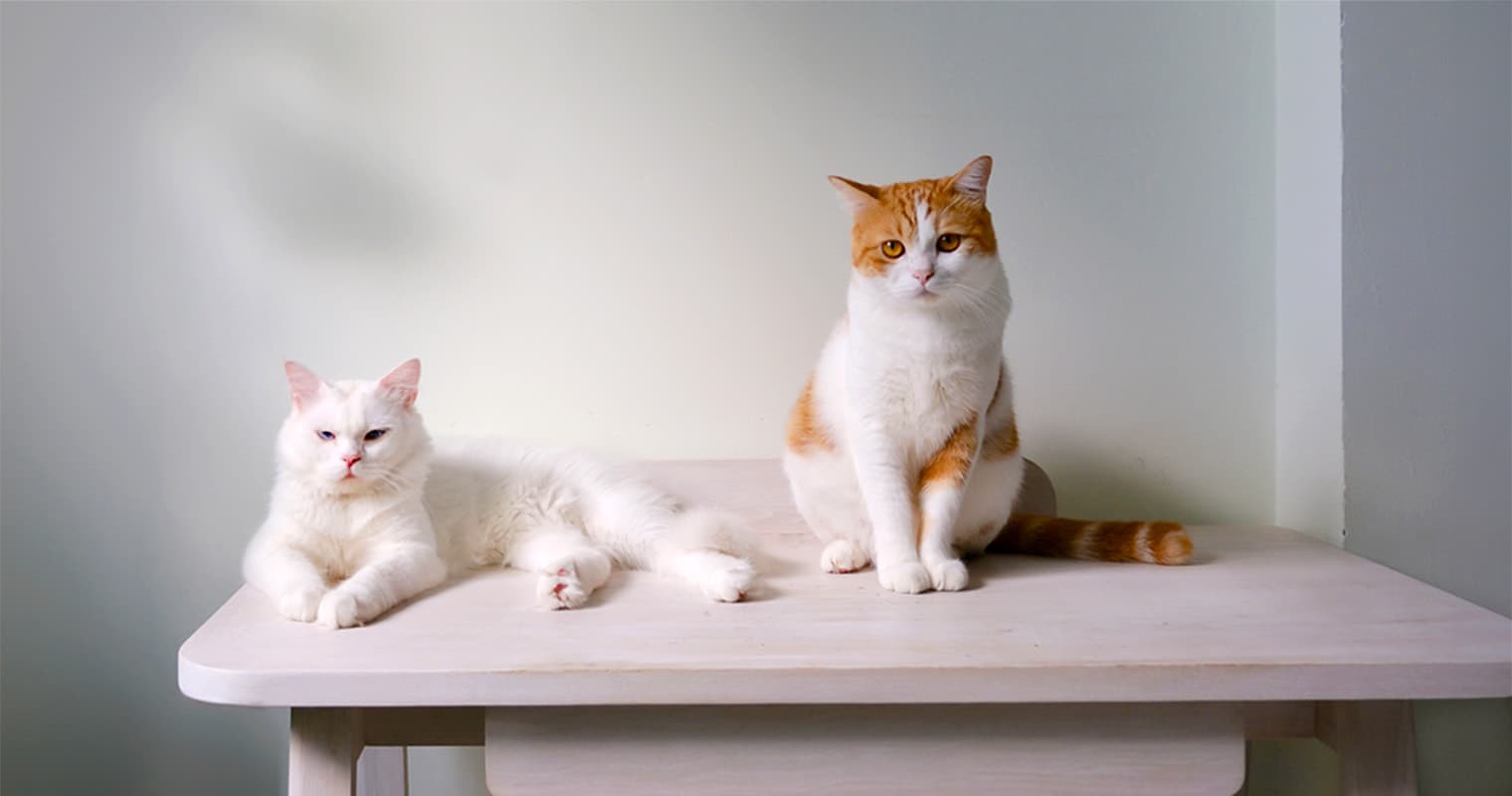
Jeremiah Le / Stocksy
If you’re deciding between adopting a male or female cat, there are some key things to keep in mind. While both can be wonderful companions, every cat is honestly an individual, so take any broad “rules” with a grain of salt. Still, there are a few patterns and distinct traits that can help you choose the cat who aligns best with your lifestyle and preferences.
When you’re weighing the differences between male and female cats, think about appearance, behavior, lifespan, health, and day-to-day care. Each comes with its own characteristics, and considering these aspects will guide you towards choosing a cat who fits seamlessly into your household. You’ll see subtle distinctions and sometimes even in the health issues they tend to run into — especially in cats who haven’t been spayed or neutered. We’ll walk through those differences so you can head into adoption feeling informed and confident.
Let’s break down the main differences between male and female cats so when it comes time to adopt, you have a general idea of what you can expect from your feline companion.
When it comes to cats who have been spayed and neutered, these differences are harder to spot and, in many cases, may be almost non-existent. The truth is that there are very few generalizations that hold true for all cats of each gender, so it is always best to get to know the cat you are thinking of adopting and select the cat best suited to your personality and lifestyle. Keep in mind that every cat is an individual, and these points are trends, not guarantees.
Male cats are more likely to roam and mark territory (especially if they are not neutered).
Neutered males are often described by pet parents as cuddly and playful, but individual personality still wins out.
Male cats have a penis, while female cats have a vagina.
Males tend to be larger and heavier, while females are often more petite.
Males who are not neutered tend to have larger heads with big, full cheeks.
Male cats are reported to be more territorial and can show more aggression if they are not neutered.
However, many other variables influence the behavior of cats, so it is not possible to differentiate between male and female cats based on their behaviors alone.
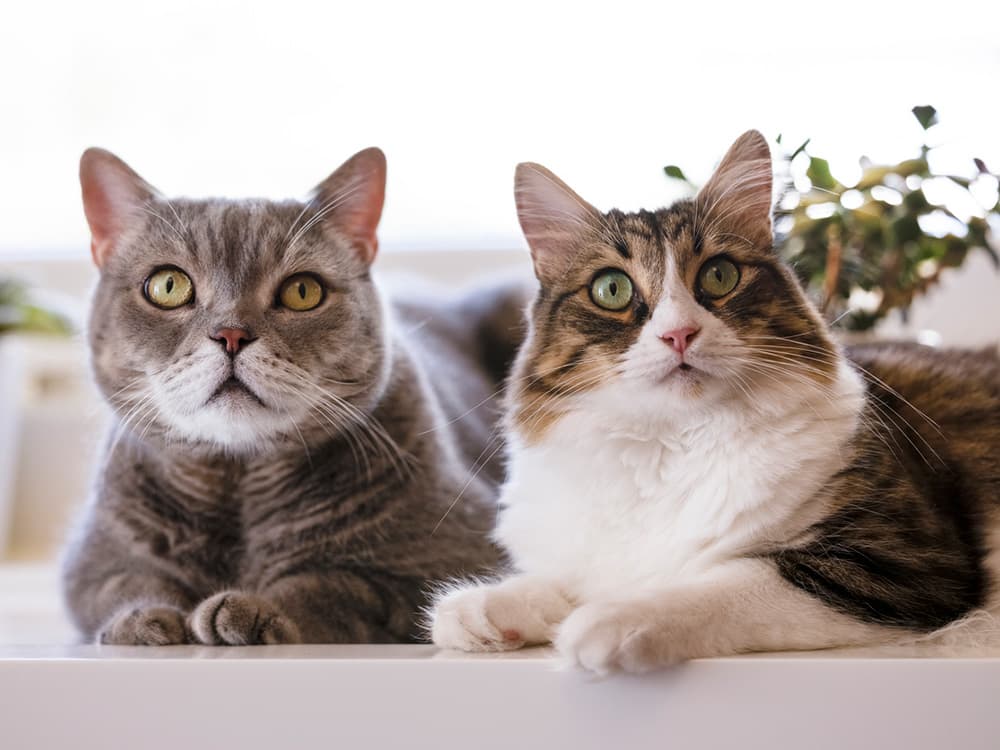
101cats / iStock
Male and female cats who are intact tend to have more physical differences in their appearances. When cats are spayed and neutered before puberty, these differences tend to be minimal or even non-existent.
“As a general rule, male cats tend to be larger and heavier than female cats. Breed and overall health also play a big role in their size, though,” Dr. Amy Fox says. “You can expect the average female Maine Coon to be much larger than a male Siamese, for example. Similarly, cats who have access to good preventative health care and adequate nutrition will grow much larger than stray cats who are getting by on whatever they can scavenge.”
Male cats, on average, tend to be larger, showcasing a robust physique and bigger heads. Intact males, in particular, may exhibit large, rounded heads with noticeable jowls, emphasizing their masculinity. On the other end of the spectrum, females generally reach their adult weight earlier but maintain a lighter overall weight than their male counterparts. With all that said, more factors are at play in determining physical features, regardless of sex. Dr. Fox shares a few of the main physical differences between female and male cats below.
External genitalia is the most obvious way to distinguish male and female cats. Intact males will have testicles that are easily seen under their tails. All male cats also have a penis that is visible externally, while female cats have a vagina. The distance between the anus and penis in male cats is greater than the distance between the anus and vulva in female cats. The overall shape of their external genitalia is also different, with males having a tubular-shaped penis that can be extruded by pressing gently on the surrounding skin.
Female cats who have had kittens tend to have enlarged mammary glands, with all the nipples on their belly becoming swollen and more visible, especially if they are actively lactating.
Gender can also have an impact on a cat’s overall appearance. Intact male cats will have large, rounded heads with prominent jowls and larger overall bodies. Chubby cheeks develop after puberty and will linger in male cats who are neutered after reaching sexual maturity. Cats who are neutered early in life will not develop these large cheeks, however.
Some coat colors are linked to gender. Orange coat color, calico, and tortoiseshell markings are linked to the X chromosome. Because males only inherit one X chromosome, if they have one copy of the gene for orange coat color on their X chromosome, they will be orange. Since females have two X chromosomes, they need to inherit two copies of this gene in order to be orange, and this is why there are more male orange cats than females. When female cats inherit only one copy of this gene, their coat will be some variation of tortoiseshell or calico. Nearly all tortoiseshell and calico cats are female because this requires two copies of the X chromosome.

A veterinarian breaks down how it keeps your pet healthy and curbs kitten overpopulation.
When it comes to feline behavior, sex and reproductive status play a strong role, and we see certain patterns emerge. “The most consistent behavioral differences between male and female cats are influenced by their hormones and their drive to reproduce,” Dr. Fox says. “Cats who are intact and live outdoors in colonies with other cats tend to have the most dramatic behavior differences between the genders. For cats who are spayed and neutered and live indoors, much of the drive for these reproductive behaviors disappears, limiting the influence of gender on their behavior. ”
Additionally, keep in mind that behavior and temperament are influenced by so many other factors aside from gender and are highly specific to each individual cat. Below, Dr. Fox breaks down the behavioral differences between males and females.
Intact male cats are known to be more territorial, with a tendency to roam and defend their territory. This leads to more fights between intact male cats and injuries from battle wounds as well as trauma from roaming outdoors, including hit-by-car accidents. Intact male cats are also more likely to spray urine as a way of marking their territory. Neutering your cat and keeping them indoors will reduce all of these behaviors significantly.
Some research and anecdotal evidence hints at males being more affectionate, active, and playful than females. This is a trait that is most influenced by an individual cat’s behavior, as well as how much they were socialized as kittens, and whether they have learned to play in the ways we are accustomed to.
This is also not a gender-based trait but is highly influenced by socialization and the age at which cats interact with humans. Cats who are handled by humans regularly in early kittenhood are most likely to show affection towards humans and engage in behaviors such as following them around, snuggling on the couch, and greeting their favorite humans at the door.
Gender only plays a role in that intact male cats tend to have more testosterone than other cats, which can make them behave more aggressively towards humans as well as other cats.
Mating and breeding behaviors are highly influenced by sex hormones. Both male and female cats have a strong drive to reproduce. For intact males, this leads them to want to roam and search for mates, so they will often try to sneak out of the house to do so.
For intact female cats, their heat cycles can be very intense. This is when they are receptive to mating, leading them to be very vocal, needy, and also intent on sneaking out of the house to search for a mate. Spaying and neutering eliminates the bulk of these behaviors, especially if it is done earlier in life before cats reach sexual maturity.
Intact male cats are more likely to be aggressive in their attempt to defend their territory. Intact male cats tend to fight with one another and some studies have reported intact male cats show more aggression towards people as well.
Urine spraying is typically done by intact male cats as a way to mark their territory. However, both male and female cats can spray urine. Spraying indoors by spayed or neutered cats is often a sign of behavioral stress, such as competition between cats, anxiety, or medical problems.
There are some subtle differences when it comes to the lifespan of male and female cats, but it’s important to note that a cat’s lifestyle has the biggest impact on health and longevity. In general, female cats live longer than male cats, however, the lifespan of both genders decreases if they’re not spayed or neutered. When looking at male cats, intact males tend to engage in more roaming and fighting, putting them at higher risk for injuries and infections. Intact female cats are more prone to certain diseases. Both genders face inherent danger and shorter lifespans if they live outdoors. Ultimately, other than spay/neuter status, the longevity of cats is closely tied to their access to routine veterinary care and vaccinations — unvaccinated and medically neglected cats typically have shorter lifespans.
When it comes to the health and care of male and female cats, gender plays a pivotal role, especially in the context of spaying and neutering. Intact females have specific health risks, with an increased likelihood of developing mammary cancer and uterine infections. To mitigate these risks and promote overall well-being, spaying becomes a crucial aspect of feline care. Spaying not only eliminates the potential for unwanted litters, but also contributes significantly to preventing these health issues in female cats. Similarly, for males, neutering not only helps control population growth, but also addresses behavioral aspects, reducing territorial marking and potential aggression. Embracing these preventive measures ensures a longer, healthier life for our cats, emphasizing the importance of gender-specific considerations in their overall health and care.
Both male and female cats can make excellent companions, and the best cat for you will depend on a variety of factors. If you prefer a more active and affectionate feline, a male cat may be right for you. Although you may need to contend with territorial behaviors like aggression and spraying. While these can be mitigated through neutering, there’s no guarantee that they’ll go away completely.
On the other hand, if you’re drawn to a calmer and potentially more reserved demeanor, a female cat might be a better fit. Keep in mind that female cats tend to be more wary of strangers and other cats, so if you already have a cat in your household, this is something to consider. You can also expect more “meows” and chirps coming from a female cat.
It’s essential to consider the individual personality of each cat, as well as their unique needs and characteristics. Regardless of gender, both males and females are equally trainable, loving, and capable of forming deep bonds with their human counterparts. Ultimately, the key lies in understanding your own preferences, lifestyle, and the specific traits that resonate with you, ensuring a fulfilling relationship with your chosen feline friend.
Male cats tend to be more affectionate than female cats; however, this can depend on breed, reproductive status, and lifestyle. It’s essential to note that individual personalities play a significant role, and there are affectionate female cats as well. Factors such as early socialization, human interaction, and the cat’s overall environment also contribute to their affectionate behavior.
While male cats, especially those who are intact, tend to display more aggression than female cats, it’s important to recognize that individual temperament varies. Neutering male cats is an effective way to mitigate aggressive behaviors and promote a more peaceful coexistence. Additionally, early socialization, positive experiences, and a secure environment can contribute to a well-behaved and non-aggressive cat, regardless of gender.
No, male cats do not go into heat. Female cats experience estrus or “heat” cycles, typically starting around six months of age and recurring every two to three weeks during the breeding season. During heat, female cats display behaviors such as increased vocalization, restlessness, and a desire for attention from male cats. Male cats, however, are generally capable of mating throughout the year, and their reproductive behaviors are not influenced by a specific heat cycle.
Male cats can start spraying as early as six months of age, particularly if they have reached sexual maturity. However, the onset of spraying behavior can vary among individual cats. Neutering is a common method to prevent or reduce spraying behavior in male cats.
No, not all orange cats are male; however, the vast majority are. The gene responsible for the orange color, known as the “ginger gene,” is located on the X chromosome. Because females have two X chromosomes, they require two copies of this gene to become ginger, while males need only one. This results in approximately three male ginger cats for every one female ginger cat. When it comes to coat color, some patterns just show up more in one sex than the other. While most orange cats are male, calicos — with their mix of white, black, and orange — are almost always female. It’s one of those quirks of genetics that makes cats so fun to get to know.
Male cats can still spray after being fixed. While neutering can significantly reduce spraying behavior, there’s no guarantee that it will eliminate it completely.
In the wild, female cats are tasked with hunting for their litter, so evolution may have had some paret in making them good mousers. But any cat can hunt, regardless of gender — especially now that cats are largely domesticated.
Again, this has more to do with environment or individual personality. While some cat parents have made generalizations about cats’ demeanors, but it really comes down to your specific cat.
Reliability and Validity of Seven Feline Behavior and Personality Traits
Longevity and mortality in cats: A single institution necropsy study of 3108 cases (1989–2019)
Effects of prepubertal gonadectomy on physical and behavioral development in cats
Barry, Kimberly J, et al. “Gender differences in the social behavior of the neutered indoor-only domestic cat.” Applied Animal Behavior Science, vol. 64, no. 3, July 1999, pp. 193-211.
Bamberger, Michelle, et al. “Signalment factors, comorbidity, and trends in behavior diagnoses in cats: 736 cases (1991–2001).” J Am Vet Med Assoc, vol. 229, no. 10, November 2006, pp. 1602-1606.
Bradshaw, John. “Sociality in cats: A comparative review.” Journal of Veterinary Behavior, vol. 11, 2016, pp. 113-124.
Koyasu, Hikari, et al. “Sociality of Cats toward Humans Can Be Influenced by Hormonal and Socio-Environmental Factors: Pilot Study.” Animals, vol. 13, no. 1, 30 December 2022, pp. 146.
Merenda, Monica Estella Zambon, et al. “Growth Curve and Energy Intake in Male and Female Cats” Topics in Companion Animal Medicine, vol. 44, 2021.
Pitakarnnop, T, et al. “Feline (Felis catus) Skull and Pelvic Morphology and Morphometry: Gender-Related Difference?” Anatomy, Histology, Embryology, vol. 46, no. 3, June 2017, pp. 294-303.

Courtney Elliott, a proud Cleveland native living in Manhattan, blends her decade of writing and editing expertise with her unshakable devotion as a pet parent to her French Bulldog, Gus. When she’s not at her desk, you’ll find her frolicking in Central Park or engrossed in a good book at a local coffee shop.
Behavior & Training

Behavior & Training

Adoption Advice

Pet Wellness
Too much of a good thing is not a good thing. Find out why spaying or neutering is a smart choice for your pet and the community.