The 10 Biggest Mistakes People Make During A Dog’s First Week Home
Give your pup a few familiar stepping stones to help them transition into their new life.
Give your pup a few familiar stepping stones to help them transition into their new life.
by Karen B. London, PhD, CAAB, CPDT-KA, | October 12, 2026
Anna Artemenko / Stocksy
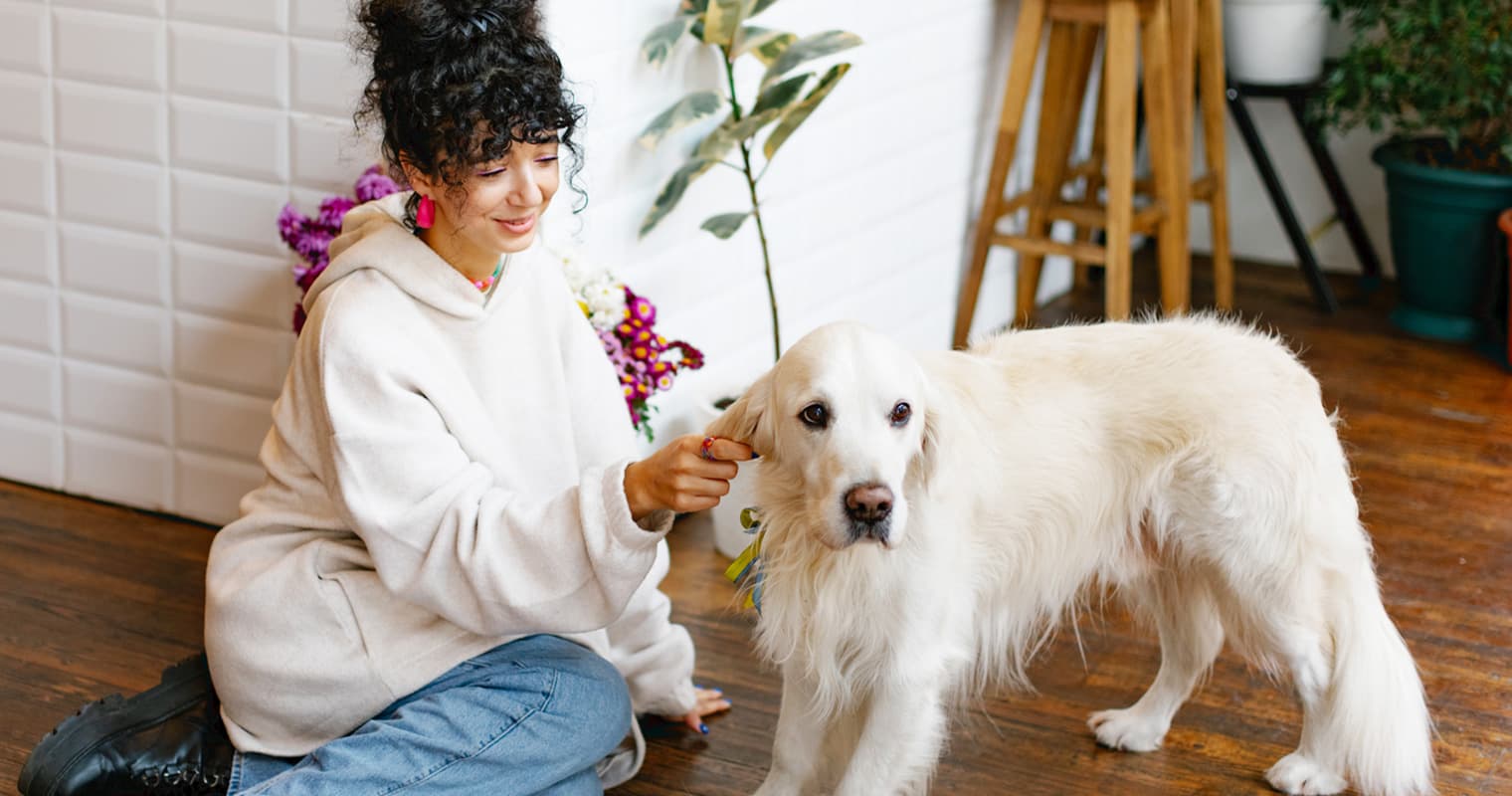
Bringing home a new dog is exciting, and if you just did so, congratulations to you! It’s inevitable that you are beyond excited, but remember that for every “Hooray!” you’re feeling, your dog is experiencing more thoughts of “Wait, where am I? What just happened?” To make their transition into the joy zone smoother and easier, here are 10 common mistakes to avoid in the first week.
Of course you want to show off your new dog to all your friends, neighbors, and relatives. And they are all on board with this plan. After all, this is probably the cutest dog to ever walk the earth, right? But your new dog may not be as excited about a big guest list.
Imagine suddenly being taken to a completely unfamiliar home with people you don’t know, dealing with new sounds and smells, sleeping on a new bed, trying to get used to a whole new routine, and then having a parade of strangers arrive. That’s a lot.
Your new dog does not need to meet everyone right away. Give them at least a week to focus on getting comfortable with the people who actually live in the household. There will be plenty of time to connect with all the members of their fan club later on.

New rescue dog? Don’t panic — here’s your survival guide for the first few days and how to connect with your new best friend.
Going to the vet is important. Nobody is suggesting otherwise. However, unless your new dog has a medical condition that requires attention ASAP, give them time to settle in before that first appointment.
Ideally, give your dog time to adjust and build a bit of a relationship with you first so you can offer them comfort. A positive visit can help make future visits so much easier and better for you, your dog, and everyone at the clinic. This kind of positive experience is an act of kindness, so long as it is medically appropriate to wait.
Assume your dog knows nothing about life at your house. There is no reason to expect them to know where they’re supposed to eat, sleep, relax, potty, or play. They need to be taught your house rules, along with all the other things you’d like them to know.
Your new dog has no way of knowing that the fleece toys in the basket in the living room are theirs to enjoy but the fleece toys on the kids’ beds are off limits. To them, fleece is fleece. Likewise, expecting them to understand that food on the kitchen counter is forbidden but food on the floor is fair game is a little unreasonable.
By not expecting them to know the rules, you accept that it’s your responsibility to teach them the ropes. That prevents frustration, confusion, and trouble in your relationship based on unfair expectations.
Do whatever you can to spend as much time as possible with your new dog in the first few days and weeks after they join your family. Being together gives you a chance to learn about each other, start building a relationship, and make your dog’s transition to a new place as easy as possible.
That means the first week is not the time for unnecessary social plans, leisurely errands, or suddenly remembering that you promised to clear out your storage unit across town. If you can, take care of errands ahead of time, and postpone any outings that can wait.
For many people, work is the biggest challenge to spending time together. Not all jobs have an “I must work from home this week because I just adopted a dog” policy. I encourage you to tell your employer that I recommend you have some time off or work from home for this next week, but I also encourage you to have low expectations about your employer’s willingness to respect my professional opinion on this subject.

Every dog handles alone time differently. Here are some tips on what you can do to set your pup up for success.
Ideally, adopt your dog when you can take a week off, or at least at the beginning of a long weekend. If other members of your family live in the household, coordinate work schedules as much as possible to reduce the amount of time your dog is alone in that first week.
Notice I used the word “ideally.” Don’t panic if you can’t magically clear your schedule or if a work trip pops up at the worst possible time. Real life happens. Just do your best to be there for your dog as much as you reasonably can so the shock of moving to a new home isn’t compounded by unnecessary stretches of alone time.
Treating introductions casually and assuming everything will work out can set a dog up for problems. The first encounter with any other dogs, cats, children, or adults can shape how everyone feels about future interactions and can have a strong influence on developing relationships. It’s not ideal to throw everyone together and hope for the best.
Instead, plan calm introductions in a controlled way with space for everyone to move around comfortably. Keep introductions brief so your new dog and any other individual don’t become overwhelmed.
Microchipping your dog significantly increases the likelihood of a happy reunion if your pup ever gets lost.
The goal is not to rack up as many introductions as possible during the first week. This isn’t a networking event, and your dog does not need to meet the entire neighborhood by Thursday at noon. Think of introductions as opportunities to create positive, calm interactions that set the stage for future relationships. A successful introduction is often short, quiet, and uneventful.
An important part of any introduction plan is knowing when to stop. If anyone is showing signs of stress or discomfort, cease the interaction immediately and give everyone some space. Knowing when to pause is part of being thoughtful about introductions. You’re not trying to force friendships or give your neighbor a chance to treat your dog as their own emotional support animal. You’re helping your dog adjust to their new home, their new people, the dogs and cats they will see regularly, and their new social circle.
It’s tempting to give your dog the keys to the castle immediately. “Welcome home. The whole house is yours.” Unfortunately, too much freedom can lead to trouble. A few simple boundaries matter, not because your dog has bad intentions, but because they are still figuring things out in their whole new life.
The primary goal is keeping your dog safe, though keeping your house and neighborhood safe is a close second. Inside the house, a new dog may chew things they shouldn’t access, have accidents, or eat things that are definitely not on the menu.
For at least the first week, only allow your dog access to the parts of your house where you spend a lot of time. This makes it much easier to supervise them and reduces the chance they’ll decide a rarely used part of the house would make an excellent bathroom. It’s very common for new dogs to wander off and poop. They may also sneak off to scavenge for food or entertainment, and what they might find could include gym bags with energy bars or pillows in the guest room. By preventing them from having the freedom to wander off like that, such problems are avoided.
Outside, too much freedom can be even riskier. You don’t yet know how easily your new dog can escape your yard, or how likely they are to take off into the forest if they are off leash. I like to take a new dog into a yard on leash at least the first few times, and only remove the leash once I’ve gotten to know them and feel confident they’re not likely to bolt.
A dog who runs away can get lost or face real danger from thirst, coyotes, cars, and plenty of other hazards. The solution is simple: give your dog only as much freedom as you can reasonably expect them to handle. Freedom can expand as trust and familiarity grow.
You adopted a new dog and you’re eager to become best friends right away. Maybe you’ve been waiting for weeks, months, or even longer to adopt a dog, so you are ready for friendship, cuddles, and maybe even matching sweaters (no judgment here!)
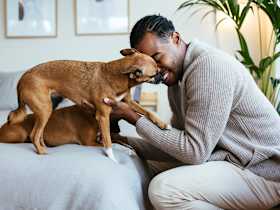
From your dog’s point of view though, being adopted is something that happened to them. They were not expecting it, but it’s suddenly where their life took them. That’s a great thing, but they might be too shocked to realize it. So, give them time and space to adjust. Don’t kiss them on the nose, hug them tightly, or attempt to snuggle this very minute.
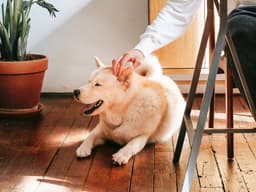
There’s a difference between being affectionate and being annoying.
Pay attention to who they are and what they like. If your new dog is thrilled by endless petting, go for it! If they act like your best friend on day one, yay! But if they’re a little aloof or hesitant right now, respect that and let them come around at their own pace. Most dogs will catch up to your feelings of love soon, and that often happens even faster if you don’t push them too hard toward the loving relationship you already know is waiting for you both.
Your new dog doesn’t need to greet every dog they pass on the sidewalk or trail. Meeting dog after dog after dog can be stressful, even for a dog who loves other dogs. And even if your dog is super social and loves to play, not all the dogs they encounter are suitable playmates for them. Early on, the last thing you want is for your new dog to be traumatized by a dog with poor social skills, or worse, by an aggressive dog. Have your dog’s back by deciding carefully who they get to meet and who they don’t.
If your dog is not particularly interested in dogs, skipping introductions to all the dogs may be easy because you two are on the same page. If your dog is enthusiastic about every dog they see, it takes a little more commitment to say no, but it’s worth it.
If you know friendly, well-mannered dogs who like to play, arranging playdates or allowing a polite greeting can be great. Just don’t put your newly adopted dog in the position of having to tolerate difficult dogs on top of everything else they are already dealing with as a newly adopted dog.
It’s natural to want to do all the things with your new dog. You want to play with them, groom them, train them, give them exercise, and photograph them 47 times an hour. All those impulses come from a good place.
But giving your dog everything doesn’t need to happen all at once. Right now, among the most important things you can offer are space and quiet time to adjust and decompress. Yes, being adopted is great news for your new dog. It’s also overwhelming; however wonderful the future will be for them, they’re still suddenly being taken by strangers to a new home. So they don’t understand how wonderful life will be with you.

Dogs need space to live their best lives, but how much is enough?
What they do know is that they are someplace totally new and unfamiliar. That can be exhausting! It’s a lot to handle, and dogs need time and space to process everything.
Right after adoption, your new dog faces so many changes. They are in a new home with new people, possibly new dogs and cats, new smells, new sounds, a new routine, and so much more. Much of this change is unavoidable, but changing everything at once isn’t in your dog’s best interest. Keep anything you can the same.
For example, consider feeding your dog the food they ate before adoption, even if it’s not the food you plan to use long term. Unless there is an immediate health-related reason to switch ASAP, wait a few days or a week.
The same goes for bedding, blankets, and towels. Your dog may arrive with items that are not, to put it gently, aligned with your interior design vision, and offend anyone with a sense of style at all. When you look at that tattered blanket, you might think, “That thing has got to go.” Resist the urge to pitch it.
Familiar items provide comfort when a dog’s entire world has been turned upside down. By all means, buy the beautiful new bedding, blankets, and towels you actually like. Just let your dog get used to them before removing the old ones.
You don’t need to preserve their old life forever, or even more than a week if that’s what works for you. But giving them a few familiar stepping stones can really help them enjoy their whole, new, wonderful, lucky life with you.
Karen B. London, Ph.D., is a Certified Applied Animal Behaviorist and Certified Professional Dog Trainer who specializes in working with dogs with serious behavioral issues, including aggression, and has also trained other animals including cats, birds, snakes, and insects. She writes the animal column for the Arizona Daily Sun and is an Adjunct Professor in the Department of Biological Sciences at Northern Arizona University. She is the author of six books about training and behavior, including her most recent, Treat Everyone Like a Dog: How a Dog Trainer’s World View Can Improve Your Life.

Adoption Advice
Lifestyle

Adoption Advice
Adoption Advice
Here’s everything there is to consider before adopting a second dog.
Shelters & Rescue
Thinking of adopting a pet? What to expect, what to bring, and which questions to ask.
Lifestyle
When you realize your home or lifestyle is not a good fit for your pet, you’re put in an unenviable position. But it doesn’t have to be a lose-lose.
Pet Wellness
Seriously, everything on this list is super treatable.
Adoption Advice
Adopting a dog is a BIG decision. If you’re considering getting a new pup, consider a foster-to-adopt program to test the waters first.
Lifestyle
Working to keep low-income and homeless people and their pets together.