What to Ask the Shelter Before You Take Your Pet Home
Asking all the questions is a great way to set you and your pet up for success.
Asking all the questions is a great way to set you and your pet up for success.
by Janelle Leeson, | June 10, 2026
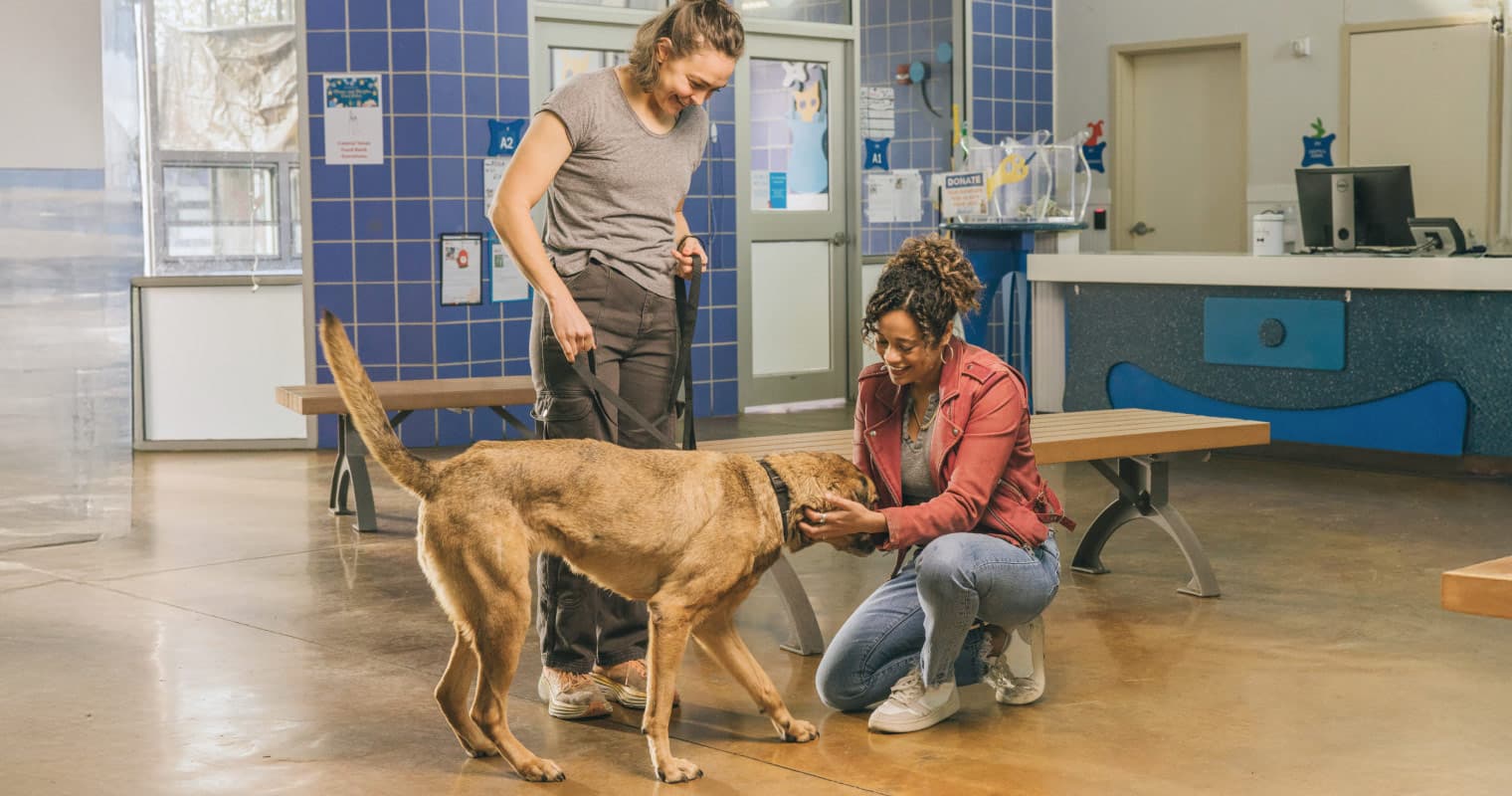
Farhad Samari / Adopt a Pet Creative
You’ve got the shopping list, the cart full of supplies, and you’ve read every review twice. It may seem like you’re totally ready for your pet’s “gotcha” day — and in many ways, you are. But bringing home a pet is about more than having the best supplies. It’s about understanding who your new pet actually is — their quirks, their needs, and what will help them feel safe and comfortable from day one.
The people who know that better than anyone? The shelter staff, volunteers, and foster families who have been caring for them. You don’t need to ask them a million questions, but a few good ones can make a real difference. We’ve rounded up 20 questions worth asking before you and your future bestie head home together.
According to cat behavior expert Samantha Bell of Best Friends Animal Society, pets are surrendered for reasons related to the pet parent’s circumstances roughly three times more than for reasons specific to the animal. When behavioral issues do play a role, though, they tend to be issues that could have been anticipated and potentially avoided altogether, such as litter box problems, scratching, fearfulness, and aggression in cats, or energy-level mismatches and separation anxiety in dogs.
Joey Lusvardi, a cat behavior consultant and founder of Class Act Cats, recommends coming to the shelter with specific questions in mind. The staff and volunteers caring for your pet each day can share details you might otherwise miss during a single meet-and-greet, such as how your pet plays, what makes them nervous, and what has brought them comfort while waiting to be adopted.
“Gather as much information as you can,” Lusvardi says. “If you have any trait you are looking for specifically, be sure to ask about it.” The more you understand about your pet going in, the better equipped you’ll be to meet their needs.

Regular vet visits are key to keeping your pet healthy. Here’s what happens during a checkup, when to get them, and what to bring.
Veterinary costs are some of the most common financial surprises new pet parents face. Knowing your pet’s health history upfront won’t eliminate unexpected bills, but it’s the first step in budgeting and making informed decisions about pet insurance.
Shelters and rescues don’t always know a pet’s healthy history, but even some information helps.
Here are some questions to ask:
What do you know about their health history? And what condition were they in when they arrived at the shelter or rescue?
Which vaccines did they receive, and when is the next round due? Puppies and kittens require a series of vaccines in their first months, while adult pets typically require annual boosters.
Are they spayed or neutered? If not, is it included in the adoption price, or are there low-cost spay-and-neuter clinics in the area?
Are they currently on any medications? If so, what are the meds for, how are they administered, and how long are they needed? This is also a good time to ask for any tips or tricks that have worked in giving your pet medication.
Can I have a copy of their medical records? This should include vaccination history, any procedures performed, and notes from prior medical visits.
Are they microchipped? If so, how can I access and update pet parent information?

Thinking of adopting a dog with kids? Read more to learn about the benefits pets can have on children.
A meet-and-greet is a great first introduction to your new pet, but this rarely tells the whole story. “A cat can act differently in a shelter environment, which can be loud and scary,” says Leah Massey, Cat World supervisor at Best Friends Animal Sanctuary in Kanab, Utah. Heather Dickeson, dog matchmaker lead at Austin Pets Alive!, says the same holds true for dogs: “Sometimes their personalities don’t fully shine until they are comfortable in a home with people they feel safe with.”
That’s why shelter staff — and especially foster families, who have seen your pet in a home environment — are your best resource. Keep in mind that most pets need weeks to months in a stable home to decompress, settle in, and reveal their true personalities.
Some questions to ask:
Have they been around other cats, dogs, or kids? How did they react?
What is their energy level like? How much active play or exercise do they get each day, and does that seem sufficient? Dickeson says energy-level mismatches between a dog and their new home are the most common sources of friction for new pet parents.
Do they enjoy being petted or handled? Do they seek out affection or prefer to be near people without being touched? Are there spots they particularly enjoy being petted — and areas that are off limits? This is important information for both initial bonding and longer-term care, such as grooming.
How do they do with alone time? How long have they been left alone, and did they show any signs of distress?
Are there any known behavior concerns? If so, are those behaviors noted in their history before coming to the shelter, or could they be related to the stress of their shelter stay?
Are they talkative? If so, are there specific triggers that seem to excite or worry them?
For dogs: Have they had any training? Do they know any basic cues, and how do they do on leash? Are they comfortable walking in busy or urban environments, and what rewards motivate them most?

Healthy habits to build with your new dog, plus how to create a schedule that works for both of you.
You can almost picture your day-to-day life with your new pet — but do you know what they eat each morning, or if they love an evening walk? Will they inevitably claim the spot on the couch as their own? Cats and dogs are creatures of habit, and consistency is one of the best ways to help a wary pet settle in.
Some questions to ask:
What is their current diet and feeding schedule? Sudden diet changes can cause digestive issues, so continuing with the same food during the transition period and switching gradually, if desired, is recommended.
For cats: What type of litter do they use? Cats can be very particular about litter texture and scent. Ask which brand and type of litter your cat has been using — clumping vs. non-clumping, scented vs. unscented — and whether they’ve shown any preferences or aversions. Switching types of litter could lead to litter-box avoidance.
What are their favorite activities? Whether they enjoy watching birds from a window, chasing a wand toy, playing fetch, or going on leisurely strolls, knowing this helps you build an enjoyable routine from day one.
Where do they sleep? If they roamed freely in a foster home, did they choose their caregiver’s bed, the couch, a pet bed, or elsewhere?
Where do they like to spend time during the day? For cats especially, ask whether they gravitate toward high perches, sunny windowsills, or tucked-away hiding spots.
Do they have any comfort items? A favorite toy, blanket, or bed can bring meaningful comfort during the transition. Ask if the shelter or foster family is willing to send something familiar home with your pet.
Which supplies should you bring on pick-up day? Is there anything specific you should have on hand when you arrive to pick them up, or waiting for them at home?

Anxiety is a very common reaction for a cat or dog entering a new home, but there are several ways to treat this fear-driven behavior.
A reputable animal rescue should be willing to answer the above questions to the best of their ability. Their investment in you and your new pet shouldn’t end with the adoption paperwork. “Our matchmaker program helps set adopters up with a support system to give our animals the love and patience they deserve,” Dickeson says of Austin Pets Alive!, which offers post-adoption support through their cat and dog behavioral teams and on-staff veterinarians.
Before you leave, ask what happens if you need help after you get home. Is there a staff member or volunteer you can reach out to with questions? Do they offer any post-adoption resources, training referrals, or check-ins?
Not all shelters and rescues have the resources to offer post-adoption training or behavioral support, but a good one should point you in the right direction.
For behavioral concerns: Bell recommends reaching out to a veterinary behaviorist, especially for persistent issues unrelated to environmental changes.
For free training resources: Best Friends Animal Society offers a library of free training videos and guides, covering everything from basic cues to common behavioral challenges. You can also find numerous informational articles covering everything from why your new cat is hiding to why your dog is barking for no reason.
For financial assistance with vet bills: Organizations such as RedRover, The Pet Fund, and Brown Dog Foundation offer financial assistance for unexpected veterinary costs. CareCredit and Scratch provide financing options for vet bills.
For community support: Local training programs through pet supply stores and community colleges are often low-cost and a great way to socialize your pet while building their skills. Online communities and fellow pet parents can also be valuable sources of practical advice and encouragement.
If your new pet turns up their nose at their favorite toy or takes longer to warm up than expected, don’t write off this relationship. “Give them time and be patient,” Dickeson says. “Bonding is a gradual process that deepens with trust and time and is not something that should be rushed.”
Yes, you should feel free to contact the shelter with any questions after you take home your new pet. Most shelters and rescues welcome questions after adoption and encourage new pet parents to reach out, especially within the first 30 days of adoption. Before heading home with your new pet, ask them what support resources are available.
Before adopting, ask shelter staff about the pet’s experience with other animals. When you bring them home, keep pets separated at first. You should only begin introductions after your new pet has settled in and explored the home confidently and at their own pace. If introductions aren’t going smoothly, slow the process down. If you continue having issues, call the shelter, a trainer, or a veterinary behaviorist for support.
Yes, although shelters and rescues may not have a complete health history for your pet, they should provide a record of any known vaccinations and procedures performed during their stay. Before heading home, ask for an electronic and/or hard copy of your pet’s health records.

Janelle Leeson is a Portland, Oregon-based freelance writer. Her work has been featured in magazines such as Inside Your Dog’s Mind, Inside Your Cat’s Mind, and Paw Print, as well online at Insider Reviews, NBC Select, Shop Today, PetMD, and Daily Paws. She has two adventure cats, a flock of urban chickens, and a soon-to-be-husband who doesn’t mind housing the occasional foster cat — or five.

Foster & Volunteer

Adoption Advice

Lifestyle

Lifestyle
It’s a big decision, so check these boxes before you sign on the dotted line.

Adoption Advice
Are you finalizing a new pet’s adoption? Learn everything you need to know about pet adoption paperwork.

Adoption Advice
Thinking of adopting a rescue dog? Learn more about the challenges of dog rescue and how you can help transition a new friend into your home.

Adoption Advice
Some shelters and rescues now offer adoption trial programs.

Adoption Advice
Are you ready to adopt a pet but need your landlord’s approval? Don’t be intimidated — be prepared.

Adoption Advice
Before bringing home a new kitty, make sure you understand everything from navigating lease restrictions to keeping your neighbors happy.