8 Myths About Cats in Shelters Debunked by a Behaviorist
From asocial behavior to medical issues, we explain why shelter-cat stereotypes get it all wrong.
From asocial behavior to medical issues, we explain why shelter-cat stereotypes get it all wrong.
by Karen B. London, PhD, CAAB, CPDT-KA, | September 14, 2026
ArtPhoto21 / iStock
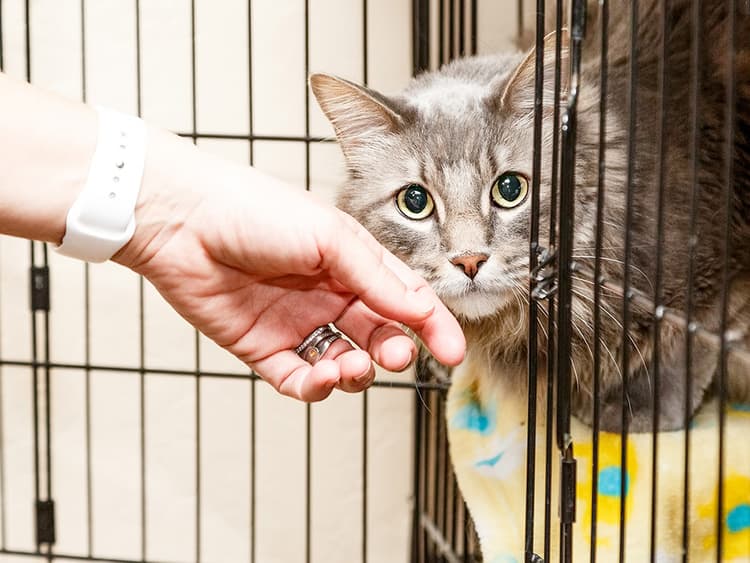
There’s a bit of a myth machine when it comes to cats in shelters and rescues. Unfortunately, some of those myths prevent people from meeting their next feline family member. The truth? Great cats are at shelters and rescues all the time. A cat’s current address at a shelter says very little about who they are, how they’ll behave, or what kind of relationship they’ll have with you.
Instead of asking, “Is it OK to adopt a cat from a shelter?” — a better question might be, “How lucky am I to have the chance to go to a shelter and adopt a wonderful cat?” There are so many myths in need of busting. Let’s get to it.
Thankfully, this is simply not true. Most cats who end up in shelters and rescues are there because of circumstances unrelated to their personality, temperament, or behavior.
Sometimes a cat was just unlucky. Their people may have developed allergies, faced financial hardship, welcomed someone new to the family who couldn’t live with a cat, or been forced to choose between being unhoused and keeping their cat. Often, those choices have nothing to do with the cat.
And then there are the kittens. Many cats are born in a shelter after their mom was taken there. This leads us to the next myth…
Hannah Schwob Wong / Adopt a Pet Creative
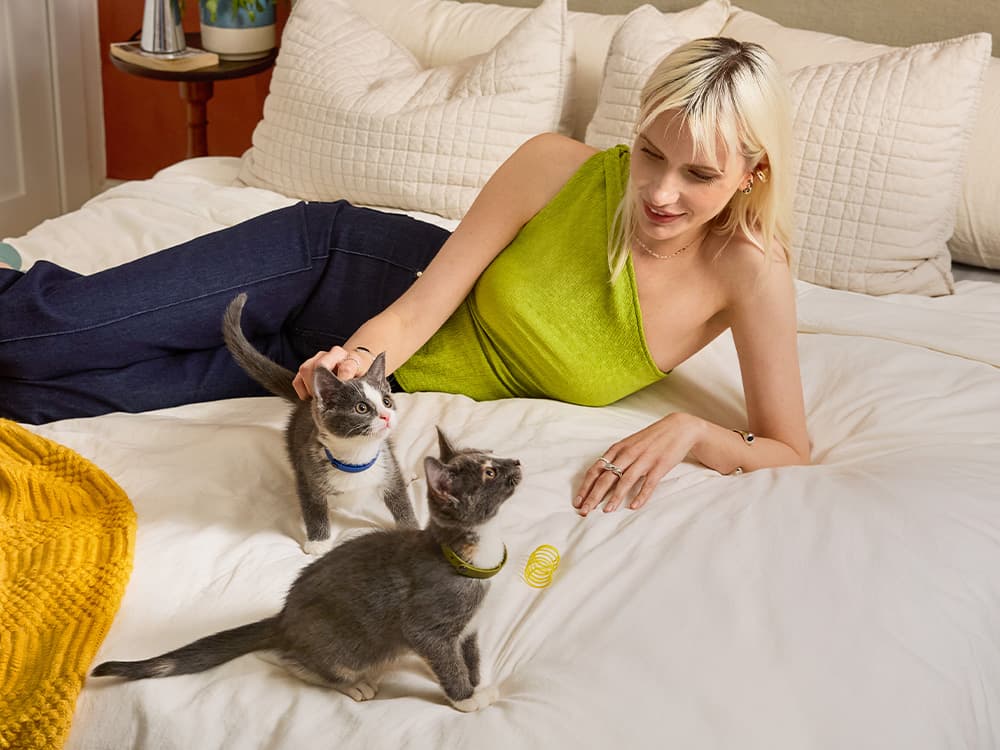
Shelters and rescues have cats of all ages, including very young kittens who were born there or arrived within weeks of their birth. There are also plenty of cats under a year old who were surrendered by people who took in adorable little kittens and were surprised by the shocking revelation that kittens grow up into cats.
Some of these young cats caught their people off guard with the perfectly normal energy and playfulness that adolescent and young adult cats have. It’s common (sadly) for people to surrender young cats because they consider them too much even when the cat’s behavior is typical for their age.
Sure, cats don’t need to be walked at 6 a.m. even if it’s raining, but they are not just fluffy, whiskered decorations either. Cats need plenty of care and attention. Many cats cause no problems if they are practically ignored, so nobody notices they need more out of life. Just because a cat tolerates being neglected doesn’t mean this is acceptable.
Cats deserve attention, affection, play, and interaction with other individuals. They also benefit from an environment designed with their needs in mind, including vertical spaces, hiding spots, play, and scratching posts. Interacting with your new cat helps build your relationship, which leads us to another myth about cats in shelters and rescues.
Ana Luz Crespi / Stocksy
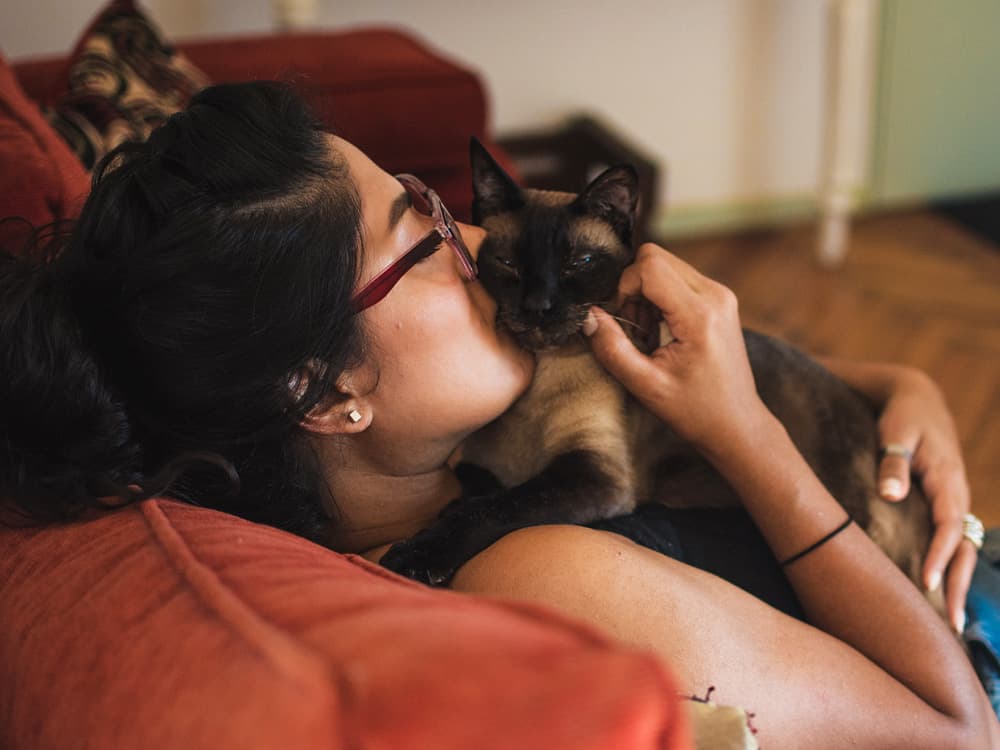
Being in a shelter does not predict how a cat will interact with you. Many friendly cats come from shelters and rescues and bond with their new families quickly. In fact, most cats connect easily with people, enjoy human company, and are quite social.
Spending time with your new cat and giving them attention can make the bonding process smoother. But there’s nothing unusual about cats from shelters and rescues forming wonderful new relationships with people.
Where does this myth come from? It possibly originates from the fact that stray cats who are feral (or close to it) end up in shelters and rescues. Those kitties may not bond as easily with people. But that doesn’t have anything to do with the fact that they were in a shelter. Instead, it stems from factors like a lack of early experiences with people.

An expert explains why kitties are so particular about where they pop a squat.
OK, yes, a few accidents during the adjustment period can be gross. Nobody is putting that on their list of favorite post-adoption memories. However, having a few accidents doesn’t mean that your new cat has no idea where the bathroom is. Most cats from shelters and rescues already have experience with litter boxes and do quite well with them, especially if you present them the way a cat likes.
That means providing litter boxes in places where cats don’t feel trapped and are unlikely to be startled. Most cats prefer unscented litter and uncovered boxes. It’s also generally wise to have more than one litter box, even if you have just one cat. The standard advice is to provide at least one more litter box than the number of cats in the home. So, one cat? Two litter boxes. Two cats? Three litter boxes. Yes, your cats may end up outnumbering you in terms of bathroom real estate.
Many cats in shelters and rescues are in excellent health. They may have lost their homes due to circumstances out of their control, such as a financial hardship or family issue, not because they were sick.
Reputable shelters provide veterinary exams, vaccinations, parasite treatment, and other necessary medical care. They also screen cats for health issues. Some cats do arrive at shelters and rescues with medical conditions, but these are often treated on site. (Additionally, adopters are usually informed of any ongoing medical care a cat needs.) So, adopting from a shelter or rescue can be a great way to add a healthy, well-cared-for cat to your family.
Marija Mandic / Stocksy
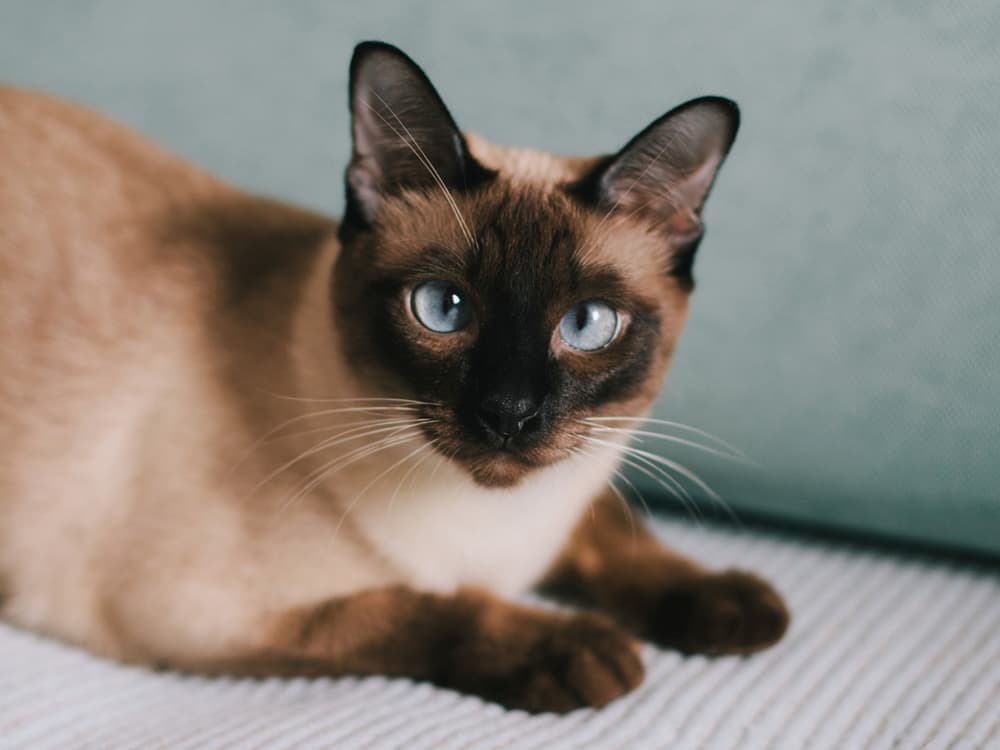
Think again: Plenty of purebred cats end up in shelters and rescues. That said, a lot of cats (whether in a shelter or lounging somewhere else in the world) are domestic shorthairs, which simply means they are of mixed ancestry — rather than a single breed.
If you have your heart set on a particular breed and want to adopt a cat from a shelter, you may need to be patient until one becomes available. However, shelters and rescues sometimes have Maine Coons, Ragdolls, Siamese, Bengals, and Persians, among others.
Whether you seek a specific breed or couldn’t care less as long as the cat has whiskers and a winning personality, shelters and rescues can be a wonderful place to look for and find a great cat.

Is the responsibility of taking care of your pet causing you to worry about your budget? Rest assured, there are a number of ways to minimize this financial stress.
There is almost always a fee to adopt a cat from the shelter. And yet the answer to the question, “Why adopt a cat and welcome one into your life?” is that it’s a brilliant financial strategy.
It’s essential to consider what the adoption fee includes. At many shelters and rescues, the adoption fee covers having the cat spayed or neutered, and a variety of vaccinations. If you get a cat another way, you would have to cover many of those costs yourself. So, although adopting a cat isn’t exactly a money-making venture (shocking, we know), the adoption fee often covers important veterinary care that you’d otherwise have to arrange and pay for separately.
Most importantly, what you get in return for adoption is of great value. You save a cat who needs a home, while discovering that, all shelter stereotypes aside, there's a wonderful individual eager to join your family.

Karen B. London, Ph.D., is a Certified Applied Animal Behaviorist and Certified Professional Dog Trainer who specializes in working with dogs with serious behavioral issues, including aggression, and has also trained other animals including cats, birds, snakes, and insects. She writes the animal column for the Arizona Daily Sun and is an Adjunct Professor in the Department of Biological Sciences at Northern Arizona University. She is the author of six books about training and behavior, including her most recent, Treat Everyone Like a Dog: How a Dog Trainer’s World View Can Improve Your Life.

Adoption Advice

Adoption Advice

Shelters & Rescue
Lifestyle
From medical history to adoption fees to litter preferences, here is everything you need to know.

Foster & Volunteer
Fostering before adopting is a great way to help rescues, while figuring out if you’re ready for cat parenthood.

Lifestyle
For starters: No, they’re not all traumatized and yes, you can find a purebred puppy at a shelter.

Adoption Advice
Bringing home a cat? Here’s what you’ll wish you knew sooner.


Lifestyle
Double the trouble or double the fun? Dog trainer Lindsay Hamrick weighs in.