Are You Reinforcing Behaviors You Don’t Want?
Here are seven common unwanted dog behaviors and how to stop them.
Here are seven common unwanted dog behaviors and how to stop them.
by Karen B. London, PhD, CAAB, CPDT-KA, | August 11, 2026
Pietro Karras / Stocksy
Dogs aren’t cuddly little robots you get to program. They’re independent-thinking beings, with goals, opinions, preferences, and at least a little main-character energy. So yes, they are absolutely going to do things you don’t love. And here’s the plot twist: Sometimes you’re the reason those behaviors refuse to retire. Without realizing it, you may be reinforcing the exact behavior you wish they would stop doing and basically making it impossible for them to quit.
So, let’s break it down. Here are seven common dog behaviors people often accidentally reinforce, what humans are doing that makes those behaviors stick around, and what to do to stop this never-ending hamster-wheel-of-chaos situation, so that you can exit the cycle.
Page Light Studios / Adobe Stock
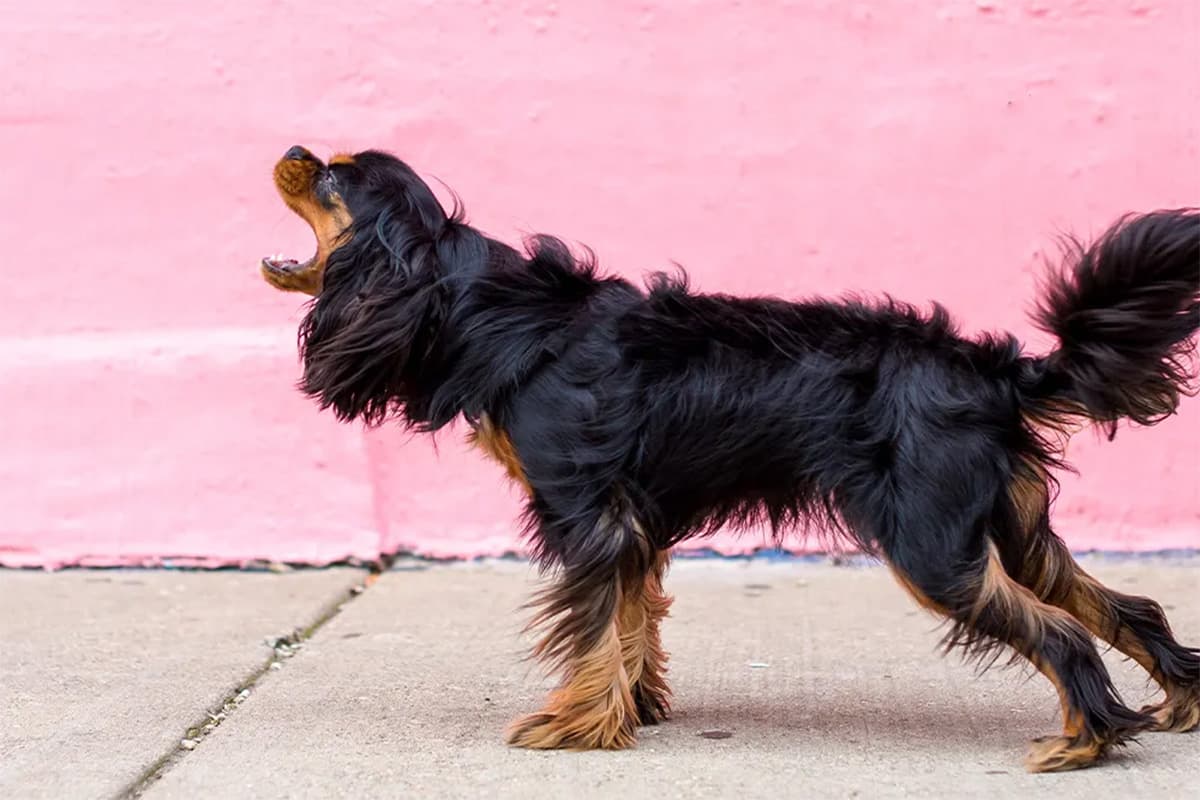
Barking is a contagious behavior. You know this all too well if your dog has ever been the one to start a symphony during a Zoom meeting. When others join the bark fest, dogs ramp up their enthusiasm for the barking. And here’s the kicker — when you join in with, “Quiet — stop it,” you are not only encouraging your dog to bark more. You’re participating. You are giving them attention. And attention can be very reinforcing. That means you are making barking more likely in the future, not less.
And if you respond to their barking by handing them a stuffed food toy or something fun to chew? Congrats, you just taught them that it’s easy to get what they want: (1) Bark, (2) receive goodies.
Instead of using your voice to try to stop your dog’s barking (counterproductive), act pre-emptively. Give them something to do ahead of time before they start to bark. Once they have started barking, you have to wait it out. Giving attention mid-bark reinforces the behavior.
primipil / iStock
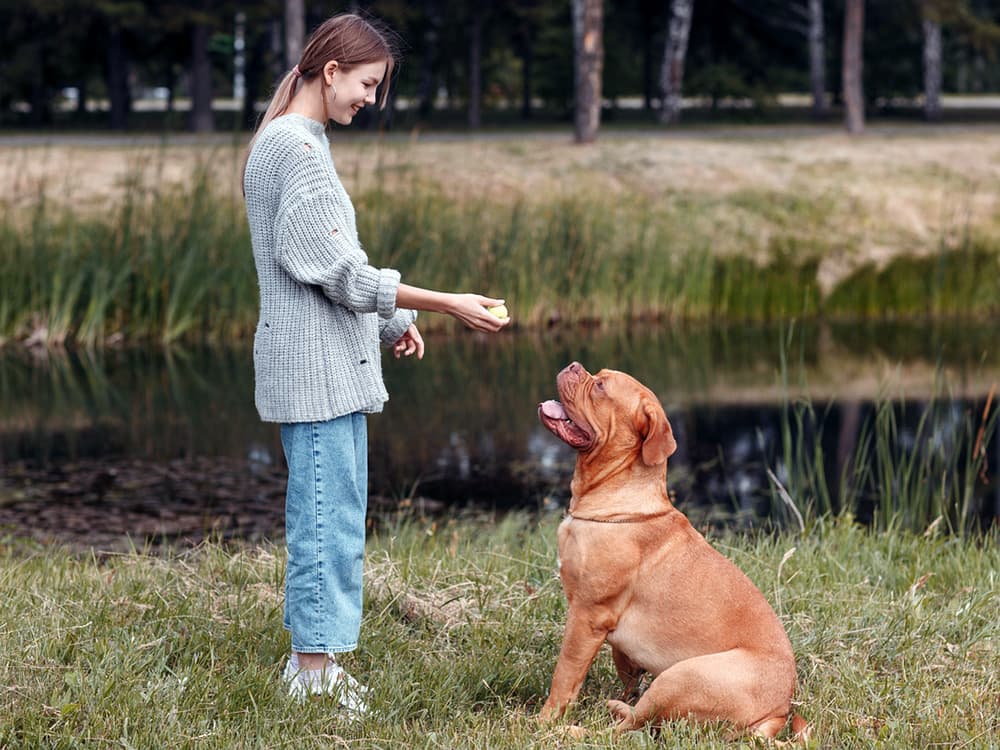
Jumping up on people is not universally adored, yet somehow it keeps happening.
If you pet your dog or give them attention with play after they jump up on you, you are reinforcing the behavior. From their perspective, jumping up is a great way to say, “Excuse me, I’d like the deluxe affection package, please.”
Less obvious is what’s happening with this sequence. Your dog jumps up, and you ask them to sit because that’s what you’d prefer they do when they greet people. They sit, and you give them treats and attention. Seems reasonable, right? But here’s the training truth: The dog is still jumping up to get what they want, which is treats and attention from you.

Here are some tips for fitting training into your action-packed schedule.
Behavior nerds like me love to point out that any cue (such as “sit”) that has a strong history of offering them an opportunity for reinforcement is in fact a reinforcement. That’s right, when you cue your dog to sit after they jump up on you, that cue functions as a reinforcement. Being asked to sit makes them happy because they know from experience that sitting when you ask them to leads to good things such as treats or attention. And all they have to do to get you to ask them to sit is to jump up.
It’s far better to ignore a dog who is jumping up on you than to ask them to sit. If they sit during greetings, it’s great to reinforce that behavior, but not when they are asked to sit in response to jumping up. And if they keep all four paws on the floor rather than jump, reinforce that behavior, too. What you do depends on what they do. If they jump up, offer no response, and if they sit or otherwise keep all four paws on the ground, reinforce the behavior with treats, play, and attention.
Lightfieldstudiosprod / Dreamstime.com
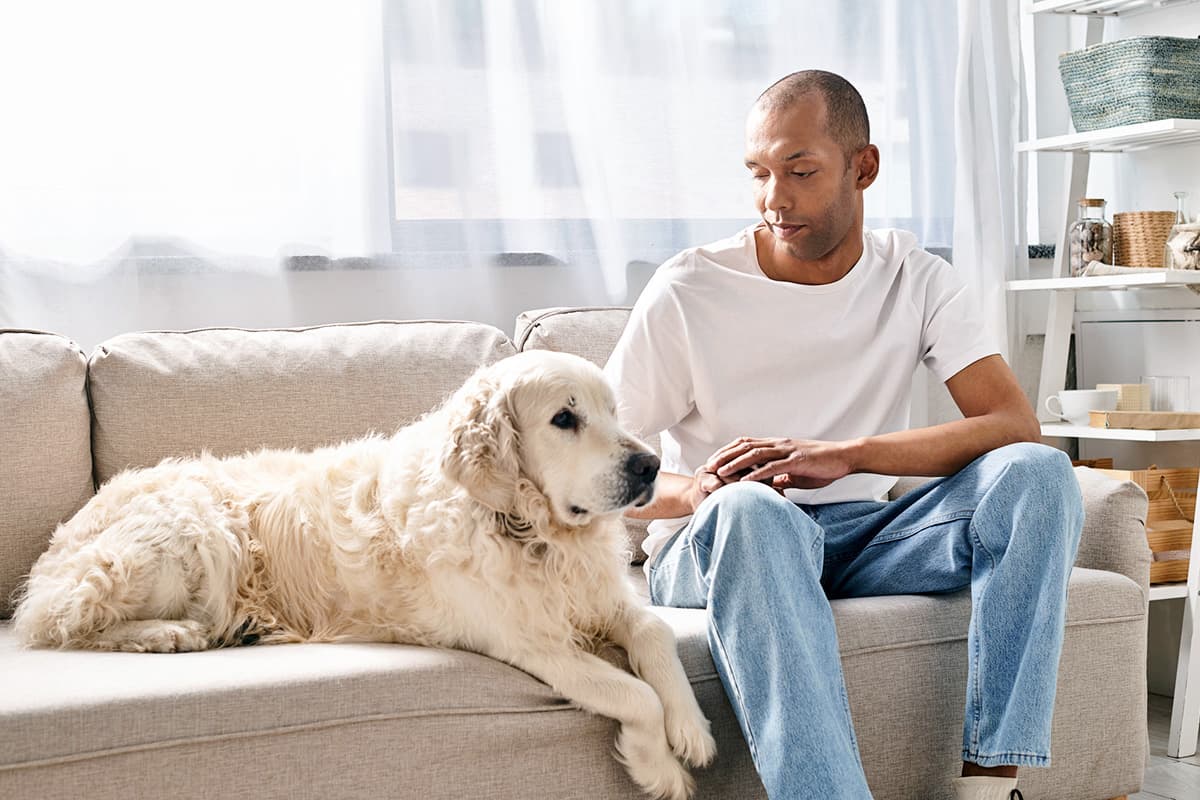
Sure, you don’t want them on the furniture, theoretically. But when they hop up, curl up like a cinnamon roll right next to you, and you mindlessly pet them while you binge a new Netflix series, they might not be getting the message about your aspirational plan. It’s the same story if you move away so they get to claim all the couch space. You are reinforcing their behavior of getting up on the furniture, even if you don’t mean to.
Be consistent about your furniture rules. There are two options if you don’t want them to help themselves to that spot on the couch. Either don’t allow them up at all. Ever. And I mean never. Or, you allow them up only if they are invited, and then you choose whether to ask them to join you or not.
Boris Jovanovic / Stocksy
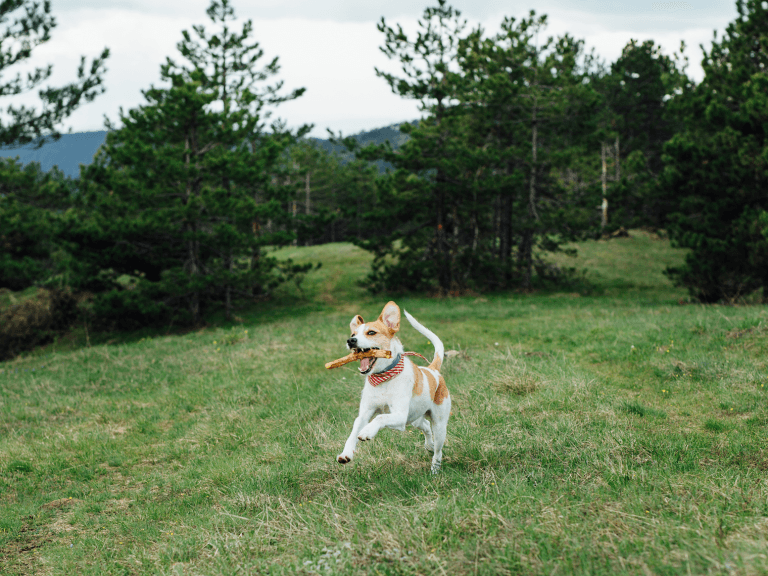
You call your dog to come. They do not head in your direction. They look at you, you start to walk over to them, and then they turn and run away. You find this maddening. Your dog is thrilled. What’s going on, and how do you literally turn this dynamic around?
The problem is the misunderstanding that happens when your dog doesn’t come when called, and then you head over to get them. They think you are starting to chase them. That makes it a fun game for them. Nothing, absolutely nothing, is as fun for many dogs as being the chasee in a game of chase. By chasing your dog after you call them to come, you have reinforced them running away when you call them to come. They don’t get that you are frustrated. Having their best friend chase them? Oooh, that’s pure fun.
Here’s how you flip the script. Stop heading toward your dog after calling them to come. If you’re not confident in their recall at that moment, get them without calling them to come first.
Keep working to help them get better at coming when called. Teach them that the good stuff (the reinforcement) happens when they come when called. So, call them to come and then run away so they get to chase you. When they get to you, give them treats, play tug with them, go for a walk, give them something to chew, or do anything else they love in order to reinforce the behavior of coming when called. The goal when teaching a recall is for them to want to come to you because when they do, something happens to make them glad they came. Every. Single. Time.
Dvorakova Veronika / Shutterstock
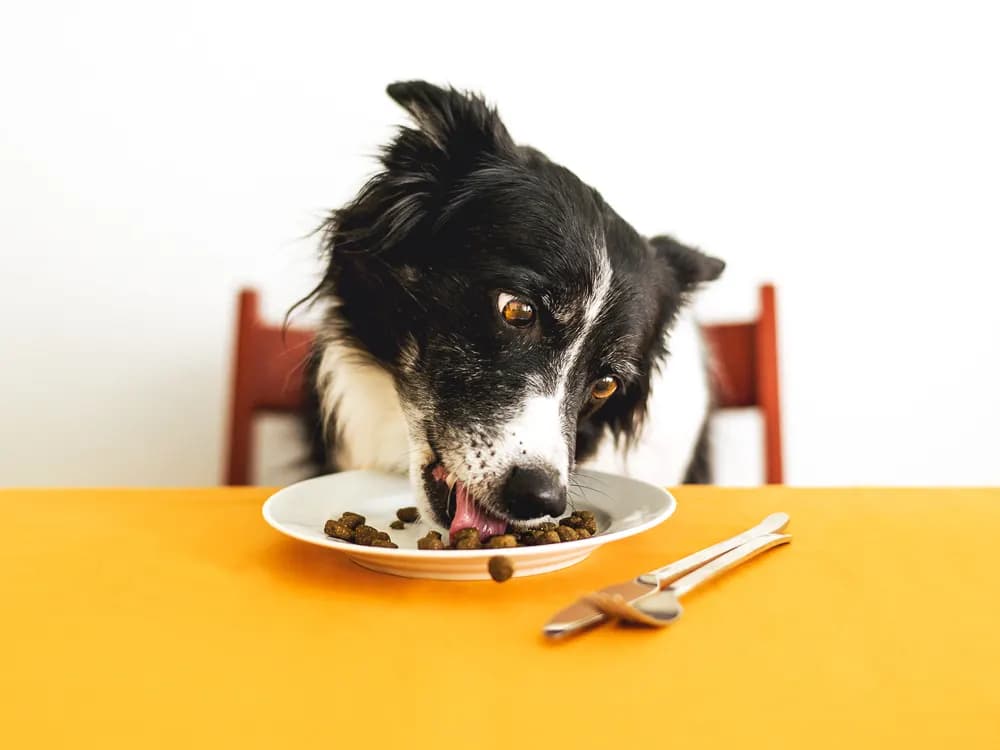
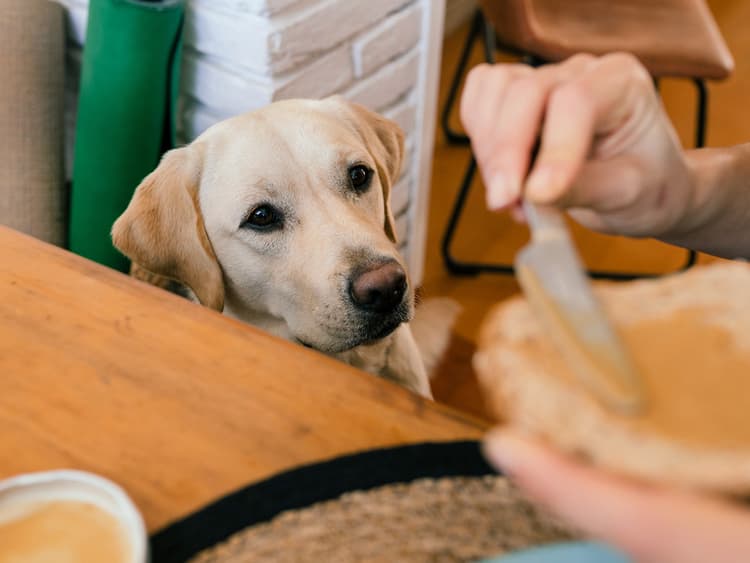
Leaving food within reach is basically providing your dog a self-serve buffet. If they get food by helping themselves, that behavior is reinforced. And if you chase them afterward, now it’s food and a game — such excitement. Counter surfing is really working for them.
The solution: Don’t leave food where they can reach it. Otherwise, your dog will continue to be reinforced for checking to see what’s on the counter. Management matters.
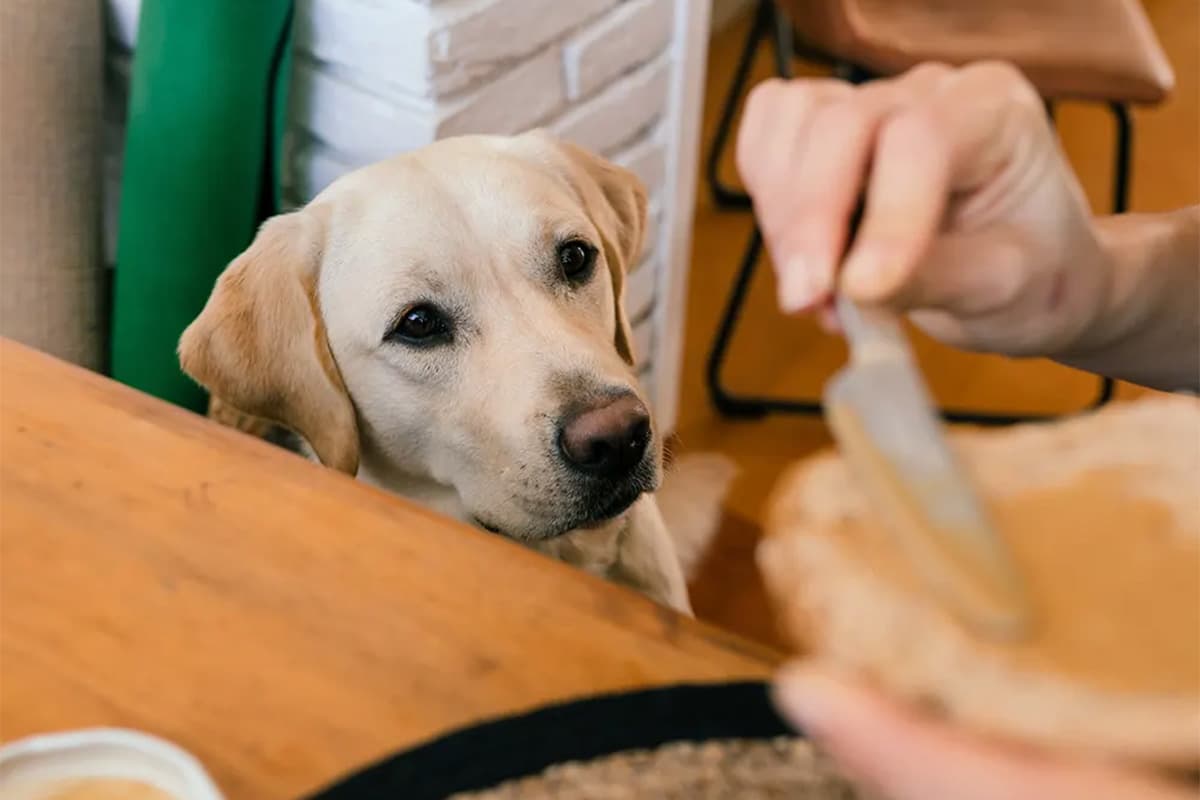
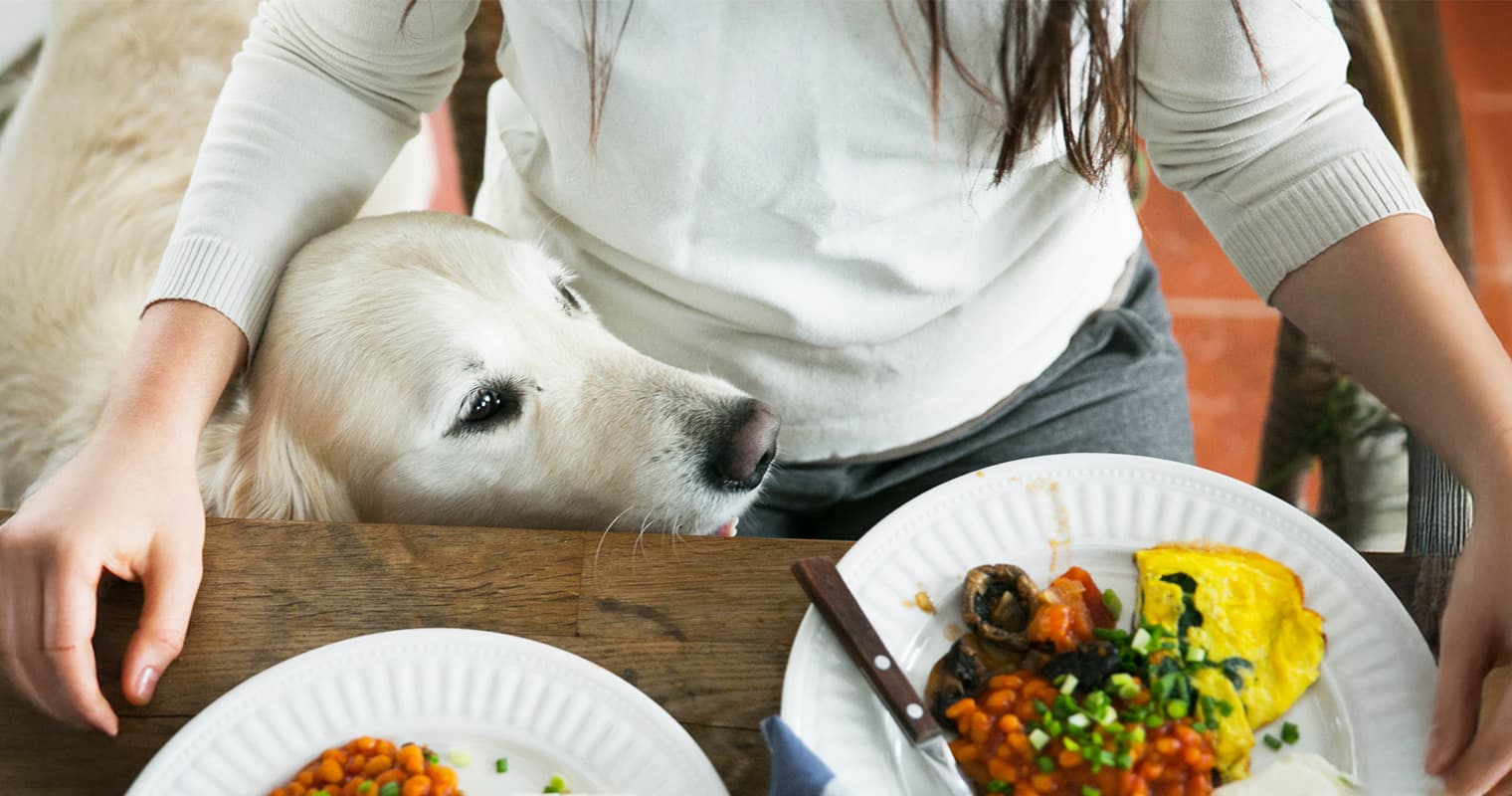
If begging works, even every once in a while, this reinforces begging and being persistent. That makes it even harder to stop this behavior because they believe that if they just keep at it, eventually it will work. So they are willing to sit there staring at you with those loving eyes for ages.
Cut it out — completely. Never give in. Perhaps pre-emptively give them something to chew on during mealtimes or when you have a snack (so they have something better to do), but don’t give them food when they beg. Ever.
miniseries / iStock
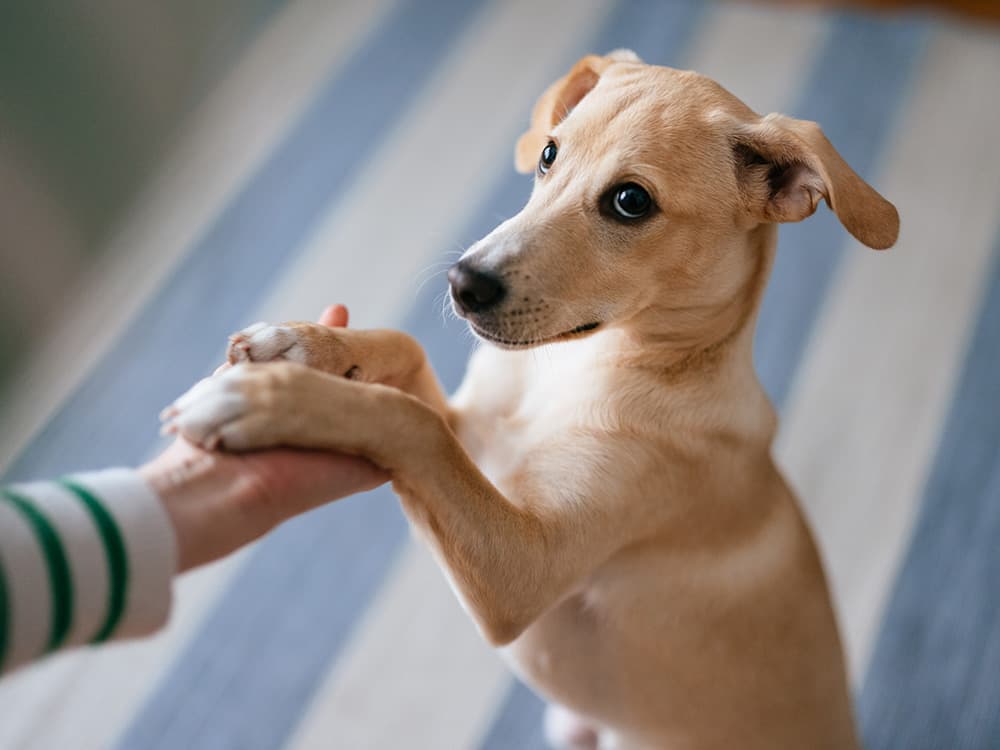
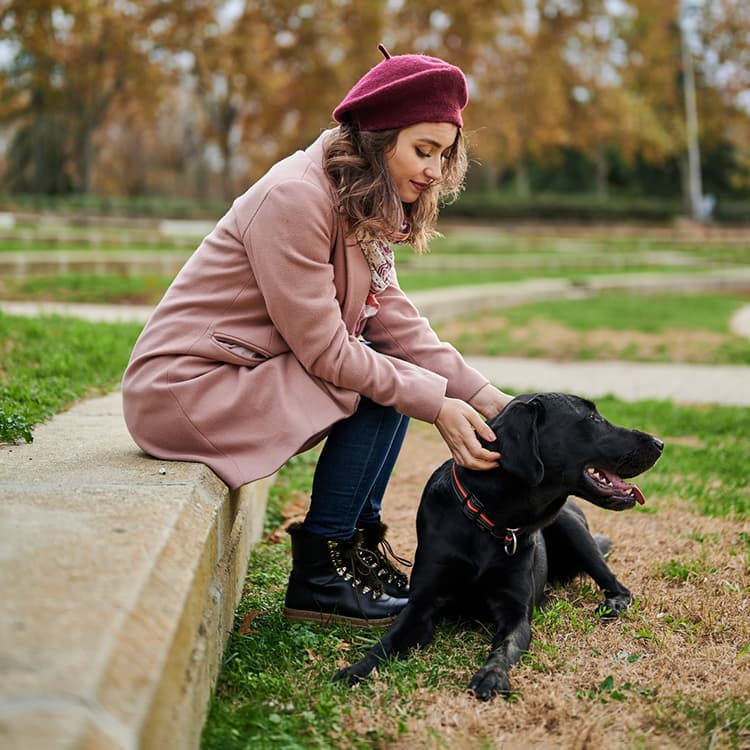
They paw, and you pet. That’s a successful system for them, so why would they want to stop? By petting them in response to being pawed, you are reinforcing the pawing behavior, and it will continue. If you don’t like being pawed at, don’t pet them in response to the pawing. Pet your dog at other times.
That said, if you love their little “Pardon me, may I have some affection now?” tap and are happy to respond, that’s not a problem. That’s communication working beautifully, and a win-win in the relationship, so there’s no need to change what you are doing. It’s only an issue if you don’t like it.
It’s incredibly common to reinforce behaviors you don’t love without meaning to. Once you are aware of how your behavior helps maintain certain behaviors, you can change the pattern. When you stop reinforcing the behaviors you don’t want, they become less common and may even disappear entirely.
Your dog isn’t plotting against you. They’re just repeating what works for them. And once you change what works? The story changes, too.
Karen B. London, Ph.D., is a Certified Applied Animal Behaviorist and Certified Professional Dog Trainer who specializes in working with dogs with serious behavioral issues, including aggression, and has also trained other animals including cats, birds, snakes, and insects. She writes the animal column for the Arizona Daily Sun and is an Adjunct Professor in the Department of Biological Sciences at Northern Arizona University. She is the author of six books about training and behavior, including her most recent, Treat Everyone Like a Dog: How a Dog Trainer’s World View Can Improve Your Life.
Behavior & Training
Behavior & Training
Behavior & Training

Behavior & Training
What it may mean if your dog whines, but seems totally fine.
Behavior & Training
Pro tips on training your dog with the click of a button — literally.
Behavior & Training
Managing expectations about your dog’s behavior makes for a good relationship