Quiet Dog Breeds: 9 Low-Bark Dogs You’ll Want to Meet
by Catherine Fahy Green, | September 23, 2026
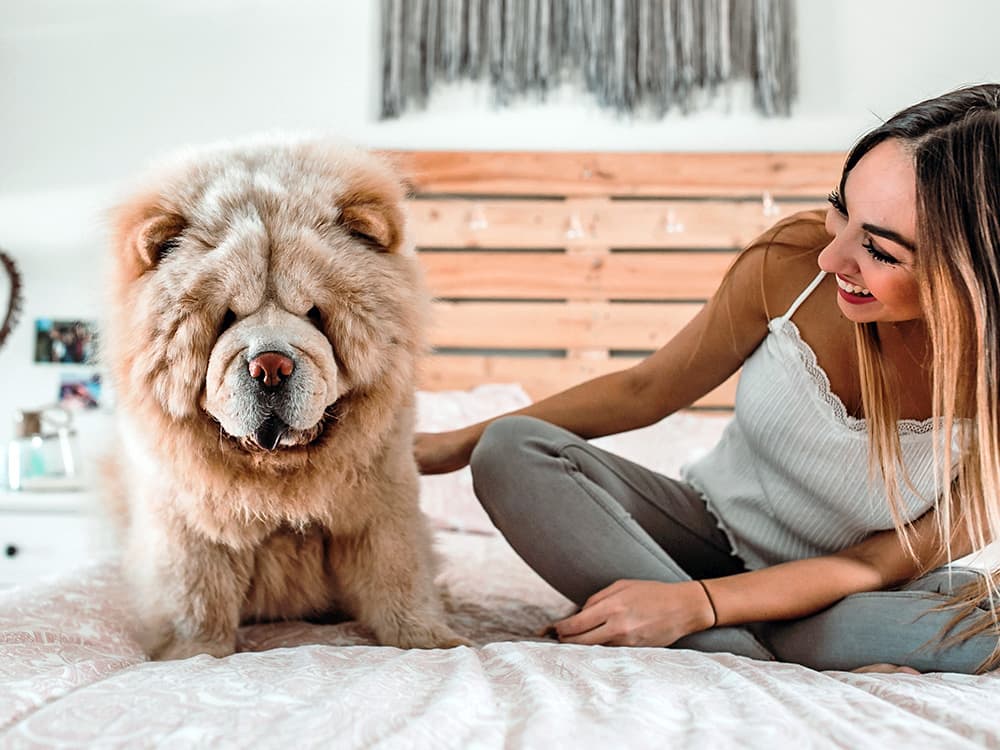
lubero / Adobe Stock
If you want to avoid having a dog with a bark that can break glass in Alaska — we get it. Not being rudely startled awake or distracted from work is a significant benefit of having a quiet dog. If you live in a home with small children or work from home, you might prefer a quiet environment. And for people who live in apartments, shared housing, or those with roommates, a quiet dog can make or break a relationship. Plus, there can even be legal ramifications for nuisance barking — some communities place legal limits on dog barking. Below, we break down the breeds known for being the quietest and how you can encourage an existing pup to stop waking up the neighborhood.
Dr. Antje Joslin, a veterinary consultant at Dogtopia, says a dog’s temperament will determine in part whether they are quiet or vocal. “Breed traits, genetics, training, socialization, environment and individual personality will all influence how vocal a dog may be,” she says. Historically, dogs were bred for different jobs, such as hunting, guarding, herding, or companionship — all requiring various levels of vocalization, Dr. Joslin explains. Age, health, and emotional wellbeing further affect vocalization. “Even within the ‘quiet’ breeds, individual vocalization can vary significantly,” Dr. Joslin says.
Paige Gordon, a certified trainer at SpiritDog Training, echoes Dr. Joslin. “A lot of factors go into what can make some dogs more vocal or quiet than others,” Gordon says. She lists the general environment of a dog’s upbringing, the extent of their socialization and desensitization, their breed history, and genetic predisposition to certain behaviors.
Gordon says it’s important to research a breed’s history and characteristics and weigh those factors in relation to your lifestyle before choosing a dog. There are at least 17 breeds that thrive in small spaces. Others need room to run. There are dogs who were bred to use their voices to protect people or other animals, and those like sighthounds who were bred to hunt silently but still need lots of exercise. Many toy breeds provide quiet companionship.
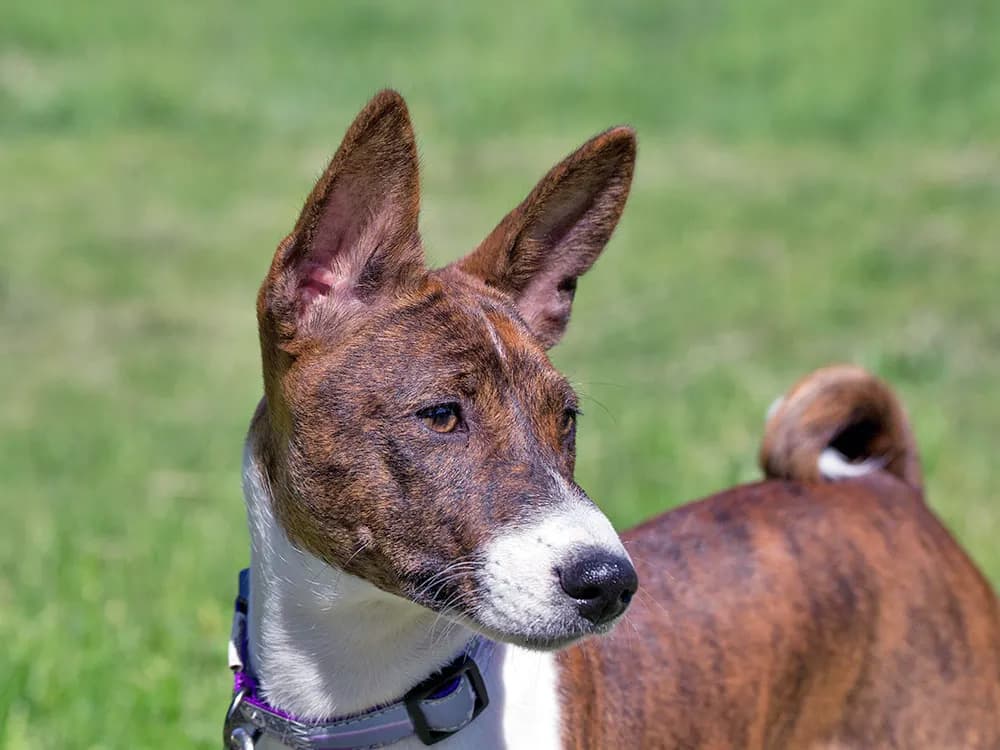
Basenji is one of the oldest dog breeds in the world and originated in Central Africa. They excelled at hunting small game in the Congo. Because of their unique larynx, instead of barking, they make yodel-like sounds (“baroos”) or whines, which is why they’re sometimes called the “barkless dog.” “They tend to be quiet but aloof, intelligent and independent,” Dr. Joslin says.
Height: 15 to 17 inches
Weight: 16 to 34 pounds

Greyhounds are an ancient breed whose long, lean figures are depicted on the walls of the Egyptian pyramids. They’re sighthounds bred to silently pursue game at high speeds. More recently, they’ve been employed in the controversial sport of Greyhound racing. Between bursts of energy, they’re sweet, quiet, and affectionate family dogs. “They can adapt well to indoor living and enjoy lounging,” Dr. Joslin says.
Height: 27 to 30 inches
Weight: 54 to 83 pounds

The Cavalier King Charles Spaniel originated in Renaissance England as a palace lapdog. As their name suggests, they were a favorite of King Charles II. Today’s Cavalier King Charles Spaniels are popular family dogs because they tolerate indoor living, small children, and they’re quiet. “They’re generally a quiet, laid-back, affectionate breed and they adapt well to apartment living,” Dr. Joslin says, so you can charm neighbors and nobility alike.
Height: 12 to 13 inches
Weight: 11 to 23 pounds

French Bulldogs (aka Frenchies) are descended from English bulldogs. They were refined in 18th century France as companion dogs, particularly among Parisian café society. Frenchies express themselves through snorts and snuffles. They’re also prone to snoring. While generally quiet, they can be vocal, Dr. Joslin cautions. “This breed exhibits considerable individual variation, with some individuals being very active and vocal.”
Height: 12 to 13 inches
Weight: 19 to 34 pounds

“Shiba” means “brushwood” in Japan, where the Shiba Inu is an ancient Japanese breed raised for flushing birds and small game in mountainous terrain. Their reddish-brown coats even match the colors of the brush. Being quiet helped them conserve their energy and maintain an element of surprise. “This breed is considered a quiet breed, but they do have a ‘Shiba-scream’ when they are distressed or very excited,” Dr. Joslin says. Shibas are a cat-like dog in that they’re independent and aloof or standoffish with strangers.
Height: 13 to 16 inches
Weight: 15 to 29 pounds
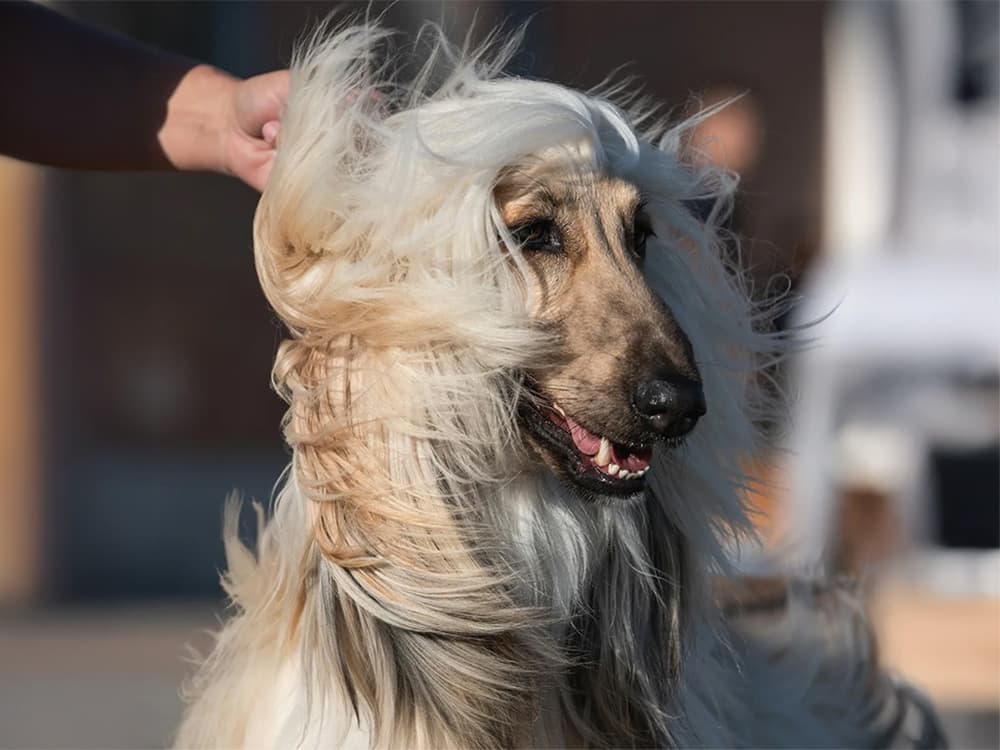
Like Greyhounds, Afghan Hounds are sighthounds and are among the world’s fastest land animals. They were bred to chase gazelles and hares with great speed and agility in Afghanistan’s rugged mountain terrain. Because barking would have slowed them down, they’re a quiet breed. At rest, Afghan Hounds are typically aloof and self-contained, though affectionate with their family.
Height: 25 to 29 inches
Weight: 40 to 77 pounds
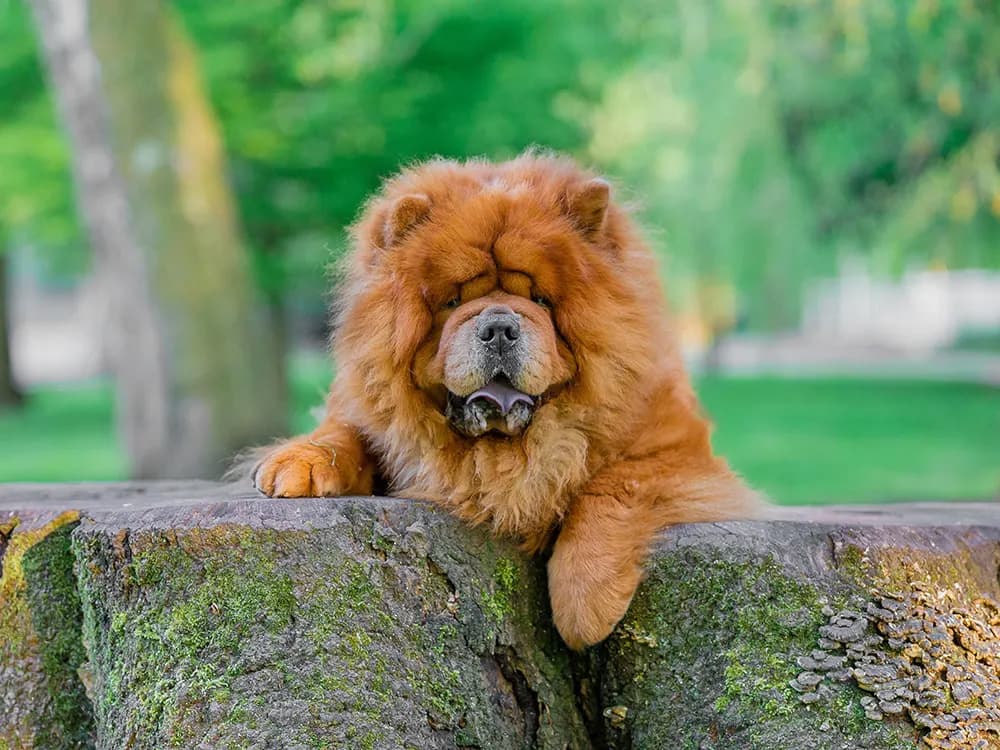
An ancient Chinese breed and one of the oldest breeds in the world, Chow Chows were once used for guarding temples, pulling carts, and hunting. They’re a dignified, reserved breed that’s wary of strangers and typically only bark if they have something important to say (like telling you there’s a stranger at the door). Chows are distinguished by blue-black tongues, moderate exercise needs, and a serene demeanor unless provoked. Alert but not alarmist describes the Chow Chow.
Height: 18 to 22 inches
Weight: 42 to 69 pounds
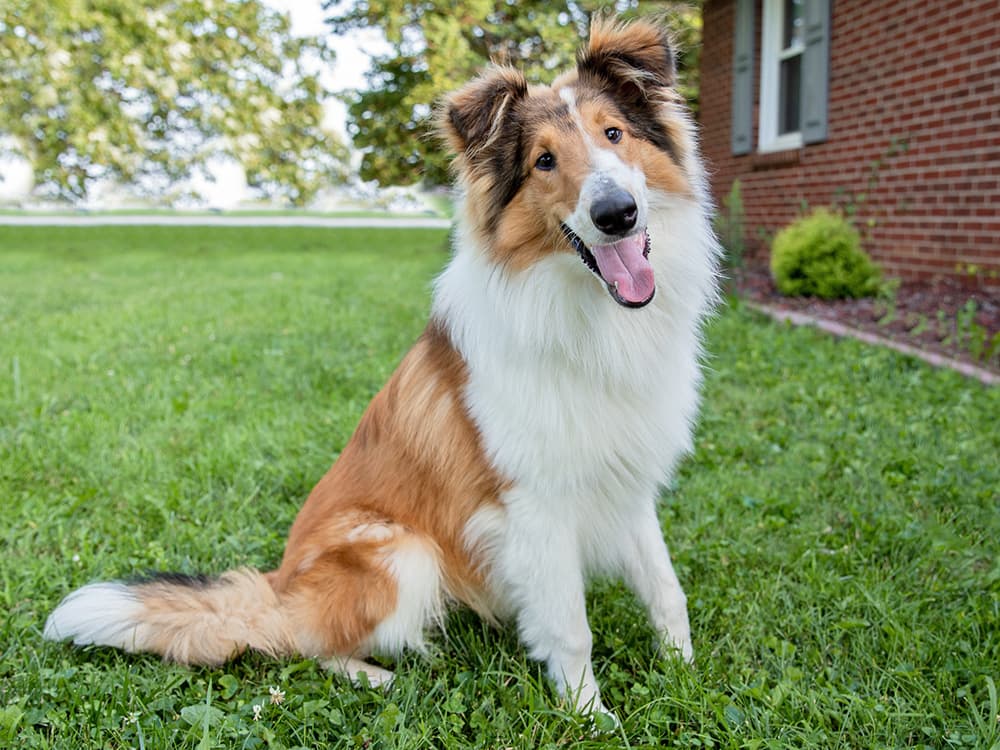
Collies were bred in Scotland and Northern England to herd sheep. They include Rough Collies, Smooth Collies and Border Collies. Dr. Joslin notes the latter is excitable (that would be Willy), but Rough and Smooth Collies are steady, gentle, and not overly vocal, even though they used their voices to move sheep. Their sensitive, family-oriented nature means they intuit the family environment and bark only when necessary.
Height: 20 to 24 inches
Weight: 44 to 79 pounds
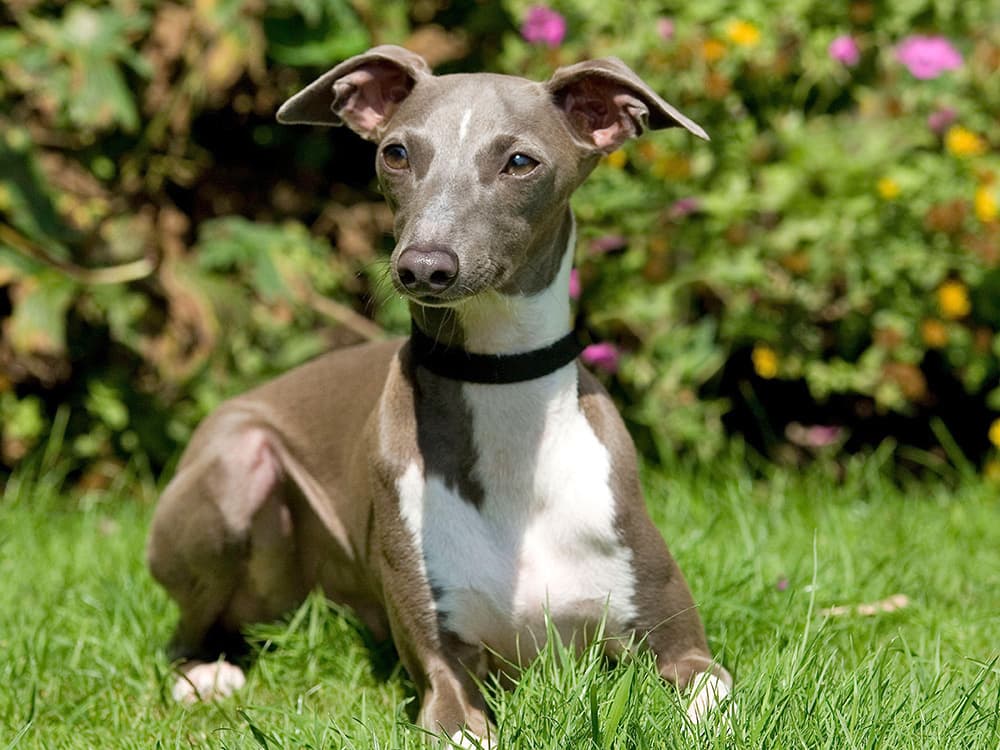
Italian Greyhounds and their larger cousins, Whippets, are generally quiet because they were bred to chase prey without barking. Greyhounds were bred in Renaissance Italy for companionship and small-game hunting. Whippets were developed in England as the “poor man’s racehorse” and for chasing rabbits. Both are quiet, affectionate dogs who prefer lounging to excessive vocalizing.
Height: 12 to 15 inches
Weight: 5 to 14 pounds
If you’re looking to adopt a quiet dog, there’s good news: Tons of pets are waiting in shelters and rescues, ready to kick off their next chapter with someone who gets them. No matter what you’re looking for, there’s a pet out there who’s the perfect fit, just waiting for the chance to meet you.
Start your search on Adopt a Pet, where you can filter pets by age, color, breed, and more.
Regardless of their breed, all puppies are excitable and prone to barking, so it’s important to train your puppy to stop barking as soon as you can. It’s also possible to fix your dog’s non-stop barking and reinforce quiet behavior if they’re older. “Training a dog for quiet behavior includes positive reinforcement, consistency, and patience,” Dr. Joslin says.
Joslin and Gordon recommend:
If your dog is loud and reactive to noises like fire trucks, YouTube is a source for desensitizing playlists.
Expose your puppy or dog to a variety of stimuli and train it to be silent and calm by giving it a treat when it exhibits the desired behavior.
Give your dog a tasty long-lasting chew and, while playing triggering sounds quietly, gradually increase the volume over time.
Doggie daycare gives dogs the chance to play, exercise, and interact with other dogs so they’re quieter at home. “A tired dog is a quiet dog,” Dr. Joslin says.
The benefit of this training is that your bond with your dog will improve,” she says. “It’s great to be able to spend time with your dog and see real results, like being able to have your dog listen calmly to a sound that may have set them off.”
A dog’s breed can determine how much they bark. Certain breeds were developed for specific purposes, like silently hunting at high speeds or quiet companionship. These dogs evolved to bark selectively. They’re good choices for people living in close proximity to others or people who value a quieter environment.
Without correct socialization and training, however, or if its needs aren’t being met, any dog will express itself by barking. Excessive barking or a lack of barking can be a sign of health issues if your dog isn’t eating, drinking, and moving normally.

Catherine Fahy Green is a journalist turned copy and content writer. As a pets writer, she focuses on and is fascinated by animal body language because there's so much to learn from and about animals by spending time in their presence and observing their physical cues. Her work as a PR specialist appears in national trade media as press releases and stories about exciting new products people should try. She lives with her family in Western Massachusetts, where she listens closely to the stories her two dogs, flock of chickens, and four horses tell her. She spends her weekends at horse shows with her daughter.

Behavior & Training
Behavior & Training
Behavior & Training
Behavior & Training
When the whining never stops, it’s time to do some detective work.