Winter Is Here—Can Your Dog Suffer Seasonal Depression?
Here’s why your pup may get the winter blues, too.
Here’s why your pup may get the winter blues, too.
by Madeleine Aggeler, | January 3, 2024
Jen Grantham / Stocksy
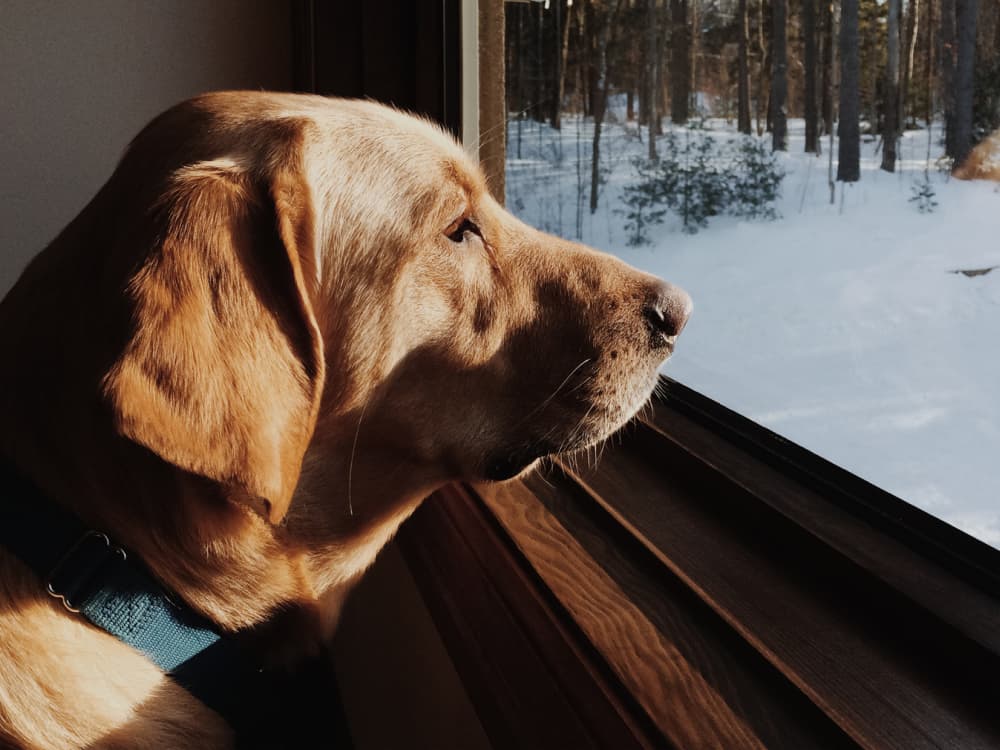
The new year is here, and with it: winter. Temperatures have dropped, darkness descends well before 6 p.m., and for some, the winter blues are setting in. Also known as seasonal affective disorder (SAD), this condition can express itself in humans as a lingering depression, fatigue, and social withdrawal. But what about our canine companions — does the change in season also affect their mood? The short answer is: probably. The longer answer is a little more complicated.
“There’s a lot of confounding variables going on,” says Scott Sheaffer, a certified dog behavior consultant based in Dallas, Texas. Scheaffer explains that what pet parents interpret as SAD in a dog might be a combination of physical factors as well as changes in human behavior. Below, Sheaffer walks us through some of the possible signs of SAD in dogs, and what you can do to help bring some pep back into their furry step.
“Yes, they do!” Sheaffer says, quickly clarifying, “We don’t know that they’re actually depressed, of course, because we can’t interview them.” That being said, Sheaffer says it’s very likely they do experience something like depression, based both on their behavior (like humans, depressed dogs tend to appear withdrawn, lethargic, and disinterested) and the fact that dogs have been known to respond positively to antidepressants. “If you put those things together, you tend to think, yes, dogs are getting depressed.”

Dogs need more sleep than humans. Here’s how much is healthy.
Similarly, while we can’t sit a dog down and ask them directly whether they feel the winter doldrums, Sheaffer points out that humans and dogs share certain chemical similarities, which would suggest dogs might be susceptible to the changing of the seasons. Like humans, dogs produce melatonin, a hormone that helps regulate one’s sleep cycle. When it gets dark outside, the body produces more melatonin, which creates a feeling of drowsiness. Scientists believe that an overproduction of melatonin when the days become shorter can contribute to SAD, and given that dogs produce the hormone as well, they may also be susceptible to the condition.
According to Sheaffer, the biggest sign that your dog might be experiencing depression, seasonal or otherwise, is if they start seeming indifferent and lose interest in the things that previously brought them pleasure, like food, toys, or playtime. “Pretty much what you would see in a human that’s experiencing depression,” he says.

And what to do to help them.
Still, Sheaffer emphasizes that you should rule out physical ailments before immediately assuming that your dog is depressed. Physical discomfort might cause a dog to act lethargic or disinterested, and it’s important to address any underlying physical issues before trying to address the emotional issues. “Could it be that your dog is sick?” he suggests. “We think dogs might get headaches. We know dogs have gastrointestinal issues... Could that be it? We have to rule out those things.”
“Dogs are extremely perceptive,” Sheaffer says. While you may not be able to sit down and have a conversation with your dog, they are attuned to the subtleties in your body language and facial expressions. So, if you seem more lethargic and depressed, your dog may also start to seem down. Dogs are also sensitive to changes in routine, so if, in an attempt to avoid the cold, dreary weather, you’ve been taking your pup out on fewer walks and exercising them less, they may start to feel anxious and bored.

It was a trick question. A study shows that the pandemic has made us all codependent.
Winter doesn’t have to mean perpetual gloom for you or your dog, though. It’s possible that less daylight means that pet parents are going out less and spending more time with their dogs, which would likely make their dogs happier. In short, dogs are always watching their owners for clues on how to behave and respond to their environment, so a change in their mood could be a reflection of a change in yours — positive or negative.
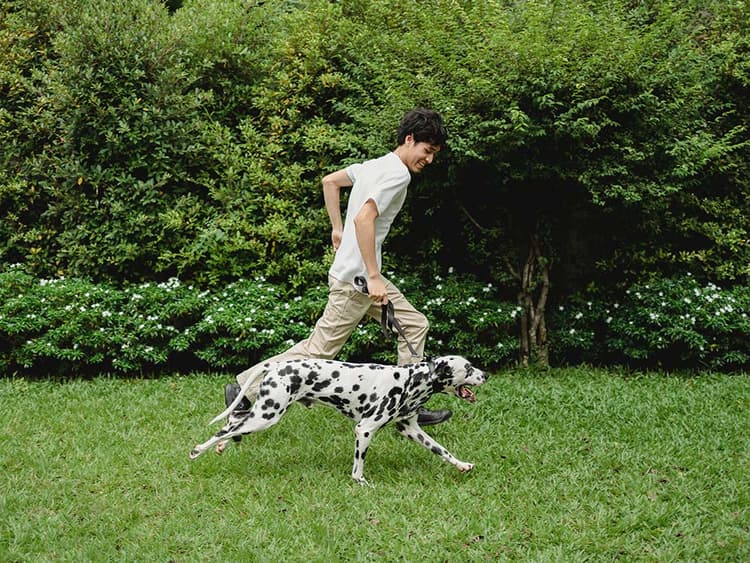
Whether you’re trying to prevent your dog from feeling depressed, or trying to help a dog who already seems to be displaying symptoms of SAD, Sheaffer says that physical and mental stimulation are the keys to boosting a dog’s sense of wellbeing. And if you’re not sure how best to keep them stimulated, he adds that you can never go wrong with a good old-fashioned walk, which engages a dog both physically and mentally.

The author of Return to Nature on the mental health benefits of getting out into various natural landscapes with your pup.
“When you take a spirited walk, especially in cooler weather, do you ever feel worse when you come back?” Sheaffer asks. “No! You feel better. So does your dog.” So, while dogs may be sensitive to the changing seasons, as long as you keep them properly engaged, they’ll be okay. “Most dogs, if you put them in a cave without sunlight where they have enough stimulation, they’ll be fine.”

Madeleine Aggeler is a freelance journalist and copywriter in Washington, D.C. Previously, she was a writer at New York magazine’s The Cut. She lives with her dog, Cleo, who works primarily as a foot warmer.
Behavior & Training
Lifestyle
Lifestyle

Behavior & Training
Why regular exercise can mean a less destructive dog and a happier you.