What Is ‘Fear Free’? (And Why This Matters When Adopting a Pet)
Taking steps to reduce a pet’s fear, anxiety, and stress helps you build a lasting bond.
Taking steps to reduce a pet’s fear, anxiety, and stress helps you build a lasting bond.
by Mia Nguyen, CPDT-KA, FFCP, | June 30, 2026
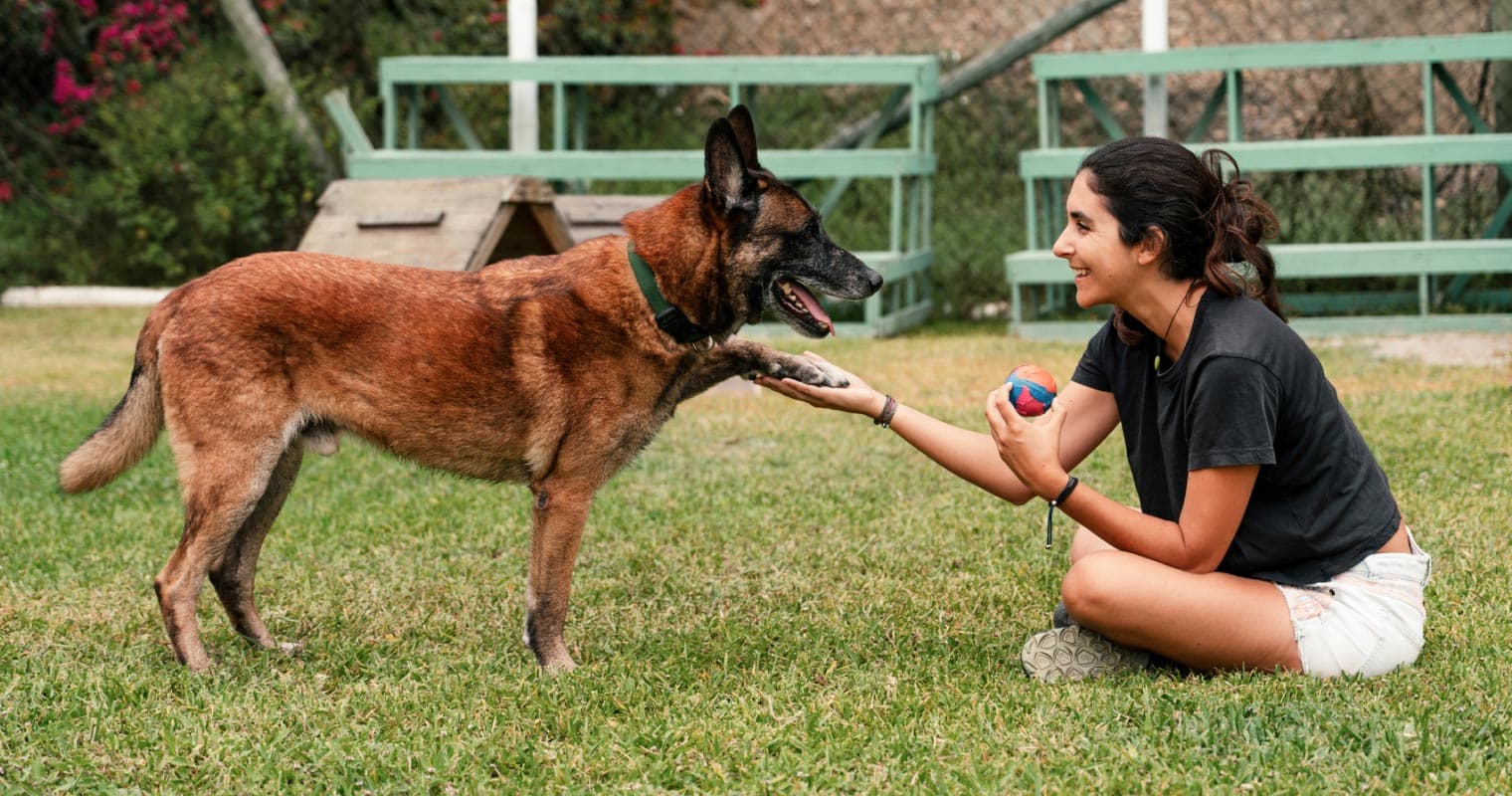
Luis Herrera / Stocksy
Bringing home a new dog or cat is exciting, but this can also be overwhelming for them. They’re adjusting to unfamiliar people, smells, routines, and expectations all at once. Starting this relationship with patience and low-stress handling helps build trust from day one, making it easier for your new pet to settle in — and for you to better understand what they need to feel comfortable.
Fear Free is an approach to animal care that focuses on reducing fear, anxiety, and stress in pets throughout experiences such as vet visits, grooming appointments, training sessions, and even transitions to a new home. It makes those first few days less stressful and lays the groundwork for a stronger bond and a more confident, secure pet.

Elina Volkova / Pexels
Fear Free refers to understanding how animals communicate, and adjusting our approach to help them feel safe. Pets often show subtle signs of stress long before escalating into more obvious reactions such as growling, hiding, lunging, or refusing to cooperate. These early signals often include lip-licking, wide eyes, yawning, turning away, pinned ears, and a tucked tail.
Rather than avoiding challenges or discomfort altogether, or pushing pets through scary experiences, a Fear Free approach builds confidence through positive experiences, clear expectations, and cooperative care. With this method, pets learn that new people, places, and routines don’t have to feel scary. Originally developed for veterinary professionals, Fear Free is now used by trainers, groomers, shelters, rescues, and pet parents to create positive experiences during all kinds of situations.
Not only does stress affect how pets feel in the moment, but it can also shape how they learn, behave, and respond to the world around them. When a dog or cat feels consistently overwhelmed, fearful, or anxious, their body shifts into survival mode. This makes learning new skills and behaviors difficult, because they’re too focused on coping with what feels threatening.
Stress is particularly important to manage in newly adopted pets, because they’re adjusting to unfamiliar sounds, smells, routines, and expectations while still trying to figure out if they’re safe.
From blankets to bikinis.
Stress in pets can also show up in ways that are often misunderstood as stubbornness, disobedience, or even aggression. For example, a dog who refuses to walk through the front door or a cat hiding for days after adoption may be feeling overwhelmed by a new environment. And a puppy who mouths, barks, or has accidents may be struggling to regulate stress.
The expectation with newly adopted pets is that they´ll adjust naturally over time. But sometimes repeated stressful experiences can make pets more sensitive to handling, less trusting of people, and more reactive in situations they’ve learned to associate with discomfort. This is when a Fear Free approach can be helpful. By responding to signs of fear, anxiety, and stress with autonomy and choice, pets are more likely to be receptive to learning new skills, building trust, and adjusting to their new environments.
Fear Free changes how you approach experiences, so pets feel supported instead of overwhelmed. While this may sound simple, it often requires nuance, quick pivots (when things don’t work out), and adjusting to how each environment impacts the emotional state of the pet.
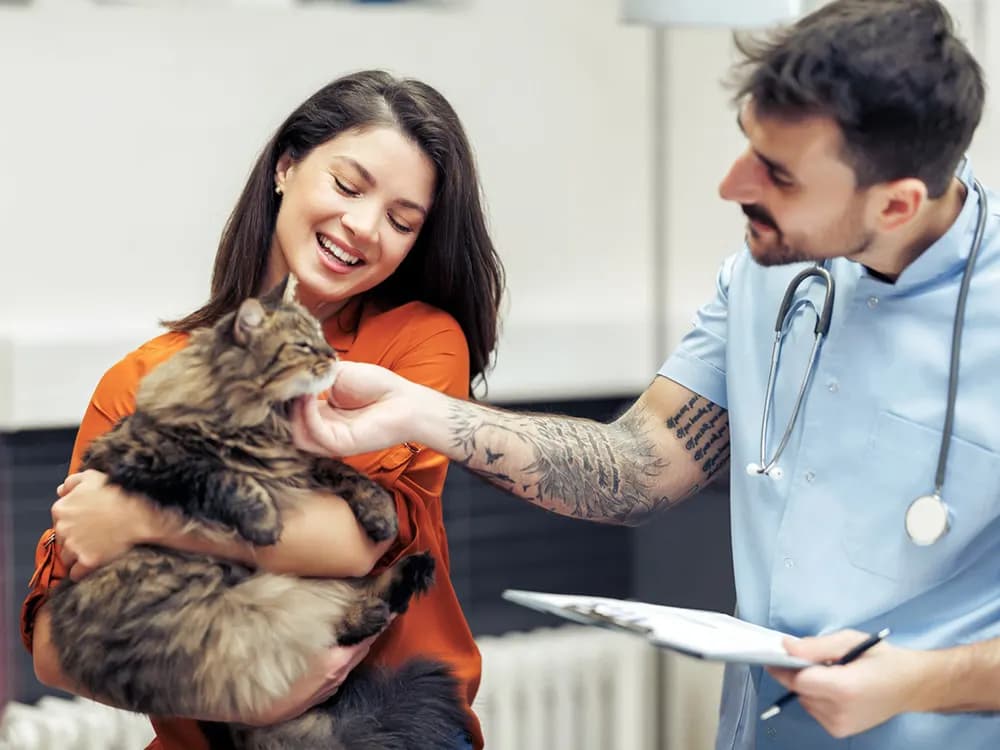
Ivanko_Brnjakovic / iStock
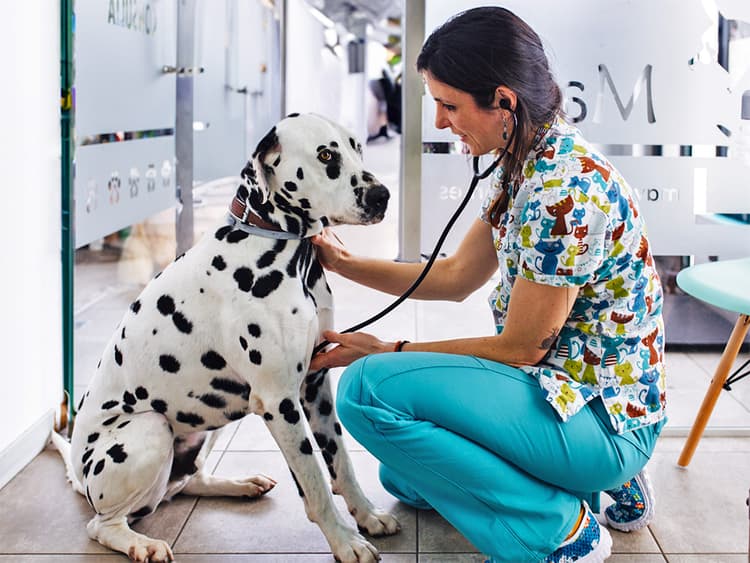
Veterinary visits are one of the most common sources of stress for pets, especially if they’ve had negative experiences in the past. Fear Free veterinary care focuses on making appointments as low-stress as possible by changing the environment and how pets are handled.
Tactics may include:
Allowing pets time to acclimate to the exam room
Using treats during exams
Performing procedures on the floor instead of on an exam table
Using calming pheromones
Keeping pet parents involved in care
Breaking up non-urgent procedures into smaller steps
Some clinics also schedule longer appointment times or use pre-visit medications for pets with severe anxiety. Finding a Fear Free certified veterinarian — or a clinic that uses low-stress handling — can make a huge difference in helping pets build positive associations with medical care from the start.
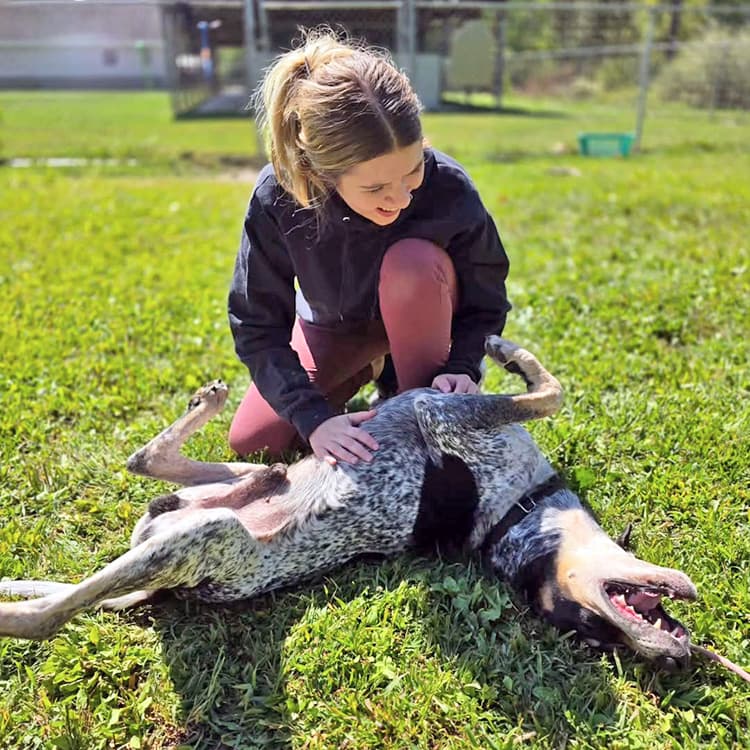
Kennel environments can be incredibly stressful, even for pets who are otherwise social and confident. Unfamiliar sounds, constant activity, new people, and unpredictable routines can all raise stress levels.
Here’s how shelters and rescues might reduce stress:
Providing hiding spaces for cats
Using enrichment activities
Limiting exposure to stressful triggers
Creating predictable routines
Playing calming music
Providing stimulus-controlled kennels that reduce stressful sounds, scents, and visuals
Allowing animals to interact with people at their own pace.
These practices don’t just improve welfare while pets wait for adoption, but they can also help staff get a more accurate picture of an animal’s personality and behavior. This makes it easier to match pets with the right home.
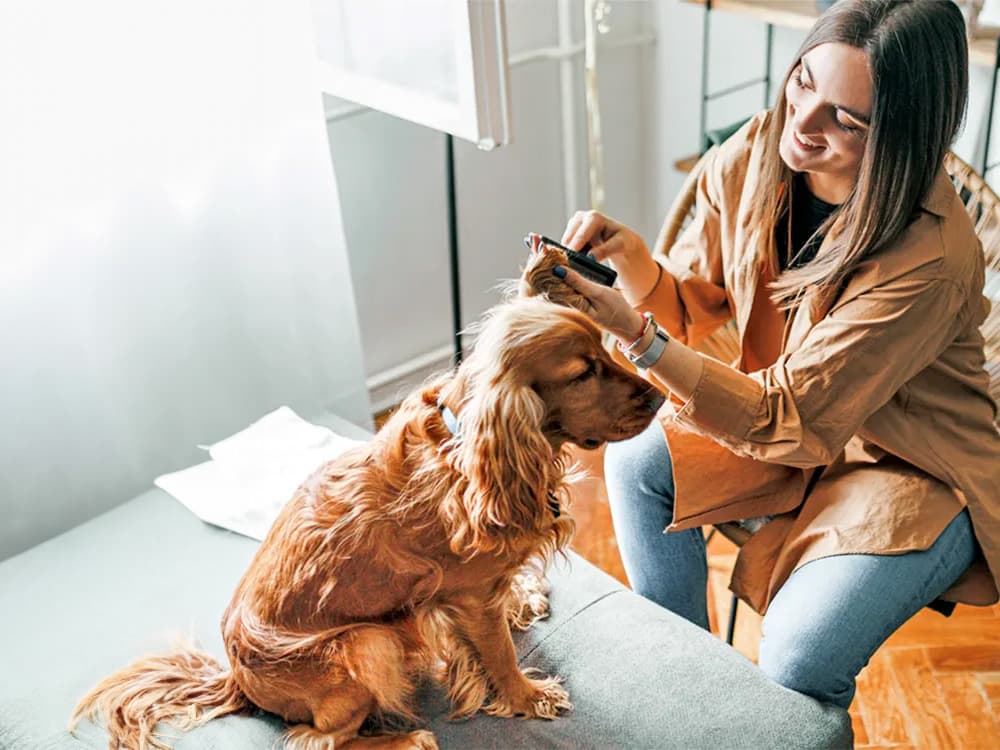
Eleganza / iStock
Grooming can involve many potentially stressful experiences for pets, including unfamiliar handling, loud equipment, restraint, and sensitive body contact.
To mitigate this, groomers can choose to:
Introduce tools gradually
Offer plenty of breaks
Give lots of rewards
Watch closely for signs of stress
Stop or adjust when a pet becomes overwhelmed, rather than forcing them through the appointment
For newly adopted pets, especially those with unknown histories, slower introductions to grooming can prevent fear from developing into long-term anxiety around brushing, nail trims, or professional appointments.
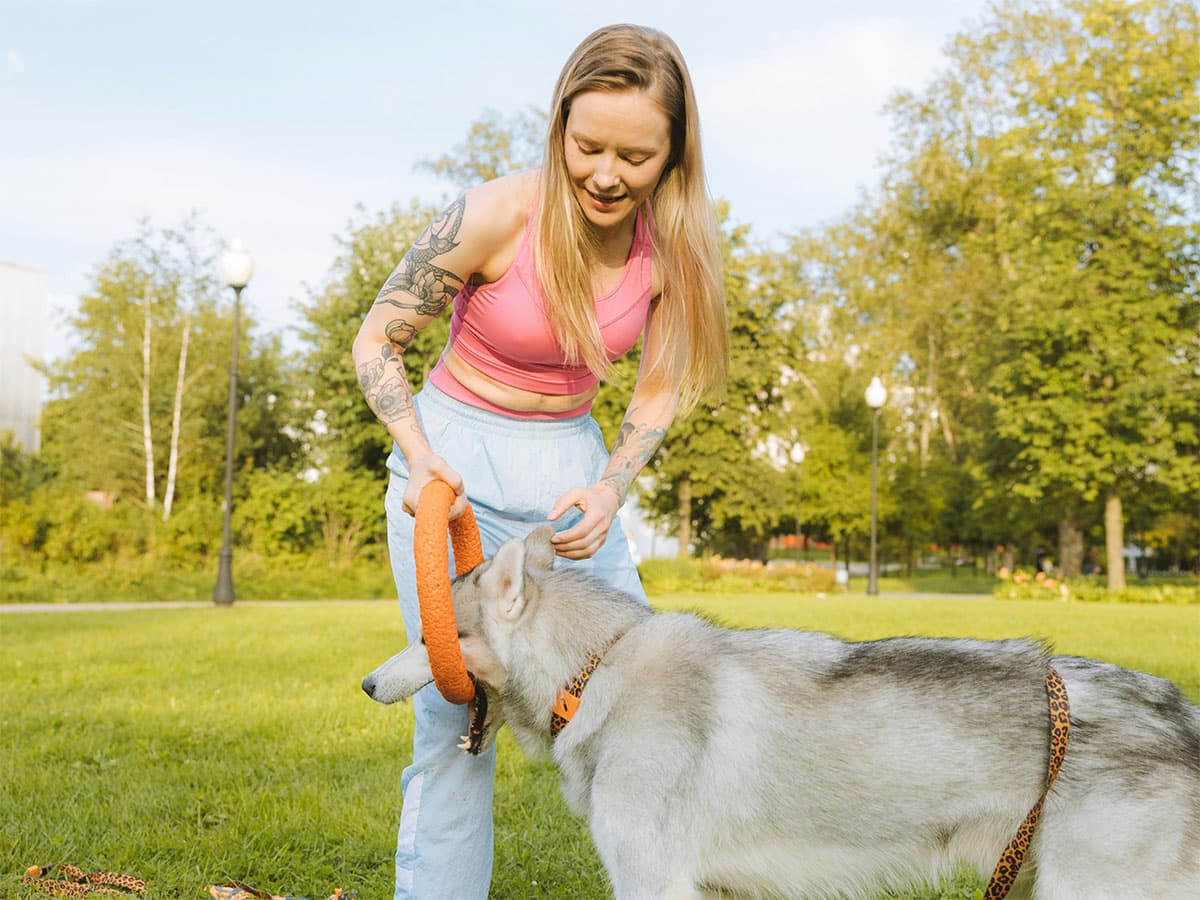
Fear Free trainers try to understand why a behavior occurs and create a plan to teach pets to move on from it. This approach is especially valuable for newly adopted pets who may be adjusting to their environment or carrying stress from previous experiences. Training built on trust and agency helps pets learn more effectively and strengthens the relationship between pets and their new families.

Esin Deniz / Adobe Stock
Home is where Fear Free principles often have the biggest day-to-day impact. That’s why it’s important to recognize when your pet may need more space, more support, or a slower introduction to something new.
For adopters, this can look:
Giving pets time to adjust to the new home at their own pace
Setting up safe spaces where they can retreat
Introducing new experiences gradually
Avoiding the urge to rush socialization or training milestones
Paying attention to your pet’s body language
Small choices such as letting your new dog observe visitors from a distance before greeting them or allowing your cat to explore one room at a time can help build confidence and trust. Using treats and positive reinforcement during everyday handling, such as nail trims, brushing, or getting used to a harness, are small but life-changing things you can do. The goal is to build a collaborative relationship where you and your pet are able to communicate seamlessly.
Fear Free isn’t just a training methodology, but it’s also an approach to raising pets. Teaching your pet how to opt into basic care and handling is a lifelong journey towards helping them feel comfortable and secure with care at home and out in the world.
Start your search by prioritizing low-stress, pet-centered practices. One of the easiest places to start is the Fear Free directory, which helps pet parents search for certified veterinarians, trainers, groomers, and other pet professionals in their area.
You can also contact local clinics, shelters, and rescues directly to ask about their approach to reducing fear, anxiety, and stress in pets. The way they answer can tell you a lot about whether or not their practices align with Fear Free principles.
Fear Free certification means a veterinary professional, trainer, groomer, shelter professional, or other pet care provider has completed specialized education focused on preventing and reducing fear, anxiety, and stress in pets. This training covers reading animal body language, low-stress handling techniques, environmental modifications, and the use of positive reinforcement to create safer, more comfortable experiences for pets. For clinics and organizations, certification often reflects a broader commitment to make emotional well-being part of overall pet care.
Some Fear Free practices may charge slightly more for longer appointments, behavior consultations, or individualized care plans, but many incorporate Fear Free techniques into standard visits without significantly increasing costs.
Not all shelters and rescues use Fear Free practices or participate in certification programs. But these days, it’s very common for shelters and rescues to use low-stress handling and enrichment-based techniques. Animal welfare professionals increasingly recognize how stress can affect a pet’s behavior, adoptability, and overall well-being. If this is important to you, ask your local animal welfare organization how they help animals manage stress and support pets during the transition to adoption.
Many vet clinics allow you and your pet to explore and meet staff members without the pressure of being poked and prodded. These low-stress, low-pressure experiences can introduce a new pet to the vet or recondition pets who are already fearful of the space.
If your pet already shows signs of fear, anxiety, and stress at the vet, it may be beneficial to speak to your vet about pre-visit pharmaceuticals. Medication can help break your pet’s cycle of experiencing stress and anxiety in that space, allowing them to form more positive experiences with it.
The Fear Free Shelter Program is an initiative designed to help animal shelters and rescues reduce fear, anxiety, and stress for pets in their care. Organizations that participate in this program aim to improve both animal welfare and adoption outcomes by helping pets feel safer and show their true personalities while waiting for a home.
China, Lucy, Daniel S. Mills, and Jonathan J. Cooper. “Efficacy of Dog Training With and Without Remote Electronic Collars vs. a Focus on Positive Reinforcement.” Frontiers in Veterinary Science 7 (July 22, 2020): 508. https://doi.org/10.3389/fvets.2020.00508.
Dare, Pamela, and Rosemary Strasser. “Ruff Morning? The Use of Environmental Enrichment during an Acute Stressor in Kenneled Shelter Dogs.” Animals 13, no. 9 (April 28, 2023): 1506. https://doi.org/10.3390/ani13091506.
Demaline, Breanna. “Fear in the Veterinary Clinic: History and Development of the Fear Free℠ Initiative.” Conspectus Borealis 4, no. 1 (2018). https://commons.nmu.edu/conspectus_borealis/vol4/iss1/2.
Fear Free. “Fear Free Research Program.” https://www.fearfree.com/about-fearfree/research.
Gatehouse, Emma, Annika Bremhorst, Sagi Denenberg, and Loni Loftus. “Assessment of a Behavioral Scale for the Measurement of Fear, Anxiety, and Stress in Dogs Visiting the Veterinary Practice.” Applied Animal Behaviour Science 279 (September 2025): 106381. https://doi.org/10.1016/j.applanim.2025.106381.
Hiby, E. F., N. J. Rooney, and J. W. S. Bradshaw. “Dog Training Methods: Their Use, Effectiveness and Interaction with Behaviour and Welfare.” Animal Welfare 13, no. 1 (2004): 63–69. https://www.cambridge.org/core/journals/animal-welfare/article/dog-training-methods-their-use-effectiveness-and-interaction-with-behaviour-and-welfare/B219F8FBE35C05DA269D02F310E38B66.
Méndez-Couz, Marcos, Nélida M. Conejo, Héctor González-Pardo, and Jorge L. Arias. “Impact of Chronic Stress Protocols in Learning and Memory in Rodents: Systematic Review and Meta-Analysis.” PLOS One 11, no. 9 (September 23, 2016): e0163245. https://doi.org/10.1371/journal.pone.0163245.
Packard, Mark G., and Jean-Louis Goodman. “Stress, Associative Learning, and Decision-Making.” Neurobiology of Learning and Memory 198 (August 2023): 107704. https://doi.org/10.1016/j.nlm.2023.107704.
Protopopova, Alexandra, Nathaniel Hall, and Clive Wynne. “Environmental Enrichments and Data-Driven Welfare Indicators for Sheltered Dogs Using Telemetric Physiological Measures and Signal Processing.” Scientific Reports 14 (February 9, 2024): 3358. https://doi.org/10.1038/s41598-024-53932-1.
Riemer, Stefanie, Carmen Heritier, Ines Windschnurer, Lydia Pratsch, Christine Arhant, and Nadja Affenzeller. “A Review on Mitigating Fear and Aggression in Dogs and Cats in a Veterinary Setting.” Animals 11, no. 1 (January 12, 2021): 158. https://doi.org/10.3390/ani11010158.

Mia is a Certified Professional Dog Trainer and Behavior Consultant with a deep passion for helping dogs and their families build positive, lasting relationships. As the owner and trainer of Ace’s Pace based out of Sacramento, CA, she focuses on fear-free, science-backed techniques to guide pet parents through the nuances of dog behavior, training, and enrichment. Through a gentle, positive approach rooted in understanding and trust, Mia strives to help every dog live their best life, with the support and guidance that pet parents need to be successful. You can follow Mia and her life with dogs on Instagram at aces.pace.sacramento.
Behavior & Training
Behavior & Training

Pet Wellness

Behavior & Training
You aren’t the only one with boundaries.

Behavior & Training
New York Rep. Linda Rosenthal’s new bill puts pups first.

Adoption Advice
Aside from keeping your dog pretty or handsome, grooming is an important part of maintaining their health. Here are some tips on knowing when your pup needs a little freshening up.

Behavior & Training
Suddenly, your neighborhood sidewalk has some new installation art: your frozen dog.

Behavior & Training
A guide to recognizing and understanding trauma in your new rescue, and how to help them heal.