Brown Cats You Rarely See (and Totally Need to Know About)
The science behind these chocolate-colored felines.
The science behind these chocolate-colored felines.
by Courtney Elliott, | May 14, 2025

Natalia Mishina / Stocksy
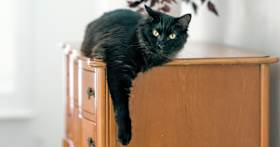
You probably can’t go a day without seeing a dog with brown fur or a human with brown hair — but when was the last time you crossed paths with a brown cat? While cats boast a broad spectrum of colors and patterns, spotting a solid brown cat is a rarity. From deep chocolate hues to warm caramel tones, solid brown coats in cats are less common compared to other colors — particularly for everyday mixed-breed cats.
Whether you’re considering adopting a brown cat (opens in a new tab) or simply interested in the spectrum of cat variations, let’s take a closer look at these uncommon brown cats. Already adopted a brown cat? See our guide to naming brown cats.
The rarity of brown cats can be traced back to a distinct genetic characteristic. In simple terms, these cats possess a mutated gene variant within the gene responsible for producing black pigmentation. This genetic trait reduces the black coloration in the coat, and depending on their recessive genes, results in a coat color that may be a hue of brown or shade of cinnamon.
Explained another way, when the normal gene (opens in a new tab) (B) has a variation (b or b1), it creates a brown color, rather than black (opens in a new tab). Cats with bb or bb1 (opens in a new tab) generally have a chocolate or chestnut color, while those with b1b1 have a cinnamon or red color coat. This gene variant is not common among cats, making the rich chocolate brown hues found in Havana Browns (opens in a new tab) and Oriental Shorthairs (opens in a new tab) all the more fascinating. Now that we know why brown cats are so rare, let’s dig into the coat patterns and markings for this coat color.
Brown cats exhibit a diverse array of captivating coat patterns, each contributing to their one-of-a-kind charm. From the distinctive stripes of the Tabby pattern to sleek solid coats, these patterns showcase the diversity of tawny kitties.
Tabby: Known for its signature stripes, spots, and the iconic “M” on the forehead, Tabby patterns come in various forms, including classic, mackerel, spotted, and ticked.
Solid: A coat with a uniform color, solid brown cats showcase a rich, unbroken hue, emphasizing the beauty of a single, luscious shade.
Bi-color: Featuring two distinct colors, bi-color cats typically have one color covering most of the body and another on the face and paws, creating a charming and contrasting appearance.
Point: Point-patterned cats boast a lighter body color with darker points on the ears, face, paws, and tail, creating a striking contrast that adds to their allure.

Carolyn Lagattuta / Stocksy
The brown tabby cat (opens in a new tab)is one of the most common cats you’ll find in today’s households. However, it’s intriguing to note that “tabby” refers not to a specific breed, but to a distinctive pattern seen across many different breeds. A defining trait of Tabbies is the distinctive “M” on their forehead, which you’ll notice on brown Tabbies, too.
While tabbies are the most common and easily recognizable brown color pattern, on the other end of the rarity spectrum, we have solid brown cats such as the Havana Brown, a breed distinguished by their exclusive, uniform brown coat, making them a pretty rare cat.

Jolanta Jd / Shutterstock
Often referred to as the “Chocolate Delight,” Havana Browns (opens in a new tab) are known for their striking dark brown coat. In fact, nearly every aspect of this breed embodies the rich chocolate hue, from their fur and distinctive nose to their paw pads and even their whiskers. This interesting feature distinguishes the Havana Brown as the only cat to showcase a uniform brown palette across every inch of their body. These cats have a sleek physique and are known for their expressive, vivid green eyes. Intelligent, affectionate, and playful, Havana Browns form strong bonds with their human companions.
Weight: 8 to 12 pounds
Life expectancy: 15 to 20 years
Best trait: One-of-a-kind

Svyatoslav Balan / Shutterstock
The Oriental Shorthair (opens in a new tab), a sibling to the Siamese, is celebrated for its diverse range of coat colors — including the rich chocolate brown. These slender felines have big almond-shaped eyes and distinctively large ears. Oriental Shorthairs are best known for their outgoing, social personalities and make agile and playful companions. These dark brown cats have a spirited energy and do best with an active household.
Weight: 6 to 12 pounds
Life expectancy: 10 to 15 years
Best trait: Super social

Sergey / Unsplash
The Abyssinian (opens in a new tab) is unlike your typical lap-cat — these dog-like cats (opens in a new tab) are all action. Their roots trace back to ancient times, and are believed to have originated in ancient Egypt. These curious cats are very social and boast an even temper and friendly disposition. Pet parents of these cinnamon-colored kitties can expect a lot of snuggles, making them a charming addition to any cat-loving family.
Weight: 7 to 15 pounds
Life expectancy: 12 to 17 years
Best trait: Adventure cat

Anna / AdobeStock
The British Shorthair (opens in a new tab) has a compact stature and a short, dense coat. The chocolate-colored British Shorthairs will typically have copper or orange eyes. With a calm and low-maintenance nature, these cute cats (opens in a new tab) are perfect companions for apartment living. Known for their independence and a notable lack of inclination to topple household items (seriously), British Shorthairs strike a balance between playful and reserved. Despite their self-sufficiency, they eagerly seek out the affection of their human counterparts.
Weight: 8 to 18 pounds
Life expectancy: 14 to 20 years
Best trait: Compact

Larisa Shpineva / Shutterstock
Brought to the United States from Burma in 1930, Burmese cats (opens in a new tab) have a captivating history. The breed’s distinct “sable” color emerged through intentional crossbreeding with Siamese cats. These kitties have a very social nature, a knack for performing tricks, and other endearing dog-like tendencies (opens in a new tab). Their muscular bodies and bright gold eyes add to their striking appearance. Beyond looks, Burmese cats are extraordinarily friendly making them great for families with kids.
Weight: 6 to 12 pounds
Life expectancy: 12 to 18 years
Best trait: Dog-like

TwilightShow / iStock
The chocolate Persian cat (opens in a new tab) has a fascinating genetic history. While genetically tabbies, these cats exhibit intriguing tabby markings during kittenhood, which gradually fade away as they mature into adults. Persians have a seriously luxurious fluffy fur coat (opens in a new tab), so expect chocolate Persians to demand meticulous grooming and maintenance to maintain their regal appearance. These relaxed kitty companions are often found lounging on windowsills rather than engaging in the high-energy antics of some of these other breeds.
Weight: 8 to 12 pounds
Life expectancy: 15 to 20 years
Best trait: Super chill

jusvic / Shutterstock
The brown Ragamuffin cat (opens in a new tab) — one of the many hues (opens in a new tab) within this large cat breed (opens in a new tab) — is particularly adorable. With their large, long bodies and plush, medium-long coats, these cats exude pure floof. These cuddly lap cats are affectionately termed “gentle giants” for their easygoing nature. This makes them ideal companions for families with children; their amiable personalities and loving dispositions are super inviting.
Weight: 8 to 20 pounds
Life expectancy: 12 to 18 years
Best trait: Lap cat
If you’re eager to welcome a brown cat into your home, there are a few options to explore to find a cat (opens in a new tab). Shelters, committed to providing loving homes for cats of all colors and patterns, often have a great selection of brown cats waiting to be adopted.
You can also leverage websites like Adopt a Pet (opens in a new tab), which offers a convenient and accessible way to browse through a wide variety of brown cats available for adoption. Whether you choose to visit a local shelter or peruse online adoption sites, these avenues provide the perfect opportunity to connect (opens in a new tab) with your future family member.
Start your search for a brown cat on Adopt a Pet (opens in a new tab)
Of the 45 pedigreed cat breeds in the Cat Fanciers’ Association, only a small number of cat breeds have solid chocolate or cinnamon brown coats. Some all-brown cat breeds include the Abyssinian, Havana Brown, Devon Rex (opens in a new tab), Oriental Shorthair, La Perm (opens in a new tab), Exotic (opens in a new tab), Burmese (opens in a new tab), Selkirk Rex (opens in a new tab), Persian (opens in a new tab), and Cornish Rex (opens in a new tab).
No, black cats are not actually brown. The term “black” refers to the primary color of their fur. While lighting conditions and genetics can sometimes create an appearance of brownish tints, true black cats maintain a solid black hue. It is true, however, that solid brown cats are a result of a gene mutation within the gene responsible for producing black cats.
Solid brown cats are rare. It is believed that there are only about 1,000 Havana Browns (opens in a new tab) left, which is one of the more uncommon brown cat breeds.
Yes, purebred solid brown cats can be expensive. Adoption from shelters and rescue organizations can be more budget-friendly (between $50 and $300 dollars). Pedigreed breeds come with a higher price tag based on factors such as breed, pedigree, and where you get them.
An Introduction to color and pattern in the pedigreed cat. (opens in a new tab)

Courtney Elliott, a proud Cleveland native living in Manhattan, blends her decade of writing and editing expertise with her unshakable devotion as a pet parent to her French Bulldog, Gus. When she’s not at her desk, you’ll find her frolicking in Central Park or engrossed in a good book at a local coffee shop.

Adoption Advice
Breed Info

Adoption Advice

Adoption Advice
Yes, you can rename your cat — and this guide will help you train your cat to respond to their awesome new moniker.
Breed Info
Black cats are just as talkative, affectionate, curious, and loyal as their multicolored counterparts — not to mention gorgeous.
Adoption Advice
These color-rich felines also typically come with affectionate, if strong-willed personalities. Here are some names that celebrate this very special cat.
Breed Info
With over 95 percent of cats in this group, it isn’t even a competition.

Adoption Advice
Are you a Potterhead with a weakness for cats? You’re just in luck: Here’s a list of names for your new kitty sourced from the Harry Potter universe.
Adoption Advice
Get inspired by magical, mysterious, and iconic names for your new black kitty.