What’s the Difference Between a Pembroke Welsh Corgi and a Cardigan Welsh Corgi?
Yes, there are differences in their personalities and physiques. Learn how to tell them apart.
Yes, there are differences in their personalities and physiques. Learn how to tell them apart.
by Dahlia Ghabour, | January 5, 2026
Aksana Lebedz / Shutterstock
You might not know it, but Pembroke Welsh Corgis and Cardigan Welsh Corgis are actually different dog breeds. They look quite similar — both are herding breeds with short legs and long bodies — but they have some distinct differences.
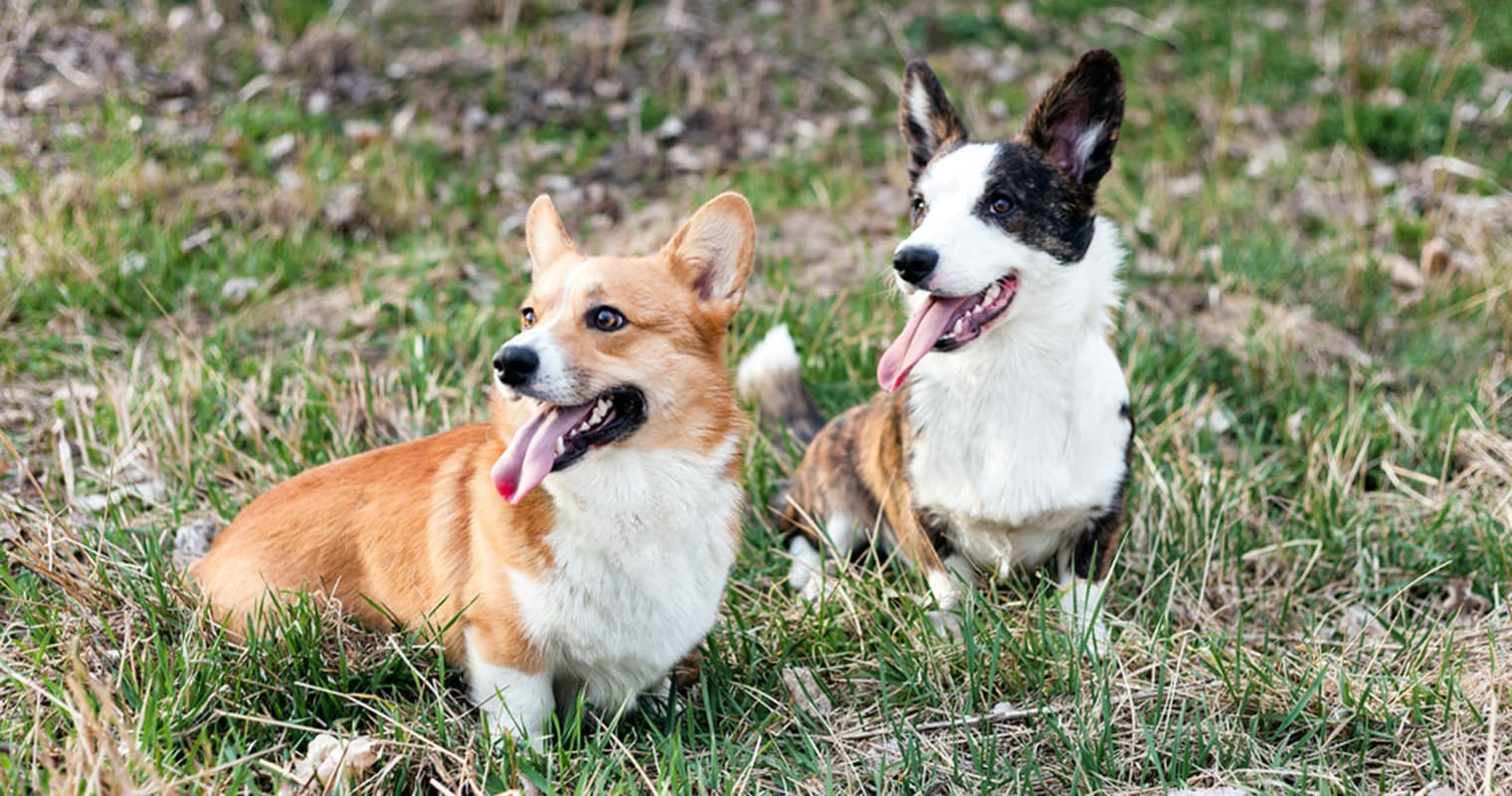
If you’re thinking about the British Royal Family’s dogs, you’re thinking of Pembroke Welsh Corgis. Queen Elizabeth II got her first Corgi in 1933. Influenced by popular culture, Pembrokes are the more popular of the two and are actually smaller than Cardigan Welsh Corgis. They have fox-like ears and short tails, while Cardigans have longer tails, rounded ears, and come in more color varieties.
Read on to learn the biggest differences between these two Corgi breeds.
kravtsov / Adobe Stock/ Cardigan Welsh Corgi
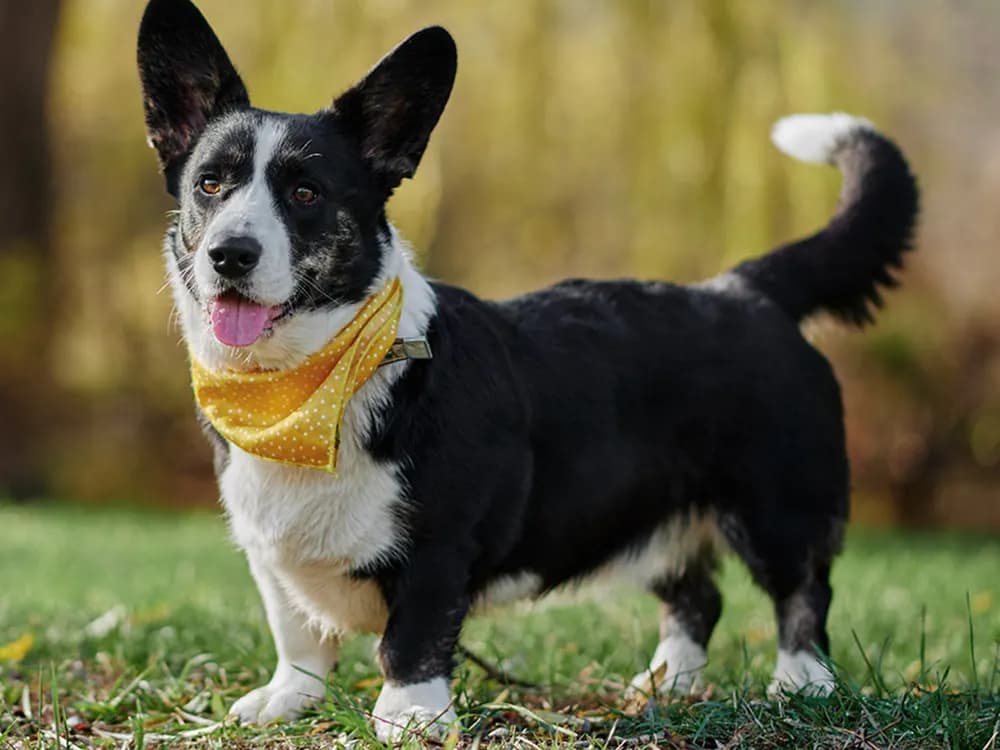
According to the American Kennel Club, Cardigan Welsh Corgis are among the oldest breeds in the British Isles and were brought to Wales about 1200 BC. The Cardigan’s original job was to go before cattle herds and clear the way of potential predators. Later, the dog began to act as a herder.
Pembroke Welsh Corgis arrived in Wales with the Vikings around 1000 AD. Pembrokes were originally barnyard dogs and would escort cows to graze, watch over them, and bring them back home.
In the 1850s, you could find Corgis on almost every farm in Wales. Cardigans were usually found in the northern region, while Pembrokes were found in the south. In 2006, the American Kennel Club officially recognized the full names of the two breeds as “Cardigan Welsh Corgi” and “Pembroke Welsh Corgi” rather than “Welsh Corgi (Cardigan)” and “Welsh Corgi (Pembroke).”

There’s a reason the Queen of England was a huge fan of Corgis. And their mixes are no less obsession-worthy.
Cardigan Welsh Corgis and Pembroke Welsh Corgis look a lot alike, but there are some key differences between the two breeds.
Size and build: Pembrokes are smaller than Cardigans, with male Pembrokes coming in around 30 pounds. Meanwhile, the Cardigan — the bigger of the two — is roughly eight pounds heavier.
Height: Cardigan Welsh Corgis are 10 to 13 inches tall, while Pembroke Welsh Corgis are 10 to 12 inches tall.
Ear shape: Pembroke Welsh Corgis have firm, medium-sized ears tapered slightly to a rounded point. Cardigan Welsh Corgi ears are larger, rounder, and lower set on the head.
Tail: Some Pembrokes are born with short tails. Others have their tails docked as short as possible, while Cardigans keep their long tails.
Head shape: Pembrokes have “fox-like” heads with erect, proportional ears. Their head shape is like an equilateral triangle. The Cardigan head is more of a wedge, with the muzzle being the smaller angle of the wedge.
Coat colors: Pembroke Welsh Corgis can have coats in sable, red, and tricolor. Cardigan Welsh Corgis can have coats in brindle, black and white with tan or brindle, red and sable with white, or blue merle.
Thirdman / Pexels
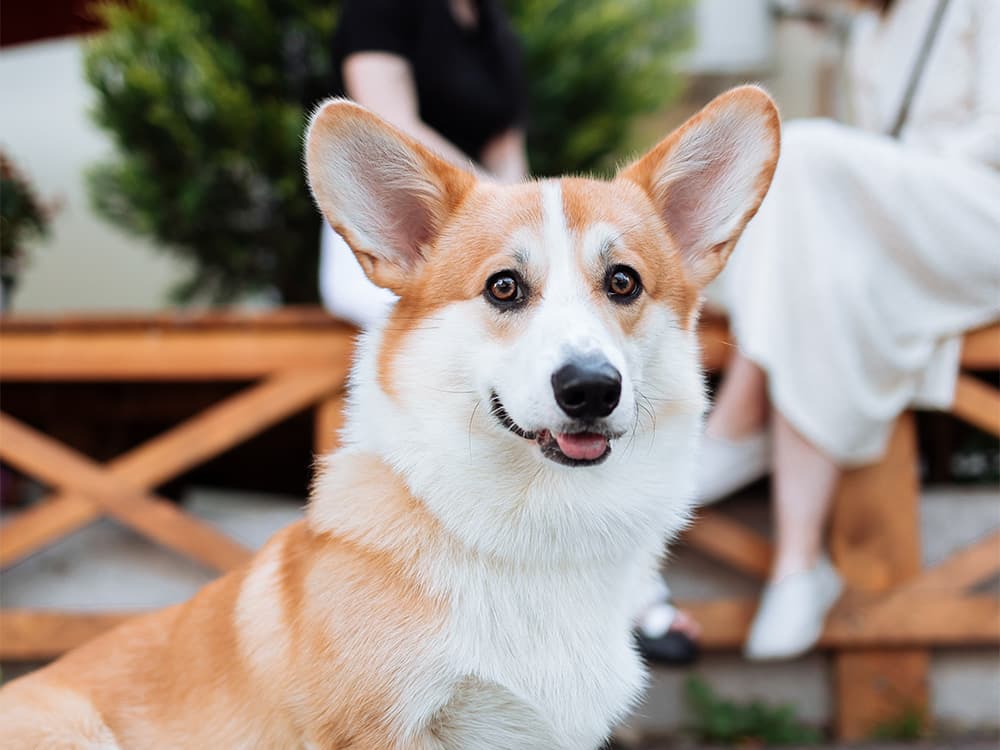
Pembroke Welsh Corgis are some of the friendliest small- to medium-sized dogs, with strong, athletic bodies and plenty of energy. They are affectionate but not needy, and they enjoy playing with their human families. As a herding dog, they need a walk every day, and they are surprisingly quick and agile. Pembroke Welsh Corgis want to be part of a family, and do not do well when left alone in kennels.
Affection level: Pembroke Welsh Corgis are extremely affectionate.
Good with other dogs: Pembrokes are extremely good with other dogs.
Good with young children: Pembrokes are fairly good with young children.
Cardigan Welsh Corgis are quite family-oriented, intelligent, and eager to please. When well-socialized, they do well with both children and other dogs, but they can be more reserved and laid back than Pembrokes. As a herding dog, they need a walk every day. They are high-energy dogs who like to have something to do, and have a tendency to herd others.
Affection level: Cardigans are slightly less affectionate than Pembrokes.
Good with other dogs: Cardigans are fairly good with other dogs.
Good with young children: Cardigans are extremely good with children.
Nadezhda Zaitceva / Adobe Stock
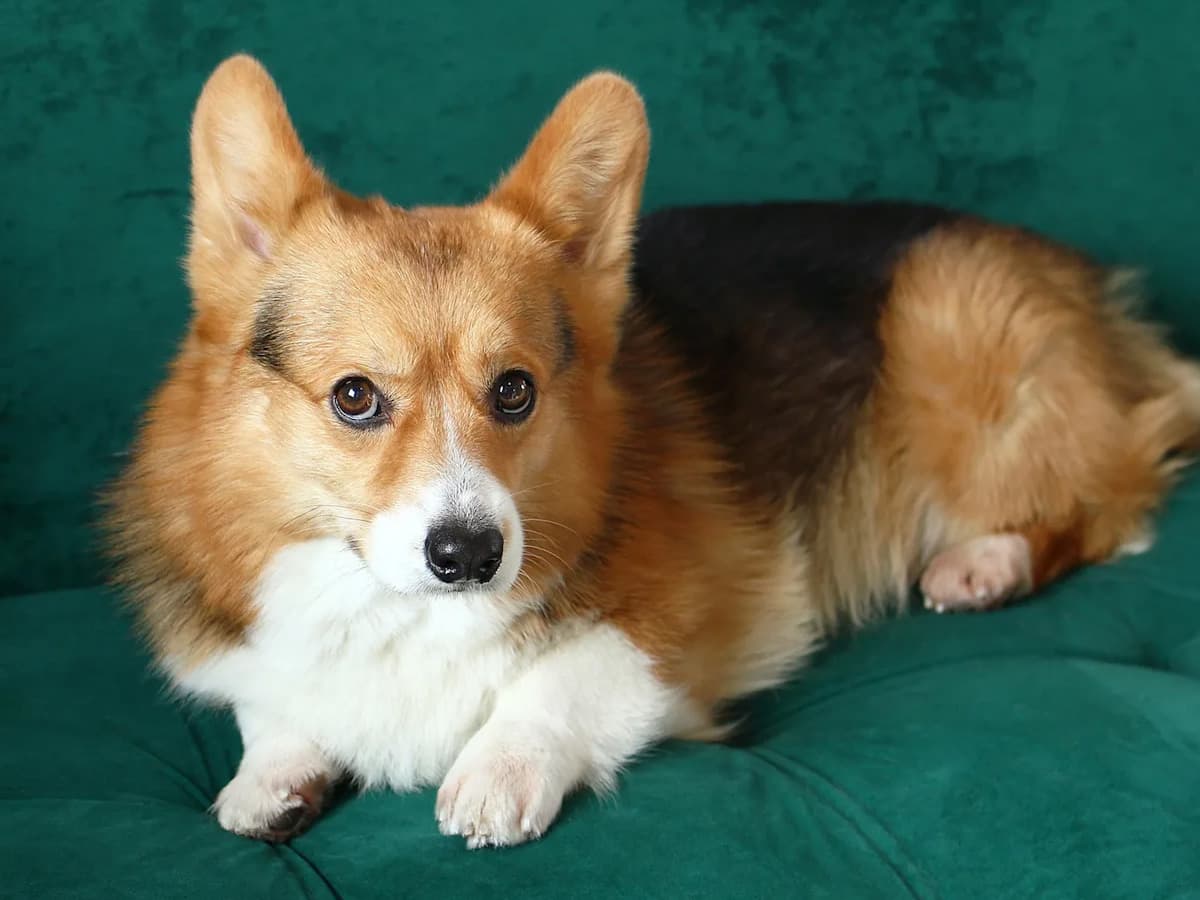
A healthy Pembroke Welsh Corgi will have a lifespan of 12 or 13 years, while a Cardigan Welsh Corgi can live to be about 16 or 17 years old. As with many breeds, Corgis are prone to certain health issues. With routine care, diet, and exercise, your Corgi should live a long life.
Both Cardigans and Pembrokes are prone to hip dysplasia, which is usually more common in large-breed dogs. This hereditary condition causes the hip joint to loosen, which can cause pain and arthritis. Pembroke Welsh Corgis can also get elbow dysplasia. Both conditions can be managed with anti-inflammatory medications, supplements, or surgery.
Both Pembroke and Cardigan Welsh Corgis are prone to becoming overweight, so it’s important to feed them high-quality food and keep an eye on their intake.
Both Cardigans and Pembrokes have long backs, which means they can develop degenerative myelopathy, a slow destruction of the nerves in the spinal cord. This leads to gradual limb paralysis and is usually only seen in elderly Corgis. Dogs are usually eight years or older when symptoms start, and a DNA test can diagnose the condition.
Cardigan Welsh Corgis predisposed to spinal issues could also get intervertebral disc disease, a neurological condition affecting the discs of the spine. It can cause pain, nerve damage, and mobility problems if not caught early.
Cardigan Welsh Corgis could develop progressive retinal atrophy, which causes vision loss. In the initial stages, the dog will develop night blindness and may ultimately lose their vision completely. Pembroke Welsh Corgis can develop cataracts, which cause cloudy eyes and interfere with vision.
Pembroke Welsh Corgis can have something called patent ductus arteriosus, a congenital heart condition that occurs when the blood vessel connecting the aorta and pulmonary artery doesn’t close after a puppy’s birth. Many puppies don’t show symptoms beyond a heart murmur, but may end up with symptoms such as coughing, trouble breathing, blue foot pads, lethargy, and collapse.
Pembrokes can also get an inherited bleeding disorder called Von Willebrand disease. The most common signs are bleeding gums, nosebleeds, and excessive bruising.
Cardigans are harder to find because they’re less popular, and they’re also an older breed than Pembrokes.
Both Corgi breeds are friendly, but Pembrokes are known to be more affectionate, with a never-met-a-stranger attitude.
AKC Staff, et al. “Pembroke Welsh Corgi History: Centuries-Old Cattle Herder to Family Pet.” American Kennel Club, 14 Dec. 2021, www.akc.org/expert-advice/dog-breeds/pembroke-welsh-corgi-history.
American Kennel Club. “American Kennel Club.” American Kennel Club, 6 Nov. 2017, www.akc.org/dog-breeds/pembroke-welsh-corgi.
“Canine Hip Dysplasia (CHD).” Cornell University College of Veterinary Medicine, 2025, www.vet.cornell.edu/departments-centers-and-institutes/riney-canine-health-center/canine-health-topics/canine-hip-dysplasia-chd.
“Cardigan Welsh Corgi Dog Breed Information.” American Kennel Club, www.akc.org/dog-breeds/cardigan-welsh-corgi.
“Common Canine Eye Disorders - Croney Research Group - Canine Welfare Science.” Canine Welfare Science, 21 Apr. 2025, caninewelfare.centers.purdue.edu/resource/common-canine-eye-disorders.
Gibeault, Stephanie, et al. “The Cardigan Welsh Corgi vs. the Pembroke Welsh Corgi.” American Kennel Club, www.akc.org/expert-advice/lifestyle/cardigan-welsh-corgi-pembroke-welsh-corgi.
“History – Cardigan Welsh Corgi Club of America.” Cardigancorgis.com, 2019, cardigancorgis.com/cwcca/breed/history.
Vasquez, Erica. “Cardigan Welsh Corgi.” Petmd.com, PetMD, 20 Oct. 2023, www.petmd.com/dog/breeds/cardigan-welsh-corgi.

Dahlia Ghabour is a Louisville, Kentucky-based freelance writer with award-winning work featured in newspapers such as the Louisville Courier-Journal and the Jacksonville Business Journal, both online and in print. Dahlia has two gray cats, a love of wildlife and zoo conservation, and a deep desire to one day pet a cheetah.

Behavior & Training

Breed Info

Breed Info

Breed Info
Friendly, playful, and brimming with personality, this pup loves company and knows how to make people smile.
Breed Info
Are you thinking of adopting a dog that is easy to care for? Here is what it takes to keep them happy and healthy.

Breed Info
If you’re a big fan of Labradors, here are some other similar breeds who may win your heart, too.

Breed Info
From Border Collies to Golden Retrievers, we’ll point you toward the breeds who excel in obedience.

Breed Info
Thinking about adopting a furry bestie? Find out why these mixes make the best pets.

Breed Info
Sure, their color patterns are unmistakably gorgeous, but this can also lead to health issues in some cases.