These Are the Happiest-Looking Dog Breeds, According to Science
Science says some dogs are basically born happy. We’re breaking down which breeds bring the most tail-wagging energy — and how to keep them that way.
Science says some dogs are basically born happy. We’re breaking down which breeds bring the most tail-wagging energy — and how to keep them that way.
by Petrana Radulovic, | August 5, 2026
Mary Swift / Adobe Stock
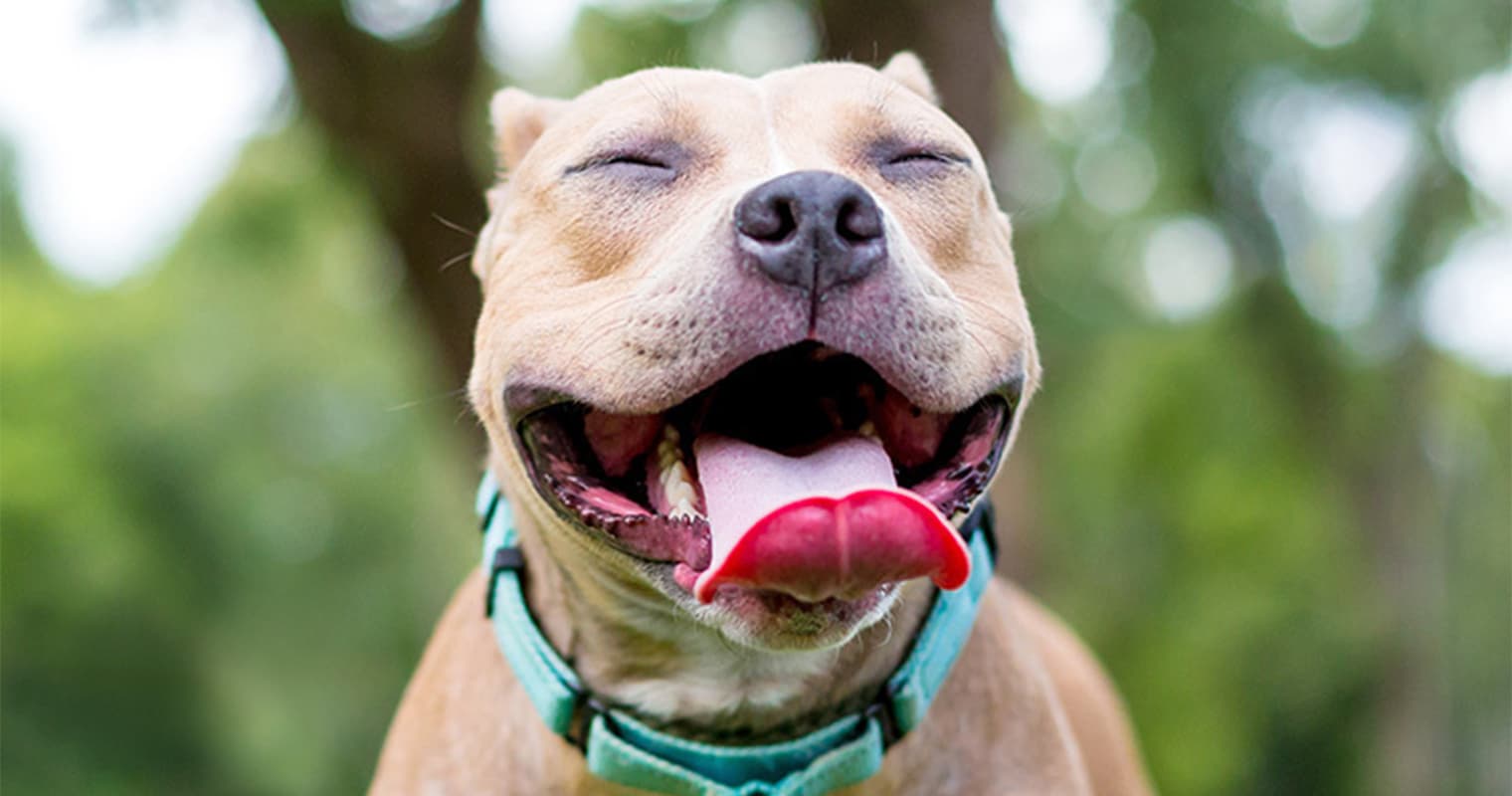
Ever notice how some dogs seem to be having the best day of their lives — every single day? It’s not just you projecting. Some breeds really do come wired for joy, from their perpetually wagging tails to that permanent, goofy grin. Turns out there’s real science (and some breed history) behind why certain dogs radiate happiness more than others. Let’s get into it.
A lot of it comes down to physical cues we naturally read as joy. That smiling, wide-open, relaxed mouth paired with a lolling tongue reads as pure contentment to us, even if the dog is just cooling off. Add in soft, expressive eyes and a loose, wiggly body and you’ve got a dog who looks like they’re having the time of their life. Some breeds are just built with more of these features on display by nature.
Your dog’s and cat’s needs will evolve over time. So consider October’s National Pet Wellness Month a wonderful excuse to reassess those needs.
A new study published in Behavior analyzed the facial expressions of 210 dogs to determine which breeds are the happiest-looking and which have a bad case of RBF (Resting, Er, Female-Dog Face). Researchers examined 925 different facial expressions across 29 different breeds while dogs were relaxed, playful, and panting with their mouths open.
The research team, led by Dr. Veronica Maglieri, specifically watched for how the different breeds expressed their “play face” — aka that open-mouthed, smiley expression that dogs make when they’re feeling playful. They cataloged the movement of facial muscles across the breeds.
“We found breeds like the Poodle and German Shepherd have a much more exaggerated, full version of the play face, whereas breeds like the Beagle have a very subtle, minimal version,” Dr. Maglieri explained in a statement. In addition to Poodles and German Shepherds, Dr. Maglieri found that Basset Hounds, Rottweilers, and Pit Bulls were the most expressive — when they made their play faces, they almost looked like they were laughing. The highly expressive breeds used more facial muscles and tended to have more exaggerated expressions.
David Rothschild / Stocksy
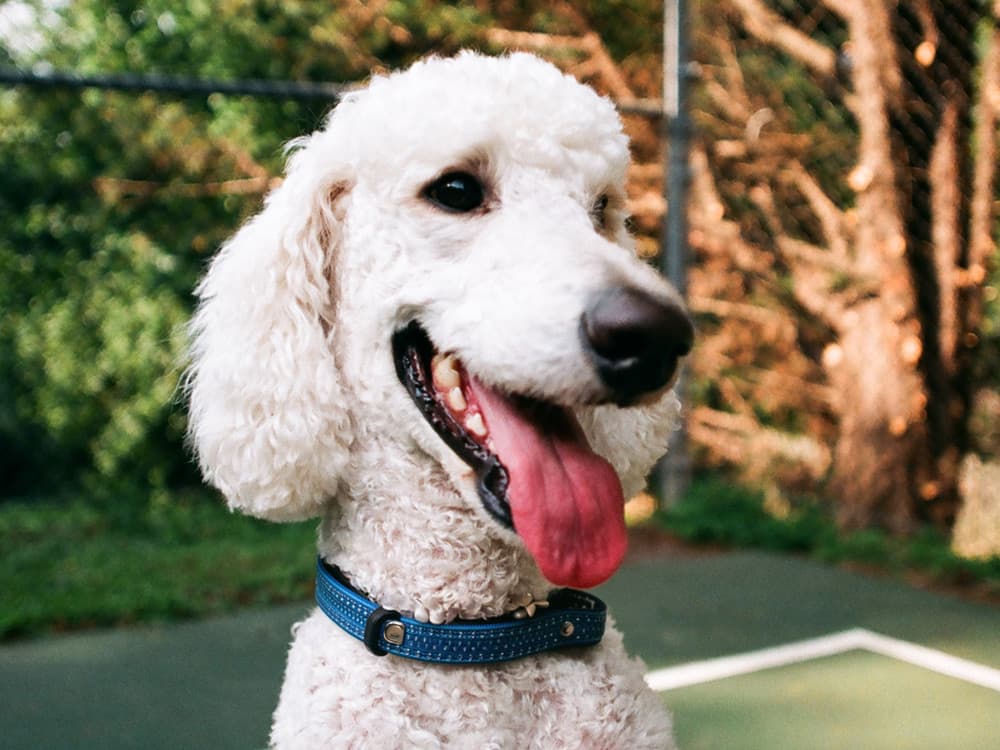
Poodles are whip-smart and endlessly expressive, with alert eyes and a bouncy, confident gait that practically radiates enthusiasm. Their curly coat can frame the face in a way that makes their expressions look extra animated.
Samantha Gehrmann / Stocksy
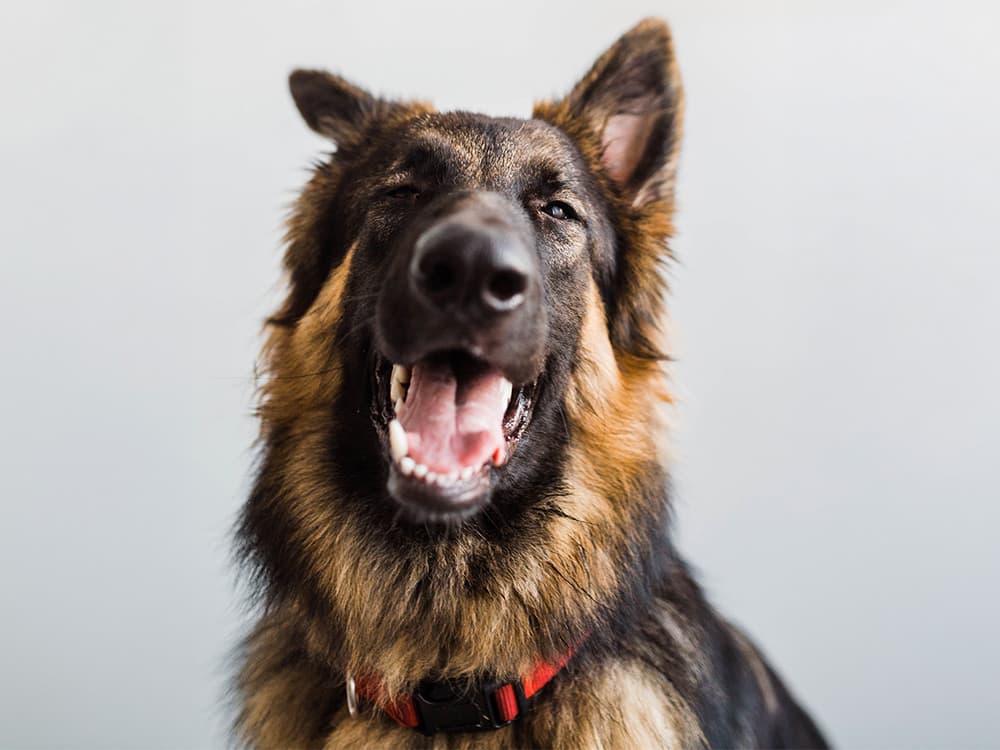
German Shepherds have an intense, focused gaze paired with an open-mouth pant that can look like a full-on grin when they’re relaxed and having fun. Their expressive ears, when perked, tilted, and swiveling, add a whole extra layer of personality to their face.
Kirsten Hignett / iStock
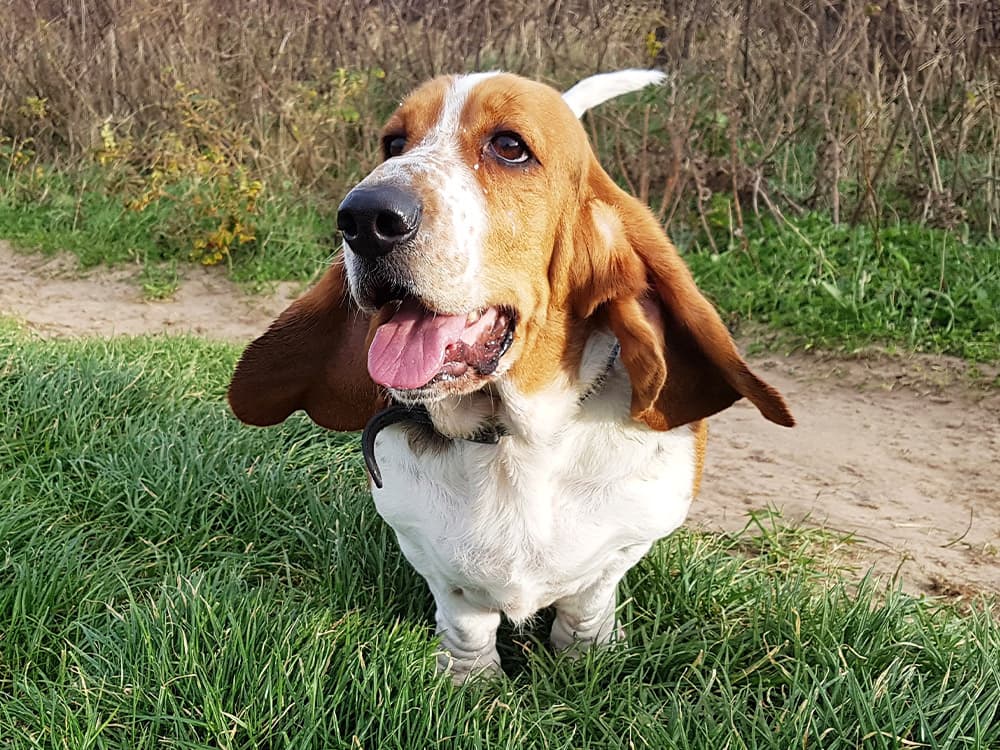
Basset Hounds have those signature droopy eyes and jowls, so their version of happy looks a little different but when they’re content, their whole low-slung body relaxes, ears drape, and tail gives a slow, satisfied wag.
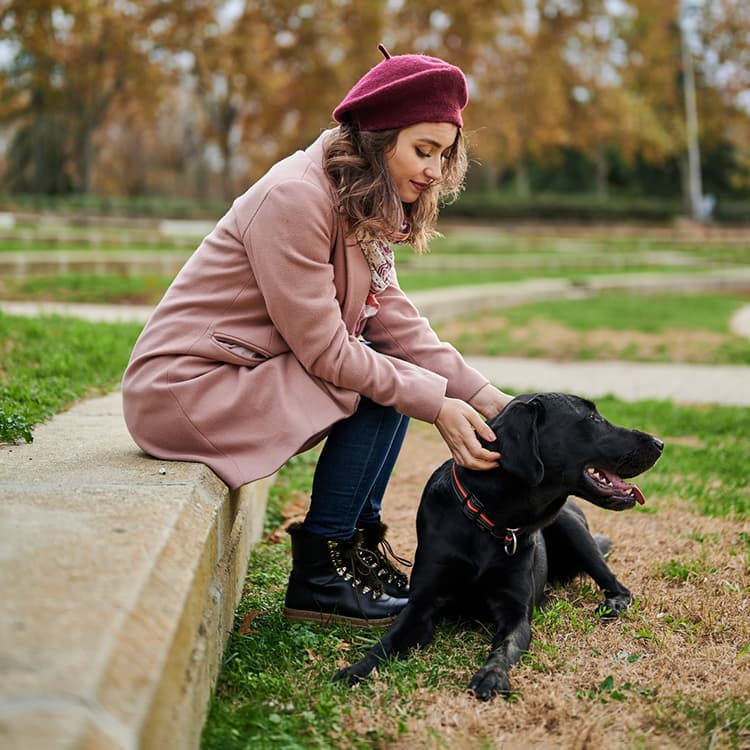
Mary Swift / Adobe Stock
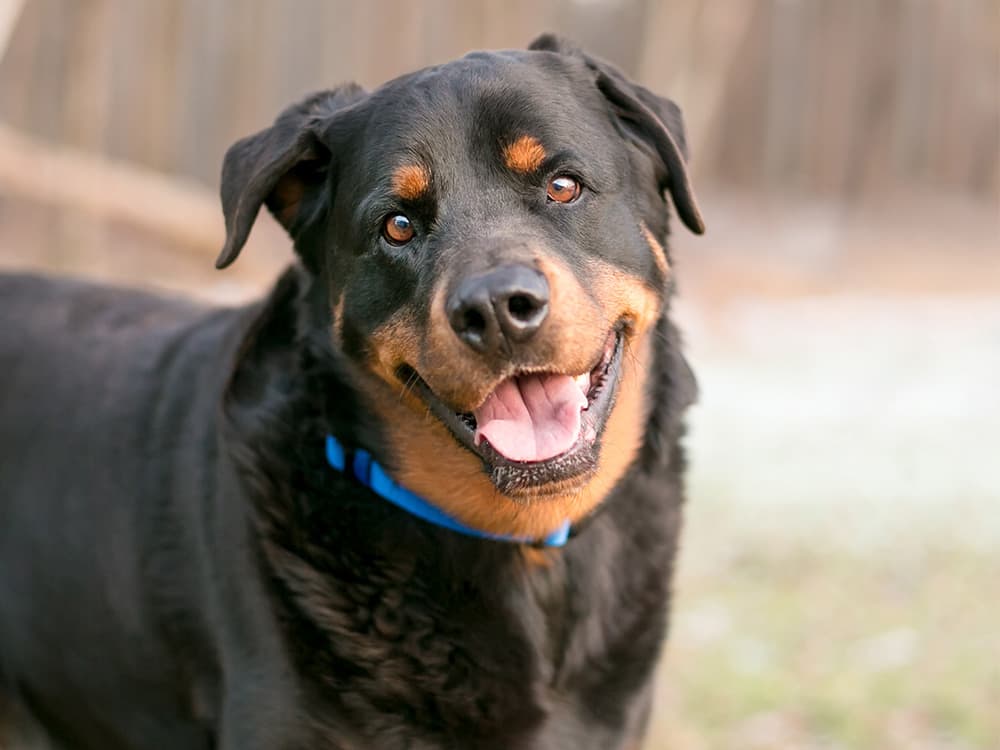
Rottweilers have a strong, blocky face that can look serious at rest, but when they’re happy, their whole expression softens with a wide open mouth, eyes bright, and tail wagging their entire back end along with it.
sprewett / iStock
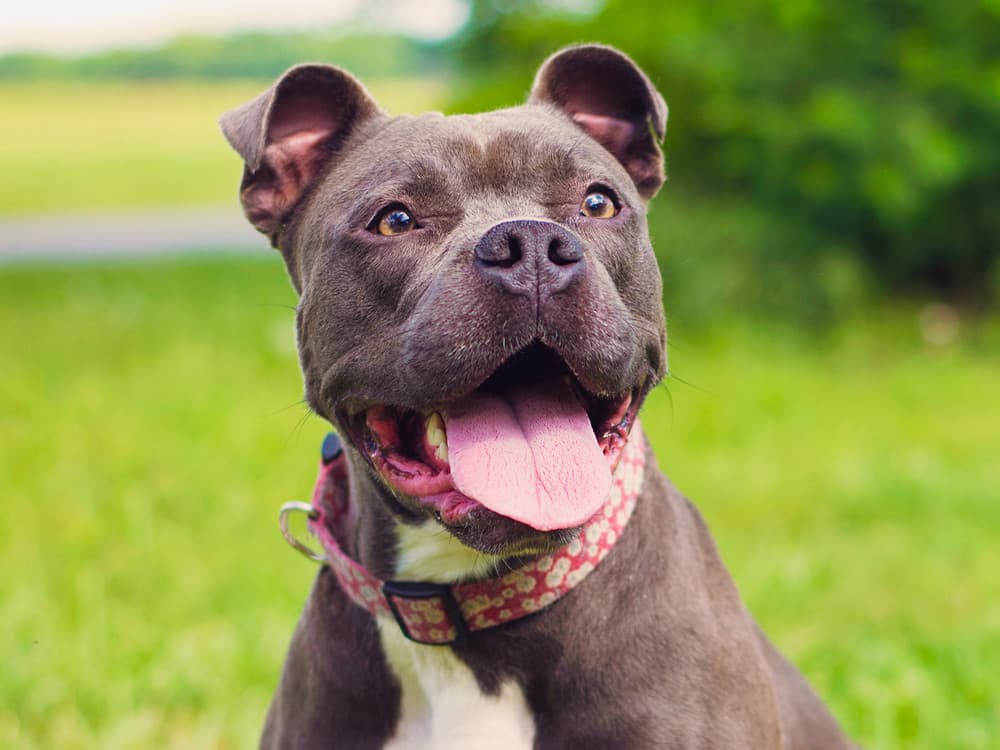
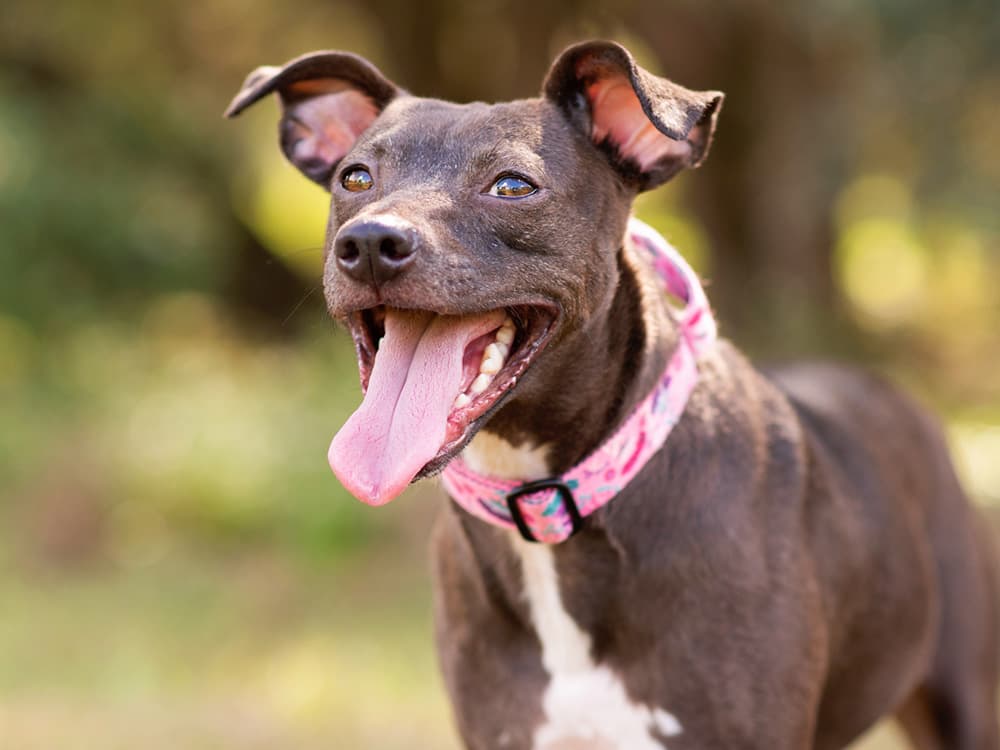
American Pit Bull Terriers and Staffordshire Terriers are famous for their wide, ear-to-ear grin and their whole body tends to wiggle with excitement when they’re happy. Big smile, soft eyes, and a tail going a mile a minute pretty much sums up their default mood.
Tatyana Consaul / iStock
The studies didn’t crown mixed breeds as the happiest, but we’re pretty sure that’s an oversight — especially because Poodles, German Shepherds, Rottweilers, and Pit Bulls are some of the most common breeds showing up in shelters and rescues, meaning plenty of mixed-breed dogs carry that same happy-dog DNA.
Genetics and breed traits only go so far — the rest comes down to what you do day to day. Here’s how to help your dog show off their happiest self, no matter what breed they are.
Meeting physical and mental stimulation needs: A tired-out body and a challenged brain go a long way toward a genuinely content dog.
Positive reinforcement and social bonding: Rewarding good behavior instead of punishing bad behavior builds trust and happiness.
Playdates with a doggie BFF: Regular hangs with a pal they vibe with can be just as important for their mood as exercise or treats.
Routine and predictability: Dogs feel safest — and happiest — when they know what to expect. A consistent schedule goes a long way.
Quality one-on-one time: Even just fifteen minutes of undistracted attention, no phone in hand, can make a big difference in how connected — and happy — they feel.
Sniffing time on walks: Letting them stop and sniff to their heart’s content isn’t just a nice-to-have — it’s mental stimulation that tires them out as much as the walk itself.
Getting them a sibling: Some dogs light up with a fellow canine roommate (though it really depends on their personality).
There are tons of pets sitting in shelters and rescues, all ready to kick off their next chapter with someone who gets them. No matter what you’re looking for, there’s a pet out there who’s the perfect fit, just waiting for the chance to meet you.
Start your search on Adopt a Pet, where you can filter pets by age, color, breed, and more.
The least expressive dog breeds included Beagles, Shih Tzus, Newfoundlands, Bull Terriers, and Akitas.
The play face — also known as the Relaxed Open Mouth (or ROM) — isn’t just unique to domesticated dogs. In fact, it appears in many different carnivores, including wolves. It’s an evolutionary signal designed to indicate to other animals that they’re not being aggressive. It’s how, for example, dogs in the park convey that they’re just being playful and not actually looking for a fight.
The play face allows dogs to communicate with each other and with their humans, and it’s a useful tool for conveying intent. But if your Beagle or Newfoundland pup looks perpetually melancholy, don’t worry. Just because they don’t look as goofy and cheerful as a smiley Poodle doesn’t mean they’re any less happy.
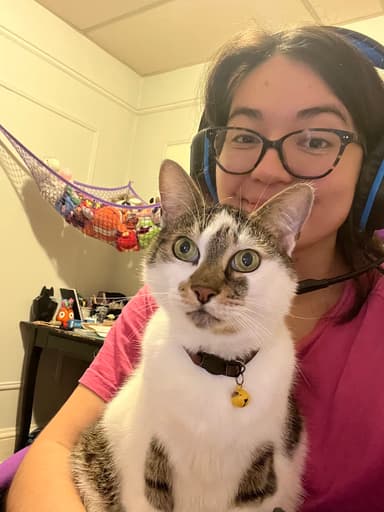
Petrana Radulovic is a New York City-based writer who focuses on entertainment and culture beats. In her free time, she writes fiction, sings karaoke, and tries new recipes. Her work has appeared in Polygon, IGN, Reactor, and more. She lives with a very affectionate cat named Bagel, who loves head kisses and meeting people at parties. He is smart enough to open cabinets but still too dumb to understand stairs.
Lifestyle
Behavior & Training
Lifestyle
Behavior & Training
Managing expectations about your dog’s behavior makes for a good relationship
Behavior & Training
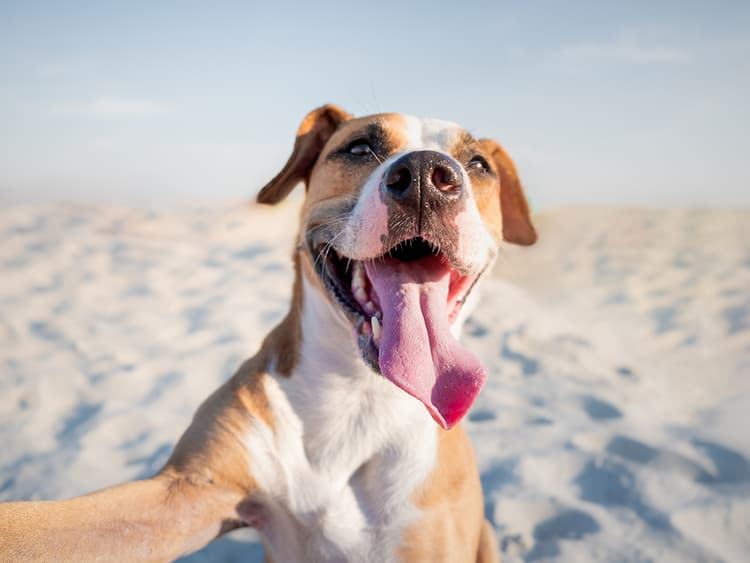
There’s a big difference between a dog smiling and showing their teeth.
Behavior & Training
It’s normal to worry—but your pup might need some space.