15 Longest Living Dog Breeds That Stay Young at Heart
Even though smaller dogs live longer, big dogs can still pack a healthy punch.
Even though smaller dogs live longer, big dogs can still pack a healthy punch.
by Jackie Brown, | May 29, 2025

Duet Postscriptum / Stocksy
If you’re wondering which are the healthiest dog breeds, you’re not alone. In general, smaller dogs have longer lifespans (opens in a new tab), and the bigger the dog, the shorter the lifespan. Overall health also affects how long a dog will live. Whether you’re looking for the healthiest small dog breeds (opens in a new tab), the healthiest large dog breeds (opens in a new tab), or a mix — read on to learn about the healthiest dog breeds.
Average life expectancy varies greatly among the different dog breeds and mixed breeds — there are plenty of healthy mixed-breed dogs waiting for their forever homes in shelters and rescues across the country.
Breeds with the shortest lifespans include giant breeds (opens in a new tab), such as the Dogue de Bordeaux (opens in a new tab) (five to eight years), Irish Wolfhound (opens in a new tab) (six to eight years), and Great Dane (opens in a new tab) (seven to 10 years).
Some pure breeds have higher incidences of certain types of cancer (opens in a new tab) and other diseases (opens in a new tab) which may shorten their lives compared to other dogs with fewer known health concerns.
The lifespan of any individual dog can vary depending on many factors, but the breeds listed below are typically healthy and live the longest among all breeds.

AllisonJ7 / Shutterstock
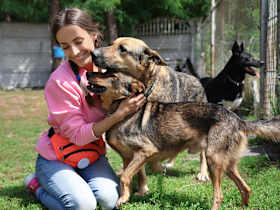
Known for their hybrid vigor (genetic diversity that leads to better overall health), mixed-breed dogs are some of the healthiest and longest-lived. When talking about hybrid vigor, it’s important to understand that the healthiest mixed dog breeds will generally be those “Heinz 57 (opens in a new tab)” type dogs with many different breeds in their makeup. Dogs with two purebred parents, such as Labradoodles (opens in a new tab), have less genetic diversity than dogs with many different breeds in their mix.
Group: Mixed
Height: 5 to 30 inches
Weight: 5 to 190 pounds
Lifespan: 10 to 20 years

Korneeva Kristina / Shutterstock
The Poodle is one breed with three size varieties: Standard (the largest), Miniature (the middle size), and Toy (the smallest). Lively, fun-loving and whip-smart, Miniature Poodles (opens in a new tab) are excellent dogs for seniors (opens in a new tab) and people of all ages, including families with gentle kids. The curly coat of this dog is semi-hypoallergenic (opens in a new tab) and does not shed, but it needs regular professional grooming. Miniature Poodles do have a few genetic health issues in the breed but are among the healthiest small-dog breeds.
Group: Non-Sporting
Weight: 10 to 15 pounds
Height: 10 to 15 inches
Lifespan: 10 to 18 years

manfredxy / Alamy Stock Photo
Despite its name, the Tibetan Terrier (opens in a new tab) is not a terrier. For centuries, they lived as watchdogs (opens in a new tab)and pets in Buddhist monasteries in the Himalayan mountains. When the breed was introduced to the West, people mistakenly used the word “Terrier” to describe them, but the Tibetan Terrier is more closely related to the Lhasa Apso (opens in a new tab). The Tibetan Terrier’s long, fine coat has a woolly undercoat. They are loving and devoted to their human family, but may be reserved with strangers. Very few health problems are known in the breed.
Group: Non-Sporting
Weight: 18 to 30 pounds
Height: 14 to 17 inches
Lifespan: 15 to 16 years

Tierfotoagentur / Alamy Stock Photo
If you’ve ever seen the film The Wizard of Oz, then you have met the Cairn Terrier (opens in a new tab) — Dorothy’s little dog Toto was played by a Cairn. The breed hails from the Scottish Highlands, where it was used for more than 200 years to hunt down foxes, rats, and other vermin hiding in piles of rocks called cairns. Today’s modern Cairn Terrier is still a fierce mouse-catcher. Friendly and active, the Cairn is very healthy and a wonderful family dog.
Group: Terrier
Weight: 12 to 15 pounds
Height: 9 to 10 inches
Lifespan: 13 to 15 years

Valeriia Harbuz / Pexels
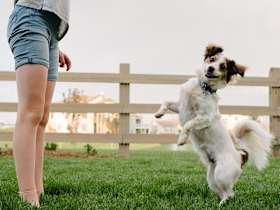
Feisty and full of energy, the Jack Russell Terrier (opens in a new tab) is a lot of dog. Don’t be fooled by their small size. This breed is notoriously challenging to live with. But with proper exercise and training, they are steadfast and entertaining companions for individuals and families with older kids. They are healthy and active well into their senior years.
Group: Terrier
Weight: 13 to 18 pounds
Height: 10 to 15 inches
Lifespan: 13 to 15 years

Felix Chacon / Stocksy
The pint-sized Yorkshire Terrier (opens in a new tab), affectionately known as the Yorkie, has enjoyed the pampered life as a beloved lap dog for hundreds of years. Although these very small terriers were initially used to hunt rats in coal mines, today’s Yorkie is more likely to enjoy the sweet life at home with their favorite human family members. The long, silky coat needs regular combing and professional grooming. The Yorkie is one of the healthiest small dog breeds. These tiny dogs do best with older children who can handle them gently.
Group: Toy
Weight: 6 to 8 pounds
Height: 7 to 8 inches
Lifespan: 11 to 15 years

Ruth Black / Stocksy
Like their cousin, the Tibetan Terrier (opens in a new tab), the Lhasa Apso (opens in a new tab) comes from Tibet. The breed was introduced to America after the Dalai Lama gifted some of these treasured dogs in the 1940s. Lhasas bond tightly with their human family, but they are aloof with strangers, and quick to sound the alarm if they hear newcomers approaching. The Lhasa’s long, silky coat needs regular brushing and professional grooming (opens in a new tab). They do best in families with older children, who can be gentle and treat them with respect. Although a few genetic conditions are found in the breed, Lhasas are generally healthy.
Group: Non-Sporting
Weight: 12 to 18 pounds
Height: 10 to 11 inches
Lifespan: 12 to 15 years

OlgaOvcharenko / Shutterstock
Who doesn’t recognize Lassie? Collies (opens in a new tab) live up to the legendary intelligence, love, and devotion depicted in the Lassie books and films. Collies are excellent family dogs (opens in a new tab), gentle with kids of all ages, and get along great with other pets. Collies come with long hair (rough Collies) and shorthair (smooth Collies). Rough-coated Collies require a lot of brushing and combing to keep their thick coats tangle-free, but smooth Collies are wash-and-wear. One of the healthiest medium (opens in a new tab)-to-large dog breeds, Collies can live well into their teens.
Group: Herding
Weight: 50 to 75 pounds
Height: 22 to 26 inches
Lifespan: 12 to 14 years

Mary H. Swift / Alamy Stock Photo
Think the Shetland Sheepdog (opens in a new tab) looks like a bred-down Collie (opens in a new tab)? Nope! The two breeds developed separately in Scotland, with the larger Collie found on the mainland and the smaller Sheltie found on the Shetland Islands (along with the Shetland pony). Their thick coat needs thorough brushing several times a week to prevent mats. Energetic and friendly, Shelties are perfect for active families who want to take their dog on long adventures. They are known barkers, so they might not be the best for apartment living. (opens in a new tab) Shelties are typically quite healthy and live long lives.
Group: Herding
Weight: 15 to 25 pounds
Height: 13 to 16 inches
Lifespan: 12 to 14 years

J Danielle Wehunt / Stocksy
Famous for being one of the smartest dog breeds (opens in a new tab), the Border Collie (opens in a new tab) is also one of the healthiest, with few genetic health concerns. Border Collies have endless energy. These determined working dogs (opens in a new tab) excel at their job: herding cattle, sheep, and other livestock on ranches and farms. Although Border Collies can also be pets, they need much more exercise and mental stimulation than other breeds to be happy. Border Collies are good family dogs but some might “herd” the kids, especially during rambunctious play.
Group: Herding
Weight: 30 to 55 pounds
Height: 18 to 22 inches
Lifespan: 12 to 15 years

Pearl Bucknall / Alamy Stock Phot
Springers are full of energy, but well-behaved at home as long as you provide enough exercise and training. Great family dogs (opens in a new tab) who get along well with kids (opens in a new tab) and other pets, Springers are happiest when they are with their humans. Although some genetic conditions are found in the breed, English Springer Spaniel (opens in a new tab)s are generally healthy and live into their teens.
Group: Sporting
Weight: 40 to 50 pounds
Height: 19 to 20 inches
Lifespan: 12 to 14 years
Browse adoptable English Springer Spaniels (opens in a new tab)

Alex Zotov / Shutterstock
The brawny Staffordshire Bull Terrier (opens in a new tab) looks tough as nails, but these dogs couldn’t be sweeter or more gentle. Staffies are excellent family dogs, known for their affinity for children (opens in a new tab). Staffies require early socialization and a lot of exercise to keep them at their best. Despite some genetic health issues in the breed, Staffies tend to be healthy and long-lived.
Group: Terrier
Weight: 24 to 38 pounds
Height: 14 to 16 inches
Lifespan: 12 to 14 years
Browse adoptable Staffordshire Bull Terriers (opens in a new tab)

Liudmila Bohush / Shutterstock
As the name suggests, Australian Cattle Dogs (opens in a new tab) come from the Land Down Under, where they are considered one of the best cattle herders known in the dog kingdom. Tireless, well-muscled, agile, and driven, Cattle Dogs move animals much larger than themselves with impressive ease. These hardy and healthy dogs, who are sometimes called the Red or Blue Heeler (opens in a new tab) (depending on color) or Queensland Heeler, are primarily working dogs, though they can be good pets with a dedicated pet parent who can provide enough outlets for their physical and mental energy.
Group: Herding
Weight: 35 to 50 pounds
Height: 17 to 20 inches
Lifespan: 12 to 16 years
Browse adoptable Australian Cattle Dogs (opens in a new tab)

Bianca Beltrán / Pexels
The Chihuahua (opens in a new tab) is one of the longest-living dog breeds, routinely aging into their mid-to-late teens. Although the breed has a few health issues, Chihuahuas are generally healthy. Chihuahuas are not recommended for households with young children (opens in a new tab), but they can live happily in families with older kids who can be careful around these tiny dogs. Thanks to a larger-than-life personality, Chihuahuas don’t know they’re small. Provide lots of early socialization (opens in a new tab) and make sure your Chihuahua spends more time on the ground than in your arms or purse or you might end up with a nervous, rather than a confident, pup.
Group: Toy
Weight: 6 pounds or less
Height: 5 to 8 inches
Lifespan: 14 to 16 years

Tierfotoagentur / Alamy Stock Photo
Many people think the Australian Shepherd (opens in a new tab) is native to Australia, but despite the name, this breed is American through and through. This herding dog was developed on U.S. cattle ranches. Healthy and fit, the Australian Shepherd has few genetic health issues. Aussies can be working dogs or pets, but they do best with active families (opens in a new tab) that can provide appropriate outlets for their energy and intelligence. Friendly and eager to please, Aussies love kids and get along great with other pets.
Group: Herding
Weight: 40 to 65 pounds
Height: 18 to 23 inches
Lifespan: 12 to 15 years
No matter what breed or mix your dog is, there are some steps you can take to make sure they stay as healthy as possible. Bring your dog to the veterinarian for checkups at least once a year so they can monitor your dog’s health and notice and treat any problems early. Consider the following tips to keep your dog in the best shape possible.
Diet: Feed your dog a high-quality diet (opens in a new tab) appropriate for their life stage (puppy, adult, or senior). Read the ingredients list to find a food that features real meat and other healthy ingredients. If you’re not sure what to feed them, talk to your vet for advice.
Exercise: All dogs benefit from daily walks, but some dogs with a lot of energy need more exercise. Providing enough physical and mental exercise (opens in a new tab) for your dog keeps them in shape and can help them stay healthy overall.
Weight: Dogs who maintain a lean body weight tend to be healthier (opens in a new tab) and live longer than dogs who are overweight. Keep your dog at a healthy weight by feeding measured meals, avoiding excess treats, and exercising them daily. Ask your vet what your dog’s ideal weight should be, and weigh them at their checkups to make sure you’re on track.
Companionship: Research shows dogs (opens in a new tab) with buddies tend to live longer. If your dog likes the company of other dogs, consider adopting another friend, especially if you work long hours away from home.
No, purebred dogs are not healthier (opens in a new tab) — mixed-breed dogs who have many different breeds in their makeup can be some of the healthiest and longest-lived dogs. Most purebreds have certain genetic health issues known in the breed. Responsible breeders can test for some of these to avoid passing them on to puppies.
Scientists are still researching why small dogs live longer than larger dogs. Some scientists (opens in a new tab) believe it’s because of hormones; other researchers theorize (opens in a new tab) that large dogs don’t age faster than small dogs (opens in a new tab) but have a higher incidence of cancer. It’s complicated.
Best in Health: Purebred or Mixed-Breed? (opens in a new tab)
Most Dog Breeds Highly Inbred (opens in a new tab)
Can Dogs Live Longer? (opens in a new tab)
A Dog’s Color Could Impact Longevity, Increase Health Problems (opens in a new tab)
Pedigree Dog’s Health Problems (opens in a new tab)
Dog Lifespans and the Evolution of Aging (opens in a new tab)

Jackie Brown lives in sunny Orange County, CA, where she works as a freelance writer and editor. When she’s not on deadline, you can find her paddling her outrigger canoe in the Pacific Ocean or hiking in the foothills with her miniature poodle and two young boys.

Shelters & Rescue
Shelters & Rescue

Shelters & Rescue
Adoption Advice
Learn the many benefits of adopting a dog from a shelter or rescue, and why giving a dog a second chance at a home is truly rewarding.

Adoption Advice
Deliberating between the two? One is more affordable, comes with fewer health issues, and saves a life.

Adoption Advice
Wondering what to expect from your puppy’s first vet visit? Read more to learn about how to prepare and what to expect.

Breed Info
Meet the bully breeds who will melt your heart.

Shelters & Rescue
Sometimes life happens, and you need a temporary home for your pet while you get back on your feet. Here’s what to do.

Adoption Advice
Experts shed light on what life’s like with a three-legged dog. Spoiler alert: They’re pretty awesome.