The 12 Most Expensive Dog Breeds (And Why You Should Adopt vs. Buy)
Buying from a breeder can cost a fortune. Here’s what drives those prices up, and why adoption is worth exploring.
Buying from a breeder can cost a fortune. Here’s what drives those prices up, and why adoption is worth exploring.
by Katie Koschalk, | May 5, 2025

WildStrawberry / Shutterstock
Buying a dog from a breeder comes with a steep price. Factors such as rarity, pedigree, demand, and breeding costs can push prices into the thousands. But does a hefty price tag really make a dog more special? The truth is, you don’t need to spend a fortune to bring home an amazing dog.
According to the ASPCA, around three million shelter dogs (opens in a new tab) are waiting to be adopted in the United States. Adoption fees usually range from just $50 to $500 (opens in a new tab) — a fraction of what breeders charge. And if you have your heart set on a specific breed, you might be surprised how often they show up in shelters, rescues, or through private rehoming (opens in a new tab).
In this article, we’ll break down just how pricey it can be to buy a dog from a breeder and why adoption is the more affordable (and compassionate) choice.
A few key factors help explain why some dog breeds are so expensive to purchase from breeders.
Rarity and limited availability: Breeds who are difficult to find or have small breeding populations tend to cost more due to scarcity.
Purebred lineage and pedigree: Dogs with documented bloodlines, especially those descended from show champions, often come at a premium.
High breeding and care costs: Breeders often seek steep reimbursements for the costs of health screenings, premium food, and veterinary care incurred as they raise a puppy.
Unique physical traits and temperaments: Breeds with distinctive features or desirable personalities, such as a plush coat or gentle demeanor, may be more expensive.
Strong demand and cultural significance: Popularity driven by trends, media appearances, or national pride can drive prices up for certain breeds.
The prices below reflect the typical costs of buying a dog from a breeder. However, many of these breeds (or their mixes) can be found in shelters, rescues, or private rehoming for a fraction of the cost.

Tierfotoagentur / Alamy Stock Photo
Price: $1,500 to $10,000 (opens in a new tab)
The Tibetan Mastiff (opens in a new tab) is one of the most expensive dog breeds due to their rarity, massive size, and status-symbol appeal. Breeding and caring for these strong-willed dogs takes space, expertise, and significant resources, which add to their high purchase prices.
Search for adoptable Tibetan Mastiffs and mixes (opens in a new tab).

Price: $1,400 to $8,000 (opens in a new tab)
French Bulldogs (opens in a new tab) are currently the most popular dog breed in the U.S. (opens in a new tab) Their steep price tags are fueled by high demand and complex breeding requirements. Many need artificial insemination and C-sections due to their physical build, making them costly to produce.
Search for adoptable French Bulldogs and mixes (opens in a new tab).
Victoria Rak / Shutterstock
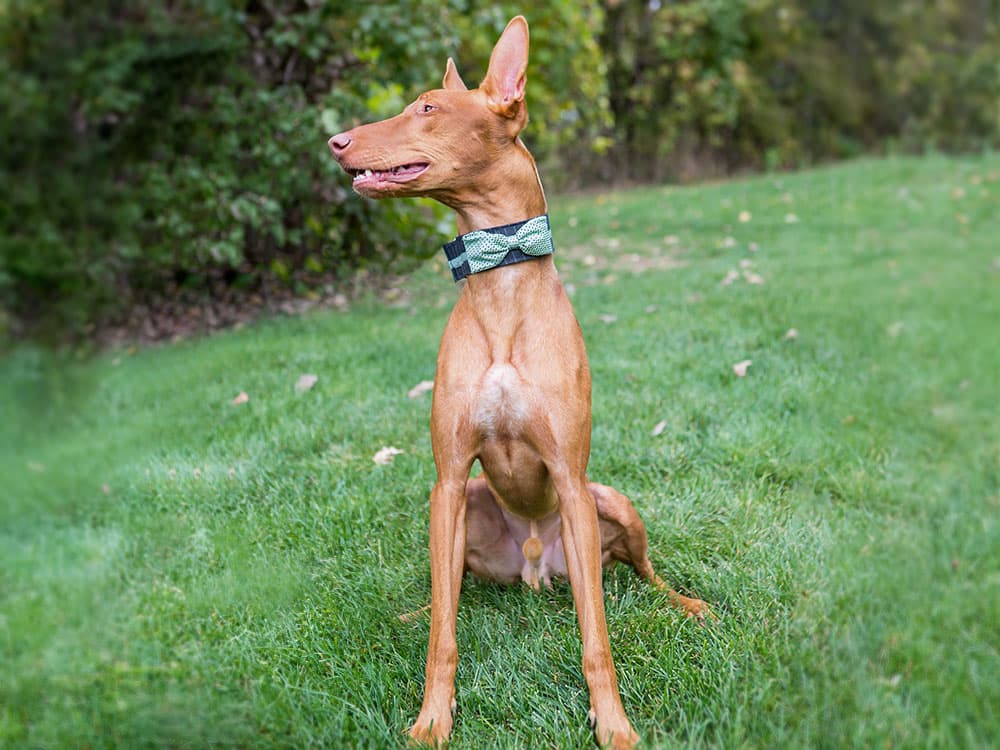
Price: $2,000 to $6,500 (opens in a new tab)
With their sleek build, amber eyes, and ancient heritage, Pharaoh Hounds (opens in a new tab) are striking and athletic. Their high prices are tied to their limited global population and the care required to preserve this historic breed.
Search for adoptable Pharaoh Hounds and mixes (opens in a new tab).

Frank11 / Shutterstock
Price: $2,000 to $6,000 (opens in a new tab)
Lively and intelligent, these water-loving dogs are highly trainable and well-suited for active families. The high price of a Portuguese Water Dog (opens in a new tab) reflects a small breeding population and the cost of maintaining the breed’s distinct traits and temperament.
Search for adoptable Portuguese Water Dogs and mixes (opens in a new tab).

kkgas / Stocksy
Price: $1,500 to $4,000 (opens in a new tab)
These stocky, lovable companions come with high price tags due to their popularity and breeding challenges. Because of their unique anatomy, English Bulldogs (opens in a new tab) often require artificial insemination and C-sections, driving up the cost.
Search for adoptable English Bulldogs and mixes (opens in a new tab).

encierro / AdobeStock
Price: $1,000 to $4,000 (opens in a new tab)
Powerful and loyal, the Dogo Argentino (opens in a new tab) was originally bred for big-game hunting. Their high prices reflect their rarity, large size, and selective breeding practices.
Search for adoptable Dogo Argentinos and mixes (opens in a new tab).
Christopher Tomlinson / Alamy Stock Photo
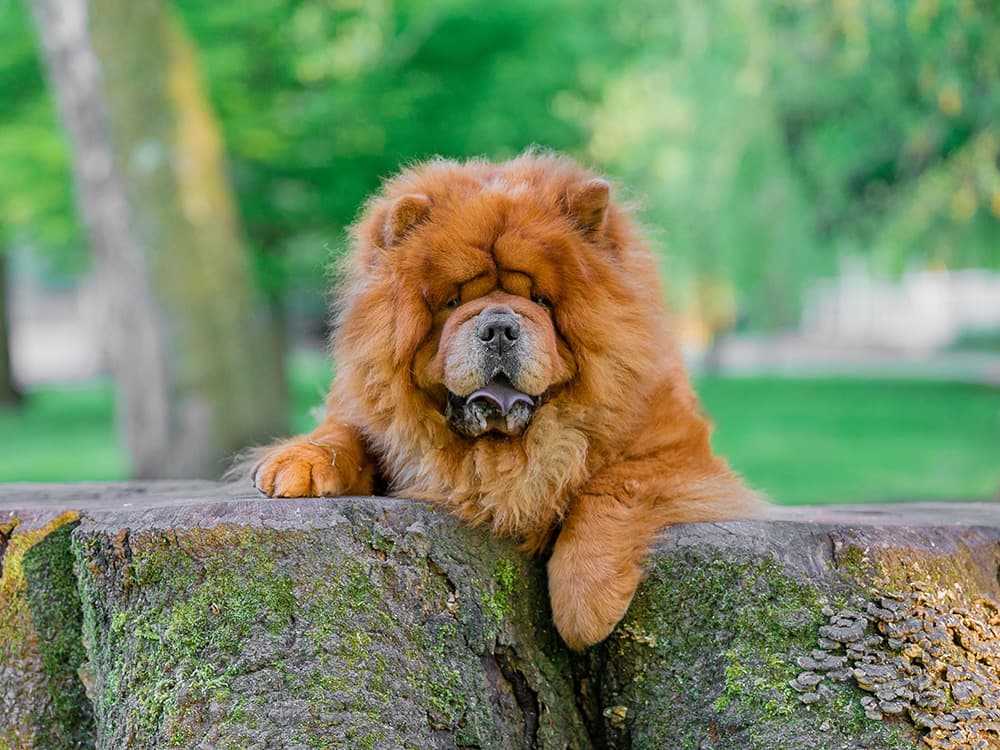
Price: $1,000 to $4,000 (opens in a new tab)
With their lion-like ruff and aloof, dignified demeanor, Chow Chows (opens in a new tab) are one of the oldest dog breeds. Their prices are driven by a limited breeding pool, large size, and high maintenance needs.
Search for adoptable Chow Chows and mixes (opens in a new tab).

Alex Master / AdobeStock
Price: $1,800 to $3,500 (opens in a new tab)
Sweet, affectionate, and elegant, Cavalier King Charles Spaniels (opens in a new tab) are beloved lapdogs (opens in a new tab). Their popularity, combined with genetic health screening needs, makes them one of the pricier small breeds.
Search for adoptable Cavaliers and mixes (opens in a new tab).
Gillian Vann / Stocksy
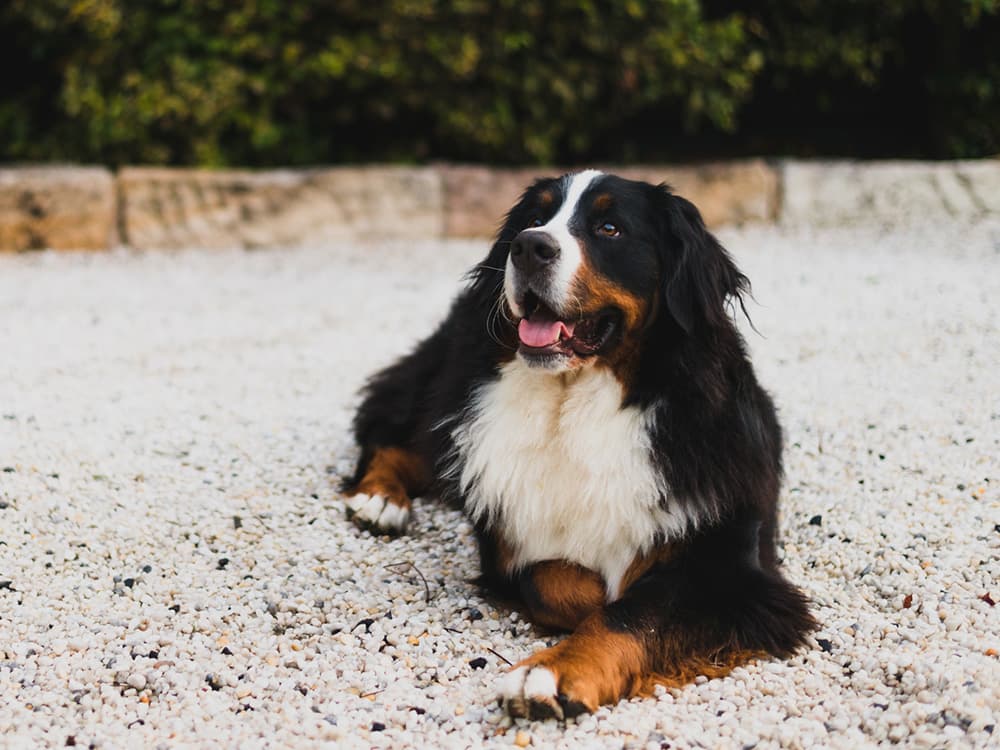
Price: $1,500 to $3,500 (opens in a new tab)
Gentle giants with thick, tri-colored coats, Bernese Mountain Dogs (opens in a new tab) are known for their sweet nature. Their large size means higher care and feeding needs for breeders. They’re also prone to certain health conditions, making responsible breeding an expensive, involved process.
Search for adoptable Bernese Mountain Dogs and mixes (opens in a new tab).

Price: $1,500 to $3,000 (opens in a new tab)
The Löwchen (opens in a new tab), or “Little Lion Dog,” is a playful and cheerful breed, and one of the rarest in the world. Though they’re still bred in the U.S., their limited availability makes them difficult to find, leading to higher prices for puppies.
Search for adoptable Löwchens and mixes (opens in a new tab).

Price: $1,000 to $3,000 (opens in a new tab)
Known for their trademark “Sammy smile,” plush white coats, and cheerful dispositions, Samoyeds (opens in a new tab) are highly sought after, which drives up their prices.
Search for adoptable Samoyeds and mixes (opens in a new tab).

Ekaterina Gorokhova / iStock
Price: $1,000 to $3,500 (opens in a new tab)
With their flowing coats and regal postures, Afghan Hounds (opens in a new tab) look like runway models in dog form. Their unique beauty and popularity as show dogs contribute to their high prices — as does their large size, which adds to the cost of care and breeding.
Search for adoptable Afghan Hounds and mixes (opens in a new tab).
If you’ve got your heart set on a high-value dog breed, consider looking into local shelters or breed-specific rescues first.
That said, no matter how you bring a dog into your life, it’s important to do your research and choose a breed who matches your lifestyle, will adapt to your home environment, and fits your budget. Here are some tips for choosing the right dog for you.
Evaluate your lifestyle: Are you active or more laid-back? Some breeds need hours of daily exercise, while others are content with a short walk and couch time.
Consider grooming needs: Breeds with long or dense coats often require regular grooming. This can mean daily brushing at home and regular visits to a professional groomer, which add up in time and cost.
Consider healthcare needs: Some breeds are more prone to certain health conditions that can lead to frequent vet visits and higher medical costs. It’s important to understand the potential healthcare demands of a breed before bringing one home.
Think about space: Larger dogs or high-energy breeds typically do best in homes with ample room to roam and run (opens in a new tab), while smaller or more low-energy breeds may adapt well to apartment living.
Research temperament: Look for breeds whose personalities align with your household. For example, some breeds thrive in family settings (opens in a new tab), while others are better suited to quiet, adult-only homes.
Plan for the long term: Dogs are a long-term commitment. Ask yourself if you’re prepared (opens in a new tab) for the daily care, training, ongoing expenses, and years of companionship that come with it.
High-priced dog breeds may attract attention for their looks, pedigree, or prestige, but you don’t need to spend thousands of dollars to find a great companion. Adopting a dog, whether a purebred or a mix, can be far more rewarding than having a breeder certificate. Here’s why adoption is worth serious consideration.
Adoption fees typically range from $50 to $500 and often include spay/neuter surgery (opens in a new tab), vaccinations, and microchipping — a big contrast to the thousands it can cost to purchase a dog from a breeder.
Purebred dogs such as French Bulldogs, English Bulldogs, and Chow Chows (and their mixes) can end up in shelters, rescues, or private rehoming situations. Life changes, owner surrenders, and irresponsible breeding practices can all leave these dogs in need of second chances. With a bit of patience and determination, you might find the breed you’ve been dreaming of, minus the breeder price tag.
And who knows? You might walk into a shelter searching for one breed and walk out with your heart stolen by a lovable mixed-breed — the most common type of dog in shelters and rescues (opens in a new tab).
Adopting gives a dog a second chance at a happy life and creates space in shelters (opens in a new tab) for other animals in need. It’s a compassionate choice that has a ripple effect beyond your household.
Shelters and rescues do their best to evaluate and gather information about a dog’s behavior, personality, and needs, aiming to match you with a dog who truly fits your lifestyle, instead of relying on breed stereotypes alone.
In 2025, the world’s most expensive dog (opens in a new tab) sold for $5.7 million. The dog is the first of its kind: a cross between an actual wolf and a Caucasian Shepherd.
Often, yes. Many have unique grooming or health needs that require regular attention and higher maintenance costs.
Not necessarily. Trainability depends more on the individual breed’s temperament than their rarity.
The average cost of a dog per year (opens in a new tab) can run anywhere from $1,270 to $2,803, which adds up to $15,000 to $40,000 over their lifetime. If you have a luxury breed, those costs can be even higher due to steep purchase prices and the need for specialized care such as grooming, breed-specific healthcare, and premium nutrition.
“Adoption Fees and Applications - Animal Shelter | Seattle.gov.” seattle.gov, www.seattle.gov/animal-shelter/find-an-animal/adopt/adoption-fees-and-applications (opens in a new tab).
“Pet Statistics.” ASPCA. www.aspca.org/helping-people-pets/shelter-intake-and-surrender/pet-statistics (opens in a new tab).
“Why pedigree dogs like pugs and Samoyeds are so expensive.” Business Insider. www.businessinsider.com/pedigree-dogs-breeding-pugs-samoyeds-so-expensive-2019-4 (opens in a new tab).

Katie Koschalk is a freelance writer based in Northern California. Fusing her love and knowledge of animals with her journalism degree and years of professional writing, Katie is dedicated to improving the lives of pets and their caretakers by sharing helpful and accurate information. When she’s not at her desk, you can find her exploring trails with her Aussie, Hunter, cooking plant-based meals, and talking to her two cats, Jax and Sadie, in really ridiculous voices.

Adoption Advice

Adoption Advice

Shelters & Rescue

Adoption Advice
Unfortunately, the term “adopt, don’t shop” exists for a reason, because buying a puppy can unwittingly come with a host of problems.

Breed Info
Meet the dog breeds who got their start on American soil.

Shelters & Rescue
These dog breeds often fill shelters — discover the reasons behind their frequent surrenders.

Adoption Advice
Learn what a rescue dog is and why these pups make the best buddies.

Adoption Advice
Deliberating between the two? One is more affordable, comes with fewer health issues, and saves a life.

Breed Info
Here’s why ear cropping started and why it’s not so good for dogs.