The Benefits of Fostering Pets
Thinking about fostering a pet? Read more to learn about the fostering process and benefits of fostering.
Thinking about fostering a pet? Read more to learn about the fostering process and benefits of fostering.
by Julie Zeilinger, | May 31, 2025
Gabi Bucataru / Stocksy
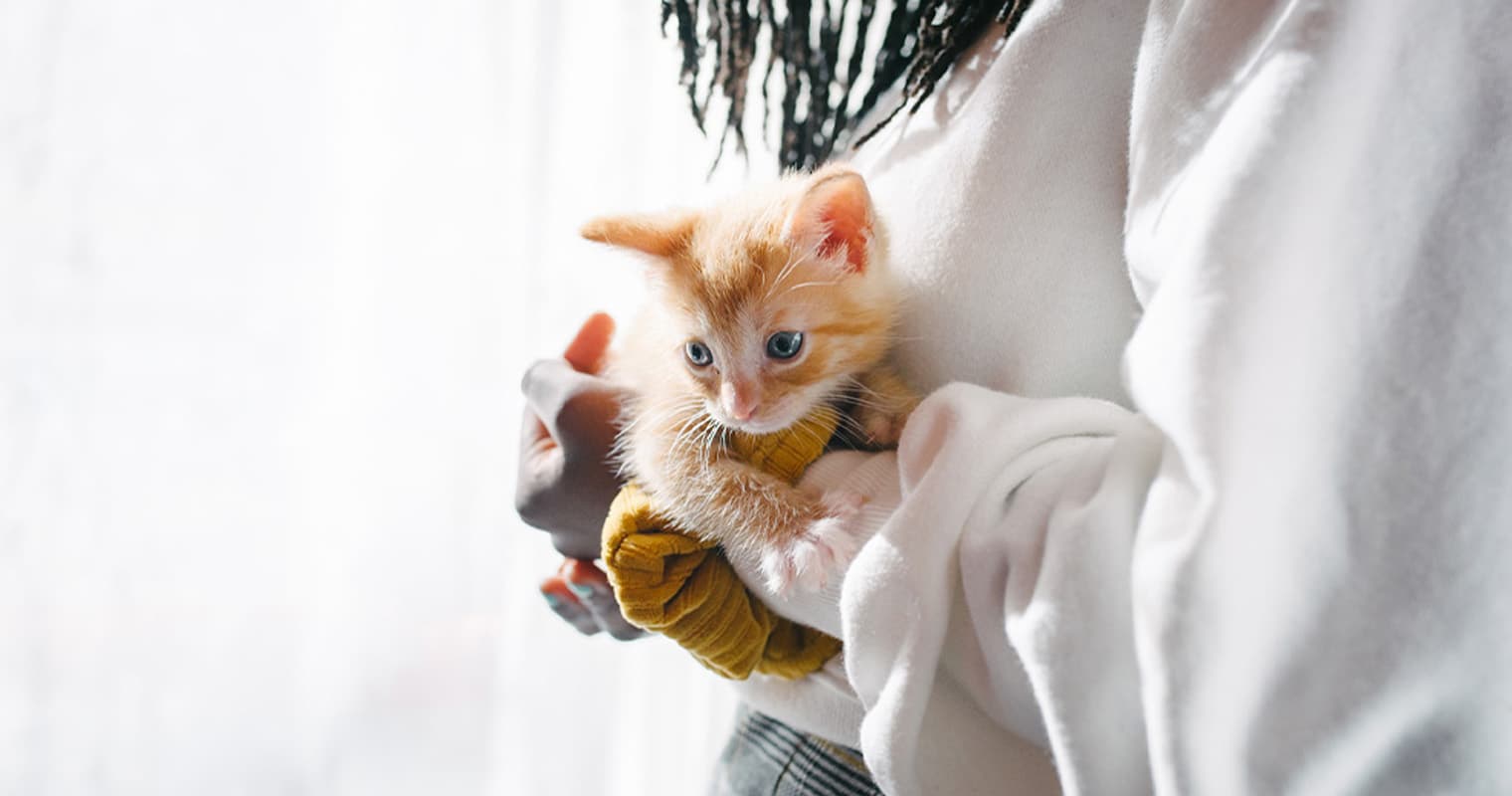
There has never been a better time to consider fostering an animal: Animal shelters across the country are at capacity (opens in a new tab) to overflowing (opens in a new tab) and understaffed (opens in a new tab). Fostering, or temporarily taking care of an animal in need, not only provides animals with safe homes and the attention and love they need to be more adoptable until they find their forever homes, but also frees up space in already crowded shelters.
There are a number of reasons why people may hesitate to foster (opens in a new tab), but there are a lot of great reasons to foster as well. Here are just a few.
If you’re not sure if you’re ready to commit to being a pet parent forever, fostering offers an opportunity to get to know what it’s like to have different kinds of pets.
When choosing which animal to foster, however, it’s important to consider which kind of pet (opens in a new tab) is best suited to you and your home, and factors (opens in a new tab) such as the time you have available to care for a pet and the size of your home should all play a part in that decision.
If you’re an animal lover but don’t have the time to devote to having a pet for their entire life, fostering is a great short-term way to help animals in need (opens in a new tab). Shelters and rescue organizations are always looking for people (opens in a new tab) willing to open their homes to pets, and getting a pet ready for adoption — especially those that may have been stuck at shelters (opens in a new tab) for a long time — by giving your love, time, and friendship is incredibly rewarding.
You’ll never be bored with a pet in your home. There is always something to do with your foster, from cuddling to playing fetch to everything in between.
Fostering is a great way to meet new people who care about animals. For example, many rescue organizations have events, such as those devoted to promoting pet adoption, where fosters can meet each other and the wider rescue community.
Opening your heart and home is an important part of saving a life; each year, approximately 920,000 shelter animals are euthanized, according to the American Society for the Prevention of Cruelty to Animals (opens in a new tab) (ASPCA). Fostering a pet is one of the most direct ways you can help an animal and save them from this fate.
Fostering-related expenses (opens in a new tab) may be tax-deductible (opens in a new tab); ask your tax professional for advice. Depending on the shelter or organization you foster through, however, you may not have many expenses at all — most cover medical expenses for foster pets and many others are able to provide food and other supplies.
Animal shelters across the country are at capacity (opens in a new tab) to overflowing (opens in a new tab) and understaffed (opens in a new tab). Fostering not only helps shelters’ capacity but also allows already overworked shelter staff the ability to focus on one less pet — which helps them better take care of the pets already in their care.
Fostering can be a great learning experience as you’ll likely learn a lot about caring for different kinds of animals and their various challenges. For example, you may learn about an animal’s physical needs, such as dietary restrictions or medical conditions, or behavioral needs, including helping them by training them.
Fostering a pet can also teach children (opens in a new tab) in your family invaluable lessons about responsibility, empathy, and caretaking.
Research shows that fostering pets can help get them successfully adopted. For example, one study found that dogs who were fostered were less likely to be returned (opens in a new tab) to shelters and benefited from being exposed to potential adopters out in the world at places like parks and restaurants. Even brief visits (opens in a new tab) in foster homes can also help lower dogs’ stress, which can help them connect with potential adopters.
Cats and dogs are probably the most commonly fostered pets, but many organizations and shelters have other animals (opens in a new tab) that need foster homes, including rabbits, birds, and even farm animals.
Fostering benefits shelters and rescues by creating capacity for them to save more pets. Animal shelters across the country are at capacity (opens in a new tab) to overflowing (opens in a new tab) and understaffed (opens in a new tab). Fostering not only helps shelters’ capacity but also allows already overworked shelter staff the ability to focus on one less pet — which helps them better take care of the pets already in their care.
The length of time animals stay in foster care depends on a number of factors, including the pet’s age and/or breed, the level of demand in the area, the pet’s health, and more. Some fosters only have their pets for a few days, while others have them for months.
Many shelters and rescue organizations allow fosters to adopt the pet they’ve been fostering. There’s even a term for this: “Foster failure. (opens in a new tab)” Of course, foster “failure” is hardly a failure (opens in a new tab) since the goal is for the pet to be adopted. Some shelters and rescues even have “foster-to-adopt (opens in a new tab)” programs.
Evaluation of a Novel Dog Adoption Program in Two US Communities (opens in a new tab)
Benefit of Short-Term Foster Sleepovers (opens in a new tab)

Julie Zeilinger is a NYC-based writer and editor whose writing has been published in Marie Claire, Vox, HuffPost, Forbes, and other publications. She is also the author of two books: College 101: A Girl’s Guide to Freshman Year (2014) and A Little F’d Up: Why Feminism Is Not a Dirty Word (2012). She is the mom to Baloo, a two-year-old Bichpoo and foster mom to dogs via Badass Animal Rescue.

Foster & Volunteer

Foster & Volunteer

Foster & Volunteer

Adoption Advice
Foster fails aren’t bad — and they’re actually very common.

Foster & Volunteer
Thinking about fostering a dog? Read more to learn about the fostering process and what to expect.

Foster & Volunteer
Fostering before adopting is a great way to help rescues, while figuring out if you’re ready for cat parenthood.

Foster & Volunteer
Fostering is a great way to dip your toes into the pet-parenting waters, while helping a pet in need.

Foster & Volunteer
Thinking about fostering? Here’s how much you can expect to pay for everything from food to vet care.

Foster & Volunteer
Looking after a senior or terminally ill pet can be the most important, rewarding thing you ever do. Here’s what ‘fospice’ entails.