Can You Give Dogs Imodium?
And what else you can give your dog for diarrhea.
And what else you can give your dog for diarrhea.
by Dr. Gabrielle Fadl, DVM, | October 2, 2024
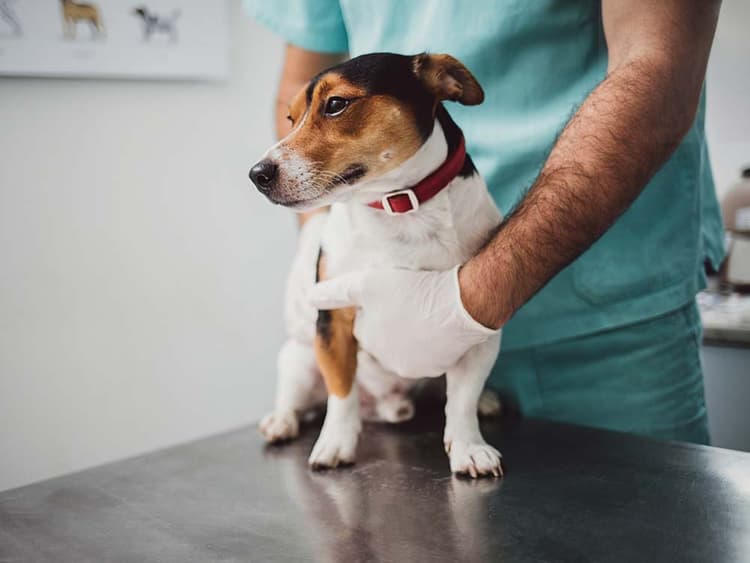
Westend61 GmbH / Alamy Stock Photo
Diarrhea is probably one of the most common reasons dogs visit me in my practice. I am often asked, “Can I give my dog Imodium?” Imodium is a popular household medication used in people to treat occasional diarrhea and the symptoms associated with diarrhea, including gas, abdominal cramping, and more.
But, is it safe for use in dogs? Not always. Learn about the potential risks, proper dosage, and when to consult with a veterinarian if your dog is experiencing acute diarrhea.
Imodium (Lopermide) is the brand name for the over-the-counter drug used to treat diarrhea in people. This drug works by slowing down movement in the gut, which in turn reduces contractions in the intestines. As a result, you absorb more nutrients and liquid through your gut, making stool less watery and decreasing the number of times you visit the toilet.
Always, always, always talk to your vet first.
In general, Imodium is not the first drug veterinarians reach for in dogs with diarrhea. There are many causes of acute diarrhea in dogs, including dietary indiscretion (ie., indulging in the mystery substance off the street or getting into the garbage!), parasites or other infections (viral, bacterial), dietary sensitivities or allergies, just to name a few.
If your dog is experiencing diarrhea, it’s important to investigate causes with your veterinarian. In the event of certain infections, Imodium should not be used, as it may result in worsening infection and the symptoms associated with this infection. Additionally, certain breeds of dogs may have a genetic mutation, which may result in severe or life-threatening reactions to common drugs, including Imodium. Common breeds impacted by these mutations are Collie breeds and other herding dogs (ie., Australian Shepherds).
In dogs, the most common side effects are salivation, constipation, bloating and sedation. It’s best to consult your veterinarian prior to administering any over-the-counter medications to your dog.
Dogs with MDR1 gene mutations (Collie and herding breeds) should avoid this drug. In general, Imodium is not commonly prescribed in dogs with acute diarrhea, given the risk to certain breeds of dogs and the adverse effect profile of this drug.
In some cases, Imodium is used in treatment of chemotherapy-induced diarrhea in dogs. Imodium may also be used to treat non-infectious, intractable diarrhea in dogs (ie., diarrhea that is not responsive to either diet change or other approved therapies).
Imodium AD (loperamide) is safe for use in healthy dogs with intractable, noninfectious diarrhea, although not the first drug-of-choice in these cases. Oftentimes, diarrhea can be treated with a probiotic and short-term diet change to a bland food.
Imodium AD carries the same risk as regular Imodium, including sedation, bloating, constipation, and hypersalivation. Certain Collie and herding dog breeds may have a serious or life-threatening sensitivity to Imodium AD. It is best to consult your veterinarian prior to administering any over-the-counter medications to your dog.
Baby Imoidum (loperamide) should be avoided in dogs due to the artificial flavors and coloring used in this product. Occasionally, artificial sweeteners are used, which can be toxic to dogs, even in small amounts.
Safety in pregnant dogs has not been established, and therefore, should not be used, or used with significant caution. Imodium is excreted in the maternal milk of humans in small amounts, and should be avoided or used with caution in lactating dogs and nursing puppies.
The short answer is no. Here’s why.
In dogs with acute diarrhea, a dog-specific probiotic and bland diet can be fed as a first line of treatment. Remember, bland diets are not balanced and should not be fed for more than a couple of meals. This will oftentimes be enough to clear acute, transient diarrhea.
If a dog is experiencing diarrhea and other signs of illness, including vomiting, inappetence, blood in the stool, bloating, etc. it is best to consult with your veterinarian to attempt to identify a cause of this diarrhea. If your dog is otherwise healthy and treatment has been unsuccessful, Imodium can be used short term for 1-2 doses in an attempt to reduce diarrhea frequency.
Plain Imodium (loperamide) is safest to use, but should be used with caution in dogs. Certain breeds, such as Collies or herding breeds, should not use Imodium due to potential sensitivity to this drug.
It is best to consult your veterinarian before administering any over-the-counter drugs to your dog. Please note, these are not FDA-approved doses. Avoid or use with caution in Collies and herding breeds (Australian Shepherds).
9.9 pounds to 25 pounds): one milligram
26 pounds to 40 pounds: two milligrams
Administer one dose every eight hours for the temporary relief of diarrhea
Do not exceed more than three doses per 24 hour day, or more than 3 days of treatment
There is no known information for use of Imodium in dogs undergoing heartworm treatment. Consult with your veterinarian before administering.
Imodium should not be used for more than 3 days. If clinical signs do not improve or worsen during treatment, you should consult a veterinarian. If your dog experiences other signs, such as loss of appetite, vomiting, blood in the stool, bloating, or severe lethargy, please seek veterinary care immediately.

There are safer alternatives, and you should always, always check with a vet before giving your pup anything.
It is always a good idea to consult your veterinarian before administering any medication. May vet practices offer telemedicine consults, if you are unable to get your dog to the vet in a hurry. Imodium can be used safely in some dogs, however in certain breeds, Imodium can cause serious or life-threatening side effects.
Imodium should start to work one to two hours following administration.
Although Imodium is safe to use in some dogs, it is not the first medication vets reach for in treatment of diarrhea. It is best to consult your veterinarian if your dog is experiencing diarrhea, or before administering any over-the-counter medications.

After graduating from Kansas State University College of Veterinary Medicine, Dr. Fadl returned to the New York area to pursue a one-year rotating internship and has been working in general practice since. Dr. Fadl loves working in the pet space to foster the powerful human-animal bond. She hopes to continually learn and grow to practice the best quality medicine. Her motto is “Keep calm and try to take it as it comes.”

Pet Wellness
Pet Wellness
Pet Wellness
Pet Wellness
It’s an alarming sight, but here’s what you should know.

Pet Wellness
It’s not a pretty problem, but here are your solutions.