Why Is My Cat Breathing Heavy?
This can happen over time or very suddenly. Either way, it’s important to learn more about this symptom.
This can happen over time or very suddenly. Either way, it’s important to learn more about this symptom.
by Dr. Alycia Washington, DVM, MS, | December 6, 2023
Laura Stolfi / Stocksy
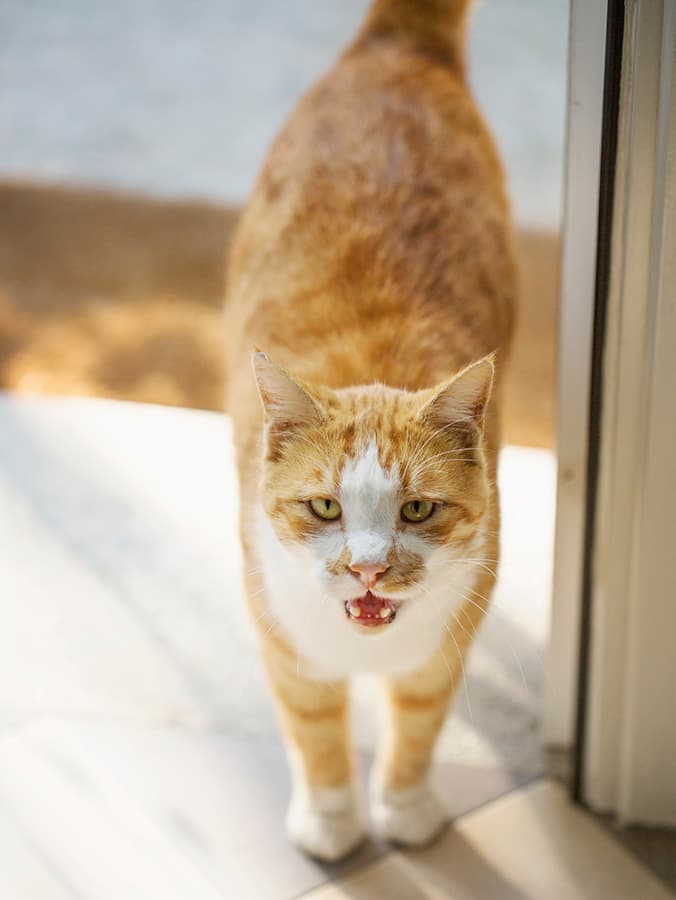
Heavy breathing in cats is often a sign of a medical problem, and it’s important to be aware of the symptoms. Conditions associated with heavy breathing in cats include asthma, heartworm, respiratory infections, and congestive heart failure. If your cat is breathing heavily when they are at rest or in situations where they would normally be calm, please take them to the vet.
Heavy breathing in cats can be characterized a few different ways, including panting, difficulty breathing, and respiratory distress. Panting is not common in cats but does not always indicate a medical problem. Cats can pant when they’re stressed or after strenuous activity. Cats can also pant when they become overheated. The panting should quickly resolve after the cat is able to rest or relax. Persistent panting in cats is not normal and should be evaluated.
Dogs are the natural target for these worms, but that doesn’t mean your cat isn’t at risk.
Difficulty breathing, or “dyspnea,” can slowly develop over time or occur suddenly. Several medical conditions can cause dyspnea in a cat, including infection, heart disease, trauma, and cancer. Breathing difficulty can look like slow, deliberate, labored breathing or rapid, shallow breaths. It can also involve loud, raspy breathing or wheezes. A cat that is having difficulty breathing is having a medical emergency and should receive veterinary attention ASAP.
Labored or difficult breathing in a cat can rapidly progress to respiratory distress. A cat with respiratory distress is exactly as described — distressed. This means that the effort they must put into breathing is causing them extreme anxiety, pain, and stress. Cats in respiratory distress need immediate veterinary care so that can be started.
Breathing changes in cats can come up slowly over time or suddenly. Potential causes for heavy breathing in cats include:
Feline asthma and allergic bronchitis cause chronic inflammation of the lower airways in cats. This can lead to increased mucus production, airway spasms, coughing, wheezing, and heavy breathing.
Cats with heart disease are at risk for developing fluid build up in or around the lungs, which leads to difficulty breathing.
Cats with upper or lower respiratory infections can develop heavy breathing. Respiratory infections can be caused by bacteria, viruses, or fungi.

Learn how to spot the early signs to how to treat them.
Cancer can affect a cat’s respiratory system in a number of ways. Cats with cancer can develop tumors, abnormal fluid accumulation, and other changes that can affect breathing.
The pleural cavity is the small space between the lungs and the chest wall. If this area fills with fluid (called pleural effusion) or gas (called a pneumothorax), it can restrict a cat’s ability to take deep breaths and fill their lungs with air.
Red blood cells deliver oxygen to the body’s tissues. In severe cases of anemia (low red blood cell count), the body can become oxygen-starved, resulting in heavy breathing.
Trauma can result in heavy breathing by causing direct injury to the chest, pressure on the lungs, and bleeding in the chest cavity. Head trauma and pain can also affect a cat’s breathing patterns.
Cats are at risk for contracting heartworms, even if they live indoors. Heartworms can cause severe inflammation in the airways, leading to breathing changes.
Heavy or rapid breathing in a cat can manifest in a number of ways. Cats are very good at hiding the fact that something is not quite right, so it’s important for cat parents to recognize what breathing issues can look like. Symptoms of respiratory problems in cats include:
Open-mouthed breathing
Abdominal breathing
Noticeably short, shallow, or deep breaths
Wheezy, raspy breathing
Orthopnea (standing with elbows out and neck extended)
Pale or blue-tinged gums

“Cats don’t pant to cool off like dogs do.” Unless your pet is catching their breath after doing the zoomies, Dr. Gary Weitzman says it could be cause for concern.
Cats may not show obvious signs of breathing problems until they are in significant distress. It’s important to notice these symptoms early, even if your cat is trying to keep an issue under wraps.
Cats should breathe easily and quietly while at rest. If your cat’s respiratory rate is increased while resting or sleeping, this can indicate an underlying issue.
Cats with asthma, chronic bronchitis, or other inflammatory diseases can wheeze when inflammation causes narrowing of their lower airways.
Loud, heavy breathing in a cat can be a sign of upper airway obstruction or congestion. This can occur with inflammation, mucus production, abnormal tissue growth, or foreign objects.
Orthopnea is the act of positioning oneself in an effort to expand lung capacity. In cats, orthopnea looks like standing in a crouched position with the elbows and neck extended. Cats will assume this position in an effort to get more air, and cat parents should use it as a cue to seek immediate veterinary attention.
Cats aren’t mouth breathers. Cats will resort to open-mouthed breathing if their nasal passages are obstructed or if they’re working hard to breathe.
When a cat is using their abdominal muscles to move air, it’s referred to as “abdominal breathing.” Abdominal breathing means that a cat’s breathing is labored, and they should receive veterinary attention.
A cat displaying abnormally deep or shallow breathing may be having difficulty expanding their lungs or be experiencing other respiratory issues.
Dogs rule, cats drool. Like, that’s normal, right?
When veterinary staff members are dealing with a cat with respiratory issues, they put a lot of energy toward minimizing the cat’s stress. A cat can go from having mildly heavy breathing to full-on respiratory distress in a blink of an eye. So, when presented with this challenge, veterinarians try to be careful but efficient. It’s not uncommon for vets to have a cat just sit with supplemental oxygen before risking the stress of handling.
Veterinarians will perform a physical exam, which often starts with direct observation of the cat’s demeanor and respiratory patterns. Vets will use a stethoscope to listen to a cat’s chest to detect any abnormal heart or lung sounds. Imaging is commonly used to help diagnose causes of respiratory problems in cats. This may involve radiographs (X-rays) and/or ultrasound. Ultrasound can be used to take a quick peek to check for abnormal fluid in the chest or to perform a diagnostic scan of the heart, called an echocardiogram.
Additional testing may be recommended to rule out specific diseases or to further evaluate a cat’s health. For example, if a cat has fluid in their chest cavity, a veterinarian may collect the fluid and have it evaluated for abnormal cells or organisms. Ancillary testing may also include blood work, fecal examination, and tests performed at outside laboratories.
It’s not normal for cats to breathe heavily. Cats may sometimes display rapid breathing in times of stress or exertion, but this should quickly resolve with rest and calm. Cat parents who notice heavy breathing or respiratory changes in their cats should seek veterinary advice.
There should not be a noticeable change in respiratory effort when cats are sleeping. Normal resting respiratory rate for a cat ranges from 15 to 40 breaths per minute, on average. Cats’ breathing tends to be deeper and slower while sleeping, but cats should not breathe heavily while they sleep.

Here’s when you should worry.
Treatment for heavy breathing in cats depends on the cause. All cats with labored breathing can benefit from oxygen therapy, regardless of the cause. Because cats often don’t tolerate oxygen masks on their faces, an easy (and low stress) way to deliver oxygen is to place a cat in an oxygen-rich environment, such as a specialized oxygen cage.
Respiratory infections may require antibiotics or antifungals, depending on the type of microorganism present. Heart disease often requires medications to reduce fluid accumulation, reduce blood pressure, and help with heart function. Cats with asthma benefit from medications to help reduce airway inflammation, as well as environmental adjustments to reduce triggers. Cats with pleural effusion or pneumothorax often see a rapid improvement in breathing quality after the fluid or air is removed from their pleural space. Because cancer can manifest in a number of ways, treatment varies widely, ranging from medications to chemotherapy to surgery.
Some health issues are coded into a cat’s DNA and can’t be avoided, but cat parents can take precautions to avoid preventable issues or help decrease the severity of respiratory diseases. Prevention for heavy breathing in cats includes: Preventative measures include:
Reduce exposure cigarette smoke, potpourri, spray cleaners, and other airway irritants
Use low-dust or dust-free cat litter
Avoid obesity with appropriate diet and exercise
Stay on top of preventative care
Seek veterinary attention for any respiratory changes in your cat

Here are six good reasons to haul tail to the emergency room.
Unlike dogs, cats don’t depend on panting to keep themselves cool. But some cats (especially younger ones) can pant when overheated. Cats should be seen by a vet if their panting doesn’t quickly resolve with a cool environment and rest.
Heavy breathing can be a sign of pain in cats. Heavy breathing from pain can occur with chest injuries or pain originating in any other part of the body.
A pregnant cat should not breathe heavily throughout her pregnancy, but she may display heavy breathing during labor due to the physical demands of giving birth. If a cat in labor seems to be in distress, seek veterinary advice.
It is not normal for a cat of any age to breathe heavily. Heavy breathing in a cat can be a sign of underlying heart disease, respiratory infection, trauma, cancer, or other disease.

Alycia Washington is a small-animal emergency veterinarian with over 10 years of experience based in North Carolina. She works as a relief veterinarian and provides services to numerous emergency and specialty hospitals. She also works as a veterinary writer with a focus on educating pet parents.
Pet Wellness
Pet Wellness
Pet Wellness
Pet Wellness
The most common questions about feline immunodeficiency virus, answered. Good news: most cats live long, happy lives.