Relief for Your Dog: Discover Effective Solutions for Their Seasonal Allergies
A vet explains why environmental allergies flare up and what to do about it.
A vet explains why environmental allergies flare up and what to do about it.
by Charlotte Brackett, expert review by Dr. Aletha Carson, DVM | March 22, 2024

Olga Moreira / Stocksy
Scratching: Every dog does it, some more than others. We know this. But here’s something you may not know: Itchiness can be seasonal, and if you notice that your dog is itchier in the warmer months, there may be a legit reason for that. Unlike us, it’s much harder to pinpoint what exactly is ailing your dog when they start to scratch.
Adopt a Pet asked veterinarian Dr. Aletha Carson how to tell if your itchy dog has seasonal allergies, what treatment options are available, and which breeds are more allergic than others.
Seasonal allergies are a common problem for dogs. The causes of seasonal allergies in dogs can run the gamut from dry skin to a mosquito bite to a new detergent. Unfortunately, our dogs can’t tell us what’s up (how cool would that be?), but with allergy season upon us, it’s a good time to consider allergens as the culprits.
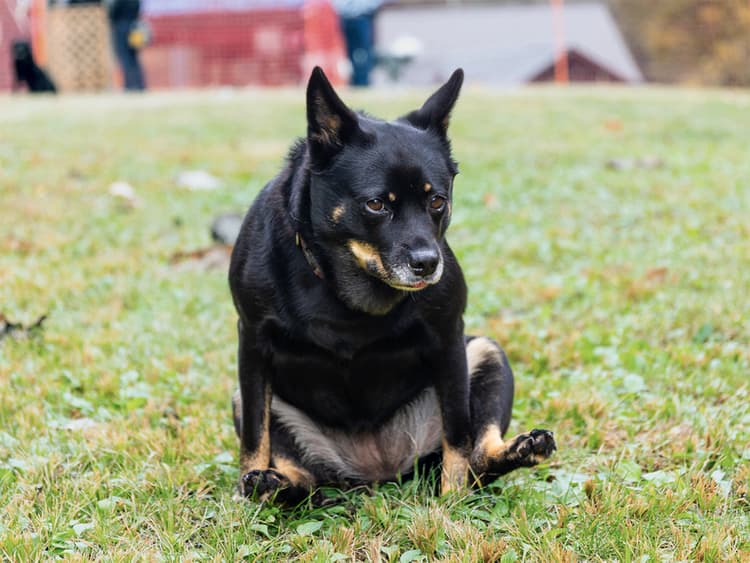
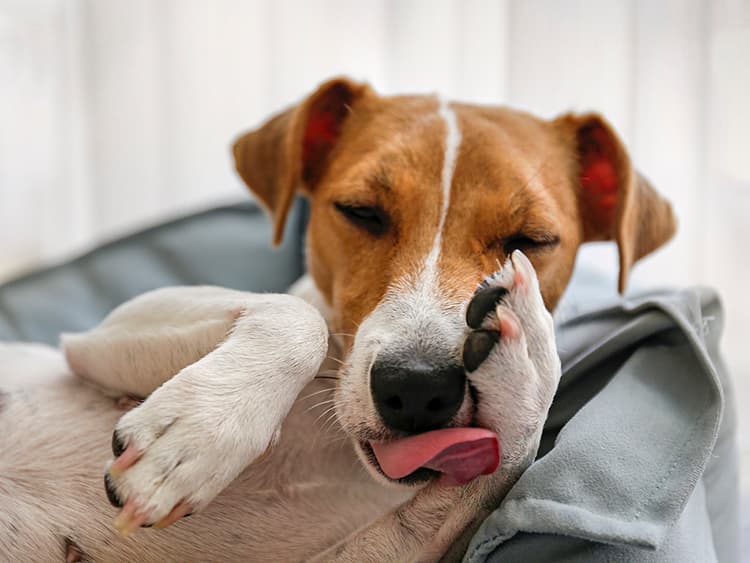
Just like humans, dogs can have seasonal allergies that cause them to scratch incessantly, sneeze, lick their paws, or shed. Often the common culprits are the same as ours: pollen, ragweed, and mold.

Thankfully, there are treatments. But first, you have to figure out why they have an itch to scratch.
Dogs often exhibit similar allergy symptoms as humans, though they show up on their skin. Here are few of the most common seasonal allergy symptoms in dogs:
Scratching and biting their coat or skin
Red, inflamed, or infected skin
Excessive shedding
Licking anal glands
Chronic ear infections or red, waxy ears
Respiratory issues, such as difficulty breathing, coughing, or wheezing
Itching can be seasonal, and part of that is because there are different amounts of allergens in the air. You’ve got pollen, you’ve got mold. Depending on where you live in the country, the seasonality can vary significantly. Pets can be allergic to fleas, which like to come out when it’s warm. Mosquitos (which, as a side note, carry heartworm and are particularly nasty little buggers) can cause our pets to be pretty itchy as well.

While keeping your dog or cat at home where they belong.
It really depends on the cause, but there are some fundamentals. Below are some effective treatments.
If allergies like pollen and grass are suspected, bathing your dog with a gentle allergen shampoo after they have been playing outside can help remove the allergens from their skin. But if you use a topical flea preventative, shampoo can wash that off, so it’s a bit of a balancing act.
Editor’s note: If your dog is licking their paws, wiping their paws when they come in from a walk can also help remove allergens. If they have a bacterial or fungal infection in their paws, a topical treatment such as using an anti-fungal mousse or wipes with Ketoconazole and Chlorhexidine daily is usually recommended over antibiotics.
There are also allergy shots for animals, just like there are for people, that can knock allergies down to a manageable level. And we have tons of great allergy medications that are on the market. When I first started practicing, we had antihistamines, which don’t traditionally work well in dogs, and steroids, which work really well for itching but have a lot of potential side effects — they can change a pet’s behavior, making them moody or anxious.

Before you say “ewww” Moira Rose-style, learn these steps to prevent and remove fleas.
You may be wondering if your dog can benefit from Benadryl the way you can when you’re suffering from seasonal allergies. Here is a list of dog-safe allergy medications:
Benadryl (aka diphenhydramine) is safe to use for dogs with mild to moderate seasonal allergies — it helps treat their itchiness and can reduce dog allergy symptoms, such as sneezing and swelling. But this over-the-counter medicine makes some dogs sleepy and others hyper, so check with your vet first.
Other OTC antihistamines are available, including hydroxyzine, loratadine (brand name Claritin), chlorpheniramine, clemastine, fexofenadine, and cetirizine (Zyrtec). Talk with your veterinarian about which option is best for your dog, and the correct dosage to administer.
New medications, like Cytopoint injections and Apoquel pills, have been game changers for itchy dogs. These medications are specifically helpful for dogs with allergic dermatitis, aka skin allergies. Unlike antihistamines and steroids which suppress the immune system, Apoquel and Cytopoint both block the allergic itch at its source, just in different ways.
Seasonal scratching can also be a chronic skin condition, because environmental allergies can be seasonal. It becomes a little bit of a sleuthing game to sort out exactly where the scratching is coming from and ruling out the obvious things. Have you changed your bedding? Did you wash your dog with a new shampoo? Are you using flea preventative? If your veterinarian suspects that there’s a food component to it, they may recommend doing a hypoallergenic food trial.

Here’s what works (and what doesn’t).
Certain home remedies have been found to relieve the symptoms of seasonal allergies in dogs:
Quercetin: This compound is a natural anti-inflammatory that has antihistamine properties.
Raw honey: Though there is no scientific evidence, some experts believe that when dogs eat raw honey, it makes them more immune to the pollen allergens over time.
Coconut oil: If your dog is suffering from super itchy skin, coconut oil can help relieve the itchiness when it’s used topically.
Apple cider vinegar: Another favorite natural remedy of humans, ACV can help remove pollen and other seasonal allergies from your dog’s coat when it’s mixed with water and sprayed on its fur.
When dogs scratch, their nails tear at their skin, introducing bacteria. That bacteria populates the area and makes their skin even itchier. And that’s the beginning of what we call a hot spot.
When that happens, the itch can go from zero to 60 overnight — to an oozy wound of horrors that’s painful, uncomfortable, and needs to be aggressively treated. The dog usually earns a cone of shame and some medication. That’s why it’s important to catch that itch before it turns into something really detrimental.

If allergens were to ask, “Am I the drama?,” the answer would be yes.
Your dog may have seasonal allergies if they exhibit excessive scratching and itching, inflamed skin, excessive shedding or paw licking, ear infections, or respiratory issues.
There are shampoos and wipes, allergy shots, supplements, and home remedies such as spraying your dog’s fur with apple cider vinegar that can help.
Common signs include excessive scratching and itching, inflamed skin, excessive shedding or paw licking, ear infections, or respiratory issues.
Dogs most commonly have seasonal allergies to pollen, ragweed, and mold.
The best way to prevent or relieve seasonal allergy symptoms is to reduce your dog’s exposure to allergens by limiting time outside, though that’s difficult.
Certain breeds are known to have more allergies, which is likely genetic. Pit Bull mixes (American Staffordshire Terriers) and West Highland White Terrier are common.

Charlotte Brackett is a writer and content manager for the Pet Insight Project, which gathers data about dog behavior that may improve the lives of pets. She enjoys interviewing veterinarians and writing articles that help make dog ownership as easy and fun as possible. Charlotte earned a degree in journalism and English from the University of Richmond.

Pet Wellness

Pet Wellness

Behavior & Training
Pet Wellness
Acral lick dermatitis is a frustrating skin condition, but new treatments offer hope.