Plaque vs. Tartar in Dogs’ Teeth
Understand the difference to take steps to eliminate them both.
Understand the difference to take steps to eliminate them both.
by Dr. Shelby Neely, DVM, | December 18, 2024
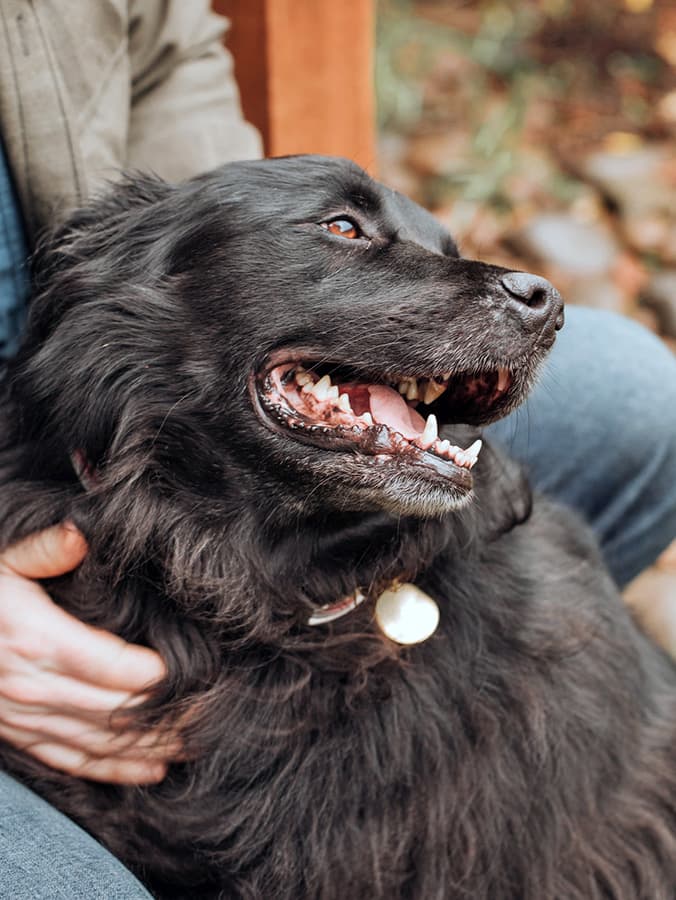
Leah Flores / Stocksy
Plaque and tartar are significant dental care issues in people and dogs. There are differences between the two. Both are along the pathway to gum disease, periodontal disease, and tooth loss, but their role in the process differs.
Pet parents need to understand the difference between plaque and tartar and take steps to eliminate them both. Knowing the differences can make you more compliant with your dog’s dental care. No one wants their dog to suffer from dental disease. It can become very painful. Read on and learn the differences between plaque and tartar and why you should try hard to keep both off your dog’s teeth.
Plaque and tartar are different from each other.
Plaque is an invisible sticky film on the teeth that can be brushed away.
Tartar is hardened plaque that your vet must remove.
Tartar leads to tooth loss, periodontal disease, and possibly infection of internal organs.
The prevention and treatment of plaque and tartar involve brushing, dental chews, water additives, and, eventually, a professional dental cleaning.
Plaque is a clear, sticky layer of film resulting from having teeth, eating food, and having normal bacteria in the mouth. It’s the same for people and dogs.
When your dog eats, food particles, bacteria, and saliva mix together to form a soft, sticky film that adheres to your pup’s teeth. This process is the earliest stage of dental disease and can progress to serious oral disease if not managed.
Bacteria are a common resident of a dog’s mouth. When dogs eat, the bacteria feed on the sugars in the food. The bacteria, along with saliva and food debris, create a biofilm that adheres to the teeth. The product is plaque, and if it is not removed, it hardens over time.
Plaque is often invisible. If you see anything, it would be a yellowish or dull coating on the teeth. What you will notice is bad breath. You may also see discoloration near the gumline, causing mild gum irritation or redness.
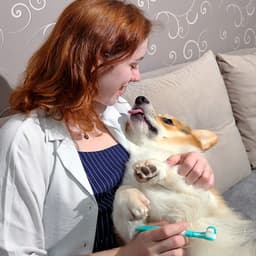
Everything you need to know about dog tarter and dental health.
Now that you know what plaque is and how it is formed, let’s examine tartar.
Tartar, also called calculus, is a hardened layer formed from plaque that has stayed too long on the teeth. It has become hardened due to the minerals in your dog’s saliva. It is quite visible, appearing as a rough, yellow, or brown layer along the gum line and even extending below it.
Plaque can be removed by brushing, but if you don’t brush your dog’s teeth within 24 to 48 hours, the minerals in the saliva harden the plaque and it becomes tartar. The problem gets compounded when more plaque sticks to the tartar since the surface of tartar is rough.
Unlike plaque, you can see tartar clearly on your dog’s teeth. It is yellow, brown, or tan-colored and, like plaque, is particularly near the gums. If you touch it, it feels hard. Due to its proximity to the gum line, tartar can cause swollen, red, or bleeding gums, which is called gingivitis. This, too, will give your dog bad breath, usually worse than just plaque.

NYC’s top veterinary dentist on bad breath, dental disease, and brushing your dog’s teeth...daily.
There are important differences in plaque and tartar.
Plaque is soft, sticky, and transparent or pale yellow. Often, you can’t see it at all. Tartar, on the other hand, is yellow or brown in color, clearly seen, and is hard and rough.
Plaque causes gum irritation, while tartar causes gum inflammation and infection. Both can cause bad breath. Tartar can cause tooth decay and periodontal disease. The effects of plaque are reversible with proper care.
The most significant problem with plaque is that it develops daily and can transform into tartar. Tartar is the main culprit because it can cause long-term problems, including loose teeth and tooth loss, abscesses, and even travel through the bloodstream into vital organs. This can result in heart disease, kidney disease, and liver disease.
Brush your dog's teeth daily with dog-safe toothpaste. Do not use human toothpaste.
Provide dental chews or toys designed to scrape off plaque.
Feed a balanced diet with dental health in mind. There are specialized diets made specifically for this purpose.
Use water additives or oral rinses to reduce bacteria.
If you take these steps, you can prevent the accumulation of plaque, which in turn prevents the buildup of tartar.
Once plaque is on the teeth, you can still remove it if it’s not too late. Regular brushing is the best way to remove plaque before it hardens.
Dental wipes can help dogs resistant to brushing.
Again, preventing or treating plaque is the way to prevent tartar.
As already mentioned, the way to prevent tartar is by preventing or treating plaque.
Prevent tartar by controlling plaque with daily brushing and dental care.
Provide tartar-control treats or diets designed to reduce buildup.
Schedule routine dental cleanings with your vet. Once plaque has hardened into tartar, the only way to get the tartar off is a professional cleaning by your veterinarian.
Tartar does not go away just with tooth brushing. It requires a visit to the vet.
You cannot remove tartar at home; professional dental cleaning under anesthesia is necessary.
Regular checkups help catch tartar buildup early, preventing complications such as loose teeth, tooth loss, and periodontal disease.
Proper dental care, including prevention and early intervention, is key to keeping your dog’s teeth and gums healthy.

Some things you can do to keep those chompers sparkling through their senior years.
No. However, coconut oil’s antibacterial properties can help prevent plaque buildup. When applied to the teeth or used with brushing, it may slow the accumulation of plaque, which, if left untreated, hardens into tartar.
Yes. While both plaque and tartar can cause gum irritation and bad breath, tartar can lead to tooth loss and periodontal disease.
Erer, Esma, and Gültekin Atalan. “Mouth Cavity Examination and Determination of the Incidence of Dental Problems in Dogs.” Firat Universitesi Saglik Bilimleri Veteriner Dergisi, vol. 38, no. 2, 2024, p. 147, openurl.ebsco.com/EPDB%3Agcd%3A15%3A18073887/detailv2?sid=ebsco%3Aplink%3Ascholar&id=ebsco%3Agcd%3A180716754&crl=c&.
Logan, Ellen I. “Dietary Influences on Periodontal Health in Dogs and Cats.” Veterinary Clinics of North America: Small Animal Practice, vol. 36, no. 6, Nov. 2006, pp. 1385–1401, https://doi.org/10.1016/j.cvsm.2006.09.002.
Watson, ADJ. “Diet and Periodontal Disease in Dogs and Cats.” Australian Veterinary Journal, vol. 71, no. 10, Oct. 1994, pp. 313–318, https://doi.org/10.1111/j.1751-0813.1994.tb00905.x.

Dr. Shelby Neely is a freelance writer and veterinarian who graduated from the University of Pennsylvania School of Veterinary Medicine and has practiced veterinary medicine for 30 years, specializing in small animals. Her work has appeared in Allivet, AsktheCatDoctor, WhiskerDocs, Ask the Cat Doctor Radio, Ask the Cat Doctor TV, and numerous other websites, brochures, newsletters, newspapers, and ebooks. In her spare time, Dr. Neely likes to spend time with her three children, two grandchildren, three cats, two grand-cats, and five grand-dogs.

Pet Wellness
Pet Wellness
Pet Wellness
Pet Wellness
NYC’s top veterinary dentist on bad breath, dental disease, and brushing your dog’s teeth...daily.