Dry Paws on Dogs: Causes, Symptoms, and Treatment
You call them toe beans. Your vet uses more technical terms. Whatever they’re called, take care of them.
You call them toe beans. Your vet uses more technical terms. Whatever they’re called, take care of them.
by Dr. Bartley Harrison, DVM, | March 4, 2024
Sergii Kolesnikov / iStock
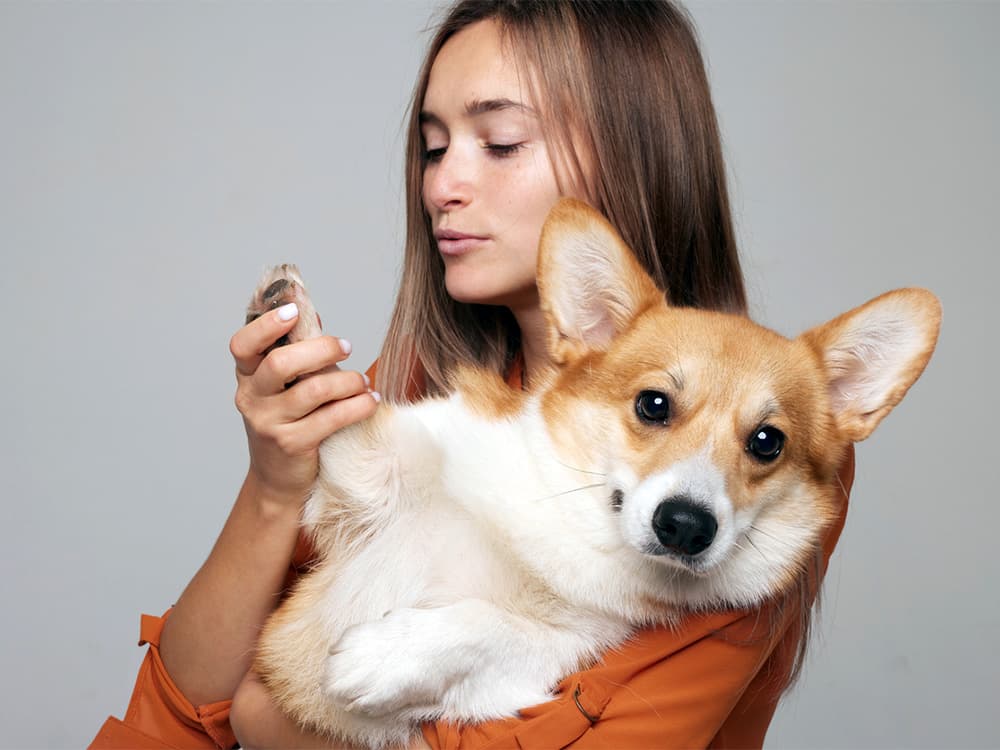
Dog paw pads can become dry due to various factors, including exposure to harsh weather conditions, hot surfaces, or rough terrain. Additionally, some dogs may have naturally dry paw pads. To remedy dry paw pads, it’s important to moisturize regularly. Use a pet-safe paw balm or coconut oil to keep the pads supple and prevent further cracking.
A dog’s paw pads will vary in appearance and texture depending on their age, activity level, health, and environment. Different conditions can make a dog’s paw pads feel damp or dry throughout the day, just like their nose. It’s generally best not to obsess over how your dog’s feet look on a daily basis, but some changes in appearance may make you wonder if a dog’s paws are supposed to be dry? Like, really dry?
Dog paws have evolved to take a lot of abuse because they’re in constant contact with the ground. Paw pads are made of a thick layer of specialized skin that is especially tough. Even though this tough skin does a great job of handling day-to-day wear and tear, it can develop problems that give it a dry, cracked, or damaged appearance.
If you’re wondering “why are my dogs paws dry?” after noticing some changes to your dog’s feet, it could be due to some common problems that may be affecting your dog. Despite their toughness, paw pads are not the best at healing, so they often take on a dry, crusty, or flaky appearance as they try to recover from injury. Some possible triggers for dry dog paws include:
Dogs’ paws are tough, but they can be damaged by temperature extremes. Avoid walking your dog on the pavement when the temperature is high. On a sunny, 95 degrees Fahrenheit (35 degrees Celsius) day, asphalt can get up to 140 degrees Celsius (60 degrees Celsius) by midday. That’s hot enough to quickly burn paw pads. Similarly, walking in very cold temperatures can cause frostbite because of decreased circulation and freezing of tissues.
Walking your dog on rocky or uneven surfaces can lead to lacerations and abrasions on their paw pads. Creeks and shorelines are especially bad for this because they have slippery surfaces beneath the water that hide sticks and other objects that can injure your dog’s feet.
If you suddenly decide to take your normally couch-bound dog with you on a long hike, don’t be surprised if they develop some paw pad problems. Dogs’ feet need time to build up calluses for protection, just like people’s. Getting exercise is great, but be sure to ramp it up gradually.
Carrying extra weight can be hard on a dog’s paws, increasing the amount of pressure on them and making injury more likely. This will also increase the development of calluses, which can give the paws a drier appearance.
Dogs that have a hurt leg will limp to protect the limb. This means the other legs are forced to carry extra weight. This may lead to abnormal wear patterns on the weight-bearing paws and change their appearance.
Dogs with allergic dermatitis due to environmental, contact, flea, food, or other allergies may have lesions on their paws that make them look dry and flaky. Starting therapy to control allergies can help the paws return to their normal appearance.
There are numerous conditions that can give dogs’ paws a dry, crusted, or irregular appearance. Contagious diseases like distemper, autoimmune diseases like pemphigus foliaceus, and genetic diseases like hereditary footpad hyperkeratosis can all cause paw problems.

An integrative vet helps suss out what’s beneficial versus what’s bogus.
A dog’s paw pads should normally be fairly dry, but they should have a smooth appearance and surface. They may be a little damp when conditions are hot or after activity because dogs’ paw pads have sweat glands to help get rid of some excess heat. A dog may also have wet paws if they’ve been licking at them due to allergies or an irritant. An excessively dry appearance may be abnormal, so look out for the following symptoms of problems associated with dry paw pads:
Irregular or roughened paw pad surface
Fissures or cracks in the paw pads
Bleeding
Pain when paw pads are pressed on
Limping
Wounds
Blisters
Raised, firm, circular areas (similar to corns)
See your veterinarian if your dog’s paw pads have a sudden change in appearance or if there are any obvious wounds. You should have your vet check out your dog’s paws if they begin limping or seem painful around their feet.
Depending on the appearance of the paws, they may recommend medications to treat them and advise changes to your dog’s activity to prevent additional problems. If the dry paws aren’t improving, your vet may recommend a biopsy if they are concerned about a more serious condition.

We all have to up our moisturizing game in the fall and winter.
Dry paw pads may or may not need medication. For some injuries that are healing well, giving them additional time to recover may be the only recommendation. For paws that have more severe damage or that are not healing well, some therapies may be recommended by your vet. These may include medications like:
Omega-3 fatty acids to promote healing
Steroids to control an autoimmune or allergic disease, if suspected
Pentoxifylline to improve blood flow in some conditions
Vitamin E to promote skin healing
Topical balms to protect and nourish skin
Topical medications are often used for dogs’ dry paws when they’re exposed to harsh conditions or experience a lot of wear. These balms may consist of hydrating creams or protective waxes that protect the pads and encourage healing. Always follow your vet’s instructions for applying these medications, but you can refer to this step-by-step guide for how to apply topical medication to your dog’s dry paws.
Have your dog lay on their side and give lots of pets to make this a positive experience. Making this a fun event with rewards will keep your dog from running away when you reach for the medication.
Use a damp washcloth to wipe any dirt and debris off your dog’s paws. A mild soap can be used if needed, just be sure to rinse it all away before proceeding.
Get in between the toes and pads to make sure all the hair is as dry as possible. This will help prevent a moist dermatitis from developing.
Follow the instructions given by your veterinarian, but most topical medications only require a thin layer to work. Extra will just get caught in the hair or rub off.
If recommended by your vet, a cone may be needed to prevent your dog from licking at their paws and removing the medication.
Reinforce your dog’s good behavior and cooperation with their favorite treat.

Five simple steps for trimming your dog’s nails at home.
For mild cases of dry or crusty paws, your veterinarian may recommend simpler treatment. Dry dog paws home remedies include moisturizing the paws and preventing damage. A common recommendation for at-home care for dry paws is to spread a small amount of coconut oil on the dry paw pads. Use the steps above to encourage your dog to allow this. Don’t let them lick off the coconut oil, as some dogs can be sensitive to extra oils in their diet and develop diarrhea.
Prevention is the key to limiting damage to your dog’s dry paws. Dogs that go outside in very cold or hot climates may need protection for their feet. Teaching your dog to wear booties that protect their paws can help to prevent injuries. It’s best to start this process before the temperature is too extreme — most dogs need a bit of time to adjust to walking with booties on.
Excessively dry or cracked paw pads can be painful for some dogs. They may show signs of pain by licking at the paws, limping, holding a foot up at rest, or whimpering when the paw is touched.
When a dog’s paws are dry and cracked, see your veterinarian for advice about how to treat them and tests to make sure there’s not an underlying cause. If recommended, balms and booties can help dry paws heal and recover.
There are medications to help dry paws on dogs heal. Most dry paws are treated with supplements, topical medication, and protection. Some dogs may require systemic medication if there is a more serious cause for their dry paws.

Dr. Bartley Harrison is a veterinarian with more than 19 years of experience. He has treated a variety of species in emergency and speciality practices for both large and small animals. His primary interests as a vet are emergency medicine and critical care.
Pet Wellness
Pet Wellness
Pet Wellness
Behavior & Training
Their toes might smell like Fritos, but there’s no way they taste that good.
Pet Wellness
Here’s what works (and what doesn’t).
Pet Wellness
Here’s what works (and what doesn’t).