Don’t Let Halloween End With a Trip to the Emergency Vet
Here’s how to keep your pet out of trouble this Halloween.
Here’s how to keep your pet out of trouble this Halloween.
by Dr. Shea Cox, DVM, CVPP, CHPV, | October 26, 2026

Sonja / Adobe Stock
Being a pet parent during the Halloween season requires a whole lot of thinking ahead — for one, you have to figure out how to find an outfit that’s both comfy for your pup and that fits perfectly with your The Summer I Turned Pretty group costume vision. But there’s a less fun kind of planning, too: Before the festivities arrive, you’ll want to make sure your pet is safe from a few holiday dangers. To take some of the scare out of your holiday, keep an eye out for these Halloween safety hazards.
Spooky season brings a few sneaky dangers for pets, and some are way more common than you’d think. Here’s what to watch for.
You probably already know this, but you gotta keep an eye on the candy bowl. Given the opportunity, most dogs will gladly snack on chocolate and other candy — wrappers included. Chocolate, especially dark or baking chocolate, can be super dangerous to pups. The compounds in chocolate that cause toxicity are caffeine and theobromine. In general, the darker the chocolate is, the more dangerous it is. Depending on the amount and type of chocolate ingested, a pup’s symptoms can range from increased thirst, vomiting, belly discomfort, and restlessness to severe agitation, irregular heart rhythm, muscle tremors, high body temperature, seizures, and death.
If your pet has ingested chocolate, call your veterinarian or local animal emergency hospital. Your vet can calculate, based on your pet’s body weight, whether what was ingested nears a toxic dose that requires treatment.

Candies containing the artificial sweetener xylitol can also cause problems. Even small amounts of xylitol can be highly toxic for dogs. Xylitol is widely used in sugar-free gum, as well as in sugar-free baked products. In people, xylitol doesn’t affect blood sugar levels, but in dogs, ingestion can lead to a rapid and severe drop in blood sugar levels (known as hypoglycemia).
The hypoglycemic dose for dogs is about 0.1 grams per kilogram of body weight. A typical stick of gum contains 0.3 to 0.4 grams of xylitol — which means that a 10-pound dog could be poisoned by as little as a stick and a half of gum. Dogs may develop disorientation and seizures within 30 minutes of ingesting xylitol-containing products, or signs may be delayed for several hours.
Some dogs who ingest large amounts of xylitol develop liver failure, which can sometimes be fatal. The dose necessary to cause liver failure is 1 gram per kilogram of body weight, which is about 10 times more than the dose for low blood sugar. This means a 10-pound dog could go into liver failure if they ingested an unopened package of gum, and sadly, this is not an uncommon occurrence. If a pet ingests a product containing xylitol, have a veterinarian examine them as soon as possible.
When pumpkins develop mold, they can wreak havoc on your pup’s digestive system. Carved pumpkins turn fast, so skip leaving them within reach on the porch for days on end, and toss any that start to look fuzzy or smell funky.
Decorative corn is more concerning; while corn is safe for dogs in small amounts, the cobs are a different story. Dogs who swallow chunks of cob can end up with an intestinal blockage, which often means a trip to the emergency vet and sometimes surgery. If your dog has vomiting, a lack of appetite, belly pain, or trouble pooping after sneaking a bite of your fall display, call your vet right away. Keep the corn up high or out of reach entirely, and your dog won’t be tempted.
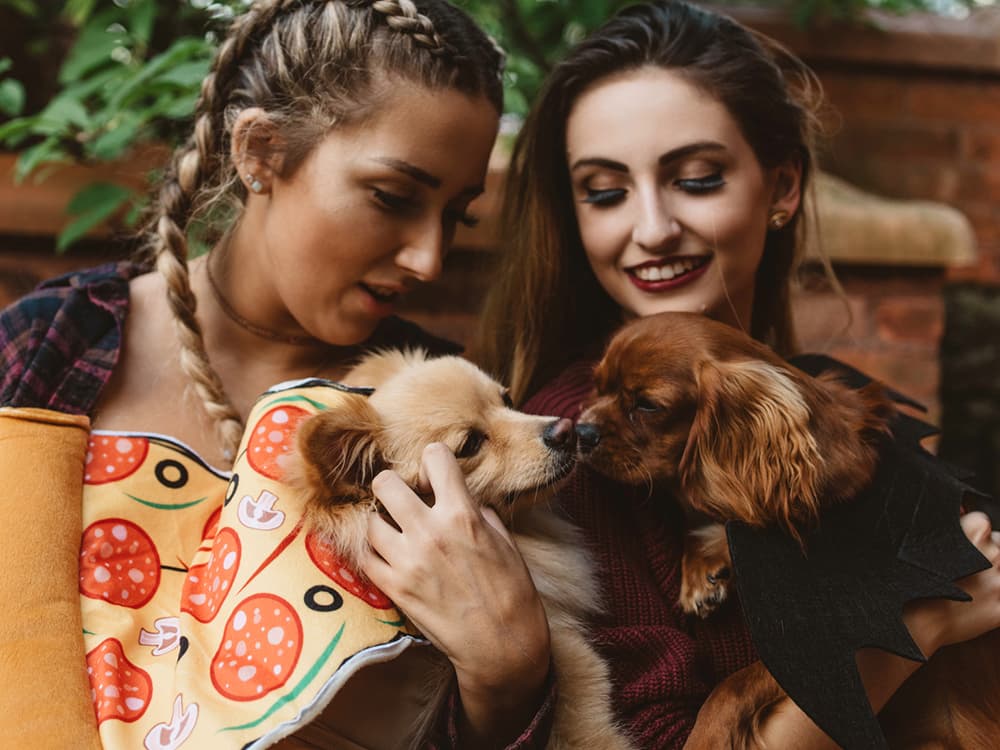
As adorable as your pup might look in a silly Halloween costume, many pets can have adverse reactions to a constrictive outfit or its irritating materials. If your pup usually likes dressing up, make sure the costume isn’t annoying or unsafe by scheduling a dress rehearsal well before the big night.
Make sure your pet’s costume does not have small, dangling, or easily chewed-off pieces that your dog could choke on. Also, ill-fitting outfits can get twisted on external objects or your pet, leading to injury. Your pet’s costume should not constrict their movement or hearing, or impede their ability to breathe or bark.
Take extra caution if your pet has sensitive skin. Even dogs with thick coats can have allergic reactions to the synthetic materials found in many costumes. If your pup seems itchy, distressed, or shows any abnormal behavior, consider letting them go in their birthday suit or in a festive bandana.
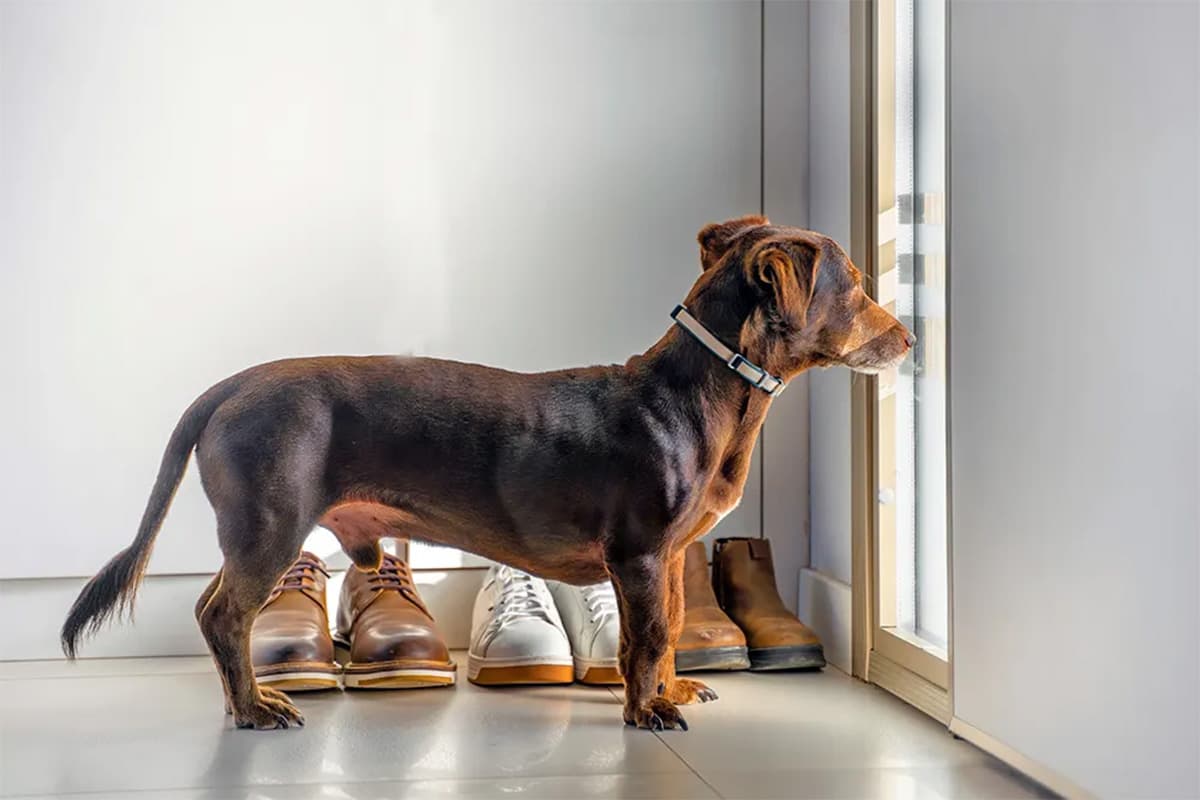
When trick-or-treaters start arriving, it’s best to keep pets in a room away from all the excitement. Too many strangers can be frightening and anxiety-inducing. When opening the door for trick-or-treaters, take extra care that your dog doesn’t dart outside.
In a worst-case scenario, you want to always make sure your dog has proper identification. If they escape and become lost, a collar and tags or dog license — or better yet, a microchip — can be a true lifesaver, greatly increasing the chances that they will be returned to you. Make sure your pet’s microchip is registered in the system and your contact information is up to date. If you are unsure whether your pet’s microchip is active and properly registered, you can ask your veterinarian to scan them.

When to DIY your dog’s Halloween costume or dye their fur — and when to leave it to the pros.
Does your pup’s job description include barking and defending whenever a new person arrives at your front door? Think about how your poor dog must feel on Halloween night when that doorbell rings dozens of times within the span of a few hours. Talk about emotional exhaustion! Consider the following options to preserve their well-being:
Keep your dog behind closed doors, ideally in a soundproof part of your home.
Provide trick-or-treaters with a “help yourself” candy bowl on your front walkway.
Board your pets elsewhere on Halloween night.
Turn off your house lights and skip the holiday altogether. You and your dog can howl at the moon to celebrate instead.

Dr. Shea Cox is the founder of BluePearl Pet Hospice and is a global leader in animal hospice and palliative care. With a focus on technology, innovation and education, her efforts are changing the end-of-life landscape in veterinary medicine.

Lifestyle

Behavior & Training
Lifestyle

Behavior & Training
Dog trainer Pat Miller’s pro tips for preventing your pup from darting out the door.
Adoption Advice
Learn the many benefits of adopting a dog from a shelter or rescue, and why giving a dog a second chance at a home is truly rewarding.
Behavior & Training
Chasing equals bullying, rolling over equals submission, and more untruths debunked here.