Five Steps to Help Keep Your New Dog Safe
Your new dog has a whole new world to explore. These five steps can keep them safe from day one.
Your new dog has a whole new world to explore. These five steps can keep them safe from day one.
by Katie Koschalk, expert review by Dr. Maria Zayas, DVM | October 6, 2026
Lupe Rodriguez / Stocksy
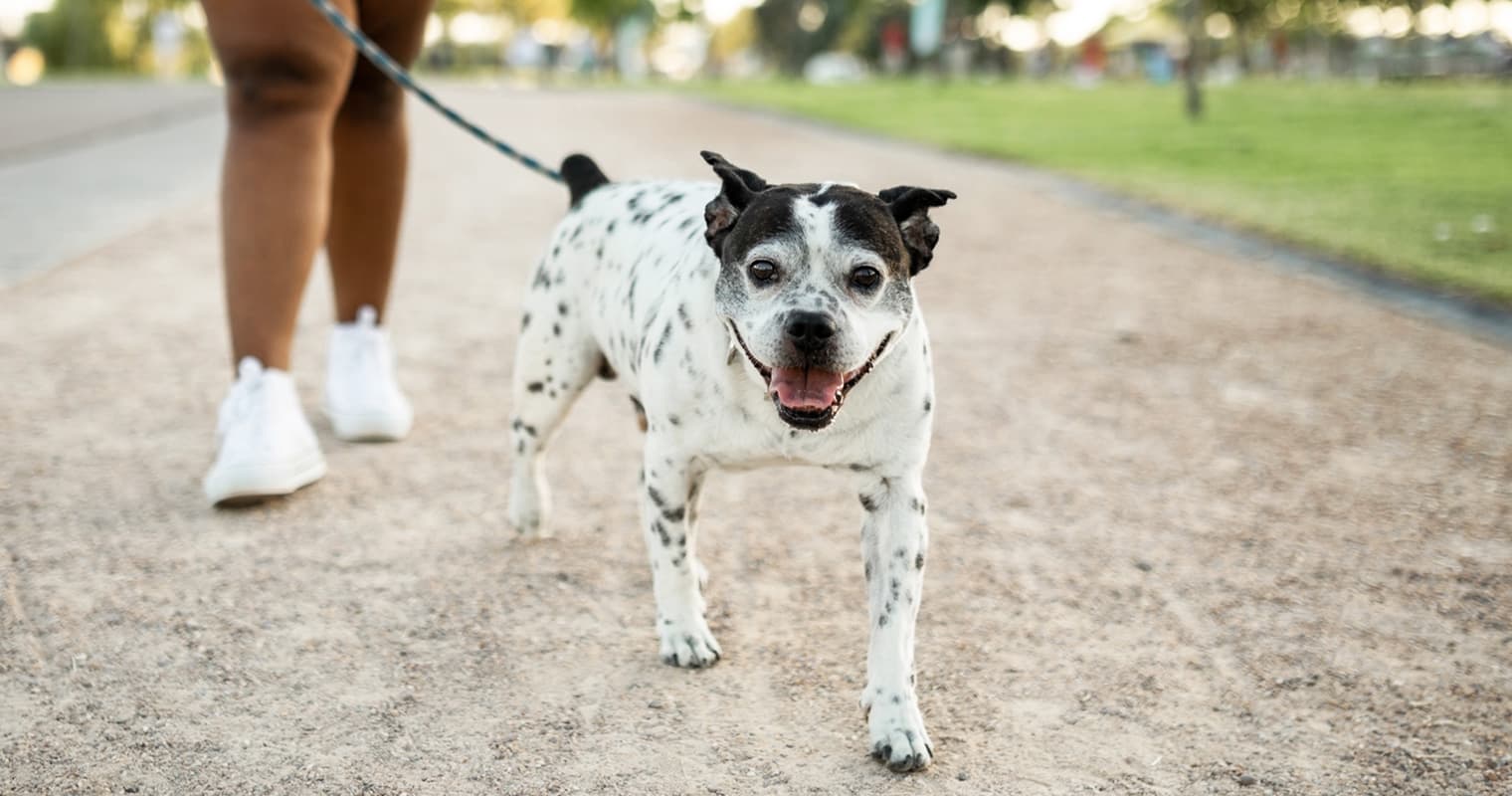
Bringing a new dog home? The precautions you put in place from day one can help keep your dog safe as they adjust to their new surroundings — and for years to come. And remember, settling in takes time. The 3-3-3 rule is a general guide to what your dog’s first days, weeks, and months at home may look like. Before they get the run of the house and yard, take these five steps to keep them safe as they settle in.
Duet Postscriptum / Stocksy
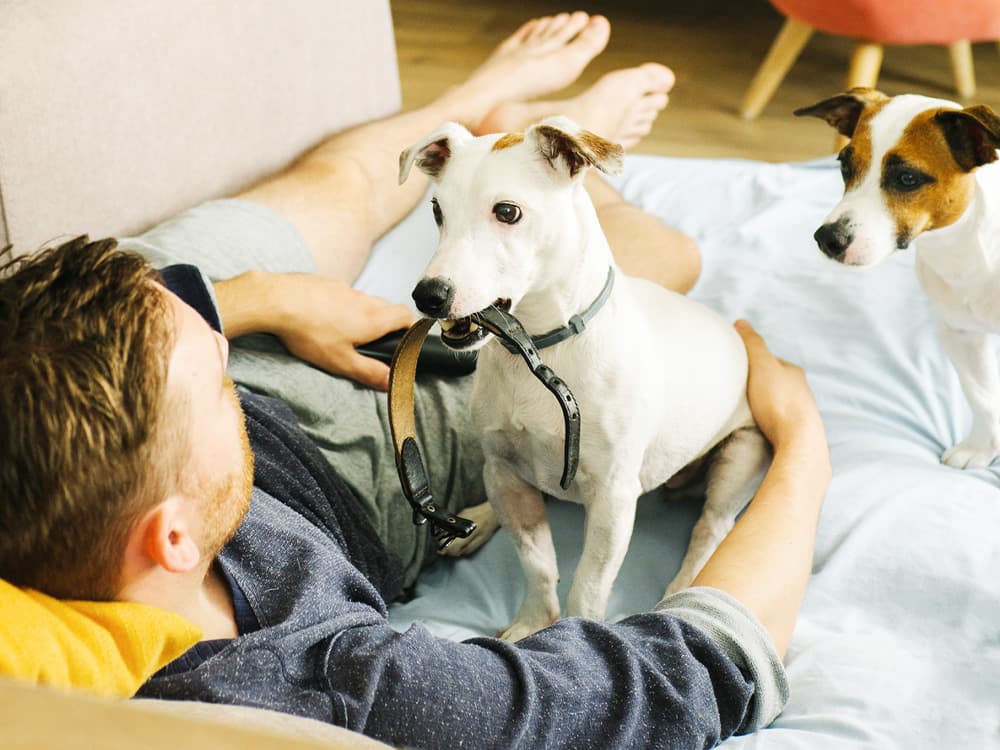
New dogs can be flight risks because they’re adjusting to unfamiliar surroundings and still figuring out where “home” is. Getting your dog an ID from day one means they’ll have a better chance of making it safely back to you if they ever get loose. Have your dog wear a safety-buckle collar with an ID tag 24/7. Include your phone number on the tag, so anyone who finds them can quickly reach you.
A microchip is also a must. It provides permanent identification if your dog gets lost and their collar comes off. If they’re already chipped, register the chip in your name right away, and keep your contact information up to date.
MivPiv / iStock
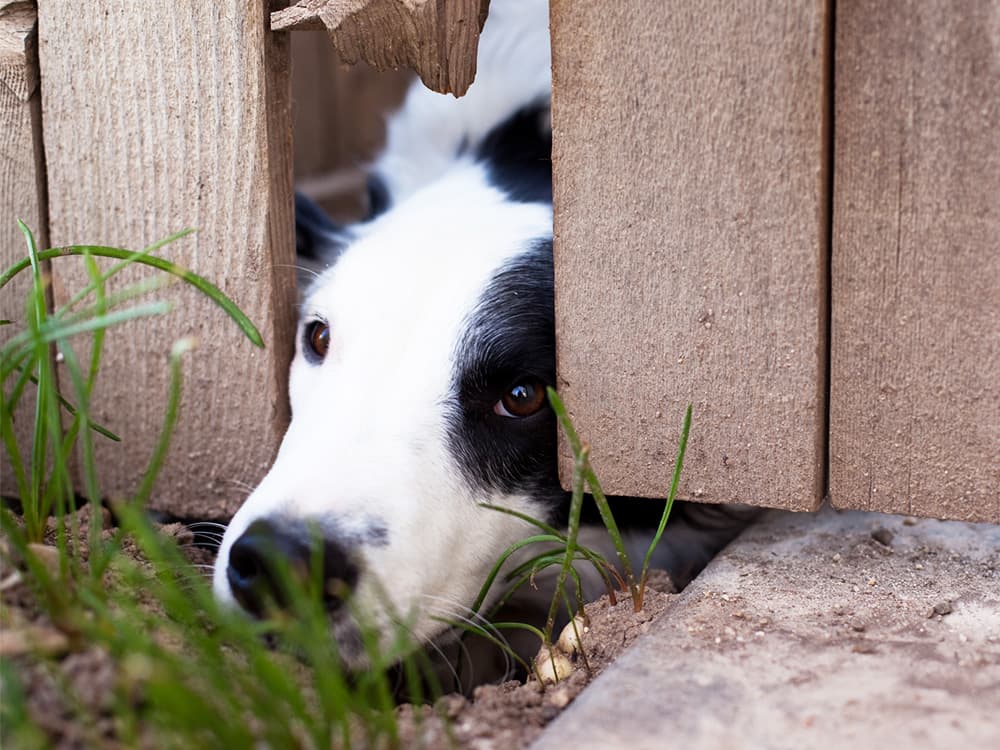
Don’t underestimate a new dog on a mission. Before giving them free rein, check your home and yard for possible escape routes.
Walk the entire fence line before letting your dog loose in the yard. Look for gaps, loose boards, holes, potential dig spots, and anything they could squeeze through or climb over. Check gates, too, and make sure they latch securely.
For the first several weeks, keep your new dog securely leashed every single time they’re outside, even in places that seem safe. A well-fitted harness or martingale collar can provide extra protection against slip-outs. In some cases it may be beneficial to double up a leash attached to a collar or harness with an additional slip lead, just to be safe.
Consider leaving a short, lightweight leash attached to your dog while they’re supervised indoors during the settling-in period. A drag leash gives you a quick way to redirect or stop them. But never leave a drag leash on when your dog is unsupervised — it can get caught on furniture or other objects.
New dogs may dart through an open door before you realize what’s happened. Be extra careful when entering and leaving, and make sure everyone in your household knows to check where the dog is before opening an exterior door.

Luis Velasco / Stocksy
New people and other pets should be slow reveals, not surprise parties. When your dog is ready to meet new people, keep the environment calm and let them approach folks at their own pace — instead of forcing interaction.
Other pets in the home, such as dogs and cats, need gradual introductions, too. Keep early meetings short and supervised, and make sure each pet has space to retreat when needed.

Daniel Gonzalez / Stocksy
Don’t wait until something’s wrong to find a vet for your new dog. Schedule a checkup within the first few weeks of adoption to get a baseline physical exam and establish veterinary care.
If you are unsure about your dog’s microchip status or number, your vet can check this out and set you up if needed, including helping you find where to register your information for your dog’s chip.
Sergeeva / iStock
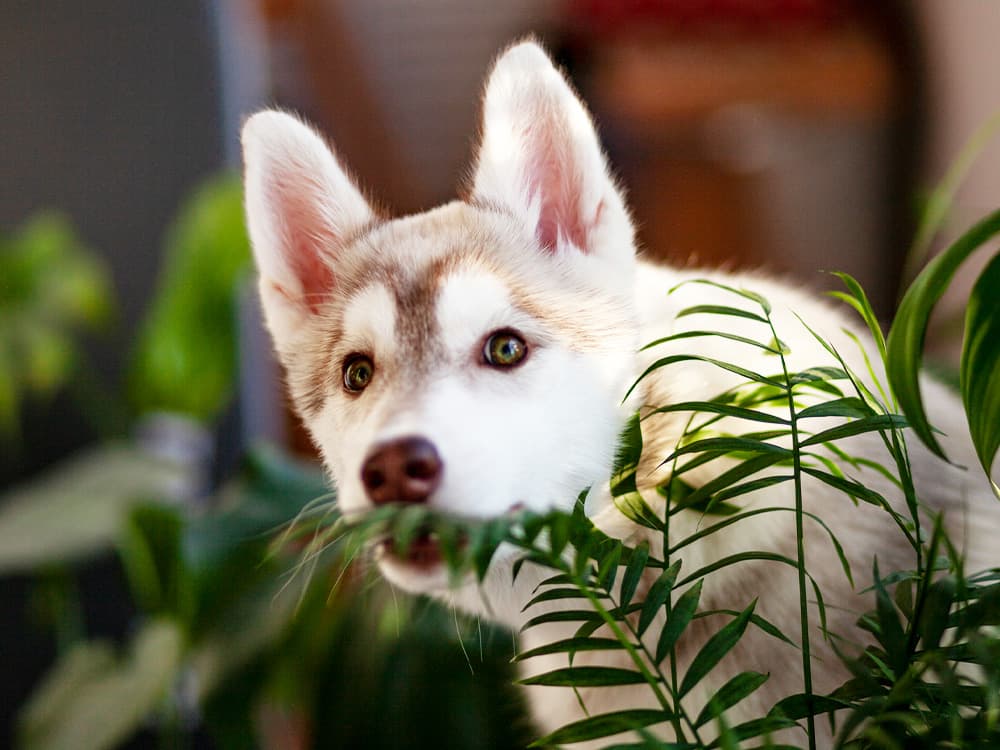
Dogs tend to investigate anything within reach. Check every space they can access — indoors and out — for potential toxins. And don’t forget about nontoxic troublemakers. Dog-proof your home by securing electrical cords and trash, as well as putting away string, small objects, and anything else your new dog might decide looks chewable or edible.
Keep these common hazards out of reach:
Toxic foods: Chocolate, grapes and raisins, onions and garlic, xylitol-containing products (like sugar-free gum), alcohol, caffeine, and other foods that are harmful to dogs
Human and pet medications: Pain relievers, prescription drugs, and supplements intended for humans or other pets
Toxic plants: Sago palms, oleander, geraniums, hydrangeas, azaleas, tulips, lily of the valley, peace lilies, and other plants that are toxic to dogs
Household and yard chemicals: Cleaners, bleach, pesticides, rodenticides, fertilizers, antifreeze, and other potentially toxic chemicals

Katie Koschalk is a freelance writer based in Northern California. Fusing her love and knowledge of animals with her journalism degree and years of professional writing, Katie is dedicated to improving the lives of pets and their caretakers by sharing helpful and accurate information. When she’s not at her desk, you can find her exploring trails with her Aussie, Hunter, cooking plant-based meals, and talking to her two cats, Jax and Sadie, in really ridiculous voices.
Adoption Advice

Adoption Advice
Adoption Advice
Adoption Advice
Preparing for a new puppy with kids? Read our guide for insights on creating a harmonious bond between your children and new puppy.
Adoption Advice
The beginning of puppy parenthood can be rough, but it does get better — especially when you implement this advice.

Lifestyle
A few things to consider before expanding your fam by four more paws.

Behavior & Training
Dogs need space to live their best lives, but how much is enough?

Behavior & Training
Of course, you can. This guide will explain how.