A Pet Parent’s Guide to Safe and Toxic Plants
Got a particularly curious, nosy pet who gets into your plants? This one’s for you.
Got a particularly curious, nosy pet who gets into your plants? This one’s for you.
by Dr. Maria Zayas, DVM, | March 19, 2026

VisualProduction / Adobe Stock
Spring is here, and whether you’re refreshing your space with new plants, sprucing up the yard, or finally committing to that indoor jungle you’ve been planning — it’s the perfect time to make sure your home is as safe for your pet as it is Instagram-worthy. Think of it like baby-proofing. If you’re bringing home a pet — or even if you already have one — keeping your dog or cat healthy is always a top priority, and ensuring their space is safe is just as important.
If you decide to test out your green thumb with some new plants, you should make sure any plants you bring home will get along with your pet. Certain plants may be safe for your home while others are toxic only if eaten and unsafe if chewed on or licked — or maybe only certain parts of a plant are dangerous. And the effects range from pain in the mouth or throat, an upset stomach, to life-threatening organ damage.
So as you’re refreshing your space this season, it’s worth knowing exactly what’s coming through the door, for your sake and theirs.
While you’re researching toxic plants, there are a few things you should know. First, not all of them are immediately life-threatening. Second, not all parts of a harmful plant are toxic: Sometimes, toxicity depends on the life stage or a part of the plant. And lastly, how exactly your pet interacts with a plant can also affect risk.
Many different parts of a plant can be toxic, including roots, bulbs, stems, branches, leaves, flowers, buds, and pollen. Also, sometimes all parts of a plant are toxic, while at other times only the leaves or the flowers are. Certain plants even release highly toxic pollen, so a pet may not even have to touch the plant to be in danger. Meanwhile, there are plants that may not be toxic to the touch or even if chewed, but are highly dangerous if ingested.
If all of this sounds confusing, that’s because it can be. Read on for more clarity on how to protect your pet from dangerous plants.
When you’re purchasing a plant, they may be marketed as “pet safe,” “all natural,” “nontoxic,” or use other similar phrases. These are often legal terms and not necessarily helpful when deciding if a plant is safe for your pet.
“Nontoxic” may just mean not deadly, but the plant could still be toxic in that it causes trauma to the mouth when chewed on or causes vomiting if ingested. “Pet safe” may not apply to the species of your pet, and “all natural” doesn’t automatically mean safe.
Doing your own research and asking a professional about any plant species you want to bring home is always the best way to check a plant’s safety.
Whether they’re exploring, bored, stressed, or just curious, pets often chew on plants, and that can sometimes make them sick. Pets with pain (most commonly teething pain in young pets and arthritis in older pets) and anxiety may be more prone to chewing on or ingesting plants.
Pets may find some plants more appetizing than others, but even plants that aren’t tasty can be tempting. Here are some ways a plant might affect your pet:
Ulcerations in the mouth or throat
Drooling
Lack of appetite
Vomiting
Diarrhea
Lethargy
Unsteadiness or falling over
Dribbling urine
Muscle tremors
Seizures
Kidney damage
Liver damage
Anemia
Clotting issues
Heart-rate changes
Breathing-rate changes
Anxiety
Hiding
Personality changes that may range from fearfulness to aggression
Understanding if a plant you’re interested in bringing home is toxic — and also the ways it may be dangerous to your pet — can help you decide if it’s safe in your home.
cgdeaw / Adobe Stock
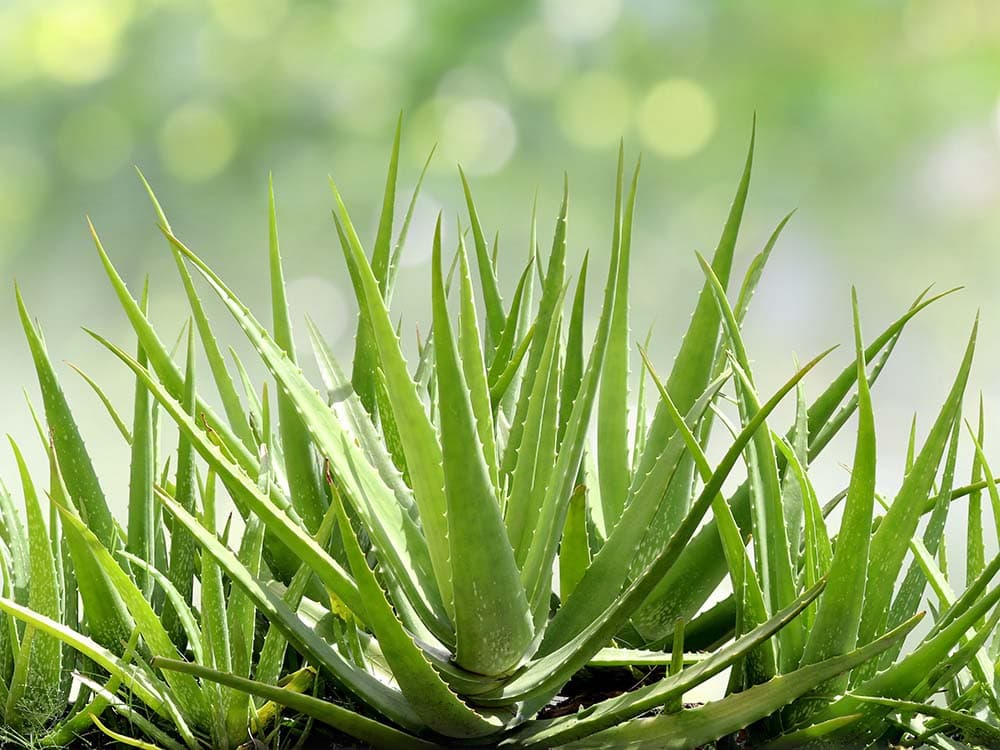
Aloe plants may be found indoors or outdoors and are toxic to pets. The sap, if enough is ingested, can cause vomiting and diarrhea, lethargy, and possibly muscle tremors.
Pet safety: Toxic to cats and dogs
Toxic parts: All parts (inner gel/latex layer)
Toxic by: Chewing, ingesting
cgdeaw / Adobe Stock/ Alusha/ Adobe Stock
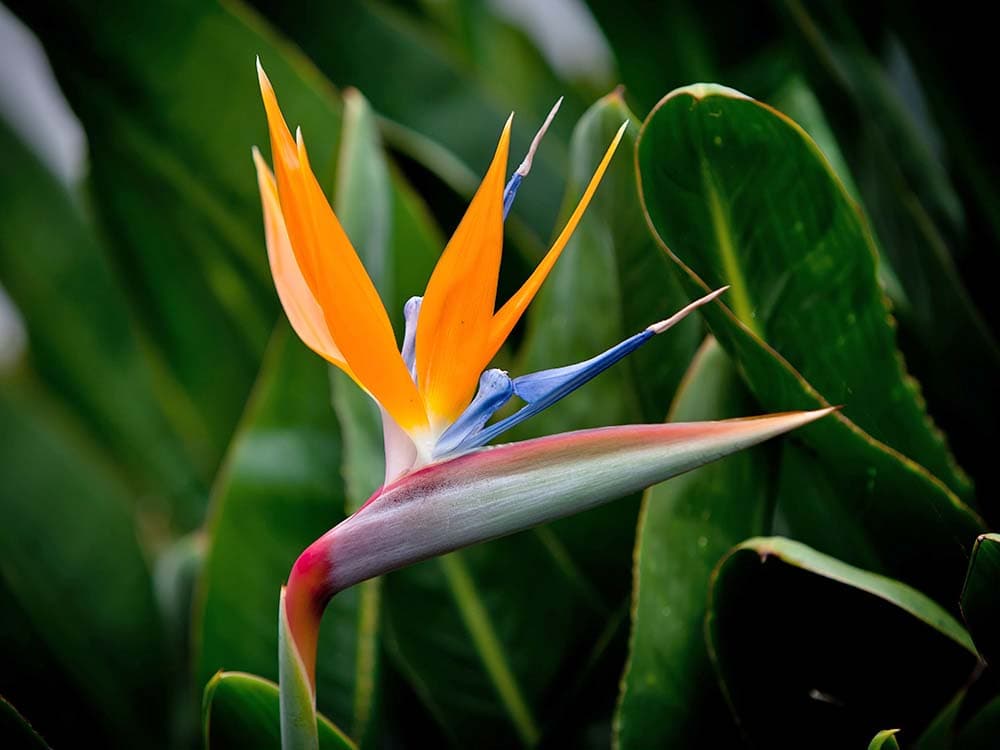
Birds of paradise are stunning, but there are parts of the plant that don’t do so well with pets. Generally, pets need to avoid only the seeds or fruit of this plant, which can cause vomiting, diarrhea, and lethargy. Some species of this plant are more toxic than others.
Pet safety: Toxic to cats and dogs
Toxic parts: Flowers, seed pods, seeds
Toxic by: Chewing, ingesting
Markus Winkler / Pexels
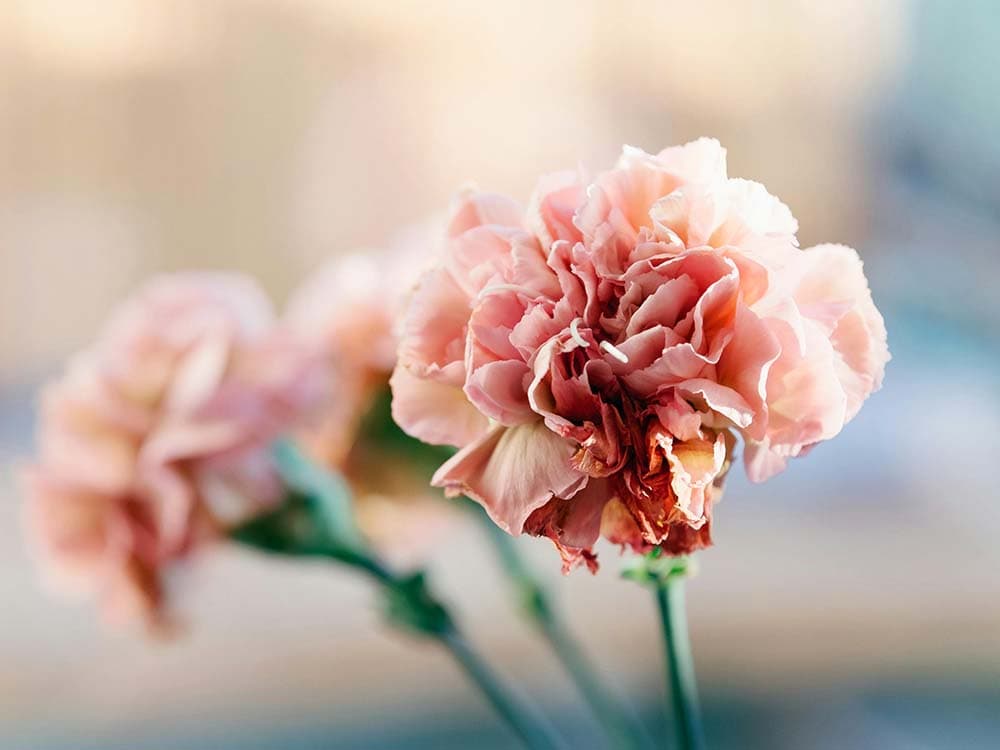
Although beautiful and common in bouquets, carnations may cause skin irritation or mild vomiting, diarrhea, or loss of appetite in pets. They’re not usually life-threatening, but it’s best to keep them out of reach.
Pet safety: Toxic to cats and dogs
Toxic parts: All parts
Toxic by: Chewing, ingesting, skin contact with sap, juice, or oils
İrfan Simsar / Pexels
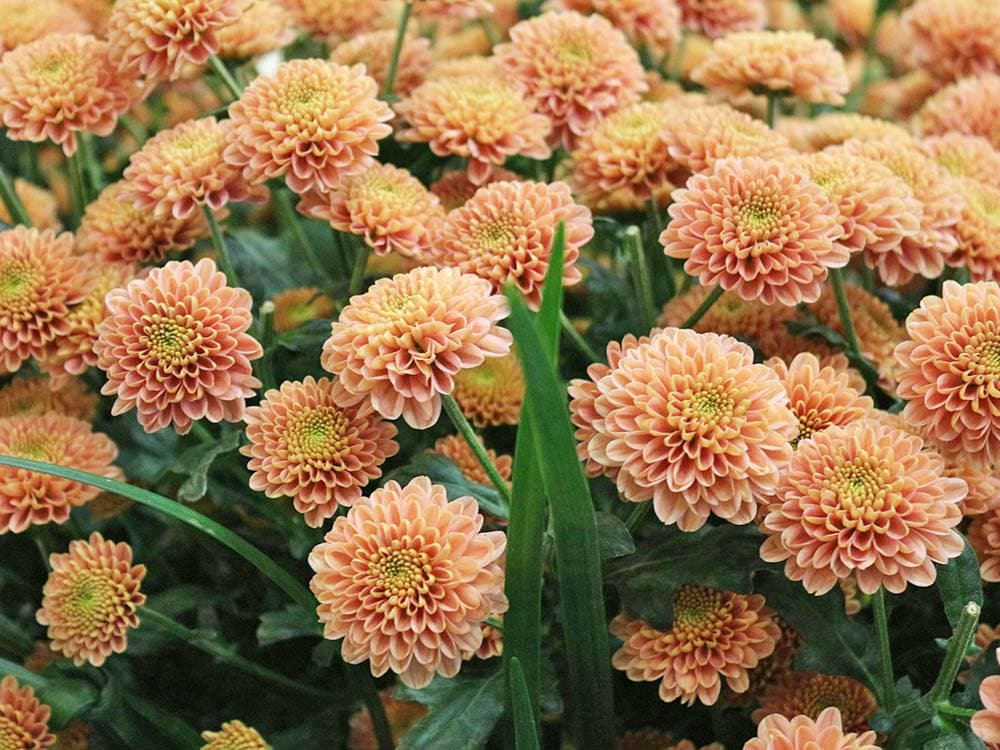
Chrysanthemums, another popular garden and bouquet flower, can hurt both cats and dogs. If enough chysamtemum is ingested, it leads to drooling, vomiting, diarrhea, and possibly unsteadiness. Even chewing on the plant may lead to drooling and mild stomach upset in pets.
Pet safety: Toxic to cats and dogs
Toxic parts: All parts
Toxic by: Chewing, ingesting, skin contact with sap, juice, or oils
de-nue-pic/ Adobe Stock
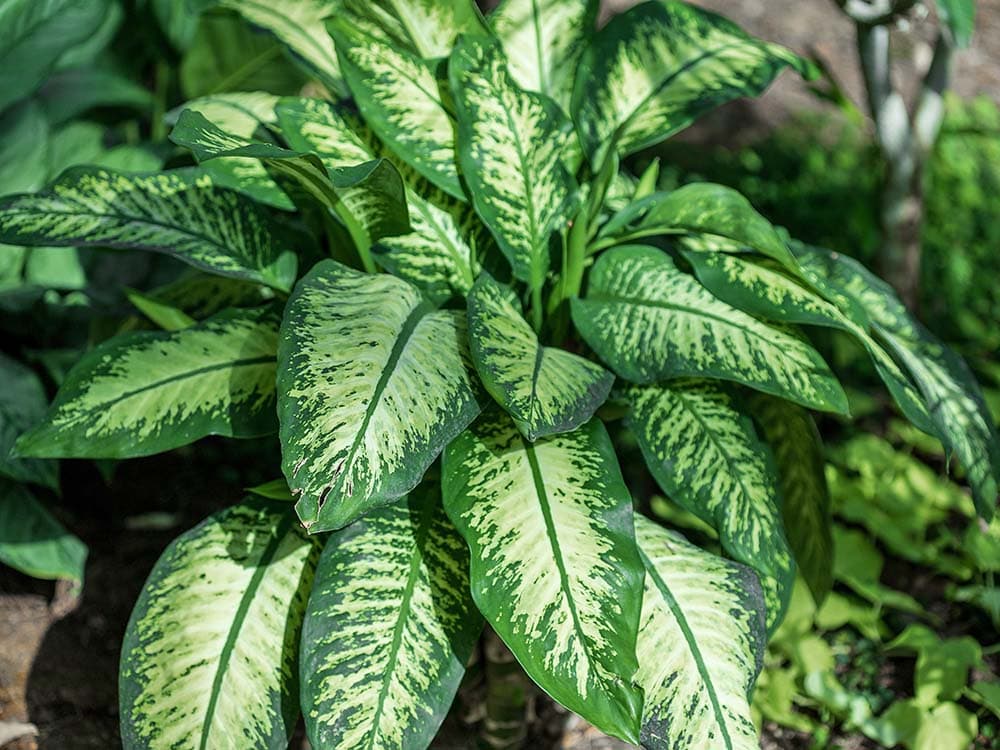
Dumb cane is a classic houseplant with broad, patterned leaves that brighten up any room. This plant can cause intense mouth pain, swelling, ulcerations, drooling, difficulty swallowing, loss of appetite, and sometimes vomiting. Both cats and dogs are at risk, though the effects are generally uncomfortable rather than life-threatening.
Pet safety: Toxic to cats and dogs
Toxic parts: All parts
Toxic by: Chewing, ingesting
natalya2015/ Adobe Stock
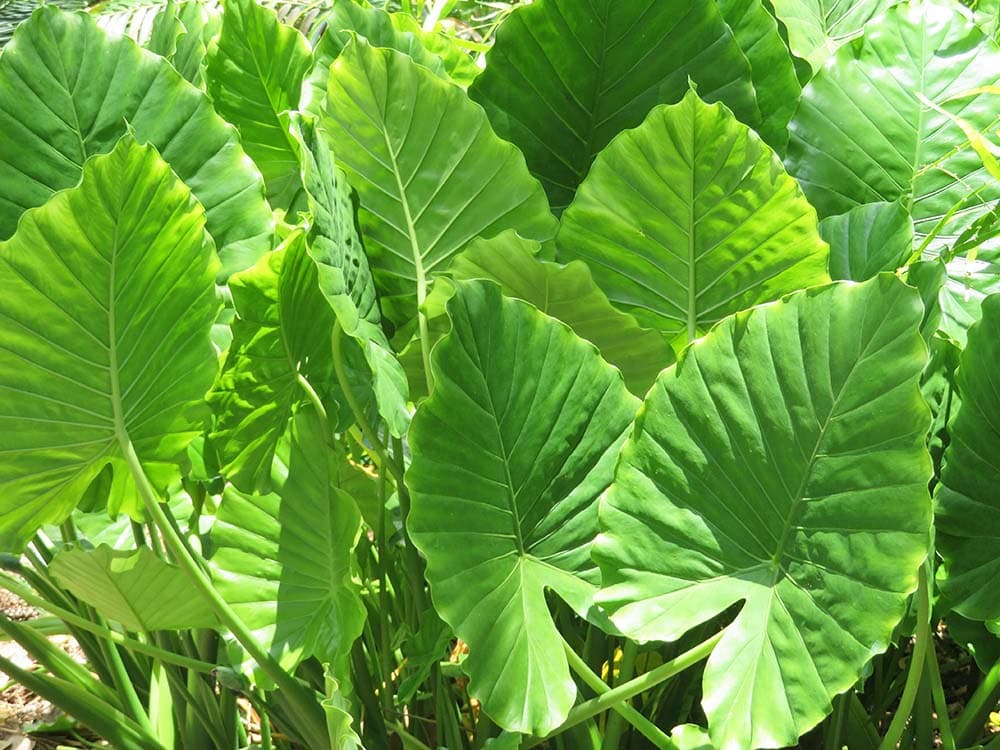
Elephant ear plants are dramatic, lush, and almost tropical in appearance, making them popular choices for indoor gardeners. Like dumb cane, they contain microscopic crystals in the leaves that, when chewed, can embed in the mouth. This causes mouth pain, swelling, ulcerations, drooling, difficulty swallowing, loss of appetite, and possibly vomiting.
Pet safety: Toxic to cats and dogs
Toxic parts: All parts
Toxic by: Chewing, ingesting
Firn/ Adobe Stock
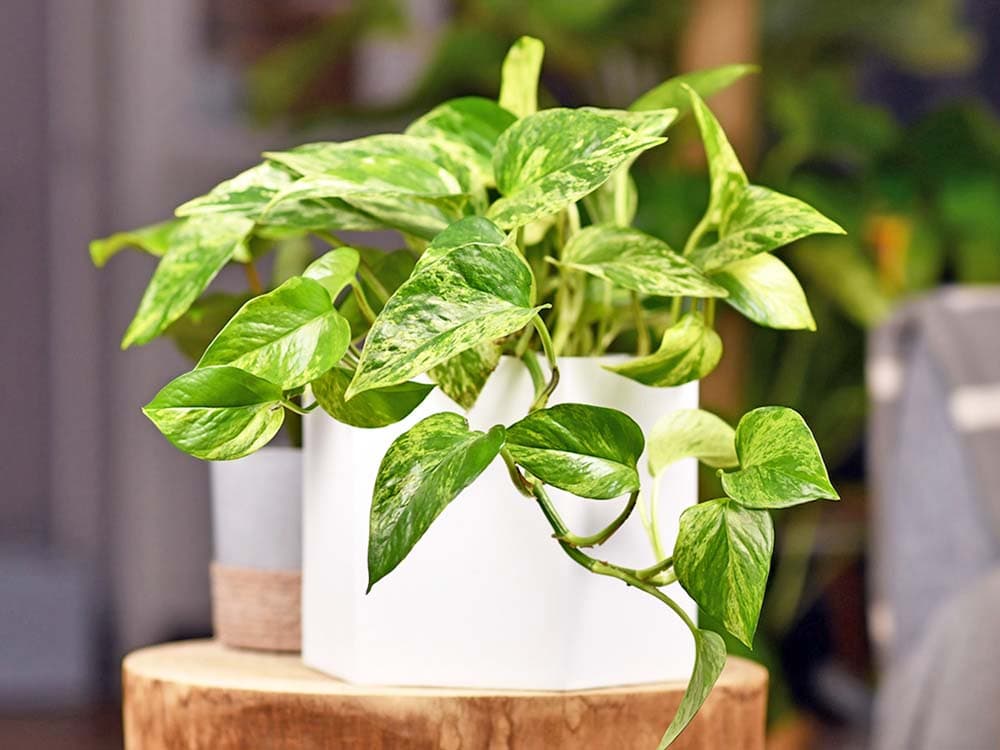
Pothos is an easy-to-grow, trailing vine that’s a staple in many homes. The leaves also contain microscopic crystals that can embed in a pet’s mouth if chewed. Dogs and cats who snack on pothos may drool, paw at their mouths, develop swelling or ulcerations, have trouble swallowing, lose their appetites, and possibly vomit. Like other aroids, the effects are uncomfortable but typically not life-threatening.
Pet safety: Toxic to cats and dogs
Toxic parts: All parts
Toxic by: Chewing, ingesting
Юлия Киселева/ Adobe Stock
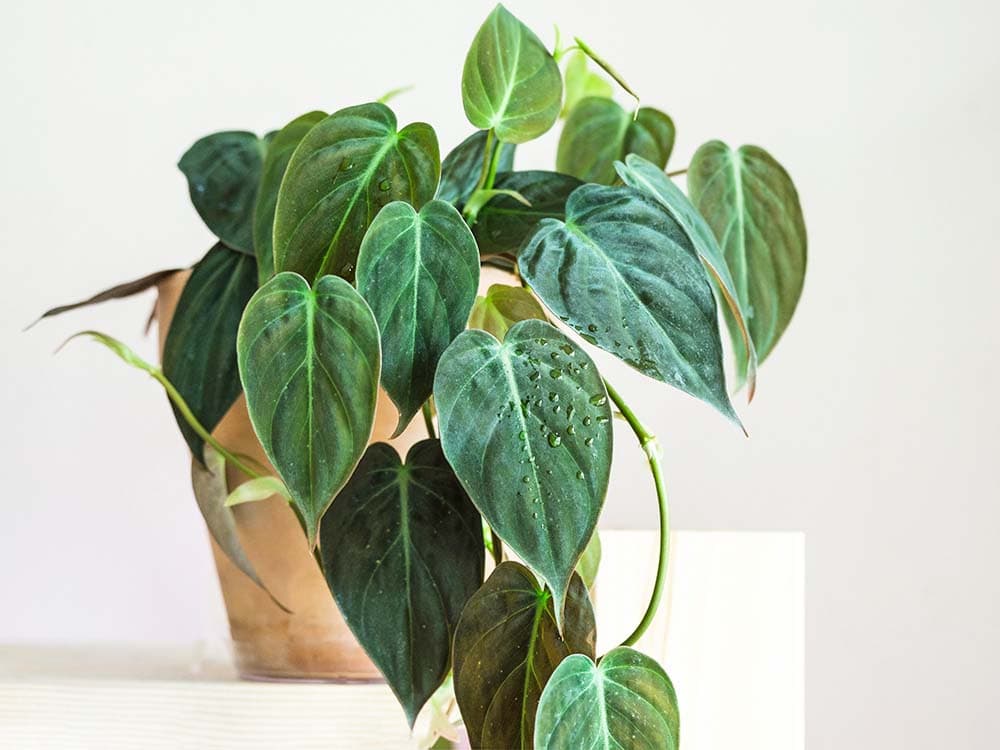
Philodendrons are familiar favorites for indoor spaces, with heart-shaped or split leaves that make them stand out. Both cats and dogs can experience oral discomfort if they chew philodendron leaves. This may cause drooling, mouth swelling, ulcers, difficulty swallowing, loss of appetite, and vomiting.
Pet safety: Toxic to cats and dogs
Toxic parts: All parts
Toxic by: Chewing, ingesting
New Africa/ Adobe Stock
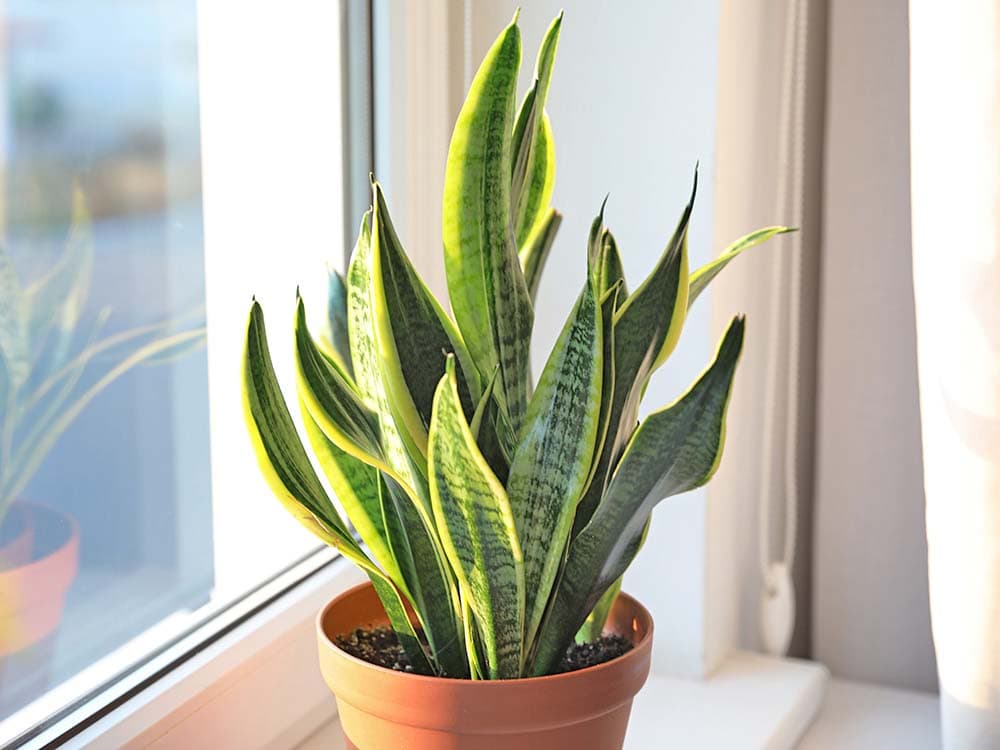
Snake plants are tough, upright, and tend to be a favorite for low-maintenance homes. But snake plants have saponins, which can irritate the digestive system. Dogs and cats who nibble on them may experience nausea, vomiting, diarrhea, and mild lethargy.
Pet safety: Toxic to cats and dogs
Toxic parts: All parts
Toxic by: Chewing, ingesting
TMR Studio/ Adobe Stock
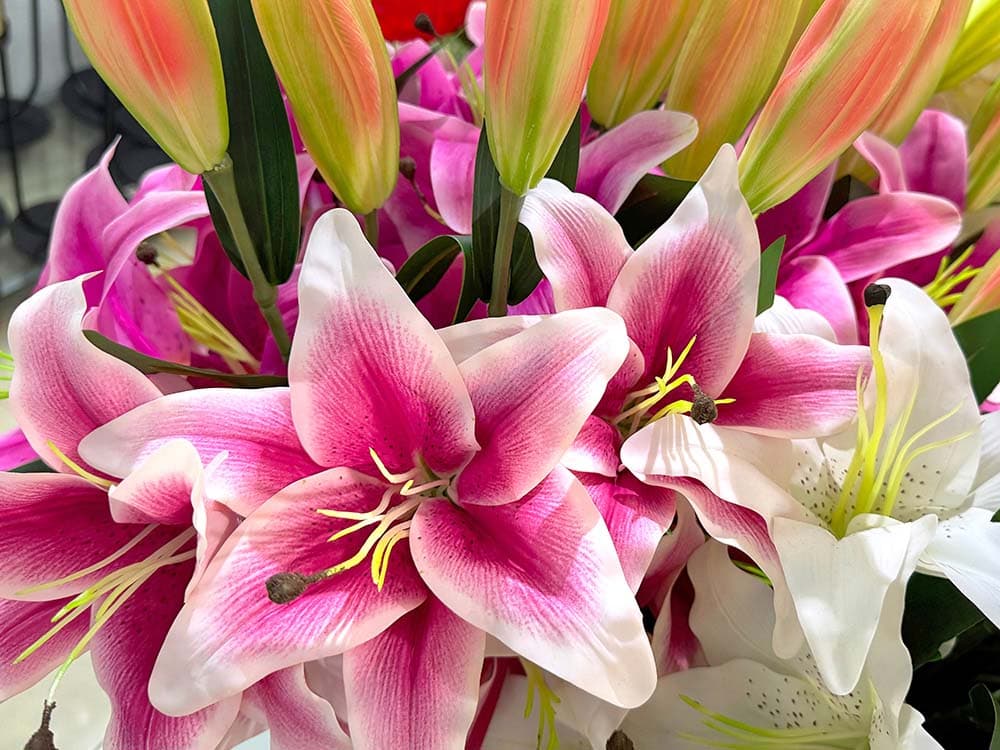
True lilies (of the genus Lilium) are extremely toxic to cats and often found outdoors or in floral arrangements. All parts of the plant are dangerous, and if a cat ingests small amounts of pollen or chews on the leaves, this can cause kidney failure. Symptoms may include vomiting, loss of appetite, increased drinking and urination, or even sudden death. Brushing against these plants and grooming afterwards, or drinking water from a vase containing lilies, can be fatal to kitties.
Pet safety: Extremely toxic to cats
Toxic parts: All parts (including pollen and water in the vase)
Toxic by: Chewing, ingesting, or even minimal skin contact
electricdre.ams/ Adobe Stock
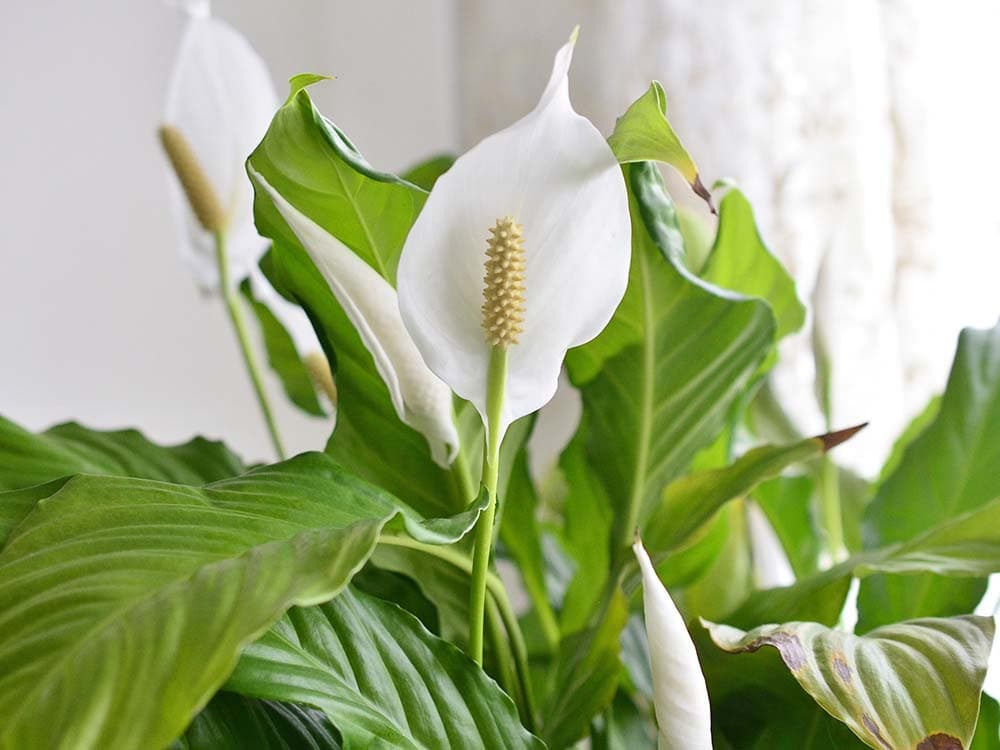
Peace lilies are different from true lilies because they are in a completely different plant group (the Araceae family). The peace lily plant is toxic to both cats and dogs. It irritates the mouth with ulcerations and swelling, drooling, difficulty swallowing, or vomiting.
Pet safety: Toxic to cats and dogs
Toxic parts: All parts
Toxic by: Chewing, ingesting
Pixel-Shot/ Adobe Stock
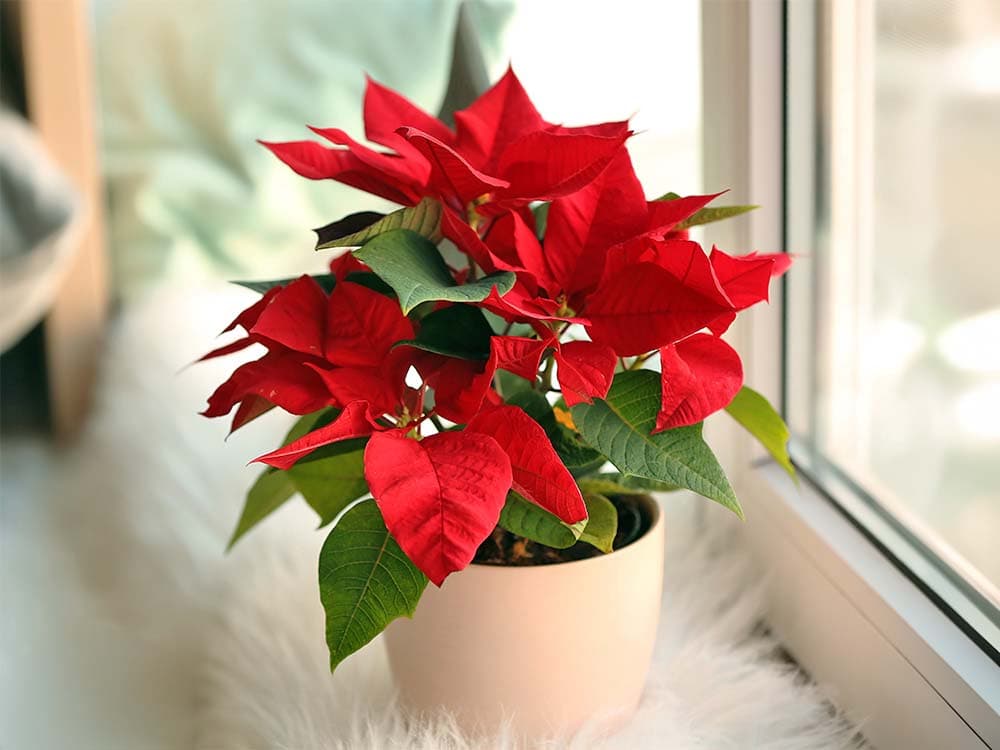
A common seasonal favorite, poinsettias, may also pose a problem for pets. These bright plants can irritate the mouth when chewed and may cause vomiting or diarrhea if ingested.
Pet safety: Toxic to cats and dogs
Toxic parts: All parts
Toxic by: Chewing, ingesting, skin contact with sap, juice, or oils
Many common landscaping choices are hidden hazards for dogs and cats who spend time outside.
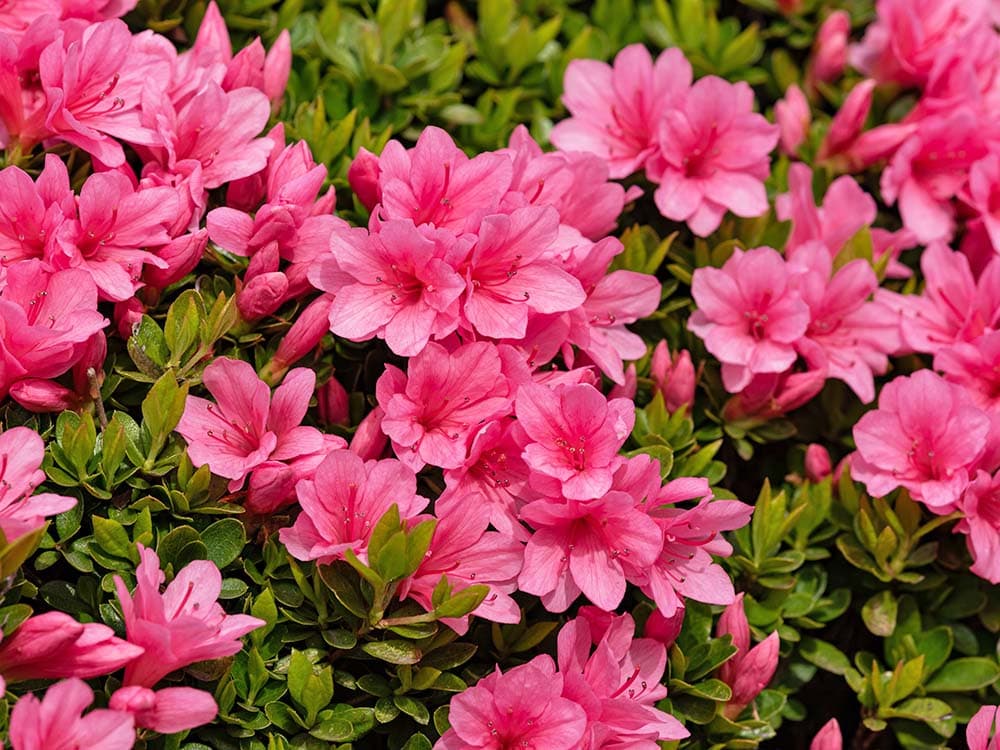
pikumin/ Adobe Stock
Commonly seen in gardens, azaleas are highly toxic to both dogs and cats. All parts of the plant (including the leaves, flowers, and even nectar) are troublesome and can cause vomiting, diarrhea, weakness, sudden collapse, and even stop the heart.
Pet safety: Extremely toxic to cats and dogs
Toxic parts: All parts
Toxic by: Chewing, ingesting
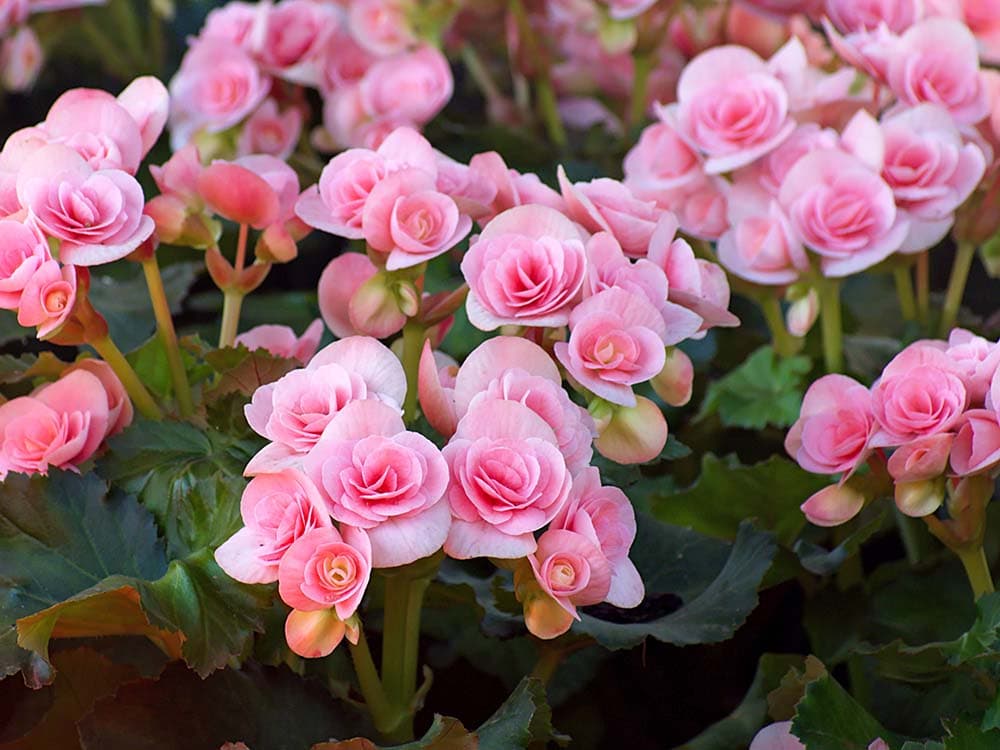
NinelittlePhoto/ Adobe Stock
Begonias are popular houseplants and outdoor bedding plants. But the roots of this plant in particular are most toxic to pets. Chewing on the flowers or stems (found in floral arrangements) can cause mouth pain and inflammation, salivation, and vomiting.
Pet safety: Toxic to cats and dogs
Toxic parts: All parts, but roots are most toxic
Toxic by: Chewing, ingesting
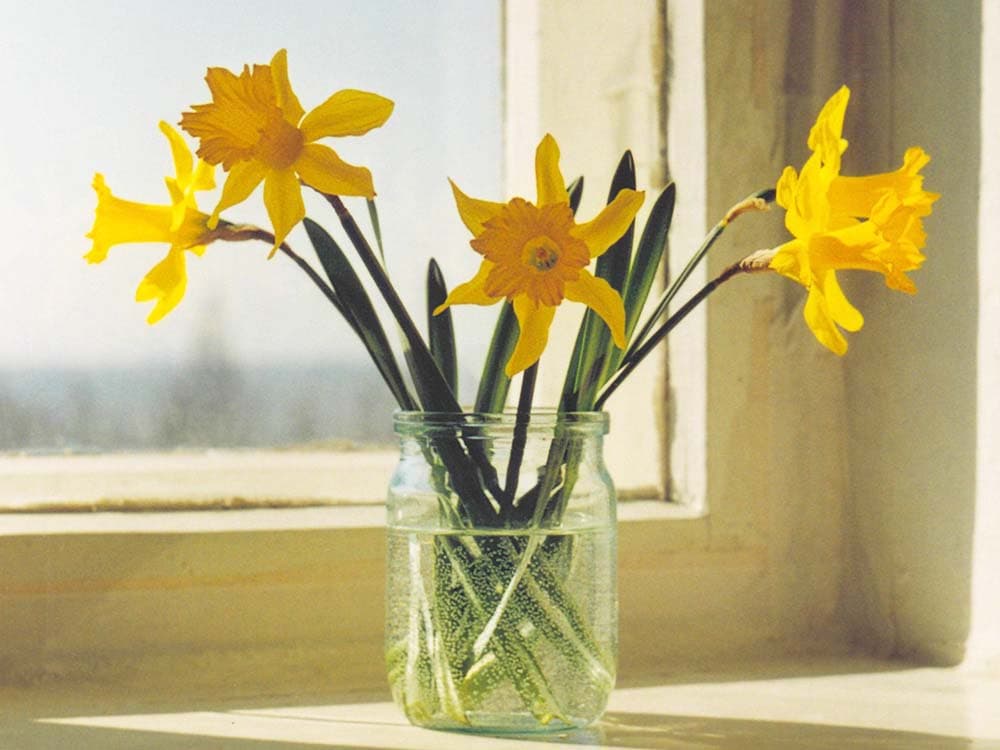
Andreas/ Adobe Stock
Daffodils and tulips are among the most commonly sold spring bulbs, but they are harmful to pets. Ingesting any part of the plant from the stem up can cause vomiting, diarrhea, or loss of appetite. Watch for them in indoor bouquets. The bulbs of daffodils and tulips are the most dangerous part for pets — ingesting the bulb/root can cause muscle tremors, seizures, and heart arrhythmias.
Pet safety: Extremely toxic to cats and dogs
Toxic parts: All parts, but bulbs are most toxic
Toxic by: Chewing, ingesting
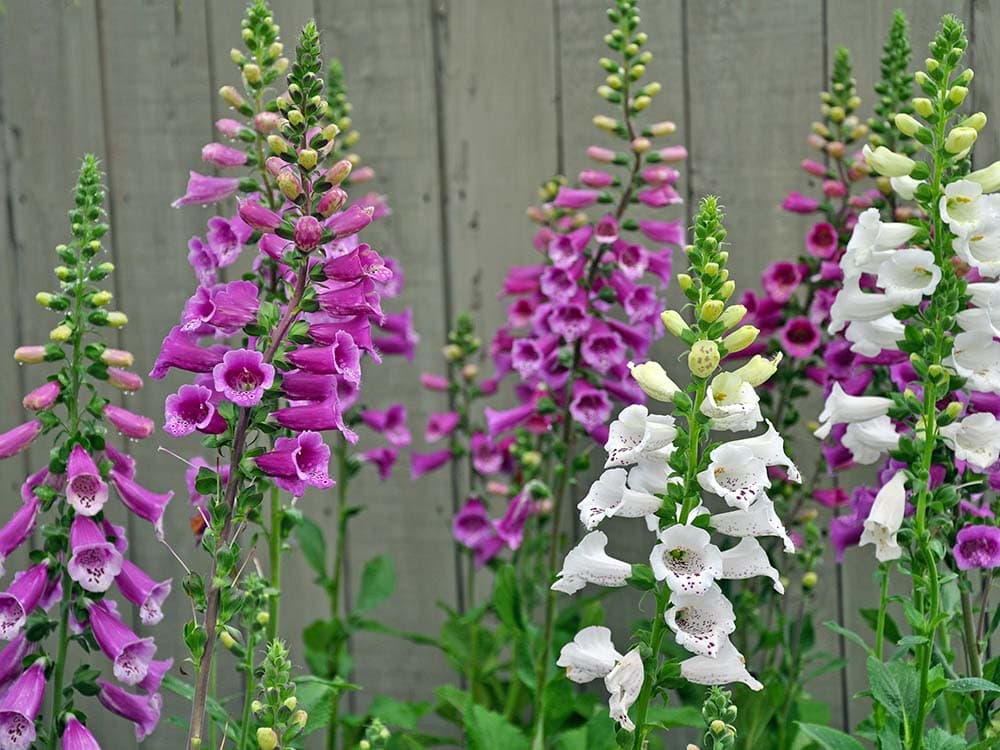
perlphoto/ Adobe Stock
Another common garden plant that is unsafe for pets is the foxglove. Ingesting any part of the foxglove can cause heart arrhythmias and heart failure, vomiting, diarrhea, and weakness or unsteadiness in pets.
Pet safety: Extremely toxic to cats and dogs
Toxic parts: All parts
Toxic by: Chewing, ingesting
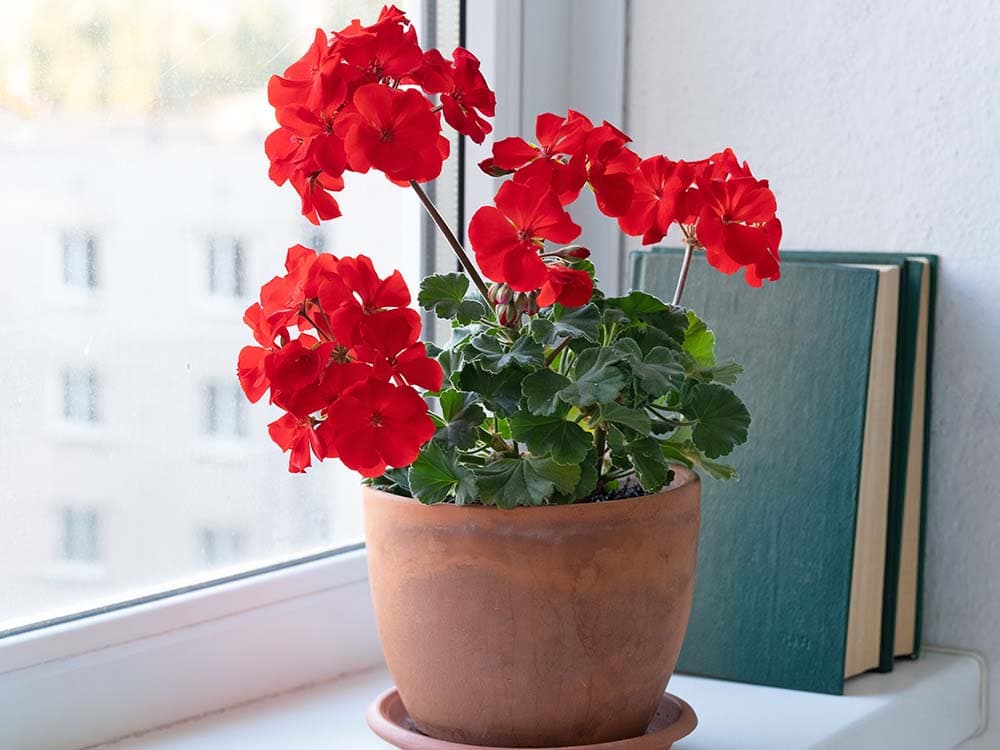
Alusha/ Adobe Stock
Geraniums are everyday favorites, but despite their popularity, they aren’t safe plants for pets. Chewing on the plant can cause skin irritation around the lips. Ingestion can cause vomiting, diarrhea, lethargy, and loss of appetite.
Pet safety: Toxic to cats and dogs
Toxic parts: All parts
Toxic by: Chewing, ingesting, skin contact with sap, juice, or oils
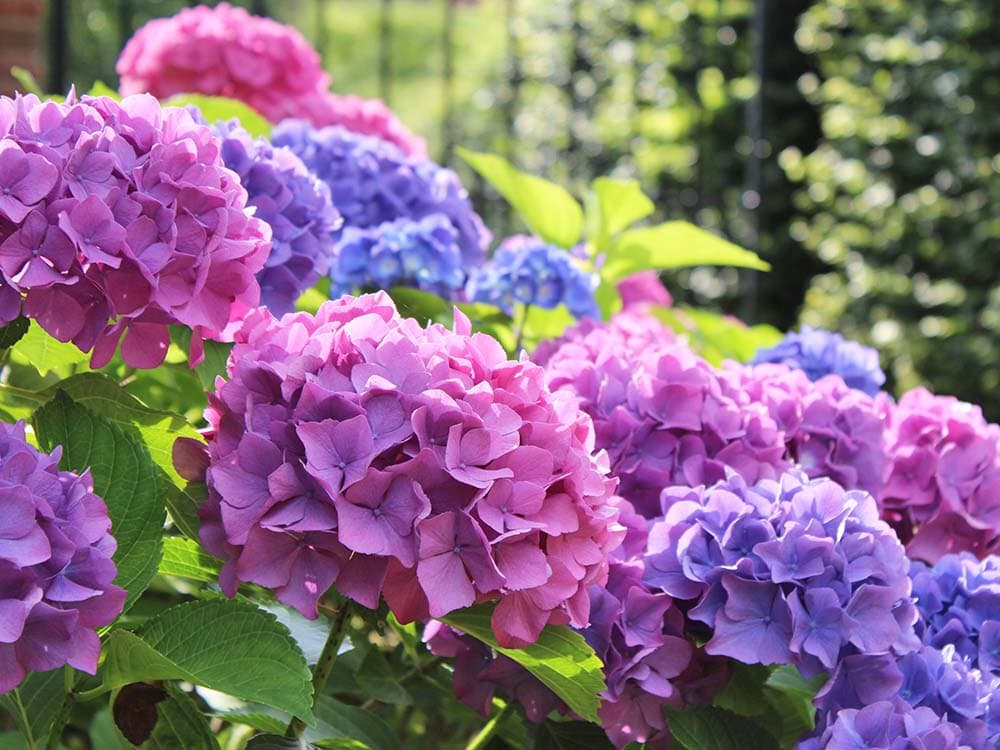
Imladris/ Adobe Stock
Hydrangeas are one of the most commonly planted shrubs, adored for their large, showy flower clusters. For households with pets, it’s important to know that all parts are mildly toxic. These shrubs mostly only cause vomiting and diarrhea.
Pet safety: Toxic to cats and dogs
Toxic parts: All parts, but flowers and leaves most toxic
Toxic by: Chewing, ingesting
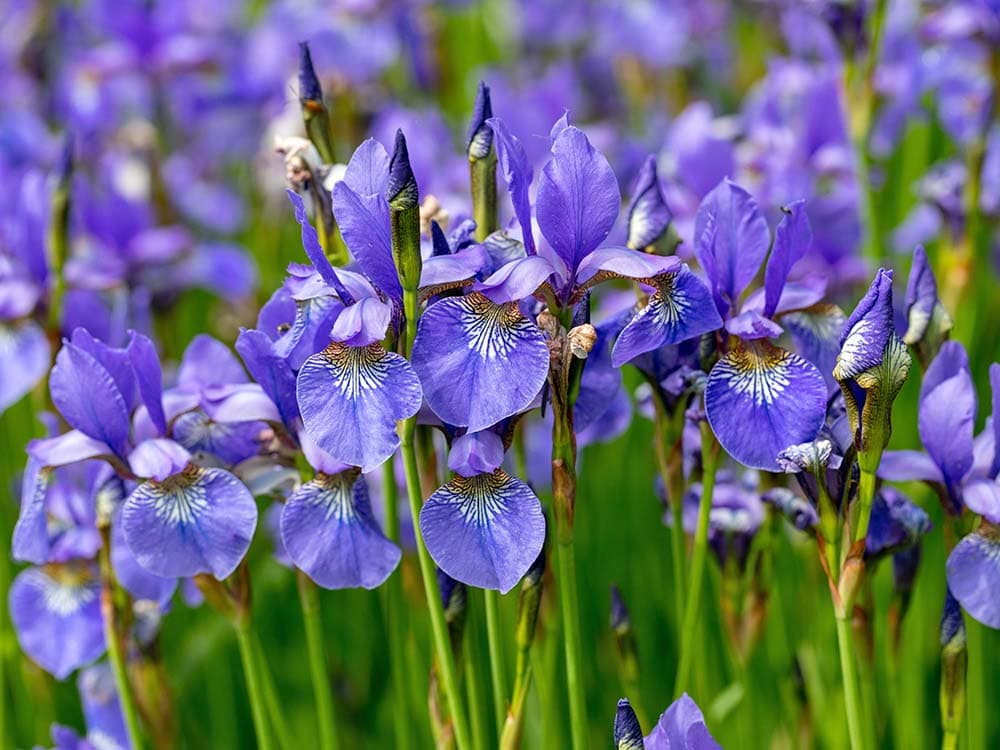
wjarek/ Adobe Stock
Irises bring bold, colorful blooms to gardens and bouquets, making them favorites for spring planting, but all parts of the plant are toxic to pets. The bulb of this plant is the most toxic part. Drooling, lethargy, vomiting, and diarrhea are all possible.
Pet safety: Toxic to cats and dogs
Toxic parts: All parts, but bulbs are most toxic
Toxic by: Chewing, ingesting
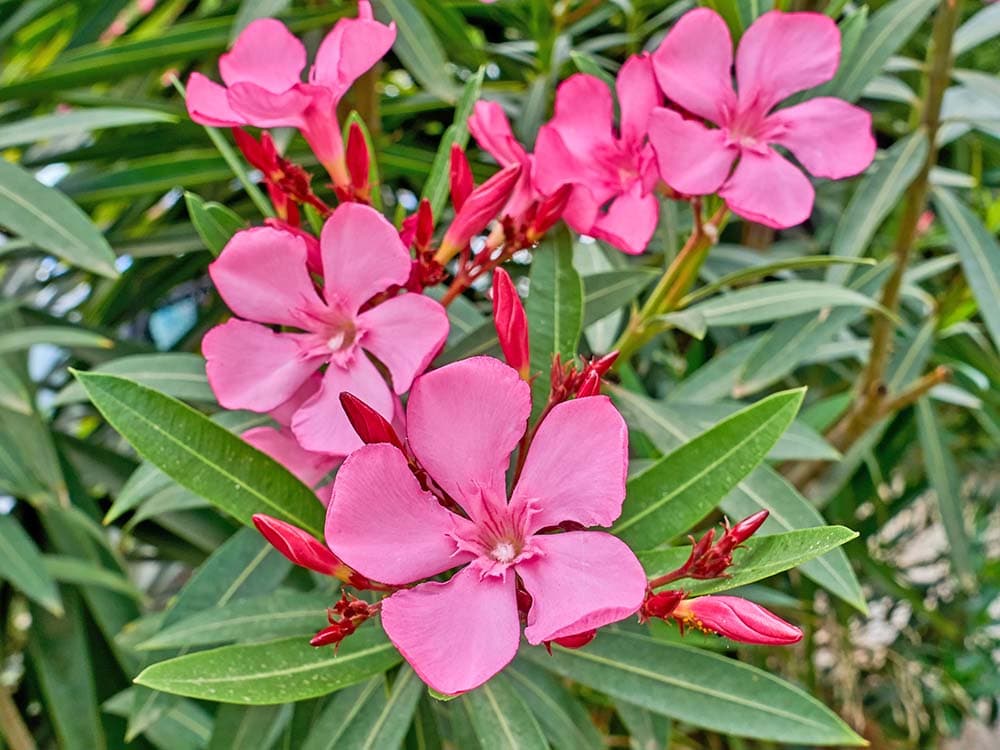
Dimitrios / Adobe Stock
Oleander is a popular flowering shrub, frequently seen lining streets and gardens, but every part of this plant is highly toxic to dogs and cats. Chewing on or ingesting any part of the plant can cause heart arrhythmias, low blood pressure, diarrhea, vomiting, seizures, and shock — and can be fatal.
Pet safety: Extremely toxic to cats and dogs
Toxic parts: All parts
Toxic by: Chewing, ingesting, skin contact with sap, juice, or oils
Dorling Kindersley ltd / Alamy
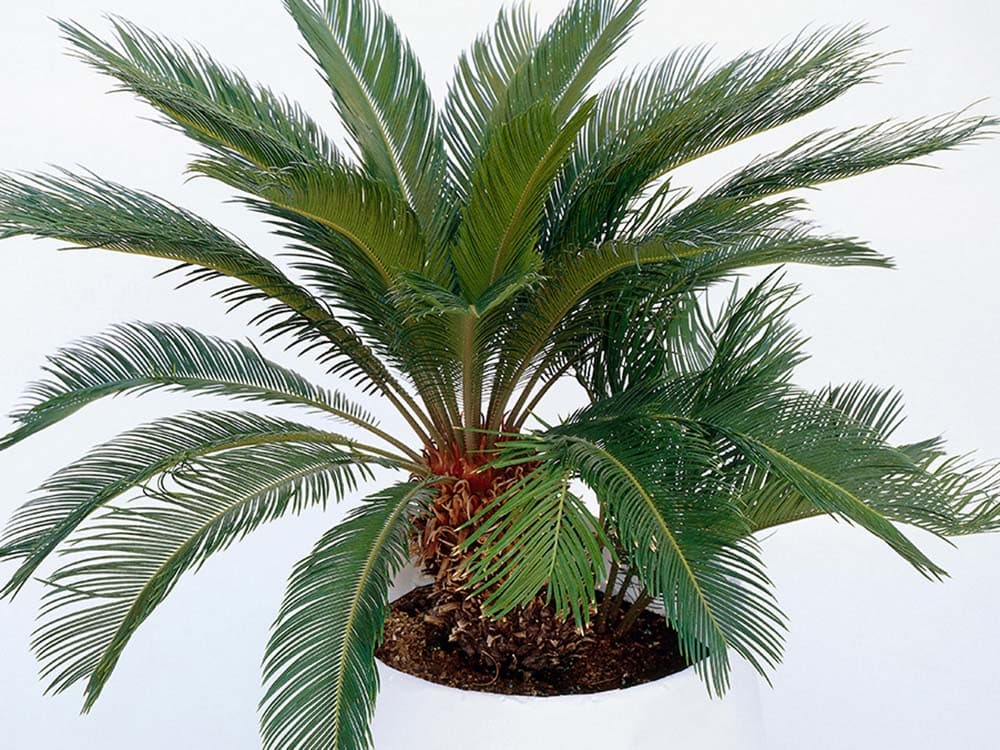
Sago palms are a common sight in landscaping, often spotted in yards or sold at garden centers, but they are highly toxic to pets. Many can also be potted and kept indoors. Chewing on or ingesting any part of the plant can cause slow clotting, bloody diarrhea, increased thirst, vomiting, and liver failure. This can ultimately be fatal.
Pet safety: Extremely toxic to cats and dogs
Toxic parts: All parts, but seeds most toxic
Toxic by: Chewing, ingesting
Good news: You don’t have to choose between being a plant parent and a pet parent. This section highlights beautiful, nontoxic, pet-friendly plants.
Alyssum (good for companion planting in gardens)
Most true daisies
Boston fern
Calatheas
Camelia
Canna lily (not a true lily)
Catnip
Christmas cactus
Echeveria succulents
Impatien
Marigold
Nasturtium
Pansy
Prayer plant
Violets
Petunia
Roses (unless ingesting thorns is an issue)
Snapdragon
Spider plant
Star jasmine
Sunflowers
Zinnia
If you notice your pet has chewed on or possibly eaten a plant, and you want to know if you have a problem, look up the plant in the ASPCA poisonous plants directory.
Note which plant they’ve interacted with, how much they’ve chewed on or eaten, and if they are currently showing any symptoms — such as drooling, lack of appetite, vomiting, diarrhea, lethargy, unsteadiness or falling over, dribbling urine, muscle tremors, seizures, changes in heart or breathing rate, anxiety, hiding, or personality changes ranging from fearfulness to aggression.
If you are unsure how much your pet has interacted with a toxic plant, or if they are already showing any signs of distress, it is time to speak to or see a vet. Take a picture of the plant — and all the information you have gathered — and reach out to your local general-practice clinic or emergency veterinary hospital, depending on the time of day and how urgent your pet’s reaction to the plant is. When in doubt, call the vet ER, and they will advise you on the best place to go.
There are two pet poison control hotlines available to you if your pet has had access to a toxic plant:
ASPCA Poison Control: (888) 426-4435
Pet Poison Helpline: (855) 764-7661
Calling these numbers will connect you with a specialist who will assess the risk to your pet and advise you on if your pet should see a vet immediately, sometime in the future, or what to watch for and how keep your pet comfortable.
No, spider plants are completely safe for dogs (and cats).
Yes, aloe vera is mildly to moderately toxic to dogs, if ingested.
Prayer plants are not toxic to dogs.
Common outdoor plants that are toxic to cats include lilies, tulips, daffodils, azaleas, hydrangeas, and more.
“24/7 Animal Poison Control Center.” Pet Poison Helpline, www.petpoisonhelpline.com.
“ASPCA Poison Control.” ASPCA, 2015, www.aspca.org/pet-care/aspca-poison-control.
Brooks, DVM, Wendy. “Safe and Toxic Garden Plant Images.” Veterinary Information Network, Veterinary Partner, 2024, veterinarypartner.vin.com/default.aspx?pid=19239&id=8605646.
“Plants Toxic to Dogs.” Cornell University College of Veterinary Medicine, 2026, www.vet.cornell.edu/departments-centers-and-institutes/riney-canine-health-center/canine-health-topics/plants-toxic-dogs. Accessed 20 Feb. 2026.
Young, Amy. “When Plants and Animals Don’t Mix.” Animal Health Topics / School of Veterinary Medicine, 27 June 2025, healthtopics.vetmed.ucdavis.edu/health-topics/when-plants-and-animals-dont-mix.

Dr. Maria Zayas attended Ross University School of Veterinary Medicine where she completed her veterinary degree in addition to participating in and presenting research related to aquatic animal medicine. She spent her first year as a doctor working with a low cost spay/neuter and general practice clinic before returning to her home state of New York and entering the world of housecall veterinary medicine. Falling in love with this area of medicine, she launched her own housecall veterinary practice in addition to writing pet health articles. She loves all things related to water and continues to travel and explore with her three dogs and one cat, all of whom also love to swim.

Adoption Advice

Behavior & Training

Adoption Advice
Adoption Advice
Curious about cat-proofing? Learn how to make your home safe and enjoyable for your cat.
Adoption Advice
This list of uncommon flower names goes way beyond roses and daisies.
Adoption Advice
Learn about the key vaccinations and environmental considerations that go into determining when it’s okay for your kitty to venture out of your home.

Adoption Advice
Check out these science-supported benefits of pet parenthood.

Adoption Advice
What sounds like a great idea can quickly go south if you aren’t fully prepared to adopt a puppy.

Pet Wellness
GI issues are common, but very treatable. Here’s how to help your new dog or cat overcome their stomach problems as they settle into your home.