When Should You Spay or Neuter Your Dog?
The research is confusing—here are some guidelines.
The research is confusing—here are some guidelines.
by Dr. Alycia Washington, DVM, MS, | August 18, 2023
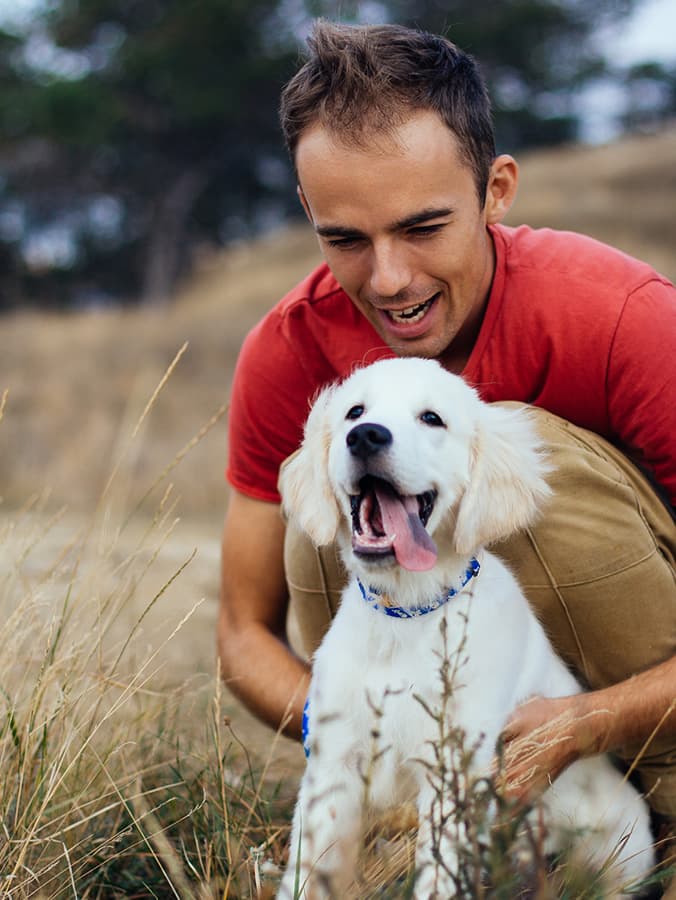
Vradiy Art / Stocksy
When you adopt a puppy, you have a lot of choices to make, from choosing the best diet to finding the perfect training classes. One of the biggest decisions you’ll have to make is when to spay or neuter your puppy.
For decades, it’s been common to spay or neuter dogs between the ages of four to six months, but recent research has suggested that may be too early for some puppies. While it’s hard to ignore the many health benefits of spaying and neutering, the question of when to schedule your puppy’s surgery is a little more complicated. Learn about when to spay a dog and when to neuter a dog based on their breed and size.
First thing’s first: You need to understand the difference between neutering and spaying. While these terms both refer to sterilization, they’re not interchangeable.
Neutering a dog, a surgery known as castration or an orchiectomy, involves removing the testicles and associated structures from a male dog, eliminating the animal’s ability to reproduce. Spaying refers to the same concept for female dogs, known as an ovariohysterectomy. The dog spaying procedure involves removing the uterus and ovaries to end a female dog’s heat cycle and the possibility of pregnancy.

A vet’s take on why it’s a smart choice. Snip, snip!
Both spaying and neutering prevent litters of puppies, reducing the animal population and the need for pet euthanasia in shelters.
So, when is the best time to spay a dog? Many vets used to recommend spaying or neutering a puppy between four and six months of age, but more recent studies suggest that the right time for the surgery depends on the dog’s size and breed. If you’re determining when to spay a female dog, it’s best to discuss in detail with your vet, who can help you identify any potential medical concerns in the future that could be impacted by an early spay.
Larger dogs often take longer to reach sexual maturity, so vets now suggest waiting to spay or neuter until these pups are a little older. While you should always discuss your dog’s specific needs with your vet, below are some general guidelines for when to neuter a dog or spay a dog based on size and sex:
For small dogs (22 pounds or less), females should be spayed before their first heat, which is around five to six months old and males at around six months.
For medium-sized dogs (between 25 and 45 pounds), the same guidelines apply — females before their first heat (at five to six months) and males by six months.
For large dogs (over 45 pounds) or giant dogs (over 75 pounds), males should be neutered after their growth ends, usually around nine to 15 months. For females, the decision should be based on additional factors, such as disease risk and your lifestyle, but you may want to wait to spay your dog until they’re at least nine months old.

Spot lumps, limps, and lethargy early on.
Most female dogs enter their first heat, known as estrous, when they’re around nine or 10 months old. If you don’t spay your dog prior to her first heat, you can expect to deal with some less-than-fun new behaviors that serve as signs your dog needs to be spayed, such as:
Up to two weeks of bleeding (yes, dogs get periods, too), which means investing in and changing dog diapers
Abrupt changes in mood
Unwanted attention from male dogs in your area (which can mean stray dogs showing up at your door or in your yard)
If you choose to spay your dog before her first heat, you can avoid all these behaviors, as well as never worry about your dog ending up pregnant with a litter of pups you’ll have to care and find homes for.

We know, our pets grow up too fast. But seriously, how fast is too fast (or slow)? Adopt a Pet and Waltham Petcare Science Institute created a simple tool to help your new pet’s growth stay on track.
For male dogs, their first heat leads to multiple new behaviors, which can range from the frustrating to the dangerous, such as:
Urine marking, both outside and in the house
Roaming and running away, which can result in injury or even death
Neutering your dog before their first heat can curb their instinct to wander and keep your dog safe at home, as well as prevent them from harassing local female dogs.
Different dogs mature at different ages, and large dogs tend to reach sexual maturity much later than small and medium dogs. While it’s likely perfectly safe (and healthy!) to spay or neuter toy and medium breeds at as early an age as six to nine months, spaying or neutering large breeds too soon can lead to a number of health issues later in life, including urinary incontinence, orthopedic issues, and some types of cancer.
Keep in mind that delaying spay or neuter until your large dog is older does not guarantee your dog won’t suffer from any of these conditions. However, the benefits of waiting to neuter your dog include the reduced likelihood of some illnesses.

Animal behaviorists weigh in on what’s behind all of this bumping and grinding.
The earlier you spay or neuter your dog, the easier the surgery for both the vet and the patient. Younger dogs recover more quickly from these surgeries, which also tend to be less complicated if performed before your dog reaches sexual maturity.
A quick recovery is not the only benefit of an early spay or neuter. If spayed early, your female dog will never go into heat, which means no dealing with a menstrual cycle and no risk of pregnancy. Spaying your dog also eliminates the risk of any illness associated with the reproductive organs, like uterine or ovarian cancer.
The benefits of neutering a dog include preventing the urge to roam, keeping your pup away from dangers like traffic, fights with other animals, injury, and theft. Neutered dogs will also not engage in that obnoxious humping behavior that embarrasses pet parents in front of every houseguest.
Best of all, spaying and neutering can increase your dog’s life expectancy, so you can keep your beloved friend around even longer.

Remember, dogs have more than one emotion.
Sex hormones are part of any animal’s natural development, and spaying or neutering eliminates some of those hormones, which can affect all parts of your pup’s development. If you spay or neuter too early, your dog’s psychological, cardiovascular, and musculoskeletal development could be affected.
And as mentioned above, spaying or neutering a large dog too early can lead to increased risks of multiple health conditions, such as:
Joint issues, such as hip and elbow dysplasia
Cranial cruciate rupture or tear
Some cancers, such as lymphoma
If you have a large-or giant-breed dog, waiting a little longer to spay or neuter can help reduce the risks of health issues, such as hip dysplasia, immune diseases, and some cancers, as well as prevent urinary incontinence and struggles with weight gain.
Spaying or neutering can prevent quite a few unwanted behaviors, like urinating indoors and mounting. Neutered males also no longer have the innate desire to roam, which can help keep your dog safe. Many believe that one of the side effects of neutering a dog is reduced aggression, but that hasn’t been definitively proven.
As with any surgery, there are some risks involved. Adult dogs or dogs with other health conditions are more likely to experience complications from surgery, and some pet parents have reported that their dogs gained weight after spaying or neutering because of the changes in hormones. Weight gain is an especially common side effect of spaying a female dog.
Surgery also involves the use of anesthesia, which is just as safe for dogs as it is for humans but in rare cases can have a negative effect. However, spaying and neutering are the most common — and often safest — surgeries that veterinarians perform, so your pet will most likely recover with no issues.

Sadly, yes — one in four dogs will develop mammary tumors — but there's an easy way to prevent them.
While spaying or neutering are the most common sterilization options for dogs, there are some other alternatives your vet may bring up:
Vasectomy: While not common, there are procedures for male dogs similar to those for humans that sever the tubes, which move sperm from the testes.
Partial spay: A hysterectomy for female dogs involves removing the uterus, but leaving the ovaries. Dogs who undergo this surgery will still go into heat but won’t menstruate and are unable to become pregnant.
Ovariectomy: On the opposite spectrum, this surgery removes the ovaries but leaves the uterus, which eliminates the heat cycle entirely.
Nonsurgical sterilization: While still in the early stages, researchers are working to develop an injection for male dogs that stops sperm production without requiring surgery.
While it takes about 10 to 14 days for a dog to fully recover from spay or neuter surgery, most dogs will begin to feel better in just 24 to 48 hours.
The cost of spay or neuter surgery varies widely depending on your location, the size of your dog, the type of surgery, and your pet’s age. A routine neuter can range anywhere from $45 to over $300, while a routine spay can be $65 to over $600.
Fortunately, many areas have local free or low-cost spay/neuter clinics, so contact your local Humane Society or SPCA to find out about opportunities near you. You may also choose to adopt a dog from a shelter that includes spay or neuter services in their adoption fee.

It’s no laughing matter. Try these at-home treatments—and if they don’t work, take your dog to the vet ASAP.
Spaying before your pet enters their first heat decreases your dog’s risk of some cancers and reduces the hassle of cleaning up after a menstruating dog, which can definitely get messy.
For larger dogs, spaying too early can lead to health conditions like hip dysplasia, torn ligaments, urinary incontinence, and some cancers.
Neutering a dog too early can result in a loss of bone mass and even lead to behavioral issues, like aggression.

Alycia Washington is a small-animal emergency veterinarian with over 10 years of experience based in North Carolina. She works as a relief veterinarian and provides services to numerous emergency and specialty hospitals. She also works as a veterinary writer with a focus on educating pet parents.

Pet Wellness

Pet Wellness

Lifestyle

Pet Wellness
There are no stupid questions — well, when it comes to your dog’s health.

Lifestyle
We crunched some numbers and yup, they’re worth every penny.

Lifestyle
Look out for untrustworthy breeders — and report them.