How to Pick the Right Litter for Your Cat
Helping your cat find their preferred litter doesn’t have to be a crapshoot.
Helping your cat find their preferred litter doesn’t have to be a crapshoot.
by Avery Felman, expert review by Annette Louviere, DVM | September 9, 2026
Lightspruch / Adobe Stock
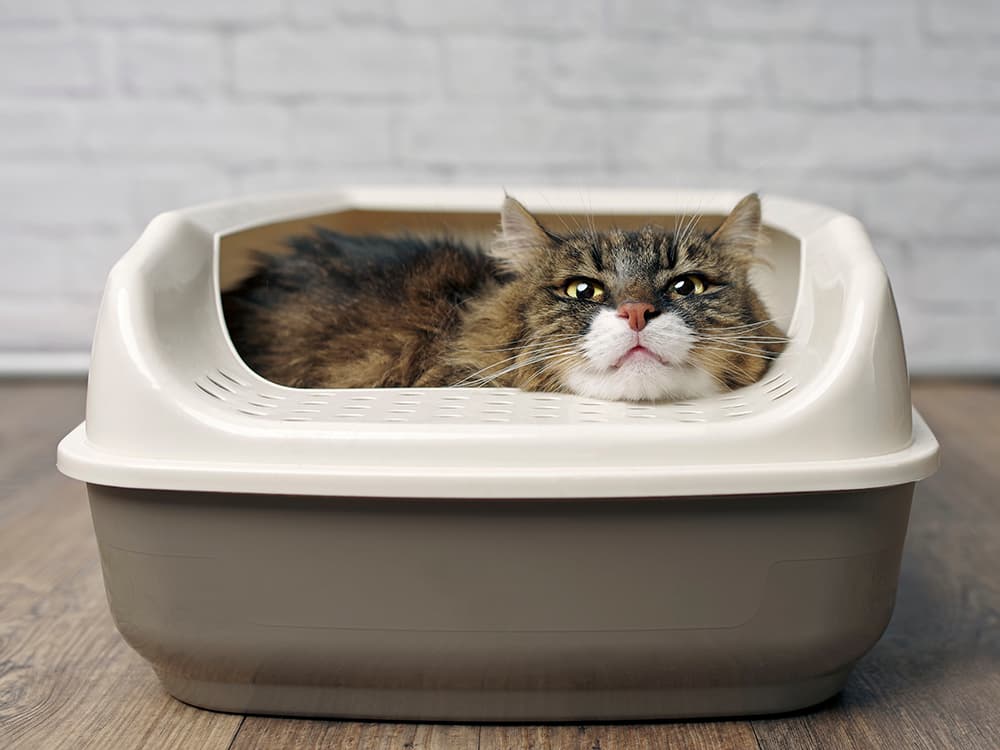
Cats are picky creatures. So, when it comes to cat litter, choosing the right product is vital. Not only does it keep your kitty happy, but it can help reduce the chance of them peeing outside of the box. (No, they’re not doing it out of spite.)
According to Dr. Jessica Bell, a professor at Washington State University’s School of Veterinary Medicine, “Scientists have actually researched litter preferences and found that cats prefer clay litter to silica (sand) or wood pellets.” The biggest turn-off for cats is smell. “Cats have really sensitive noses and don’t like perfumed litter,” Bell says, so always opt for a fragrance-free litter to start. Many cat parents may gripe that they’d prefer a nice scent to cover up their cat’s business. But if your cat’s litter deters them from using the box, we’re confident that an unscented option will start to look pretty good.
And how you can encourage them to cover up after doing their business.
As any cat parent might know, cats can be picky about their litter box. Texture, scent, and box style can influence your cat’s willingness to properly utilize their designated bathroom.
Unfortunately, getting the right combo of litter and litter box might take some trial and error. Just understand that changing your kitten’s litter too frequently can lead to litter box aversions, which can be hard to break. As a general rule of thumb, keep the litter box in a private, quiet area away from their food and water. Also, cats prefer a clean box over a not-so-clean one. If location and litter don’t appear to be the issue, you might consider swapping out the box itself.
Here are key factors to consider when selecting litter to support your kitty’s health and well-being.
Ingredients: Crystalline silica dust can cause respiratory issues and cancer. Sodium bentonite, a clay mineral found in clumping litters, can cause gastrointestinal blockages if ingested. And there are dangers with any product if it is not used and stored correctly. Wood and pine litters sometimes contain phenol, which can be damaging to your cat’s liver. But most phenol is burned off during kiln drying, which is part of the wood-based litter-making process for most brands. Just because something claims to be “all-natural” doesn’t mean it can’t pose a threat if, for instance, it is stored improperly and starts to grow mold.
Dust production: For some cats and their parents, dust can be a home and health hazard. So, take the term “dust-free” with a grain of salt. No litter will ever truly be 100 percent dust-free, but clay-based litters do tend to have more dust than non-clay alternatives. The smaller and more sand-like the litter, the more likely it is to produce dust. Those are also the litters that tend to be easiest on a kitten’s sensitive paws and therefore the most sensorially appealing. It’s a trade-off, and you need to find the right balance for you and your cat.
Fragrance: Cats can have allergic reactions to certain synthetic fragrances, so be on the lookout for that — but most cats tolerate them well. Also, cats have much more sensitive noses than humans do, and a strong scent could end up deterring them from using their litter box. Something to keep in mind.
Galina / Adobe Stock
These factors reflect how well the litter will do its job each day.
Odor-control ability: Odor control is a must for any cat litter. But let’s be real, some litter boxes need more help than others.
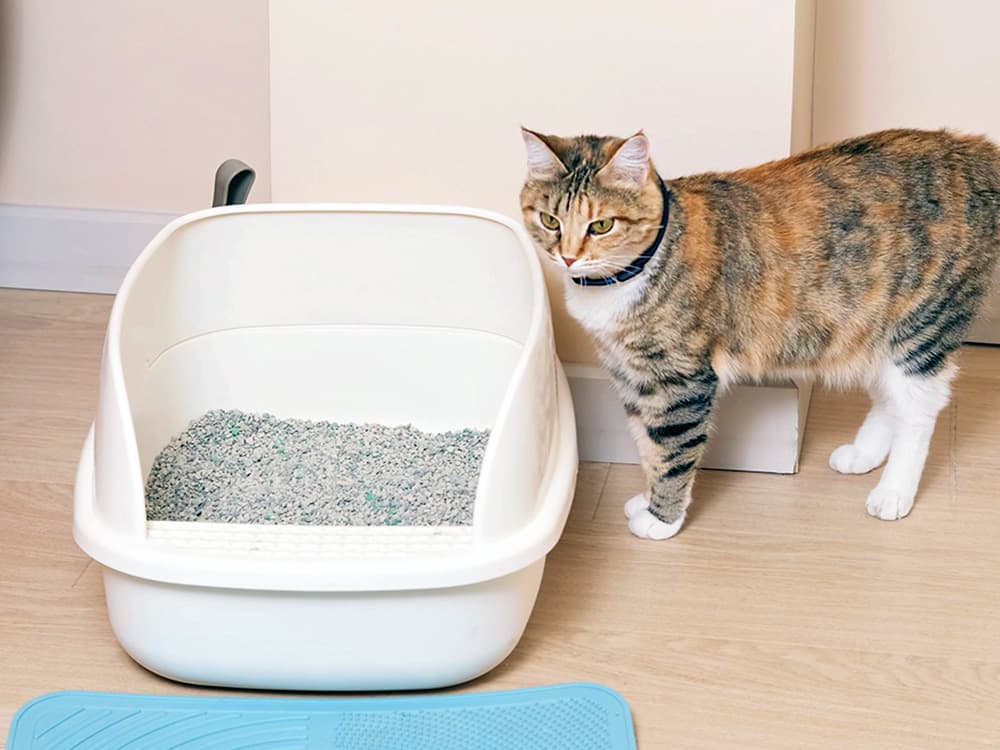
Litter box compatibility: When picking out litter, consider if it’s a good fit for your litter box. If you have an automatic litter box, you’ll want litter that has very good clumping abilities. If you have an open-top litter box, you’ll want to make sure your litter produces a low amount of dust and clumps well.
Beyond safety and cleanliness, a few practical details can help you find the right fit.
Environmental factors: If you’re trying to take a greener approach to pet parenthood, your cat litter is a good place to start. Some litters use natural, biodegradable materials that don’t trade effectiveness for sustainability.
Litter material: The material used for litter is a good place to start when looking for the right one for your cat. Many different types of litter clump, including corn-based, clay, tofu, and many more. Finding a texture that your cat likes is a great way to find the best material for them.
Litter weight: Weight can also be something to consider when choosing a litter. Some litters are very heavy and may require more effort when you take them home from the store.
Clumping litter absorbs moisture quickly and turns pee into tight clumps that are easy to scoop. It tends to be a cleaner option, allowing you to remove smelly clumps quickly. Non-clumping litter absorbs moisture more slowly and disperses throughout the litter, requiring you to change out the entire cat box every few days, rather than just pick out the smelly bits over time. Being able to scoop as clumps appear also helps extend the lifetime of your cat’s litter.
The problem with clumping litter is that it expands and becomes sticky on contact, so if your kitten eats it, it can form a ball in their stomach that requires medical intervention. That said, this is not an issue for the vast majority of kittens. True, your kitten might ingest a little dust and the occasional pellet or granule while grooming, but that’s OK.
Oleg Opryshko / Adobe Stock
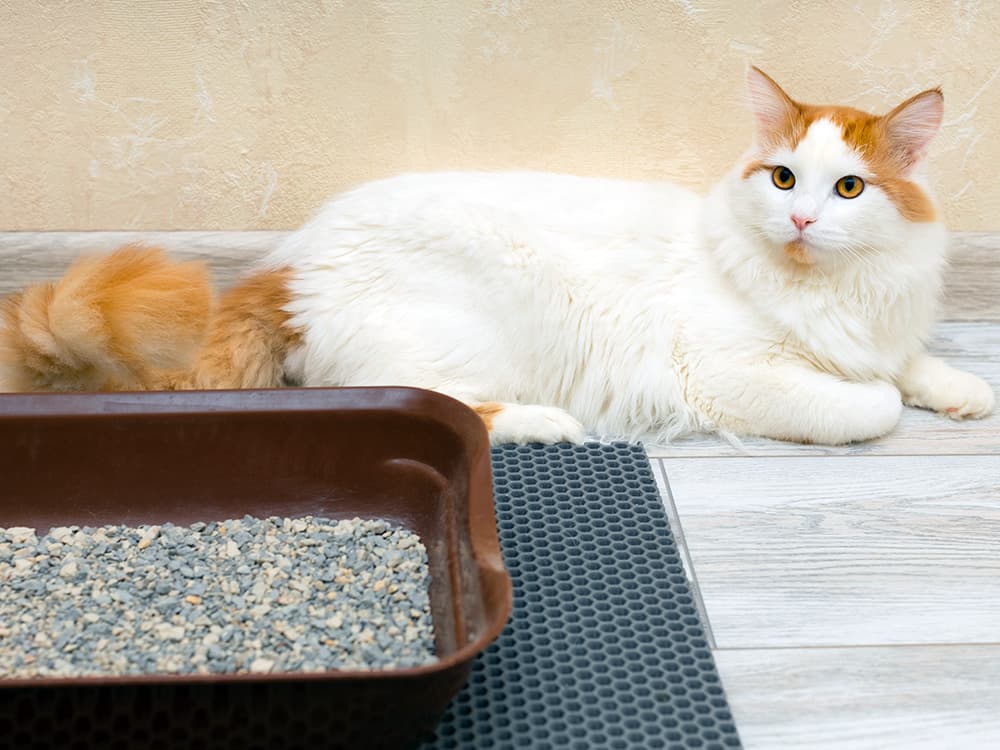
Most people experience litter spray and tracking at some point when they have a cat in their home. There are many ways to reduce the amount of litter sprinkled throughout your house, but one of the best places to start is investing in a high-quality litter mat. Having something that sits beneath (or just outside) your cat’s litter box can help reduce excess litter and is usually an easy, affordable way to keep your kitty’s bathroom setup clean.
When it comes to investing in a litter mat for your cat, there are lots of factors to consider. There are typically three types of mats to choose from: silicone, mesh, and dual-layer. Each has benefits when it comes to trapping finer litter versus coarser or pellet litter, how waterproof they are when catching leaks, and more.
You should also think about what size you need, depending on your litter box setup and also how easy it will be to clean.
Material: Silicone mats are easy to clean and usually waterproof and antimicrobial. Mesh litter mats are good for trapping litter and can often be vacuumed or soaked to clean. Dual-layer mats use a top layer with holes to catch and trap litter in the waterproof bottom layer that can eventually be emptied.
Size: Litter mats come in all shapes and sizes that can be tailored to your space — whether you’d like a large mat that your litter box can fully sit on top of (while still extending past the box to catch litter), or if you’d prefer a smaller one that sits just outside the litter box.
Washability: Washability is also a big consideration in how you’d prefer to clean your litter mat. For example, silicone mats can be wiped clean or hosed off, whereas mesh litter mats are more likely to require either vacuuming or soaking to fully get cleaned.
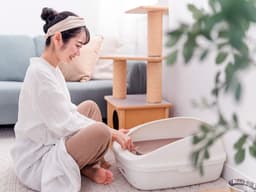
Cats appreciate a clean bathroom as much as you do.
Once you’ve settled on a litter, a few basics will help it work better for your cat.
First, aim for about two to three inches of litter in the box — any more, and you’re just wasting litter. Scoop daily, and do a full litter change every one to two weeks for clumping litter (more often for non-clumping). If you’re transitioning to a new type of litter, don’t do a quick switch. Cats can be sensitive to sudden changes, so mix a little of the new litter in with the old, gradually increasing the ratio over a week or two until you’ve fully made the swap.
The best cat litter for multiple cats is the one they will all agree on. However, if multiple cats are using the same litter box, you might want to prioritize odor-reducing litter above all else.
There are multiple reasons why your cat might not be using their litter box. For starters, pet parents should rule out medical issues, such as UTIs or gastrointestinal distress.
Automatic litter boxes scoop used litter for you, keeping the box extra-clean for your cat, which will encourage them to use it. These babies can be a real game changer for the cat-parent grind. One cat dad went so far as to say it made him a better parent to his kitty. (Just make sure you get a safe model.)
There are so many options on the market nowadays, and it really comes down to both your and your cat’s preferences when it comes to texture, dust management, odor control, and tracking. For example, clay is often used in clumping litter and can help lessen the amount of dust kicked up, and natural materials such as corn or tofu can help with odor control without using additional scents.
This is a more subjective question than it may seem, because all cats have their own unique health factors. Some cats are more sensitive to dust and/or have feline asthma (or another pre-existing breathing problem), so using litter that kicks up a lot of dust may be a less safe option for them. Meanwhile, when clumping litter is left unattended for too long, this might create a fine dust that causes health issues for your pets, if ingested. Litter safety also has a lot to do with your own maintenance and cleaning procedures.

Avery is a writer and producer. She has written for numerous publications, including Refinery29, BuzzFeed, and V Magazine. When she’s not at her computer, you can find her reading, practicing her Greek on Duolingo, and delving into the Sex and the City discourse. She lives in Brooklyn, New York with her husband and their cat, Chicken, who rules with an iron fist.
Behavior & Training
Behavior & Training
Behavior & Training
Pet Wellness
It’s not only gross — it’s probably a sign that something is not quite right in your kitty's kingdom.
Behavior & Training
If you do nothing else, teach your cat to poop in their litter box (not your shoe).
Behavior & Training
Is your cat refusing to use their litter box? Explore these tactics to address and resolve this issue.