Let Your Dog Dig—They’ll Thank You For It
Digging is instinctual for dogs, so instead of fighting it, here’s how to work with it.
Digging is instinctual for dogs, so instead of fighting it, here’s how to work with it.
by Karen B. London, PhD, CAAB, CPDT-KA, | August 10, 2026
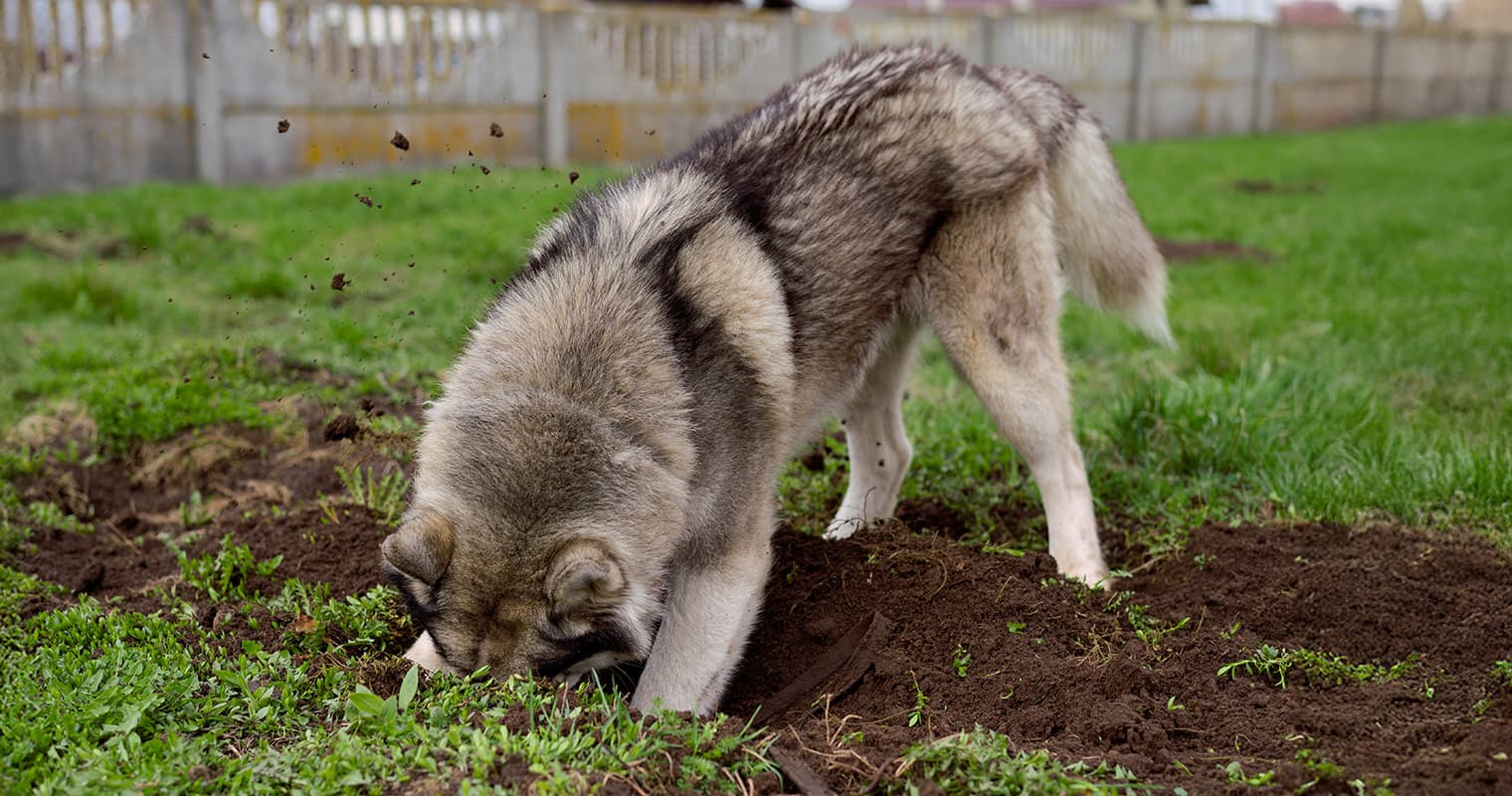
Katusya / iStock
Your dog wants to dig in the yard. You want a garden that doesn’t look like the moon. Can this relationship be saved? Yes. Dogs adore digging, and it’s so good for them. Does that mean you have to live with holes in your grass, your flower garden, or your vegetable garden? Nope. It just means you and your dog must come to some kind of agreement.
Sure, in your perfect world, your dog doesn’t even want to dig, ever. I hear you. That is an appealing thought — appealing to you, but not to your dog. It’s often super hard to teach your dog not to dig because digging is so natural for dogs and just so fun for them. Getting them to lose the motivation for such a natural behavior is an uphill fight you really don’t need and probably aren’t going to win.
Some dogs may outgrow digging, but don’t count on it. Instead, try these ways to channel their natural instincts, save your yard, and keep your dog happier, too.
The great news: You can totally save your garden and yard without shutting down your dog’s digging career. The key is not to teach them they can’t dig, but to teach them where to dig. The lesson — dig here, not there — is so much easier to teach them than not to dig at all.
So, you’ve decided to surrender a piece of your yard to your dog’s digging obsession. Cool. But where? Pick a place your dog already likes hanging out, not some corner they never visit. Ideally, pick a spot that’s not right next to your garden, but is close enough that your dog won’t feel exiled. A kiddie pool or a raised garden bed make fantastic doggie digging spots, but a random section of the yard can also serve.
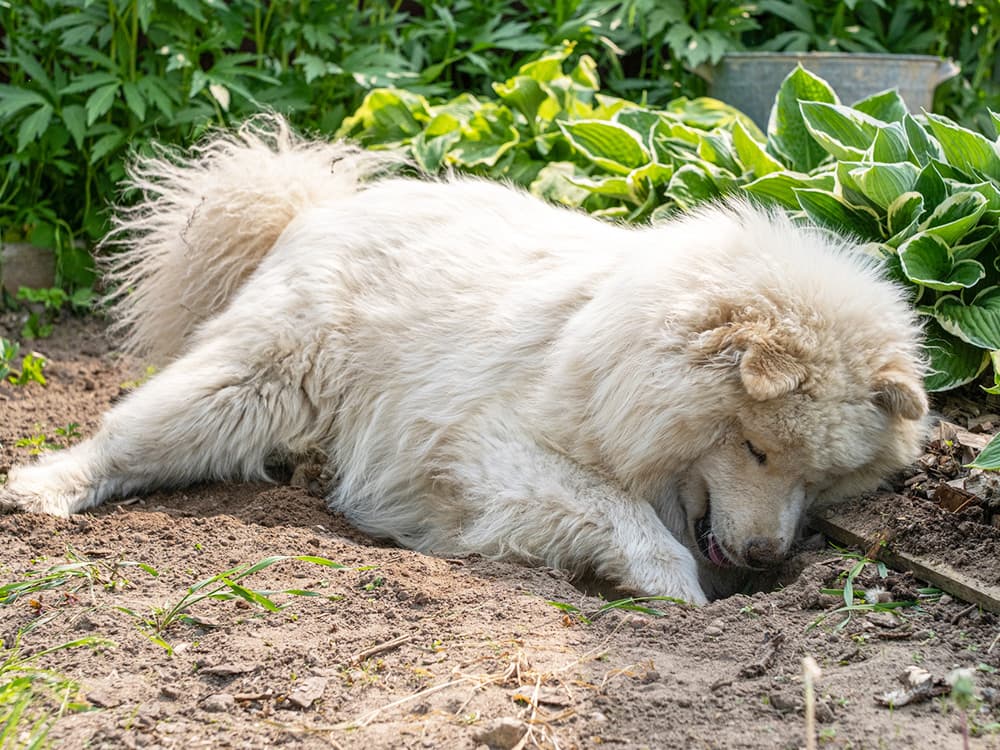
Elena Grishina / iStock
If you want your dog to dig there, you have to make that spot worth digging in. Think soft material like sand or loose soil, which may mean a quick trip to the garden center. Add some enticing scents, too, by mixing in soil from their current favorite digging sites or from areas where squirrels and birds hang out. Basically, make it smell like doggie heaven.
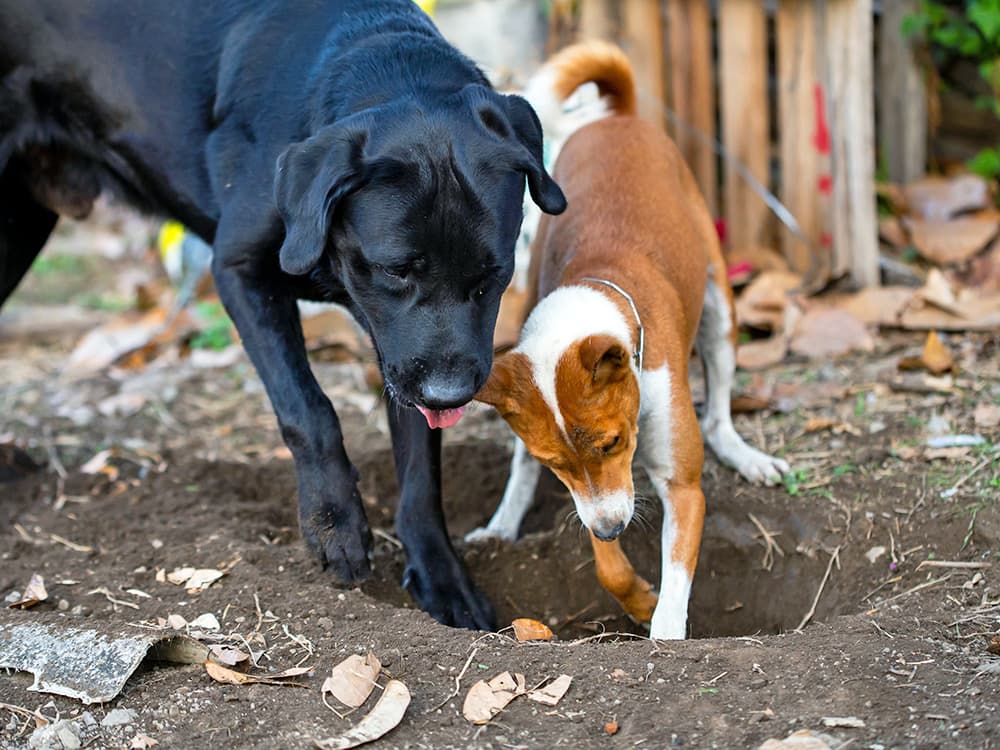
namay / Adobe Stock
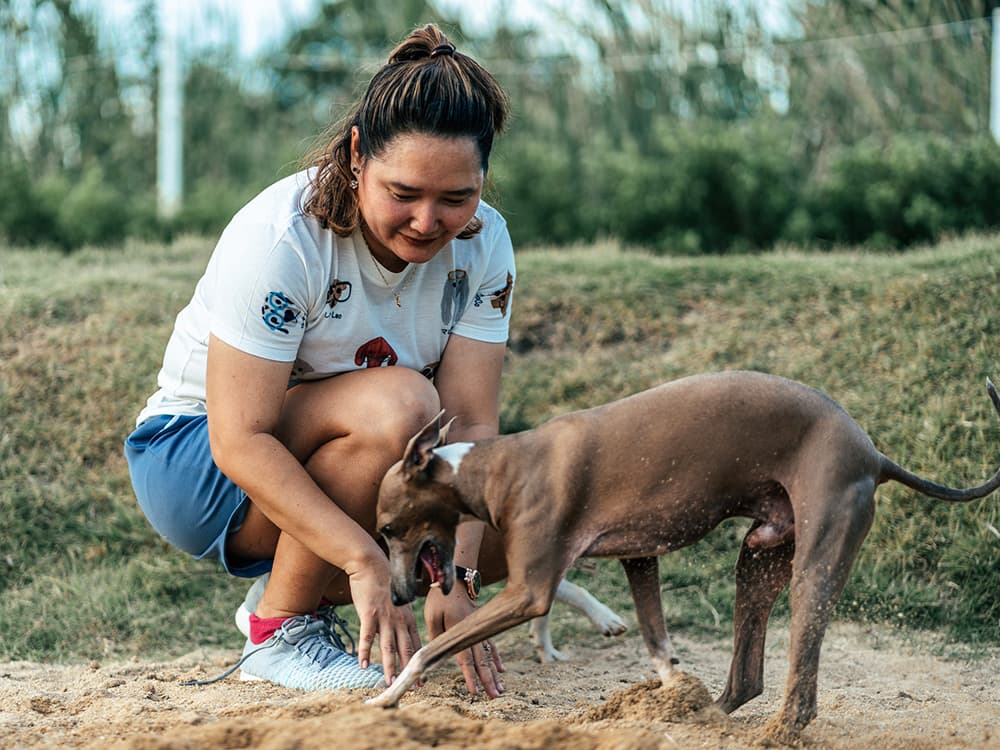
It’s time to turn this spot into a treasure chest. When your dog isn’t looking, bury toys, bones, and other goodies they love. Then, bring your dog over, and sprinkle a few treats just barely below the surface. Now, I want you to start digging with your dog (for real). If you dig where you want them to dig, they’ll jump right in to “help” (and possibly wonder what took you so long to join the digging party). Praise your dog as they dig, and let them keep whatever treasures they uncover. Once they learn this spot is loaded with good surprises, they’ll want to come back. Keep the digging spot stocked so they always have a reason to dig in it.
rachasuk / iSt
While your dog is learning the new rules, make your garden a no-dig zone by keeping your dog out of it completely. You can fence it off either permanently or temporarily with an exercise pen, snow fencing, or anything secure. Beyond blocking access, make the garden way less interesting: no toys, no treats, and maybe even put citrus scents or citrus peels around. (Most dogs find citrus unpleasant and will wrinkle their noses at it.) If your dog does, despite your best efforts, sneak in a garden dig, gently guide them to the designated digging pit and help them uncover some treats and treasures. The goal is for them to think, “Why dig over there when all the good stuff is here?”
A dog who digs is just being a dog, and obviously there’s nothing wrong with that. There’s also nothing wrong with wanting a garden or a lawn that doesn’t look like a meteor crash site. The solution isn’t to shut down digging but to give it a proper outlet. Create a digging zone in your yard, and protect all the other areas from their paws. Everybody wins. The lesson for your dog isn’t that they’re not allowed to dig. It’s: Dig here, not there.
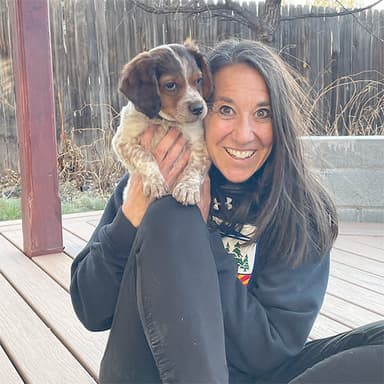
Karen B. London, Ph.D., is a Certified Applied Animal Behaviorist and Certified Professional Dog Trainer who specializes in working with dogs with serious behavioral issues, including aggression, and has also trained other animals including cats, birds, snakes, and insects. She writes the animal column for the Arizona Daily Sun and is an Adjunct Professor in the Department of Biological Sciences at Northern Arizona University. She is the author of six books about training and behavior, including her most recent, Treat Everyone Like a Dog: How a Dog Trainer’s World View Can Improve Your Life.
Behavior & Training
Behavior & Training
Behavior & Training

Lifestyle
Find out if Mel Robbins’ mantra applies to cats and dogs.
Lifestyle
Garden organically, for the sake of both the planet and your dogs.

Breed Info
Feisty, smart, and loyal — why terriers are so special and so loving.
Adoption Advice
Choosing the right fence for your dog is more than just a matter of keeping them from running away. Here’s what you should keep in mind before buying one.