How to Prepare Your Pet for a Potentially Record-Breaking El Niño
If you’ve been paying attention to the news lately, you might’ve noticed a term that sounds like a Twister spin-off: “Super El Niño.” Here’s what this means for you and your pet.
If you’ve been paying attention to the news lately, you might’ve noticed a term that sounds like a Twister spin-off: “Super El Niño.” Here’s what this means for you and your pet.
by Janelle Leeson, | October 7, 2026
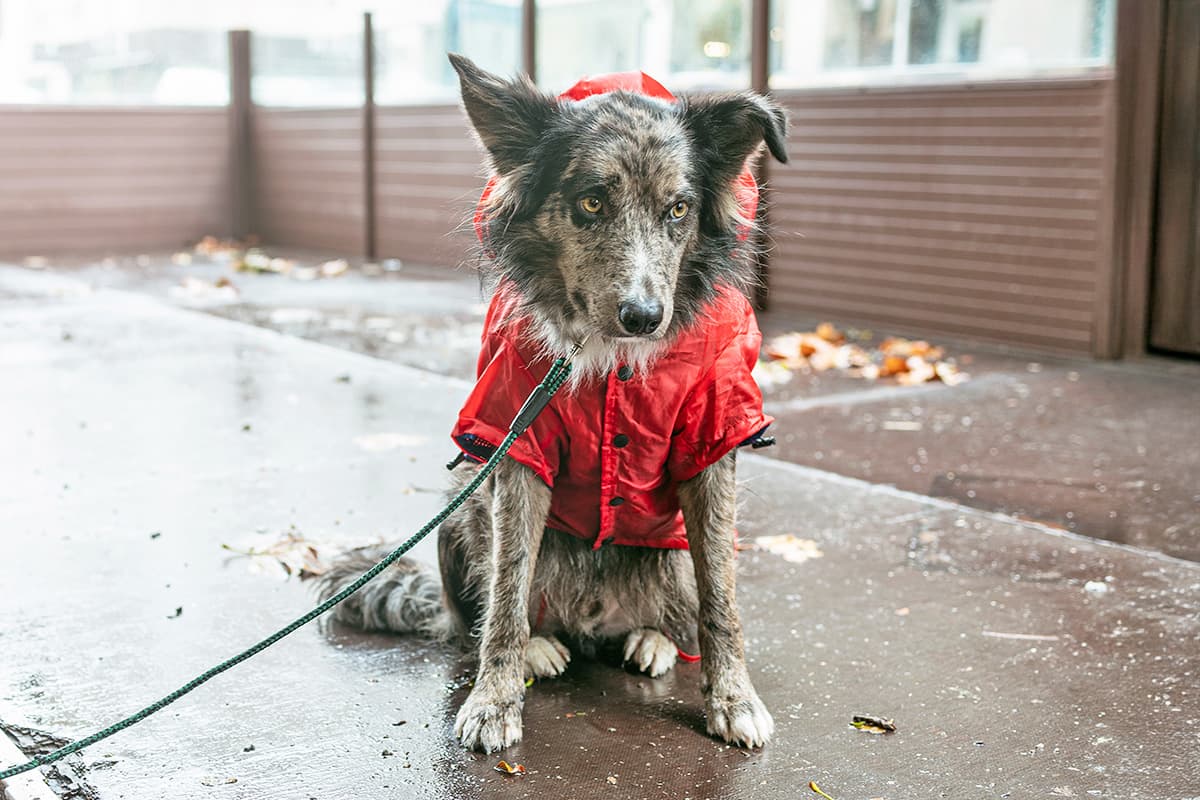
“Super” isn’t a technical NOAA term, says Michelle L’Heureux, a physical scientist at NOAA’s Climate Prediction Center (CPC) and a lead in its El Niño-Southern Oscillation team. But she can confirm that this El Niño is expected to strengthen as we head into winter. And NOAA gives it a greater than 90 percent chance of becoming “very strong.”
Translation? The weather could get interesting. Depending on where you live and the time of year, El Niño can tilt the odds toward above-average temperatures, heavier precipitation, atmospheric rivers, and other unusual weather patterns. Before you panic and build a backyard ark, here’s what you should know about El Niño — and how to keep your pets safe, happy, and cozy no matter what the weather throws your way.
El Niño is an irregular climate cycle that happens when the tropical Pacific Ocean is warmer than average. It doesn’t occur every year. Instead, El Niño occurs on average every two to seven years. The last El Niño began in mid-2023 and lasted through spring 2024.
La Niña is the opposite: when the tropical Pacific is cooler than average, and neutral conditions occur when the tropical Pacific is close to its average state.
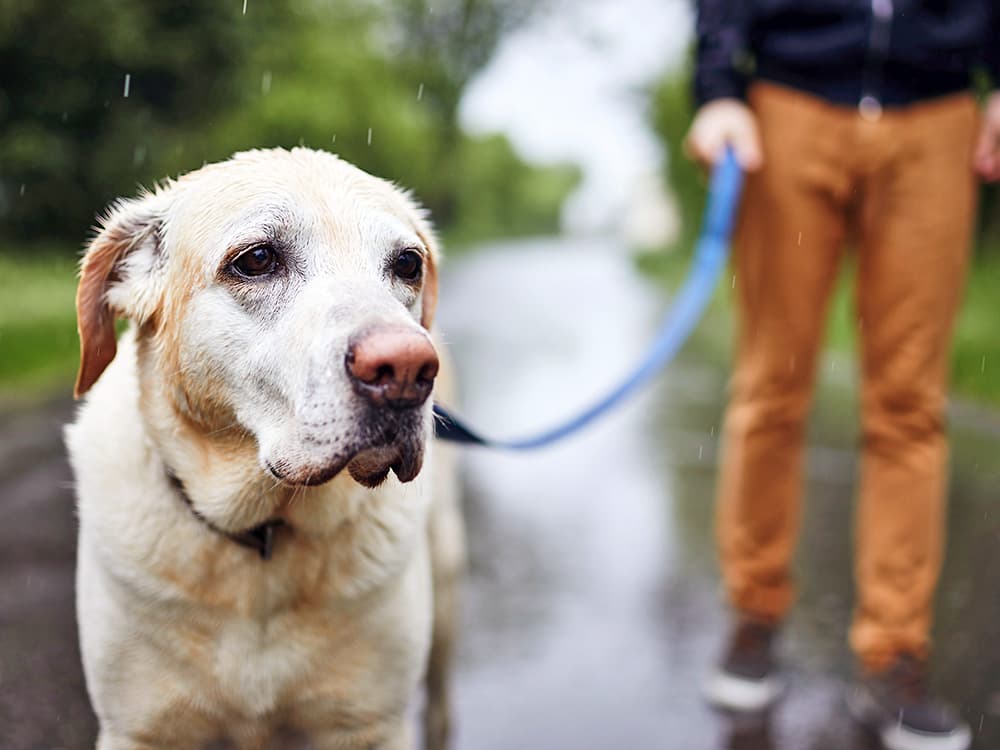
El Niño doesn’t mean a uniform heatwave across the board. Instead, its effects vary depending on the time of year and where you live. “We classify El Niño into weak, moderate, strong, and very strong,” L’Heureux explains. “As of NOAA’s 13 August ENSO update, we have a greater than 90 percent chance that this event will become very strong during the upcoming fall and winter.”
Here’s what a very strong El Niño could mean for your area:
Southern U.S.: Increased odds of above-average precipitation, heavy rain, and flooding
West Coast: Increased odds of atmospheric rivers, heavy precipitation, flooding, and coastal impacts
Northern U.S.: Above-average temperatures are possible, particularly in fall and early winter
Midwest: Usually brings below-average winter precipitation, though local snowfall can vary considerably
East Coast: Increased odds of above-average precipitation and warmer winter temperatures
Pacific regions: Increased hurricane activity
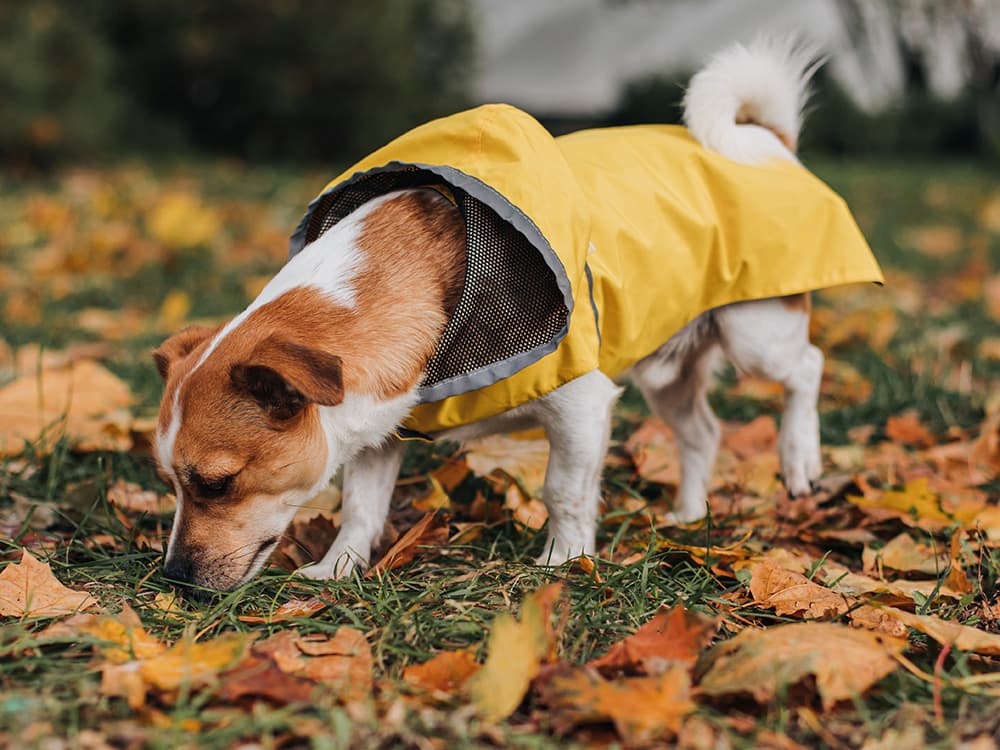
NOAA says this year’s El Niño is tracking stronger than the historic 2015 El Niño but weaker than the 1997 El Niño — one of the strongest on record.
To put that in perspective, the 1997–98 El Niño brought record atmospheric river storms that battered the West Coast, breaking levees, washing out roads, and stranding animals in rising floodwaters. In the southern U.S., severe rain and flash flooding drove major spikes in waterborne parasites, ticks, and mosquitoes for months after the storms cleared. Meanwhile, the Northeast saw damaging ice storms, and Florida saw a spike in tornado activity.
That doesn’t mean this year’s weather will mirror 1997–98. But for pet parents, it’s a good reminder that El Niño means preparing for more than unusually hot or cold weather.
Keep them out of puddles and runoff: Standing floodwater and runoff can harbor some nasty stuff, like leptospirosis, parasites, and chemicals.
Redirect cooped-up energy: Lick mats, snuffle mats, puzzle games, and practicing tricks can help burn energy indoors during periods of heavy rain.
Give paws and coats extra TLC: Dry your pet’s paws and coat thoroughly after walks to help prevent yeast infections, paw scald, and ear infections from constant dampness.
Know what to do when heavy rains bring flash flooding: Flash floods caused by atmospheric rivers, hurricane surge, or severe weather can occur quickly. They can transform dry streets or gentle creeks into rushing, debris-filled rivers in as little as 10 to 15 minutes. Move pets indoors immediately if your area is under a flash-flood watch, which means conditions are favorable for a flood. Once a flash-flood warning is issued, this means flooding is imminent or already occurring. If atmospheric rivers bring flooding to your area, see Emergency Readiness, below, to make sure you’re prepared to evacuate safely with your pet.

Never wait until it’s too late. Here’s how to plan for unexpected emergencies.
Keep the water flowing: Fresh, clean water is a must. But if your pup or kitty is an infrequent drinker, try swapping their water bowl for a water fountain. Adding wet food in their bowl, rather than dry, or adding a splash of bone broth is another easy way to sneak in extra fluids (plus, your pet will think they’re getting a gourmet treat).
Know if your pet is at higher risk: Extreme heat is dangerous for any animal, but flat-faced (brachycephalic) breeds, senior pets, and those with underlying health conditions (like obesity, heart disease, or kidney disease) are at the highest risk for heat exhaustion and heatstroke.
Set up cool-down spots: Make sure pets always have a way to beat the heat — shade, AC, a fan, or a cooling mat. No AC at home? Check local listings for public cooling centers that allow pets.
Test the pavement: Use the five-second rule before heading out. Place the back of your hand on the asphalt for five seconds — if it’s too hot for your hand, it’s too hot for your pet’s bare paws.

Here’s how to be prepared in the event that your dog or cat has an emergency or suffers an injury.
Know your dog’s cold-weather limit: How cold is too cold for your pup? That varies widely by breed, age, and health. A Husky or Great Pyrenees might love cold temps, but walks with small, short-haired, or hairless breeds — as well as puppies and senior dogs — should be kept brief (or skipped entirely) when the wind chill plummets.
Protect their paws: Chemical salts used to de-ice sidewalks can burn paw pads and are toxic if licked off later. Outfit your pup in protective booties, or apply paw wax before heading out. Then wipe their paws clean once you’re back inside.
Have a potty backup plan: When extreme cold or icy conditions make going outside unsafe (or your pup refuses to poop in the snow), have an indoor potty alternative ready, such as artificial turf patches, pee pads, or an undercover porch area shielded from the wind and snow.
Keep indoor pets warm: Cold snaps can creep in through windows and doors, chilling indoor pets quickly. Keep pet beds away from drafty doors and windows, and consider a light sweater for short-haired or senior dogs.

Meet the pups who are saving lives, one rescue at a time.
Have your “go-bag” ready: This bag should include a seven-day supply of food and water, prescription medications, vaccination records, a manual can opener, an extra leash, and a favorite comfort toy or blanket.
Plan shelters and evacuations ahead of time: Many human emergency shelters can’t accept pets due to health codes, which is why it’s so important to scope out pet-friendly hotels and emergency boarding facilities before disaster strikes.
Check microchips and ID tags: Your pet’s collar tag should be legible and their microchip registry contact information up to date.
Know what to do when a warning or watch is issued: A watch means conditions are favorable for severe weather, so it’s time to double-check your go-bag and bring pets indoors. A warning means the danger is imminent or already happening. For tornadoes, move pets to your safe room or basement immediately. For flash floods, get to higher ground. For hurricanes, follow evacuation orders without delay. Keep dogs leashed and cats in a carrier so they can’t bolt or hide.
The sooner you know about extreme weather headed your way, the better you can prepare yourself and your pet. For the most reliable El Niño updates, go straight to the source: “From NOAA, of course,” L’Heureux says.
NOAA updates its ENSO discussion on the second Thursday of every month, and is available on the Climate Prediction Center’s website. It’s also worth checking the seasonal outlook page, updated every third Thursday.
For immediate weather outlook and predictions, L’Heureux recommends keeping an eye on the CPC’s six-to-10-day, eight-to-14-day, and weeks three-to-four outlooks. Plus, consider your everyday forecast from weather.gov.
Caution should begin in the upper 70s, especially if conditions are humid, if you’ll be in direct sun, or if your dog has risk factors that make them more susceptible to heatstroke. These include age (putting puppies and seniors at higher risk), obesity, existing breathing or heart conditions, and brachycephaly.
Yes. Cars come to mind as the most dangerous place for pets during hot weather, but a home without air conditioning can also cause heatstroke in pets. If you don’t have AC at home, go to a community cooling center, stay at a pet-friendly hotel, or ask friends or family if you can stay with them until temperatures drop.
Yes, you can and should leave fans on for pets in hot weather. However, a fan alone may not cool the area enough to prevent heatstroke. When temperatures are very high, turn on the AC if you have it, and avoid leaving pets unattended in extreme heat.
Ross, T., Lott, N., McCown, S., & Quinn, D. (1998). The El Niño winter of '97–'98 (Technical Report No. 98-02). National Climatic Data Center, National Oceanic and Atmospheric Administration. www.ncei.noaa.gov/monitoring-content/billions/reports/19971201-19980228-severe-storm/tr9802.pdf.
Janelle Leeson is a Portland, Oregon-based freelance writer. Her work has been featured in magazines such as Inside Your Dog’s Mind, Inside Your Cat’s Mind, and Paw Print, as well online at Insider Reviews, NBC Select, Shop Today, PetMD, and Daily Paws. She has two adventure cats, a flock of urban chickens, and a soon-to-be-husband who doesn’t mind housing the occasional foster cat — or five.

Foster & Volunteer
Behavior & Training
Pet Wellness
Lifestyle
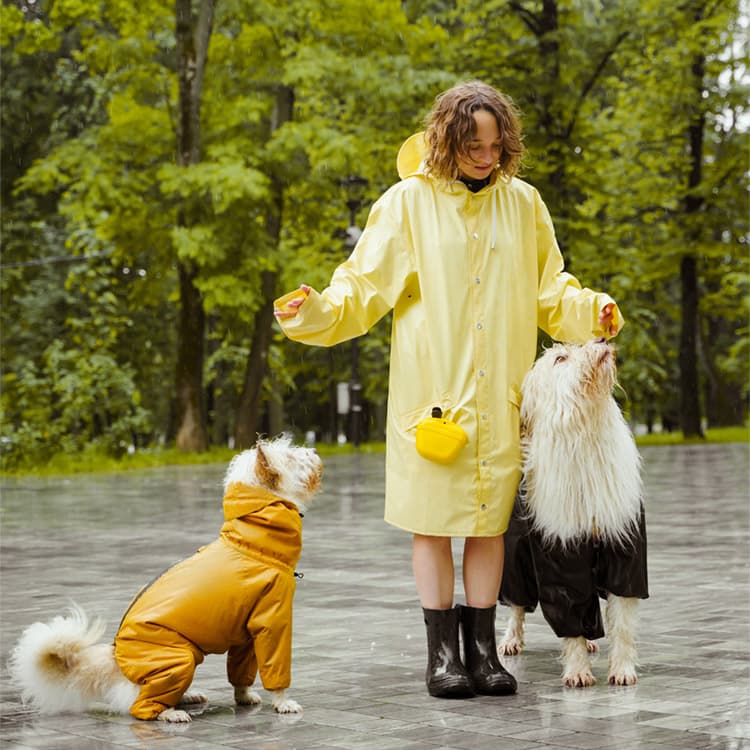
If you’re trapped indoors on a bad weather day, these activities will keep your pup entertained.
Behavior & Training
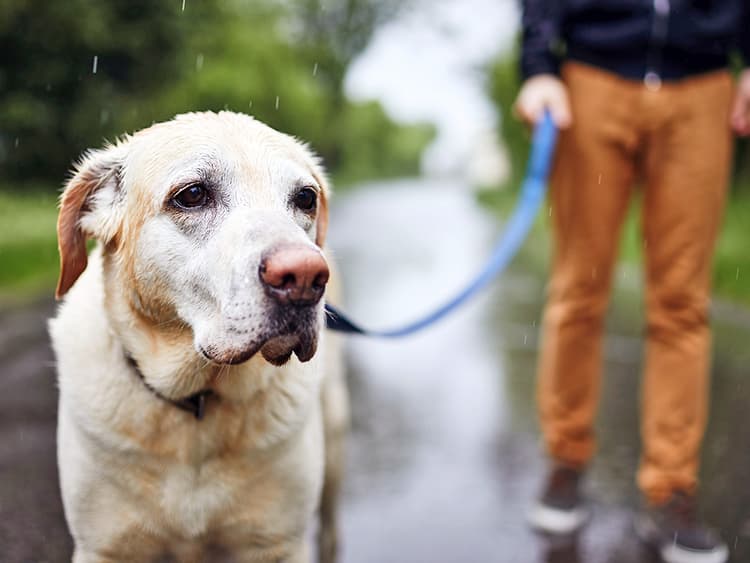
And what to do to make stormy walks a little easier.
Behavior & Training
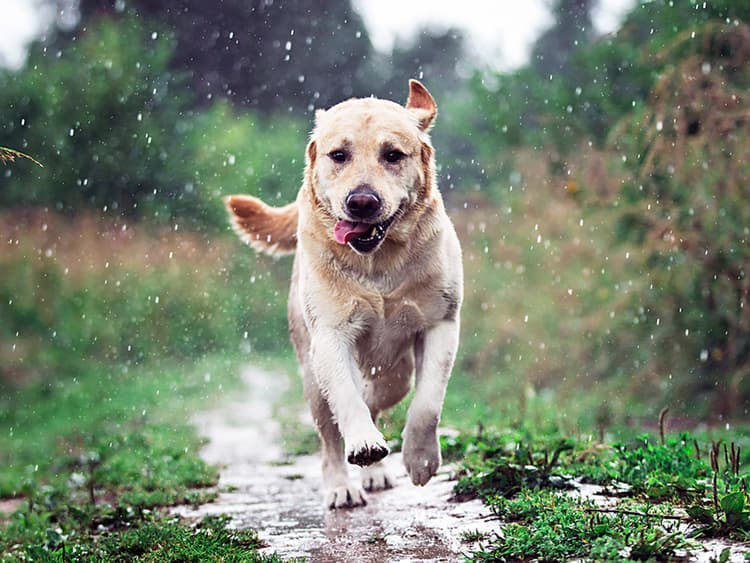
And how to tell if they are happy zoomies or stress zoomies.


Lifestyle
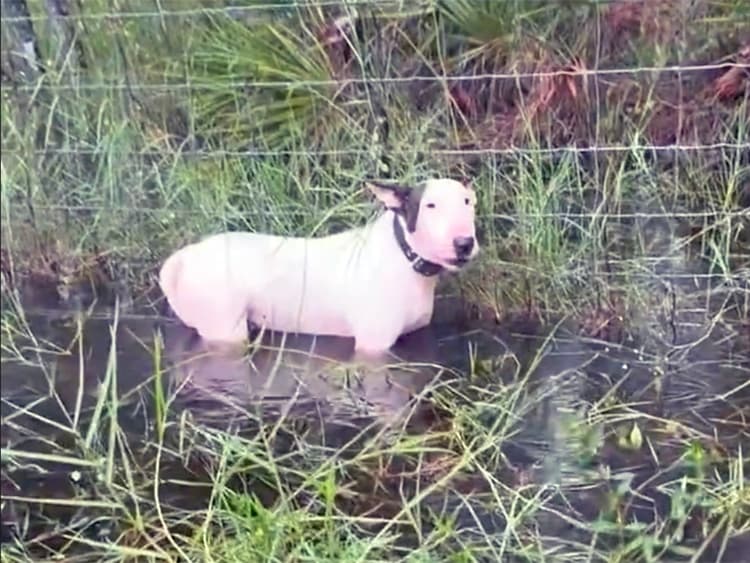
Watch video of Florida troopers saving the pup on this heroic mission.