9 Unexpected To-Dos for New Pet Parents
Sound advice from seasoned dog and cat parents who have been there.
Sound advice from seasoned dog and cat parents who have been there.
by Casey Gueren, | November 30, 2022

Photo: Mattia / Stocksy
If you’re reading this article, you’re probably already a next-level new cat or dog parent. You’ve crossed all the standard stuff off your list, like researching vets and shopping for essential pet supplies. Now you’re just Googling around to see if there’s anything you’ve missed. An overachieving pet parent — we love it!
Wait, don’t go. We asked a bunch of seasoned pet parents to share all the things they wish someone’d told them before they brought home their pups and kitties. Here’s what they had to say…
You read all the reviews and maybe even called a vet for advice before adopting or purchasing your pet, but have you made an appointment?

There are no stupid questions — well, when it comes to your dog’s health.
It’s smart to get them in to see a vet within the first week or so of bringing them home for an exam, blood work, vaccines, and preventatives. If possible, book your first visit before you even pick up your new dog or cat. And be sure to ask your vet about the right time to spay/neuter your pet.

If it’s time for a round of shots (no, not that kind), follow this guide.
If you recently adopted an animal, they may already have a microchip, which allows them to be traced back to you if they’re lost, then found, and taken to a shelter that can read the microchip number with a scanner. This is incredibly helpful if you keep your contact information updated. Make sure to do that as soon as you get your pet (and again if your address or phone number changes). Keep in mind a microchip is not a GPS system so if you lose your pet, don’t sit back and wait by the phone.

Sure, microchips can feel a little 1984. But if your pup has a chip, they’re four times more likely to make it home if they get lost.
Some local jurisdictions mandate that you register your pets. The process can be as painless as going online to enter your dog or cat’s information and proof of rabies vaccination, then they’ll be issued an identification number and tag. Similar to a microchip, a license tag helps animal control quickly ID your pet if they are lost/found. There is a fee (usually $10-20) but it costs far less than the fine you’ll have to pay if your unregistered pet gets caught.

Spoiler: there are no cons.
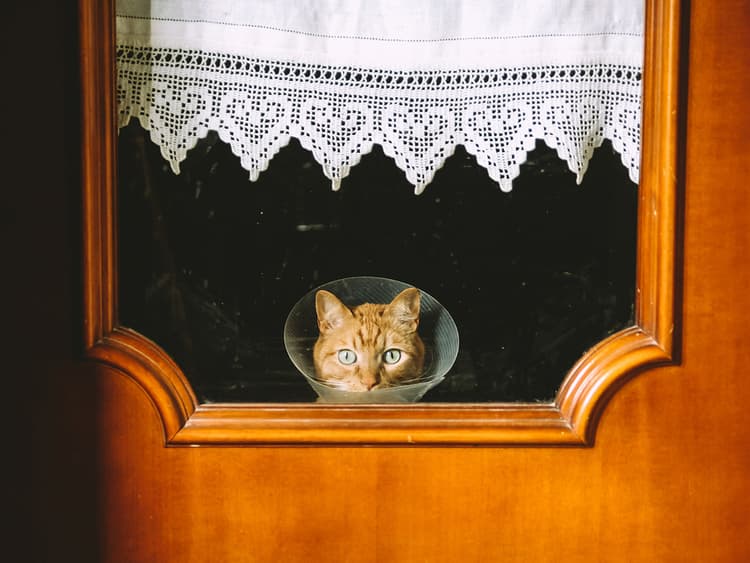
Yup, your pet needs an emergency contact just like you do. This is someone who can take care of them in the event that you can’t. Ideally this would be someone who lives close by, loves your cat or dog as much as you do, and is super reliable in a crisis.

Trust me, I’m a vet.
This is not something you want to be scrambling to figure out in the middle of an emergency, which (trust us) you can count on happening at the most inopportune of times. Make sure you bookmark the closest emergency vet.

Here are six good reasons to haul tail to the emergency room.
If your dog or cat gets hurt, you don’t want to waste precious time tracking down all the supplies that will help. A pet first-aid kit should include things like rolled gauze, elastic bandages, scissors, a digital thermometer, eye dropper, hydrogen peroxide, antihistamines, and activated charcoal. You’re probably confused about a couple of these: Benadryl can be given to an animal in the event of an allergic reaction (25mg per your pet’s 25 pounds), and activated charcoal can induce vomiting if they ingest something toxic.
Let’s hope you never need to perform CPR on your pet, but it’s good to know just in case. The American Red Cross offers classes around the country but reviewing (and bookmarking) this online course is a start.
Hopefully you’ve already stocked up on some emergency supplies in the event that you need to evacuate your home quickly. Now add pet stuff to that stash. This should include your pet first-aid kit, food and water for a week, a couple of weeks’ worth of medication (if applicable), and a copy of their vaccination history.

The East Coast just had a rare earthquake. A vet breaks down what to include in an emergency go-bag for your pet in times like this.
Kick-starting a puppy training regimen can be a steep learning curve — often more so for you than your dog. The rise of virtual training sessions during the pandemic has been a godsend to many new pet parents, but for others in-class dog obedience training is a great place to start. The ideal training schedule will depend on you and your dog. In a study on dog training frequency, researchers found that dogs trained one to two times a week learned a new behavior faster than dogs trained daily. Consistency and play training also play big roles in how quickly dogs learn new behaviors.

You gotta start somewhere.
Speaking of playtime, there’s one thing you can do for your puppy that will truly influence the kind of dog they become: puppy classes. You might be under the impression that puppy classes are about teaching your pup basic cues, but the goal is actually socialization. Experiences puppies have within their first 14 weeks of life make a permanent imprint on their brain about what’s safe and unsafe in the world.

A dog behaviorist schools us on why puppy classes are more about socializing than getting straight As.
Sadly, even the most flexible of schedules can’t always accommodate the outing your pup deserves. That’s where dog walkers come in. But not all dog walkers are professionals. You want to find a walker who’s not only good with dogs but good with your dog, right? Here’s how to pick someone you can trust:

Who will love your dog like their own (for 30 minutes per day).
Cats are independent little beasts that can seem blasé about being left alone — so long as their food dishes are full and their litter boxes are not. Despite their low-maintenance vibe, they do get lonely and rascally when left to their own devices. If you don’t want to return home from vacation only find your cat has knocked over everything, then anything longer than an overnight trip calls for a cat sitter.

Pssst… Your cat’s cool loner persona is all an act.
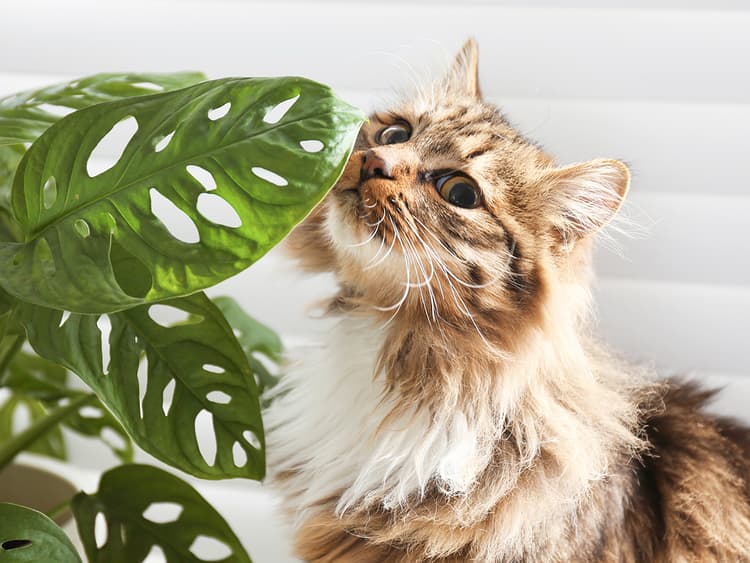
And there are A LOT. From raisins to rhododendrons, read up on the foods (dogs / cats), plants (dogs / cats), and other seemingly innocuous items that are dangerous or deadly if your pet ingests them. If they do, you’ll have the Pet Poison Helpline on speed dial, right?

Thriving plants are spring’s whole thing—but these offenders can be perilous to pets.

Sharing isn’t always caring. Keep your cat safe by keeping these human snack staples to yourself.

Casey Gueren is a writer, editor, and content strategist. You can find her work at SELF, BuzzFeed, Women's Health, Cosmopolitan, and others.

Pet Wellness
Pet Wellness

Pet Wellness
Lifestyle
These plants might be beautiful, but they’re deadly to feline foragers.