Can Dogs Eat Pecans?
Here’s why you should keep your pup far, far away from this nut.
Here’s why you should keep your pup far, far away from this nut.
by Rebecca Caplan, expert review by Dr. Lindsay Butzer, DVM | January 11, 2024
Alina Hvostikova / Stocksy
Pecans, especially those found in pecan pie, are a delicious treat we all look forward to — especially during these cozy months that are perfect for baking. So, can your dog eat pecans? The short answer: No, pecans are toxic to dogs and should never be given to them in any form.
For humans, pecans can be a healthy snack. They are a good source of magnesium, calcium and potassium. However, pecans are toxic to dogs and should never be given to them for any reason.
“Pecans contain a toxin called juglone, which can be harmful to dogs,” veterinarian Dr. Lindsay Butzer says. Juglone, also present in walnuts, can cause severe gastrointestinal distress in dogs — often causing vomiting. Pecans are also susceptible to mold, which can cause seizures and tremors in dogs.
Here’s how to celebrate safely with your pet as you gather with friends and family.
No. No form of pecans are safe for dogs. In addition to containing juglone, which is toxic in dogs, pecans can be a choking hazard and cause internal blockages.
No. Cooking pecans does not eliminate the juglone content from the nuts. In addition, cooked pecans are still a choking and blockage hazard.
No. In addition to containing pecans, which are toxic to dogs, pecan pie contains sugar and fatty ingredients — both of which can cause gastrointestinal distress in dogs.
“If your dog eats pecans, it is essential to monitor them closely for any signs of distress, such as vomiting, diarrhea, or lethargy,” Dr. Butzer says.
Your winter farmers’ market is full of the stuff. Find out if your dog can have some.
“If your dog eats pecans, it is essential to monitor them closely for any signs of distress, such as vomiting, diarrhea, or lethargy,” Dr. Butzer says.
Keep in mind, pecan toxicity exists on a spectrum, often related to a dog’s size. The smaller they are, the fewer pecans they will need to eat to become sick. But no amount of pecans are safe for a dog of any size — so stay vigilant, should your pup consume pecans. In the event any of these symptoms manifest, Dr. Butzer advises you have a vet’s number handy:
“If you notice any of these symptoms or are concerned about the amount of pecans your dog consumed, it’s best to contact your veterinarian immediately for advice and potential treatment.”
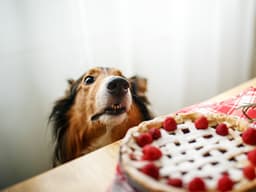
No. No amount of pecans are safe for dogs. Dogs should be kept away from pecans and foods containing pecans. When cooking with pecans, keep dogs in a separate room or away from the counter. In addition, keep pies away from the edges of tables and counters where dogs can easily get to them. Inform holiday guests not to feed dogs anything containing pecans.
Walnuts and macadamia nuts are also toxic to dogs.
Peanuts and cashews are non-toxic to pups; however, Dr. Butzer cautions against giving your dog these foods. “Some nuts, like peanuts and cashews, are non-toxic to dogs when fed in moderation and without added salt or flavorings. Nuts are high in fat, however, and can lead to gastrointestinal issues and pancreatitis if consumed in large quantities.”
That might be what you’re having for dinner, but read here to see if your dog can partake.
Carrots: Plain carrots are a healthy and nutritious snack for dogs. But because most carrots are served salted and seasoned, maybe slip your dog a plain one.
Cooked sweet potato: Sweet potato is considered a “superfood” for both humans and dogs thanks to its digestive properties. Dogs should definitely enjoy this superfood as plainly as possible and in moderation.
Apple: Apples are a sweet treat your dog can enjoy safely — once the seeds and the core are removed. Not to sound like a broken record, but moderation is also key when it comes to apples. Similarly, avoid sharing apple pie with them — while cooked apples aren’t toxic to pups, the sugar and fat in apple pie is a no-go.
Garlic and onions: Although not usually served by themselves, garlic and onions are usually involved somewhere in the process of making food delicious. But garlic and onions are toxic to your pup — particularly onions. Avoid giving them any foods cooked or seasoned with garlic or onions.
Grapes and raisins: Avoid serving raisins and grapes in dishes that dogs can easily reach (such as a pre-dinner charcuterie board perched on a coffee table) and do not offer dogs foods that were cooked with raisins or grapes even if the raisins and grapes have been removed.
Fatty foods, such as buttery veggies or dark meat turkey, can cause GI upset or even pancreatitis in your pup. Always make sure even “non-toxic” human foods are served plain without butter, seasoning, or tons of salt.
The delicious fruit is safe in moderation.
There are plenty of safe, human foods you can give to your dog to on special occasions. Pecans are never a safe treat for them and should never be given to them under any circumstance. Opt for other common seasonal foods, such as plain carrots, apples, or sweet potatoes for a special snack.
No, dogs should not eat pecans. Pecans are toxic to dogs because of the toxin juglone that is present in the nut. Juglone, also present in walnuts, can cause GI distress in your dog. Pecans are also susceptible to mold which can cause seizures in them.
Dogs should not have any amount of pecans because of their toxicity risk. A pecan or two dropped on the floor is unlikely to cause distress, but if your pup consumes large amounts of pecans, or if you are noticing symptoms of pecan poisoning from smaller amounts, contact your vet immediately.
Cooking pecans does not eliminate the juglone, the toxic part of the nut, from the pecan. Do not give your dog raw or cooked pecans.

Rebecca Caplan is a writer based in Brooklyn whose work has been featured in The New Yorker, Reductress, and Vulture. She lives in Brooklyn with her perfect, toothless dog Moose.
Nutrition
Add it to the list of healthy human superfoods pups can eat, too.
Nutrition
A few kernels won’t hurt, but think twice before doling out a bowl of the stuff.