Can Dogs Eat Squash? Find Out If It’s Toxic for Your Dog
Everything you need to know.
Everything you need to know.
by Dr. Shelby Neely, DVM, | May 14, 2025
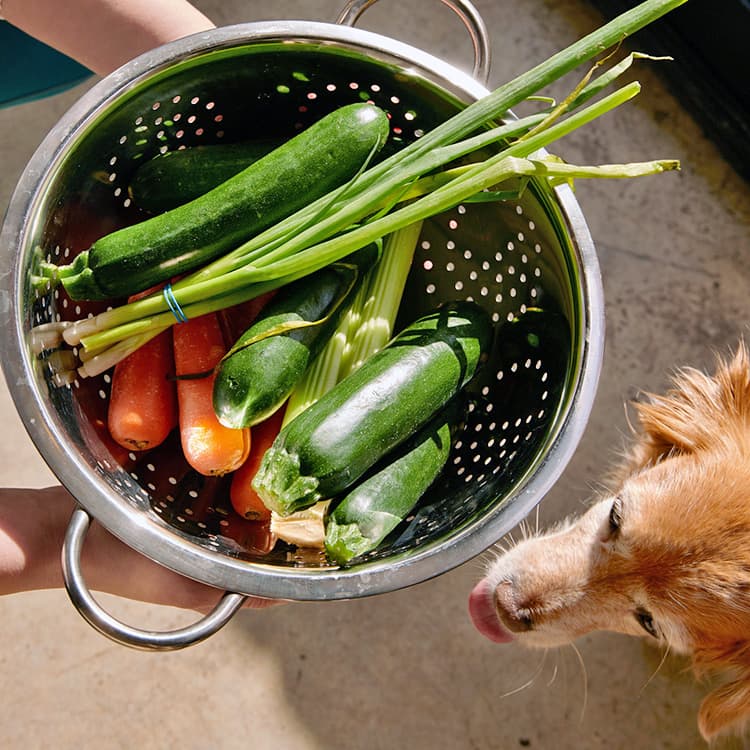
Pet parents love to give their dogs treats. It’s hard to resist those adorable, pleading faces. However, it’s important to research the items you select. It may surprise you, but just because you choose to give your dog a fruit or vegetable doesn’t mean it’s safe for them. In this article, we will examine whether squash is safe and has benefits and how to best prepare it for your pup.
This superfood is delicious and full of nutrients—but how much is too much of a good thing?
Fortunately, all types of squash are safe for your dog if served properly. Butternut, pumpkin, zucchini, and acorn squash all have nutritional benefits. However, just like any other “people food” you feed, you should introduce it gradually and feed only small amounts.
Here are examples of the benefits that squash offers dogs:
Vitamins: Squash provides several vitamins, including vitamins A, C, and B6, to your dog. These vitamins support energy metabolism, healthy eyes, and immune function.
Fiber: A healthy digestive system, including preventing constipation and diarrhea, is helped by the fiber in squash.
Minerals: A healthy heart and muscles are supported by the potassium, magnesium, and manganese found in squash.
Low calories: The low calories in squash make it a good treat for dogs who need to watch their weight.
If you add squash to your dog’s diet, you can give extra vitamins, minerals, and fiber in a simple, healthy way. Your dog will enjoy the variety.
Even though squash offers benefits, there are also risks to consider:
Seasonings: Squash prepared with butter, salt, sugar, onions, or garlic can harm dogs.
Seeds and skin: Always remove seeds and tough skin before serving squash to your dog. They can be a choking hazard or cause blockages in your pup’s intestines.
Allergies: It’s rare for a dog to be allergic to squash, but it can happen. For this reason, introduce it slowly and watch for stomach upset, itching, and swelling.
If you follow these tips, the benefits of squash far outweigh the risks of your dog eating squash.
Here’s a list of the types of squash that are safe and beneficial for your dog.
The antioxidants in butternut squash promote healthy skin and a strong immune system. It is also loaded with vitamins A and C. Dogs like it because it is sweet and creamy with a smooth texture once cooked.
Pumpkin is quite popular in the veterinary world. Dogs like the taste of it, which is fortunate because it can perform miracles for those having diarrhea or constipation. The fiber in pumpkin is responsible for that. Be sure to use plain, cooked pumpkin, not pumpkin pie filling.
If you want an even lower-sugar, fewer-carbohydrates squash, zucchini is another excellent choice. It also has a high water content, helping to keep your pet hydrated while providing vitamins and minerals.
Rich in fiber and potassium and sweet to the taste, acorn squash is another option for your dog. Remember to remove the skin and seeds and cook before serving.
There are a few steps you must take to feed squash to your dog safely:
Dirt and bacteria may be found on squash. Be sure to wash thoroughly.
The skin and seeds can be difficult for your dog to digest. Remove them to avoid intestinal blockages.
Cut into small pieces for easier chewing and digestion.
Never add seasonings, such as salt, sugar, spices, or butter. Serve plain.
Mix cooked squash into your dog's regular food or offer it as a snack.
Squash should not be served as a main meal but given as a treat or supplement. Follow the suggestions below to get started.
Small dogs: One to two tablespoons a few times a week
Medium dogs: Two to four tablespoons
Large dogs: ¼ cup or slightly more
Start with small amounts to ensure your dog tolerates it well. If you feed too much fiber initially, it may lead to gas or diarrhea.
Not every dog is going to like squash. If your dog doesn’t or you’re just looking for variety, consider the following:
Carrots provide abundant beta-carotene and are a low-calorie snack.
Many dogs like green beans, another fiber-rich option that helps digestion and is safe when served plain and cooked.
Like squash, sweet potatoes are rich in nutrients and easy to prepare.
Cucumber is high in water content and low in calories.
Broccoli can be a good source of vitamins but must be given in small amounts due to its tendency to produce too much gas.
As always, gradually introduce new food and monitor your pet for any adverse reactions.
Bite-size pieces of ripe, red tomatoes are safe—but you should skip the marinara sauce.
Squash (butternut, acorn, zucchini, and pumpkin) is a healthy safe treat to give your pup, if it’s prepared properly. It must be washed, cooked, have the skin and seeds removed, cut into small pieces, and offered plain. It is not meant to be a full meal, but a treat or supplement.
Always introduce new foods gradually and watch closely for any problems. If your dog has any medical conditions, consult your veterinarian before introducing a new food.
“Can Dogs Eat Pumpkins? Health Benefits of Pumpkin for Dogs.” Nutricanine.ca, 2019, nutricanine.ca/blogs/dog-digest/can-dogs-eat-pumpkins-health-benefits-of-pumpkin-for-dogs.
Moreno, Adam A., et al. “Dietary Fiber Aids in the Management of Canine and Feline Gastrointestinal Disease.” Journal of the American Veterinary Medical Association, 26 Oct. 2022, pp. 1–13, https://avmajournals.avma.org/view/journals/javma/260/S3/javma.22.08.0351.xml
Tanprasertsuk, Jirayu, et al. “Roles of Plant‐Based Ingredients and Phytonutrients in Canine Nutrition and Health.” Journal of Animal Physiology and Animal Nutrition, vol. 106, no. 3, 8 Sept. 2021, https://onlinelibrary.wiley.com/doi/10.1111/jpn.13626

Dr. Shelby Neely is a freelance writer and veterinarian who graduated from the University of Pennsylvania School of Veterinary Medicine and has practiced veterinary medicine for 30 years, specializing in small animals. Her work has appeared in Allivet, AsktheCatDoctor, WhiskerDocs, Ask the Cat Doctor Radio, Ask the Cat Doctor TV, and numerous other websites, brochures, newsletters, newspapers, and ebooks. In her spare time, Dr. Neely likes to spend time with her three children, two grandchildren, three cats, two grand-cats, and five grand-dogs.

Nutrition
Yep—this crunchy, sweet vegetable is a great addition to your dog’s diet.