Why Won’t My Puppy Eat?
We asked two veterinarians for advice.
We asked two veterinarians for advice.
by Jackie Brown, expert review by Dr. Nell Ostermeier, DVM, CVA, FAAVA | December 10, 2024
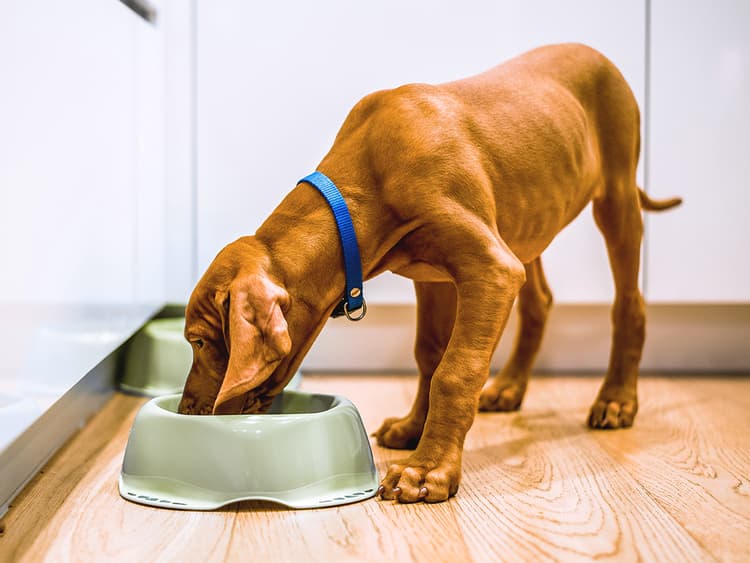
Chaisit Rattanachusri / Shutterstock
It may come as a surprise to look over at the food bowl and see that your puppy has not eaten their meal like usual. There are many reasons why a puppy might stop eating, some more serious than others. We spoke with two veterinarians to find out why puppies stop eating and what to do about it.
“Puppies love to eat, and it’s for a good reason…they’re growing,” says Dr. Nell Ostermeier veterinary spokesperson at Figo Cat Insurance. “Their body needs the calories and nutrients to keep up with their increased metabolism during growth. So, it is serious if they stop eating or have a decreased appetite.”
There are lots of reasons a puppy might stop eating. A trip to the vet is usually in order, because a puppy not eating is often one of the very first signs of an illness or other medical condition.
“Possible causes range from an upset tummy, intestinal parasites, infection, injury, or pain,” Dr. Ostermeier explains. “The bottom line is that puppies need to be eating, and if they are not, there is something wrong.”
The following are some of the most common reasons why a puppy may not be eating.
Many different illnesses or medical conditions can cause a puppy to stop eating. Only your vet can diagnose what’s going on, but some of the most common issues include:
Gastritis or gastroenteritis (inflammation of the stomach lining or intestines)
Viral infections such as parvovirus, distemper, or canine influenza
Bacterial infections
Intestinal parasite infection (roundworms, hookworms, whipworms, tapeworms, giardia, and coccidia)
Foreign body ingestion (the puppy swallowing an object that becomes lodged in their digestive tract)
Pancreatitis (inflammation of the pancreas, usually caused by eating fatty foods)
Upper respiratory infections (kennel cough, pneumonia, or other respiratory infections)
Hypoglycemia (low blood sugar, common in very young or toy breeds, that can cause a lack of appetite)
If a puppy has a food allergy or intolerance, their diet could be making them sick. Food allergies and intolerances are actually quite rare in puppies, but they can happen on occasion.
Puppies might stop eating due to discomfort or pain from teething, which happens around 12 to 16 weeks of age. Your vet might recommend feeding them a soft diet until the puppy gets through this period. More seriously, puppies might stop eating if they break a tooth or have some other injury to the mouth.
If your puppy’s food becomes stale, spoiled, or rancid, they will reject it. This is part of a survival instinct. Always store dry food away from moisture, and use it before the expiration date on the bag. Once opened, dry food usually lasts about six weeks. You can store opened canned food in the fridge for about five days.
If your puppy is taking medication for an illness or injury, it could potentially affect their appetite. (Your vet will warn you about that ahead of time.) After getting vaccines, some puppies feel a little off and might be sleepy or have a reduced appetite for a day or two. Check in with your vet if this persists.
Though more commonly seen in adult dogs, some puppies might have a decreased appetite due to stress or anxiety. This can happen if their owner is away or if they are feeling worried or stressed out by changes in their environment (for instance, if they were recently adopted or moved homes).
Very young puppies initially eat frequent, small meals four to six times a day. As they get older, these gradually consolidate into two or three larger meals. Around six months of age, puppies usually are past their most intense growth period, so they might be less hungry and need less food by this age.
The drive in puppies to eat to fuel growth is strong, so picky eating is rare, but it can happen sometimes. Your vet can offer tips to combat your puppy’s picky eating habits.
As with people, hot weather can somewhat dampen a puppy’s appetite. When temperatures are high, be sure your puppy drinks plenty of water to stay hydrated, keep your home cool with air conditioning or fans, and limit exercise during the hottest parts of the day.
Yes, a question that also applies to human babies.
If your puppy doesn’t want to eat, don’t take a “wait and see” approach. A puppy not eating can develop into serious problems much faster than it can with an adult dog. Both vets we spoke to recommend seeking veterinary attention if a puppy hasn’t eaten (or is eating very little) for 12 to 24 hours.
“Depending on the age of the puppy, a decreased or total lack of appetite could be a sign of a very serious problem,” says Dr. Chris Konvalinka, a veterinarian at Bahama Road Veterinary Hospital in Bahama, North Carolina. “It could be due to an infection, parasites, or even after swallowing a foreign object. But the list of possibilities is very long.”
Even if it hasn't been 12 to 24 hours, it’s best to call a vet if your puppy isn’t eating and is showing any of the following signs.
Vomiting or diarrhea: Young puppies can quickly become dehydrated if they are throwing up or have diarrhea.
Lethargy or behavioral changes: A puppy who seems very tired, or has no desire or energy to play, should see a vet right away.
Weight changes: Puppies should be gaining weight, not losing weight. The latter is a serious sign that the pup needs veterinary attention.
Once your puppy has seen a vet and gotten a diagnosis and treatment, it’s important to get them eating normally as soon as possible. Your vet will offer you plenty of advice, but you can also try the following.
Add a tasty topper to food like plain cooked chicken.
Try an alternate food (your vet may have some suggestions).
Take the puppy for a walk before meals to stimulate their appetite.
Warm up the food, especially canned food from the fridge.
Keep a consistent feeding schedule.
Limit treats outside of meal times.
And why it’s so important to keep them hydrated.
If your puppy is not eating but acting normally, they still might be sick. Dogs and puppies instinctively hide their illness and pain, so it can be hard to know when they are not feeling well. Always reach out to your vet anytime a puppy is not eating for 12 to 24 hours.
Many different factors can cause a puppy to lose their appetite. They include illness, infection, parasites, swallowing a foreign object, teething, and more. Loss of appetite in puppies is serious, so always seek veterinary attention to find out why your puppy is not eating.
It’s not normal for a puppy to lose their appetite. Puppies need food to fuel their rapid growth and development, and that can go downhill quickly if they go too long without eating. Call your vet any time a puppy loses their appetite for more than 12 to 24 hours.
Puppies need different amounts of food depending on their age, size, energy levels, and the specific food they are eating. Check the food label for an estimate of the amount of food a puppy needs each day based on their weight. This is just a starting point and might need to be adjusted. If your puppy gobbles down the recommended amount of food and still seems hungry, or looks skinny, they might need a little more. If your puppy usually leaves some food in the bowl after each meal, or starts looking too chunky, they might need a little less.
Puppies sometimes stop eating if they are experiencing discomfort in their mouths due to teething (at around 12 to 16 weeks of age). This is temporary and can usually be addressed by feeding them soft food such as canned food or by soaking their kibble in water. Always check with your vet if your puppy doesn’t want to eat for 12 to 24 hours, because a lack of appetite usually indicates a medical issue.
Blois, Shauna. “Disorders of the Stomach and Intestines in Dogs - Dog Owners.” Revised May 2018. Merck Veterinary Manual, www.merckvetmanual.com/dog-owners/digestive-disorders-of-dogs/disorders-of-the-stomach-and-intestines-in-dogs.
Teresa Traverse. “Why Won’t My Dog Eat? Learn about Reasons Why Your Dog Isn’t Eating.” Updated 26 Mar. 2024. American Kennel Club, www.akc.org/expert-advice/health/why-wont-my-dog-eat/.

Jackie Brown lives in sunny Orange County, CA, where she works as a freelance writer and editor. Her work has appeared in Business Insider, Adopt-a-Pet, Cats.com, The Spruce Pets, and Great Pet Care, as well as National Geographic’s The Secret Life of Dogs (as author) and National Geographic’s Complete Guide to Pet Health, Behavior, and Happiness (as a contributing writer). When she’s not on deadline, you can find her paddling her outrigger canoe in the Pacific Ocean or hiking in the foothills with her two young boys.
Pet Wellness
Nutrition
Nutrition
Nutrition
They do like to use those chompers, but is this a safe alternative to your fingers?

Nutrition
If your dog suffers from mealtime boredom, spice up their food bowl with one of these tasty toppers.