The 5 Top Reasons Cats Are Taken to Shelters (And How to Prevent Surrendering Them)
Nobody wants to part with their beloved pet — and you don’t have to. Here are some practical solutions to consider before assuming your cat isn’t working out.
Nobody wants to part with their beloved pet — and you don’t have to. Here are some practical solutions to consider before assuming your cat isn’t working out.
by Lindsay Hamrick, CPDT-KA, | May 14, 2024

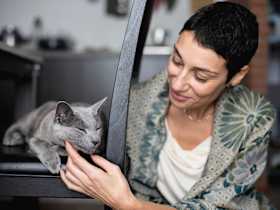
Lucas Ottone / Stocksy
Giving up on your beloved kitty can be a gut-wrenching decision. But if life has thrown you a curveball, and you’ve found yourself in the heartbreaking situation of potentially surrendering your cat, you are not alone. Millions of cats and kittens are brought to local animal shelters and rescues each year due to the very real responsibilities (opens in a new tab) (such as housing, finances, managing behavioral issues, adjusting to a new lifestyle, etc.) associated with having a pet.
Although the reasons behind the decision to surrender a pet can be complex, there are ways to prevent the drastic action of rehoming your pet. If you must part with your cat, it’s most humane (and in some cases simpler) to rehome your cat (opens in a new tab) instead of surrendering them to a shelter.
Before you even consider that drastic measure, try out these tips to solve common pet issues, so you can continue living happily with your furry bestie.
A lack of affordable and safe pet-friendly housing (opens in a new tab) tops the list of reasons both cats and dogs are surrendered to shelters or rehomed by their pet parents to family and friends. According to the American Veterinary Medical Association (opens in a new tab), more than 25 percent of U.S. households own at least one cat, and an estimated 72 percent of renters have pets. This makes housing a major factor in pet surrender and if cats can stay with their families for their lifetimes.
If you’re a renter and potentially moving, start your search as early as possible. The more time you have to monitor websites for apartments, homes, and houses for rent that are pet-friendly (opens in a new tab), the more likely it is that you’ll snag a good fit. (The Humane Society has a list of apartment-search resources (opens in a new tab) to get you started.) Starting your search early also gives you more time to negotiate with property owners who may be on the fence about allowing a cat.
During this negotiation process, consider giving a potential landlord a resume for your cat. (Yes, you read that right!) This is a document that highlights how your cat is an ideal co-tenant. You can ask your veterinarian to write a cat recommendation, explaining that they’re up-to-date on vaccines, well-groomed, and well-behaved. If you’ve previously rented a home as a pet parent, ask your prior landlord to write a letter of recommendation. Nothing convinces a property owner (opens in a new tab) like the opinion of a fellow landlord.
Kitties are cute (those paws!) and somewhat independent. So it’s pretty hard to resist adopting a cat. But when reality kicks in, costs can get out of hand — especially when considering the initial investment of getting a cat, then other fees associated with their age, health, and vaccine status. Here’s a breakdown of those expenses and how to manage that financial stress.
How much does it cost to care for a cat (opens in a new tab)? For starters, adopting your feline will put you back $100 to $500. And that’s just the tip of the iceberg after you consider other first-time costs such as vaccinations, spaying/neutering, microchipping, initial supplies (such as a bed, scratching post, collar, toys, food, litter box, carrying crate, and so on). Then there are the ongoing monthly costs such as health insurance, food, litter, and more toys.
These costs can be overwhelming, but before rehoming a cat due to expenses, reach out for assistance. Start with Best Friends’ financial resources (opens in a new tab) site, which details programs across several states. If you have a service or working animal, emotional support pet, or are fostering, look into pet tax deductions (opens in a new tab), too.
If your economic circumstances are more dire — which is one of the most acceptable reasons to rehome a cat — do not worry. Pet Help Finder (opens in a new tab) can connect you with affordable veterinarians, food, and various services such as pet boarding. And for those who are unhoused, Feeding Pets of the Homeless (opens in a new tab) can help with food, supplies, and pet-friendly shelters. If the above resources don’t work for you, Google is your friend: Enter search terms such as “pet financial assistance” as well as your city and state. You’d be surprised how many local organizations are ready to help.
As a pet parent, one of the biggest obstacles to your budget will probably be veterinarian and medical costs. This tends to be more dramatic when the cat is just adopted (especially if they’re a kitten (opens in a new tab)), and as they age.
After adoption, if the shelter or rescue hasn’t spayed or neutered your cat (opens in a new tab), you’ll need to do that. And if they don’t have their core vaccines (opens in a new tab) (or still need some of them) or come to you with a health concern (opens in a new tab), you’ll have to foot that bill as well. Investments in making pregnancies impossible and inoculating against illnesses will ultimately save you money. Meanwhile, those with senior cats could find themselves with mounting bills as their kitty develops health issues or complications associated with age.
If you don’t budget for both routine and unexpected medical needs (and you should), finding the money can be stressful. And that’s a big reason why pet parents start looking for places where they can surrender their cat for free (opens in a new tab). But as mentioned above, there are several options to help you, including locating a more affordable vet and finding a charity that will foot that bill.
Keep in mind that help is just around the corner. Take a deep breath, and check out our extensive “Vet Bill Assistance” guide (opens in a new tab) for several solutions.
Try as you may, sometimes getting your cat (or cats) to cooperate — or getting them to like you (opens in a new tab) — can be mentally and emotionally draining. Perhaps they’re not socialized, are untrained, or have developed not-so-great habits over time. Before you throw in the towel and surrender a cat with behavior problems, know there are several ways to remedy those issues. This just takes some time and patience. Below is a breakdown of some common feline issues and methods to solve them.
Perhaps your cat is excessively spraying or scratching your furniture (or even you) or chewing (opens in a new tab) everything in sight. There is a reason for this — your cat could be anxious (opens in a new tab), stressed (opens in a new tab), or unhappy — and surrendering them is a less preferable alternative to training them out of several of these behaviors.
First, if you’ve been attempting to discipline your cat, don’t. It won’t work (opens in a new tab) and can open the door to additional problems. Many ways that cats act out — being aggressive, scratching furniture (no, you should never declaw (opens in a new tab) them), urinating outside their litter boxes — can be undone through surprisingly simple solutions (opens in a new tab).
If these solutions don’t work for you, however, you can try the various methods outlined in these DIY behavioral guides:
Cat Scratching: Train a Cat Not to Scratch (opens in a new tab)
What Are Some Effective Cat Anxiety Treatments? (opens in a new tab)
How Much Space Does a Cat Need to Be Happy? (opens in a new tab)
And if you think you still need more problem-solving help, visit a veterinarian to determine if your kitty is sick. Or ask them to suggest a licensed feline behavioralist (opens in a new tab) trained in humane ways to help.
Rescuing a cat from the streets is a great thing to do, so it’s especially disappointing when you realize that your formerly stray cat (opens in a new tab) may be too much to handle or too aloof if they’re feral. After determining they’re not a lost pet (opens in a new tab), take the cat to a veterinarian (opens in a new tab) to get a better handle on the cat’s health and behavior before rehoming them. With a little patience, there are steps you can take to earn a stray cat’s trust (opens in a new tab) — but trust takes time. After that, you can start training (opens in a new tab) them to become a better roommate.
Sometimes, bringing a second kitty into your home seems like the best idea…until it isn’t. The drama of two cats not getting along can get messy or even violent. But before you contemplate removing your new cat from the household, try some tried-and-true introduction steps (opens in a new tab), which you may have sped through (opens in a new tab) in hopes that your cats would become best buddies upon first sight.
Cats love their routines, so when you decide to bring a friend home for them, they aren’t always bursting with excitement. You can set them up for success by slowing this process way down (opens in a new tab).
For instance, rather than plopping a new kitten (opens in a new tab) on the floor and hoping your cat adapts immediately, plan out a room in your house where the kitten can acclimate and your cat can get used to their smell and sounds before meeting nose to nose. Give a new cat or kitten at least 48 hours (opens in a new tab) to explore their safe room before letting them roam the whole house.
When you’re ready to introduce the two cats to each other (opens in a new tab), place a baby gate at the doorway of the safe room, grab some yummy treats, and reward both the new and resident kitty for appropriate behavior. This may include sniffing, walking away, or even best-case-scenario behavior like purring and rubbing against the gate. If it’s all hissing and raised hair follicles, close the door, and give everyone more time in separate parts of your house before very gradually re-introducing the cats to each other.
Cat litter box problems are all too common. While it may seem hopeless to convince your cat to properly use their litter box (not to mention gross), just know there is a lot you can do to encourage a stubborn cat to do so.
First, try to figure out (opens in a new tab)why they’re behaving this way. Are they stressed? Is the litter box clean (cats hate dirty litter boxes)? Have you gone to the vet to rule out any medical issues, such as a UTI or arthritis?
Check out this guide to solving litter box problems (opens in a new tab). You’ll find that some solutions are far simpler than you’d think. Some of these fixes include: cleaning the litter box (both scooping multiple times a day and cleaning them weekly with gentle soap), changing its location, using treats as encouragement, offering more than one substrate (such as pine shavings and clumping litter), providing extra litter boxes, or replacing the box entirely with one that’s bigger or lower.
The guide also lists suggestions to mitigate the various factors such as territorialism or stress, which may be contributing to their rogue behavior. There are often very clear reasons cats act out, so don’t give up on them without exploring those causes first.
Finding a vet, getting there, and affording the visit are all valid concerns that can drive pet parents to give up their cats. But there are several resources at arm’s reach designed to help you navigate these challenges and obstacles. We’ve listed some here to get you started.
Access to vet care (opens in a new tab) can be a nightmare for pet parents who live in areas with few or no veterinary clinics nearby, especially for those who rely on public transportation to travel to one.
Start with the ASPCA’s Vet Clinic Finder (opens in a new tab), which can help you locate the clinic or clinics closest to you. If you can afford it, you can also look into mobile vet services (opens in a new tab). If transportation is an issue, ask your veterinarian if their state allows telehealth. During the COVID-19 pandemic, some states authorized the use of virtual appointments, expanding how many animals could receive an initial consultation with a veterinarian without a trip to the clinic. If that isn’t an option, reach out to charitable organizations (such as United Way (opens in a new tab)) for a free ride.
There is no reason not to get pet insurance, and our guide (opens in a new tab) walks you through what to look for in a plan. (If you have more questions, check out this Top Questions (opens in a new tab) article, created to address all your concerns related to insurance.) If pet insurance is price-prohibitive, you can consult some telehealth options first, such as Pawp (opens in a new tab). There are also several services designed to provide financial assistance for pet parents — the Humane Society has a long list of suggestions (opens in a new tab).
From regular wellness care (opens in a new tab) to unexpected emergencies (opens in a new tab), medical care for your cat can add up. Pet insurance (opens in a new tab) may offset the costs, but if you're unable to afford a treatment or surgery, discuss payment plans with your veterinarian. Additionally, some veterinary clinics and local shelters maintain an emergency fund to help pet parents who find themselves in an urgent situation with their cats.
Lastly, your community may have a low-cost option (opens in a new tab) for spay/neuter (opens in a new tab), cat vaccinations (opens in a new tab), and other diagnostic needs. Be sure to peruse the above section in this story, “Medical costs,” for suggestions on where to go. We know that you intend to keep your cat forever, but sometimes life can get complicated. Don’t be afraid to also reach out for help at your local shelter, which will support you, too.
Remember our plea above to get your cats spayed and neutered? Each year, a lack of spayed and neutered cats results in litters of unhoused kittens during what’s known as kitten season (opens in a new tab) — the warmer-weather months when cats are more likely to mate. Cat pregnancies run just 63-65 days, which means one cat can give birth to several kittens each year.
If giving away those kittens as soon as possible is your only realistic option, and you’re wondering, “Where can I take my cat to be adopted?” we suggest kitten rehoming (see the “How to safely rehome your cat” section, below). It’s in the kittens’ best interests that, before turning to shelters, which are overflowing with animals in need of homes, you attempt to foster these cuties and adopt them away to deserving homes. It’s the safest, most humane option to give these little kitties a chance to live their best possible lives.
If you’ve exhausted the above suggestions and resources — if your circumstances are insurmountable — you may find yourself Googling things like “How to surrender a cat” or “Where can I take my cat to be adopted.” Truthfully, the most humane option for your kitty is through a rehoming program (opens in a new tab), where you screen potential pet parents yourself. This avoids subjecting your kitty to the trauma and (even worse) euthanasia that has come to be associated with the epidemic of past-capacity shelters these days.
The second most humane option is looking into a no-kill shelter for your pet surrender. You can search by location here (opens in a new tab) to find one near you. It’s preferable to contact private shelters, as public shelters are the ones suffering most from overcrowding issues.
You should expect to spend (opens in a new tab) anywhere from $750 to $2,675 your first year as a feline pet parent. This figure accounts for new-pet essentials such as adoption fees, vaccines, and new supplies. After that, expect to pay $325 to $1,600 each year in essentials (food, litter, etc) and $1,100 to $3,600 for non-essentials such as toys and accessories.
Introduce a new kitten to your existing pet by separating the spaces where they hang out — preferably on either side of a door, with the kitten taking the smaller room. Expose them to each other’s scents and have them eat at the same time on other sides of the door, with the food bowls moving closer and closer to the door over time. As they grow accustomed to each other, carefully supervise a brief meeting. Keep in mind that the nuances of these steps will vary a bit if introducing a kitten to a fellow cat (opens in a new tab) versus a dog (opens in a new tab).
You can train your cat to be less aggressive through positive reinforcement methods. In contrast, punishing your cat won’t work and could actually escalate the issues you’re trying to curb. Figure out why your cat may be behaving aggressively, then create distractions such as catnip (and other scents), toys, and treats to encourage them channel their instincts into proper play (opens in a new tab). For more specifics, check out Best Friends’ helpful, comprehensive checklist (opens in a new tab) of symptoms and solutions.

Lindsay Hamrick lives in New Hampshire with her three dogs, chickens, and an assortment of rotating foster animals. She forces her elderly chihuahua, Grandma Baguette, on overnight backpacking trips, can diaper a lamb with one hand, and while she’s a long-time Certified Professional Dog Trainer, 66.7% of her dogs still won’t lay down when asked.

Foster & Volunteer

Adoption Advice

Adoption Advice
Adoption Advice
Learn the many benefits of adopting a cat, and all the ways felines can enhance your life and home.

Shelters & Rescue
Not every cat will be a match for you (and vice versa). Here’s how to find “the one.”

Pet Wellness
Learn how to identify, treat, and prevent ringworm in kittens.

Adoption Advice
Biases and preferences can get in the way of adopting a perfectly adorable cat. Here’s a look at the least adopted cats, and why they tend to languish in shelters.

Adoption Advice
Ear-tipped cats might be friendly — but they shouldn’t always come home with you. Learn what their ears indicate, and when it’s okay to adopt them.

Adoption Advice
Indoor life isn’t for every cat. Working-cat programs offer a happy, productive alternative.