Do Shelters and Rescues Have Return Policies?
Learn how pet adoption return policies work and why they exist.
Learn how pet adoption return policies work and why they exist.
by Dahlia Ghabour, | July 10, 2026
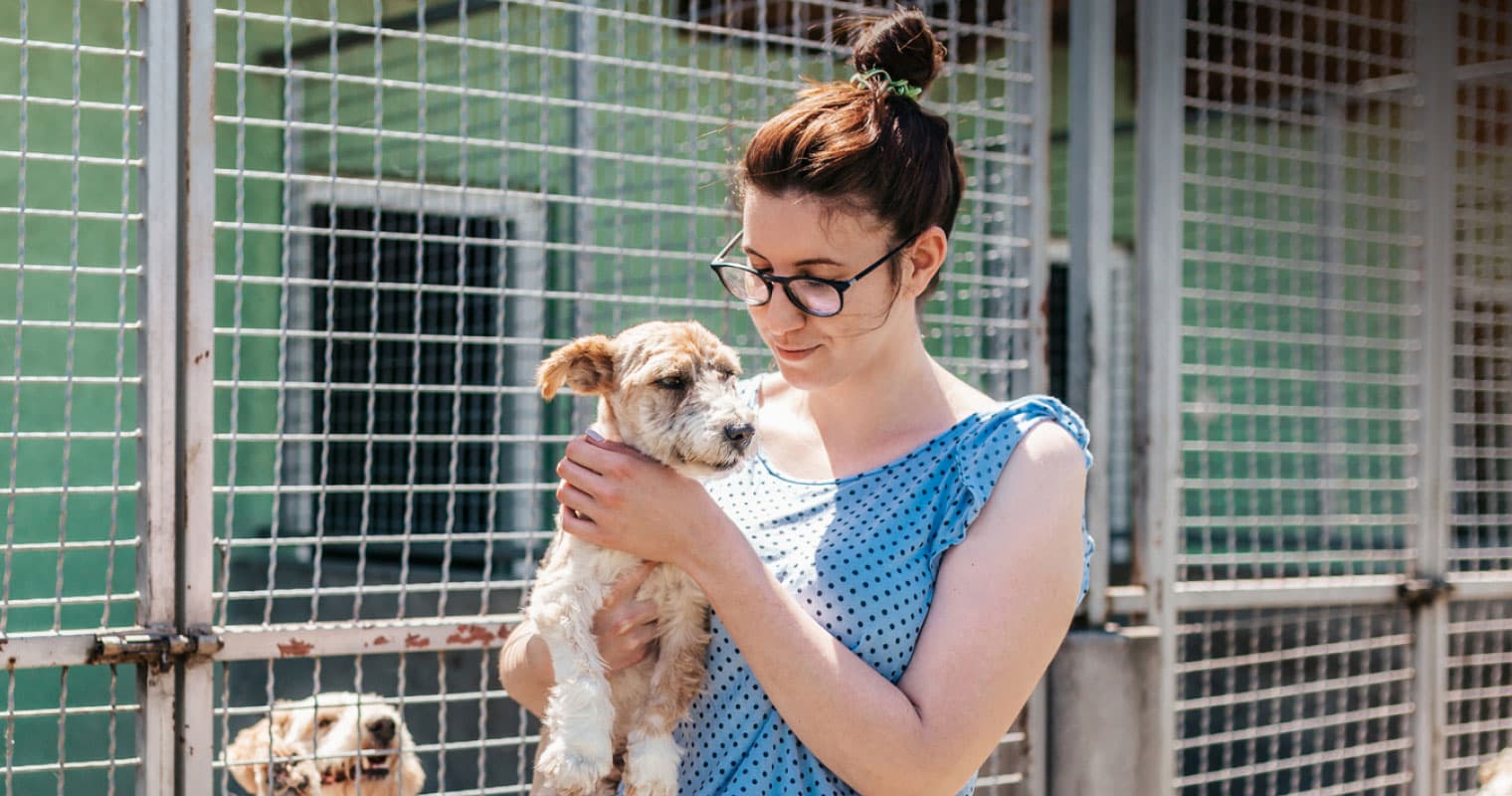
mladenbalinovac / iStock
Many prospective adopters share a similar fear: what if the pet you choose ends up being a bad fit? What if you both struggle with the transition, and it just doesn’t work out? Is returning a pet to a shelter allowed?
Fear not: There are many policies and procedures in place at shelters and rescues to keep pets safe and ensure they eventually find the right fit, even if this isn’t your home.
Shelters and rescues have return requirements and contracts in place to protect dogs, cats, and other animals from being dumped in the woods or countryside, abandoned in a house, given away to a stranger, or otherwise harmed. More often than not, if you’ve adopted an animal from a shelter or rescue and can no longer care for them, you must return the pet to the shelter so they can care for the pet.
Marco Govel / Stocksy
Almost all shelters and rescues will include a “take back” clause in their adoption contracts, allowing you to take the animal back to the shelter if, for any reason, you are unable or unwilling to care for the animal. You will usually be responsible for transporting the pet back to the shelter, and you may not be refunded adoption fees. This clause exists to give you a safe exit plan if the adoption doesn’t work out. Here’s what you can expect.
Return policy windows are usually two weeks to 30 days. During this return window, you may get some or all of your adoption fee back or apply it to another pet. But some shelters and rescues offer longer return periods; the York County SPCA, for example, allows a 60-day return policy that applies your adoption fee to a different pet.
Many organizations have a lifetime return policy. This means they’d rather you bring the pet back to them — at any point — than rehome them on your own. You likely won’t get your adoption fee back, but most contracts actually require this, so check your agreement before making any other arrangements.
Stricter policies do exist. Some shelters and rescues may not actually refund fees, no matter the outcome of the adoption. And depending on the shelter, returning a pet could mean losing the ability to re-adopt that specific animal — or in some cases, adopting from that organization again at all. Each shelter handles this differently, so if you’re unsure about anything, double-check your agreement before you sign.
Policies vary from shelter to shelter, but typically, a trial adoption allows people to take home a prospective pet for a short period (usually two to three weeks) to determine if the pet is a good fit for their family before officially adopting them. It’s a lower-pressure way to test out a new family member, as well as offer a shelter animal a respite from the stressful shelter environment. A trial period occurs before you fill out the official adoption paperwork.
A return policy, however, kicks in after you fill out official adoption paperwork and take an animal home with you. Although each shelter is different, most require you to surrender your pet to the same shelter you adopted them from if the adoption doesn’t work out. The priority is always to find the pet a safe, loving home.

Find out how to set your adopted rescue dog up for success.
Pets can be returned to shelters and rescues for a variety of reasons, especially for behavior or incompatibility with existing pets or other people in the home. One South Carolina animal shelter experienced a return rate of just 9.2 percent, according to a 2022 National Library of Medicine study that featured a five-year retrospective analysis of the organization. The returned animals were mostly dogs, and the most common reason was behavior (at 32.8 percent), followed by incompatibility with existing pets (21.5 percent) and pet parent circumstances (11.2 percent).
The most common guideline for integrating new pets into a home is to allow at least three months for decompression. It allows for realistic expectations and emphasizes the time and patience needed during such a big transition. New routines and trust take time to develop.
First three days: Pets exhibit the most stress at this time and may be overwhelmed. Try to get into a routine, stay positive and calm, and give them clear direction.
First three weeks: Pets start to settle in, experiencing less stress. Work on basic training, positive reinforcement, as well as consistency with boundaries and play.
First three months: Pets should be adjusted to their surroundings and people. They begin to trust you, show their true personality, and are integrated into the home.
If your pet isn’t exploring, eating, exhibiting calm and energetic body language, or showing other positive signs, this may indicate that they are having decompression struggles. In this case, you should speak to your shelter representative or vet for assistance.

Behavior correction, Mary Poppins style: Turn a job into a game.
Despite your best efforts at integration, sometimes new pets have trouble getting along with resident pets in homes. This is one of the most common reasons pets are returned to shelters and rescues, so don’t feel too badly — the shelter staff wants your pet to be in a comfortable home, even if that’s not with you.
Have you discovered an unexpected health issue in your new pet that you can’t afford to treat, or perhaps a challenging behavior? You’re not alone. If the issue is simply behavior- or adjustment-related, reach out to your rescue for advice. Or if your budget allows, consult a trainer or expert. If vet finances are an issue, explore options such as Pet Help Finder. Otherwise, yes, you can return your pet to their shelter of origin to receive the care and attention they need.
Daxiao Productions / Stocksy
If you end up needing to return a pet, it’s alright. We know this isn’t a decision you’re taking lightly, and you’re not a bad person for doing this. You can find a pet who better fits your lifestyle in the future.
Start the conversation with the shelter or rescue: The first thing to do is call or email your shelter to let them know you need to return your pet. Depending on your paperwork, there may already be an outline in place for this, detailing when and how to bring your pet back to the shelter.
The surrender process and paperwork: Each shelter has a slightly different surrender process, but you’ll have to fill out some paperwork detailing why the pet didn’t fit into your home. Be as detailed as possible, especially if the issue was behavioral, so that shelter staff can use the information to find a better home fit.
Most shelters and rescues will allow you to adopt again in the future, despite returning an animal. If, for some reason, a shelter does not allow you to adopt from them, you can always seek out a different shelter to adopt from.
There are plenty of resources to help you keep your pet, despite hardships, such as:
Call the shelter for post-adoption behavioral support
Seek post-adoption training help for your new pet
Set up temporary fostering with friends or family
Seek assistance from safety-net programs such as Pet Help Finder or Save Haven for Pets
Rehome your dog with a reputable source, such as Adopt a Pet
You will most likely not get your adoption fee back if you return a pet to a shelter or rescue. In some cases, you may be able to apply your fee towards the adoption of a different pet, though policies differ by organization.
If you are returning a recently adopted pet, you must return them to the same shelter you adopted them from, as detailed in your adoption agreement. If you are surrendering a longtime pet, you need to make an appointment.
A foster-to-adopt trial allows you to foster a pet from a shelter at no cost to you for a length of time, usually two to three months, to see if you’d like to permanently adopt them. Most organizations desperately need fosters, so this is a great option for new and experienced pet parents.
“Pet Adjustment Periods: The 3 Days - 3 Weeks - 3 Months Guide.” ASPCApro, 17 Sept. 2024, www.aspcapro.org/resource/pet-adjustment-periods-3-days-3-weeks-3-months-guide.

Dahlia Ghabour is a Louisville, Kentucky-based freelance writer with award-winning work featured in newspapers such as the Louisville Courier-Journal and the Jacksonville Business Journal, both online and in print. Dahlia has two gray cats, a love of wildlife and zoo conservation, and a deep desire to one day pet a cheetah.

Rehome

Shelters & Rescue

Lifestyle

Behavior & Training
Your dog’s sense of direction changes with the Earth’s magnetic fields, influencing their orientation when pooping and acting as an internal compass.

Behavior & Training
Your cat’s attempts to make a run for it are usually pretty normal. Here’s how to prevent their temptation to explore the great outdoors.


Rehome
If your new rescue does not seem happy or adjusted, they may just need a bit more time.

Lifestyle
The author of Return to Nature on the mental health benefits of getting out into various natural landscapes with your pup.

Adoption Advice
Some shelters and rescues now offer adoption trial programs.