This Minnesota Shelter Is Bringing Adoptable Animals to Schools, Nursing Homes, and Businesses
This program, called Pawsitive Connections, is a win-win for people and pets.
This program, called Pawsitive Connections, is a win-win for people and pets.
by Katie Koschalk, | July 16, 2026
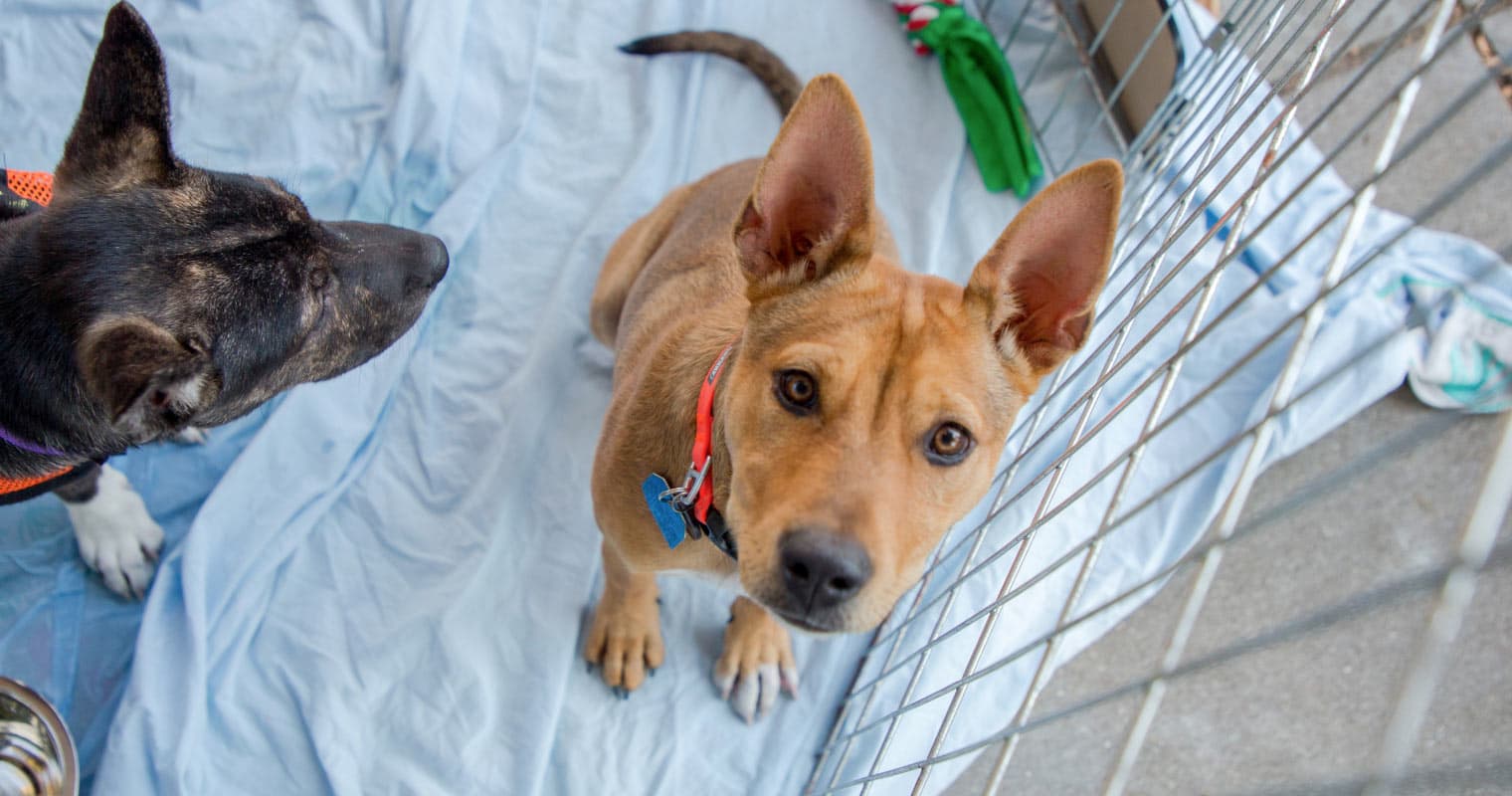
Amaya Edwards / Adopt a Pet Creative
There’s a reason therapy dogs visit hospitals, college campuses bring in puppies during finals week, and videos of kittens rack up millions of views online: Animals have an incredible ability to make people feel better.
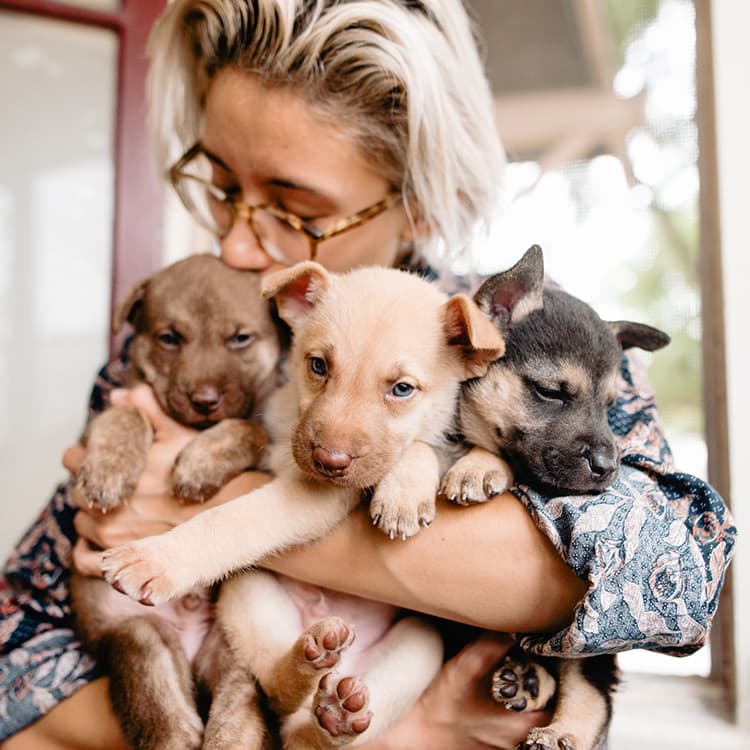
One Minnesota shelter is bringing that same feel-good energy directly to local schools, nursing homes, and businesses through its Pawsitive Connections program. The program not only lifts people’s spirits, but also helps adoptable animals get valuable socialization and exposure to increase their chances of adoption.
Read on to learn more about this program and how it’s benefiting people and shelter animals alike.
Pawsitive Connections is a program created by the Pope County Humane Society (PCHS) in Glenwood, Minnesota. It brings adoptable dogs and cats into schools, nursing homes, and businesses for interactive visits.
Although the program officially launched in May 2025, Shauney Gloege, president of the board of directors at PCHS, says the organization had been doing occasional community visits long before putting a formal structure around the idea.
According to Gloege, the inspiration for creating the official Pawsitive Connections program came from Helen Woodward Animal Center’s Business Buddies program, which raises money for the shelter through organized experiences with adoptable animals.
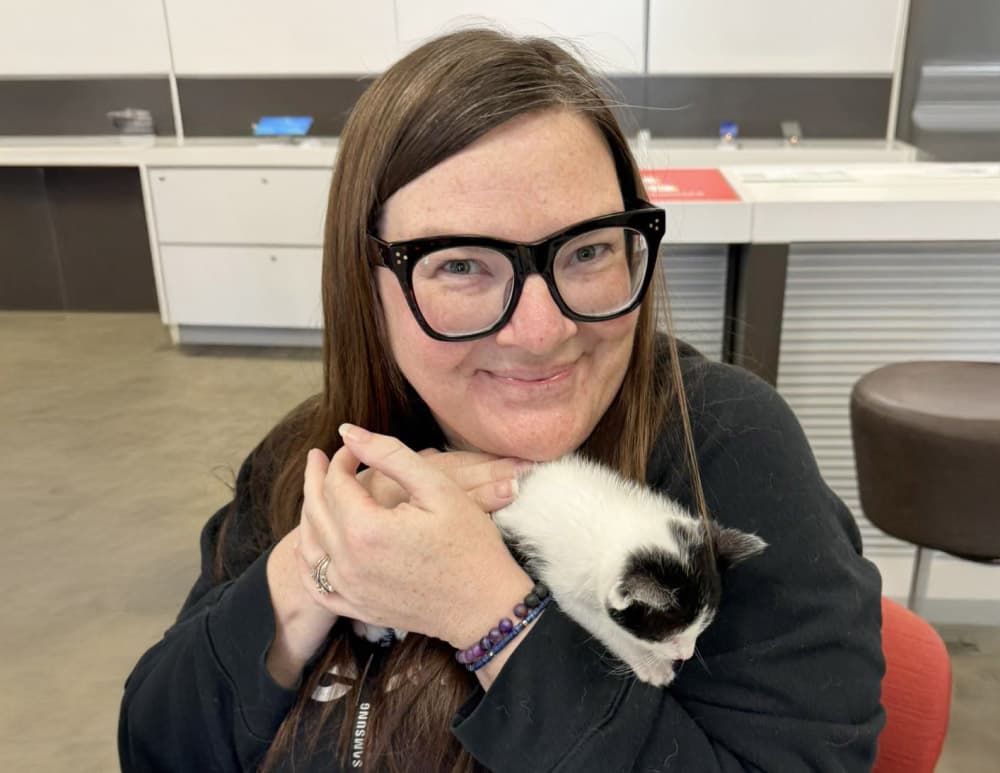
Pope County Humane
Pawsitive Connections has visited a variety of local businesses and organizations, including hospitals, banks, and car dealerships, though Gloege says nursing homes and schools have been the most frequent stops. One other popular, recurring event is a local elementary school’s “Wonder Wednesday” program, where students get to spend time with kittens while learning about proper kitten care.
Pawsitive Connections currently operates on an at-will donation model, with a suggested donation of $50 per hour paid to the shelter by the participating business or organization. Donations help PCHS continue providing care, shelter, and second chances for animals in their community.
Donations can be made in the form of money or much-needed supplies, such as pet food, litter, paper towels, dish soap, hand soap, printer paper, and other everyday essentials. Not quite sure which supplies to donate? PCHS is happy to discuss ideas and current shelter needs.
To help keep the program manageable and safe for the animals and staff, visits are limited to locations within 30 miles of the shelter.
Thinking of adopting a pet? What to expect, what to bring, and which questions to ask.
Not every shelter animal is the right fit for community outings, so PCHS carefully chooses animals based on their personalities and comfort levels. Gloege says the organization typically tries to bring kittens or puppies whenever possible, because they’re the most requested — and people naturally get excited to interact with them. Younger animals also tend to have personalities that are well-suited for social visits.
If puppies or kittens aren’t available, the shelter looks for friendly, mellow adult animals who would be comfortable in a public setting. If there aren’t any suitable animals at the time, Gloege says they wait and schedule the event for a later date instead.
Although each visit looks a little different, Pawsitive Connections events generally give participants the chance to spend quality time interacting with the animals in a relaxed, hands-on setting.
Depending on the group and setting, participants may have the chance to:
Pet and cuddle animals
Learn about animal care
Ask questions about the animals and the shelter
Interact with shelter staff
Learn about adoption and fostering opportunities
At schools, visits may focus more heavily on education, teaching children about topics such as kitten care and responsible pet parenthood. At businesses, the visits often function more as employee wellness events, giving staff a chance to take a break and connect over some adorable furry visitors.
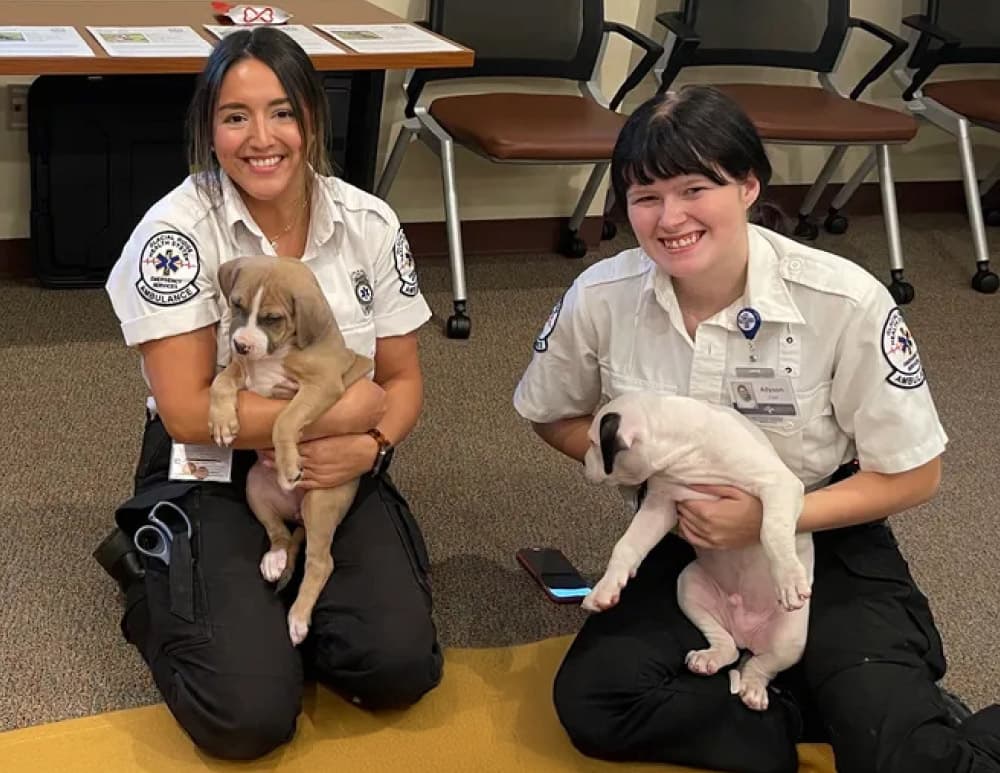
Pope County Humane
Pawsitive Connections offers a variety of benefits for community groups. Here are some of the most common.
Spending time with animals has been shown to lift people’s moods. Whether it’s employees taking a break during a shift, nursing home residents enjoying canine cuddles, or students spending time with kittens, the visits often leave people smiling and feeling a bit lighter than when they walked in.
Spending time with animals may also help reduce stress. Research has found that even brief interactions with animals can lower levels of cortisol, a hormone associated with stress. In one study, college students who spent just 10 minutes petting cats and dogs from a local shelter had significantly lower cortisol levels than students who did not interact with the animals.
For some people, especially nursing home residents or those who may not regularly interact with others, the visits can provide companionship and comfort. Even short interactions with a friendly dog or cat can brighten someone’s day and help them feel a little less alone.
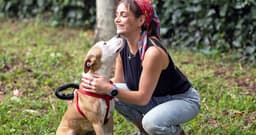
Here’s how field trips can transform their personalities and increase their chances of adoption.
The visits can also serve as educational experiences, especially for schools and youth programs. Children have the chance to learn about responsible animal care, shelter work, and the importance of adoption while interacting directly with the animals.
In some cases, hosting an animal event may help bring additional attention to a business or organization. Public-facing events featuring adoptable pets can encourage people to stop by, interact with staff, and learn more about the business. After all, few things draw a crowd faster than a room full of adorable puppies or kittens.
Participating in the program gives businesses an easy way to support local animal rescue efforts and give back to the community.
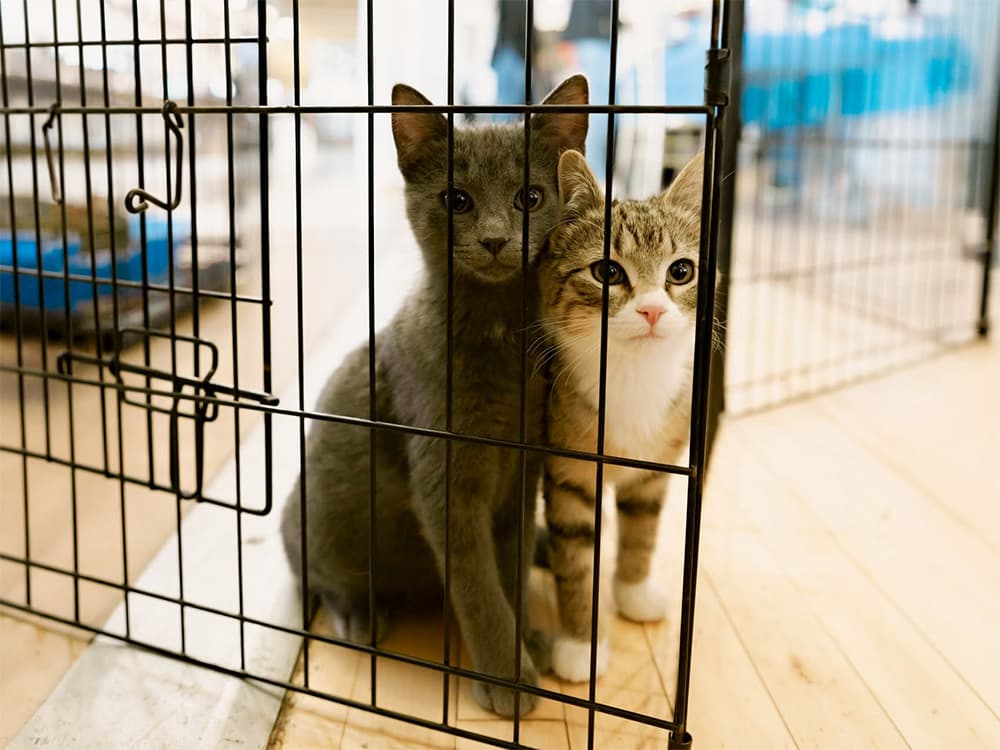
Pope County Humane
While the visits are fun and relaxing for people, they also provide several important benefits for the shelter animals involved.
One of the biggest benefits of the program is increased visibility for the shelter animals and the shelter itself. “Sometimes, these events lead to adoptions or at least spread the word about adoptable animals,” Gloege says.
She also notes that the visits help introduce adoptable pets to people who might not otherwise stop by the shelter or attend animal-focused community events.
The outings also give shelter animals important socialization opportunities. Being exposed to different environments, sounds, smells, and people can help the dogs and cats become more comfortable and adaptable over time, Gloege explains.
That added confidence and experience interacting with new people and situations not only benefits the animals’ overall well-being, but can also improve their chances of adoption.
For shelter animals, especially those spending extended time in a kennel environment, outings can provide important mental stimulation and enrichment. New environments, playtime, and one-on-one attention help break up the monotony of shelter life.
For some pets, these outings can reduce stress and bring out sides of their personalities that might not be as apparent in a shelter setting. This can make it easier for potential adopters to connect with them and picture them as part of their family.
Setting up a visit with the Pawsitive Connections crew is simple. Interested groups can fill out an inquiry form — the PCHS team will follow up to coordinate a visit that fits the group’s space, audience, and schedule. Groups interested in hosting a visit are encouraged to reach out as early as possible to allow time for scheduling and planning. Visits depend on staff schedules and animal availability.
If you meet an animal during a visit and are interested in adoption, you can contact PCHS directly to learn more about the animal’s adoption status and the application process.
Not interested in hosting a visit? There are still plenty of ways to support the program and the animals it serves. Donations of money or supplies help PCHS continue caring for animals and expanding community outreach efforts like Pawsitive Connections.
The program has partnered with hospitals, banks, car dealerships, schools, nursing homes, and other community groups. If you’re wondering if your group is a good fit, reach out to Pope County Humane Society to ask.
The event space needs to be safe and appropriate for the animals and the people attending the visit. If you’re unsure if your location is a good fit, contact PCHS. They can determine if the space is suitable for the program.
The shelter selects animals based on temperament, comfort level, age, and availability. Puppies and kittens are commonly requested, but mellow adult animals also participate.
Nagasawa, M., et al. “Oxytocin-Gaze Positive Loop and the Coevolution of Human-Dog Bonds.” Science, vol. 348, no. 6232, 16 Apr. 2015, pp. 333–336, science.sciencemag.org/content/348/6232/333.full, https://doi.org/10.1126/science.1261022.
“PCHS Pawsitive Connections.” Pope County Humane Society, 2018, pchsmn.org/pawsitive-connections. Accessed 29 May 2026.
Pendry, Patricia, and Jaymie L. Vandagriff. “Animal Visitation Program (AVP) Reduces Cortisol Levels of University Students: A Randomized Controlled Trial.” AERA Open, vol. 5, no. 2, Apr. 2019, p. 233285841985259, journals.sagepub.com/doi/10.1177/2332858419852592, https://doi.org/10.1177/2332858419852592.

Katie Koschalk is a freelance writer based in Northern California. Fusing her love and knowledge of animals with her journalism degree and years of professional writing, Katie is dedicated to improving the lives of pets and their caretakers by sharing helpful and accurate information. When she’s not at her desk, you can find her exploring trails with her Aussie, Hunter, cooking plant-based meals, and talking to her two cats, Jax and Sadie, in really ridiculous voices.
Shelters & Rescue
Shelters & Rescue
Lifestyle

Programs
It’s how we shine a light on standout shelters and rescues, sending more potential adopters their way and saving more animals.

Shelters & Rescue
Netflix and fetch? Have a dog from the shelter sleep over and see what life together could look like.

Foster & Volunteer
Thinking about fostering a cat? Consider these questions.
Adoption Advice
Foster fails aren’t bad — and they’re actually very common.
Lifestyle
Adopting a pet in the pandemic was a competition. Now, shelters need all the adopters they can get.
Nutrition
Van Leeuwen just announced a new dog-friendly ice cream—and it’s not the only option for a pup with a sweet tooth.