How to Dog-Proof Your House *Before* Adoption Day
Your new dog is going to sniff out every hazard in your house — here’s a room-by-room checklist to keep your new dog safe.
Your new dog is going to sniff out every hazard in your house — here’s a room-by-room checklist to keep your new dog safe.
by Courtney Elliott, | August 20, 2026
Drobot Dean / AdobeStock
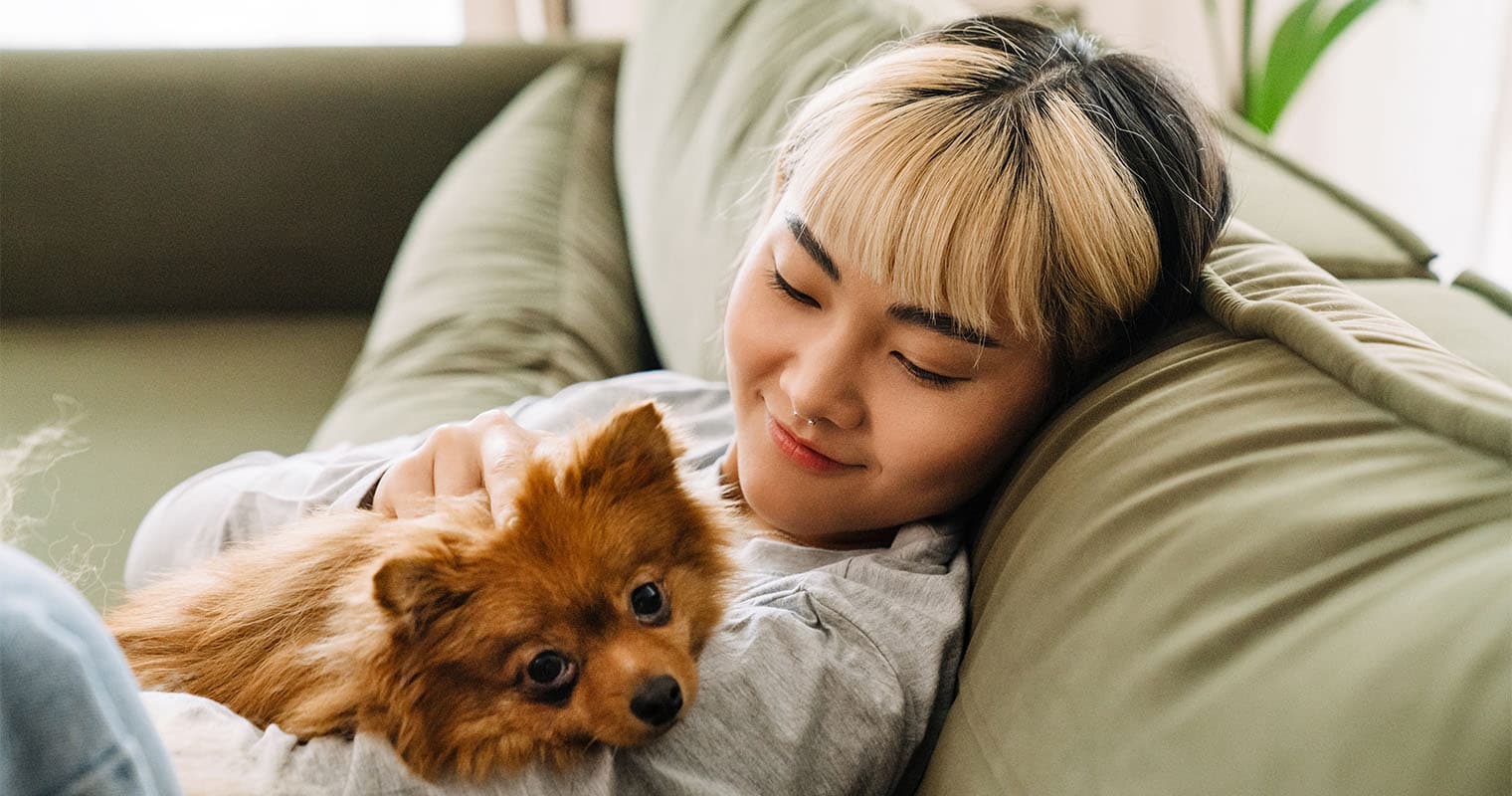
Welcoming a new dog into your home is one of the most rewarding things you can do. But before their eager paws approach your front door, ensuring a safe environment should be a top priority. When it comes to the art of dog-proofing your house, you need to safeguard not only your cherished belongings but, most importantly, your new canine companion. From relocating potential hazards to creating secure spaces, we’ll cover all the bases so your new family member can explore your kitchen, bathroom, living room, bedrooms, garage, and yard without worry.
Dog-proofing your house isn’t just a precaution; it’s a heartfelt gesture of love and care for your newly adopted pup. By creating a safe haven for your dog, you’re not only protecting them from potential accidents, but also ensuring your own peace of mind. Dog-proofing prevents your dog from stumbling upon harmful substances, such as cleaning chemicals or toxic plants, and protects against accidental injuries. Dog-proofing your house also keeps your furniture and belongings intact, sparing you the heartache of chewed shoes or gnawed table legs.
While browsing Pinterest will give you many creative dog-friendly house ideas — like custom dog bed built-ins and glamorous grooming stations — the most important items to start with are the potential hazards that lurk throughout your home. When in doubt, here’s a good rule of thumb (or paw): If you’re not sure it’s safe for your dog to ingest, assume it is, and make sure it’s well out of reach.
Got a particularly curious, nosy pet who gets into your plants? This one’s for you.
Here’s what you watch for, and below we’ll walk you through it room by room.
Toxic plants and substances like chemicals, chocolate, and certain foods
Small objects that can be swallowed or choked on
Electrical cords and outlets
Sharp objects or tools within reach
Open doors leading to busy streets
Slippery or cluttered floors
Unsecured trash cans with tempting contents
Unstable furniture that can be knocked over
Overly hot or cold environments
Stairs or high places without proper barriers
Many pet parents close the trash and lock the pantries and think their job is done. But you’d be surprised at the nooks and crannies your pup can find trouble in. Now that you’re aware of all the possible dangers, it’s time to get dog-proofing. Let’s take a tour through your home to make sure it’s safe for your dog.
Dogs are curious beings, and they’ll investigate anything within their reach. Your kitchen is like a treasure trove for your dog, filled with all sorts of intriguing scents and tempting snacks. Here’s how to dog-proof your kitchen:
Install childproof latches on cabinets
Invest in a sturdy trash can with a secure lid to thwart any scavenging missions.
Secure toxic cleaning products
Store all foods (especially ones that aren’t dog-friendly) in safe spaces. Pantry staples like garlic, onions, and chocolate are all foods toxic to dogs.
Ensure sharp objects are out of reach (no one wants to catch their dog holding a knife…)
Push your chairs in (this helps to discourage dogs who might consider jumping up)
AnnaStills / Adobe Stock
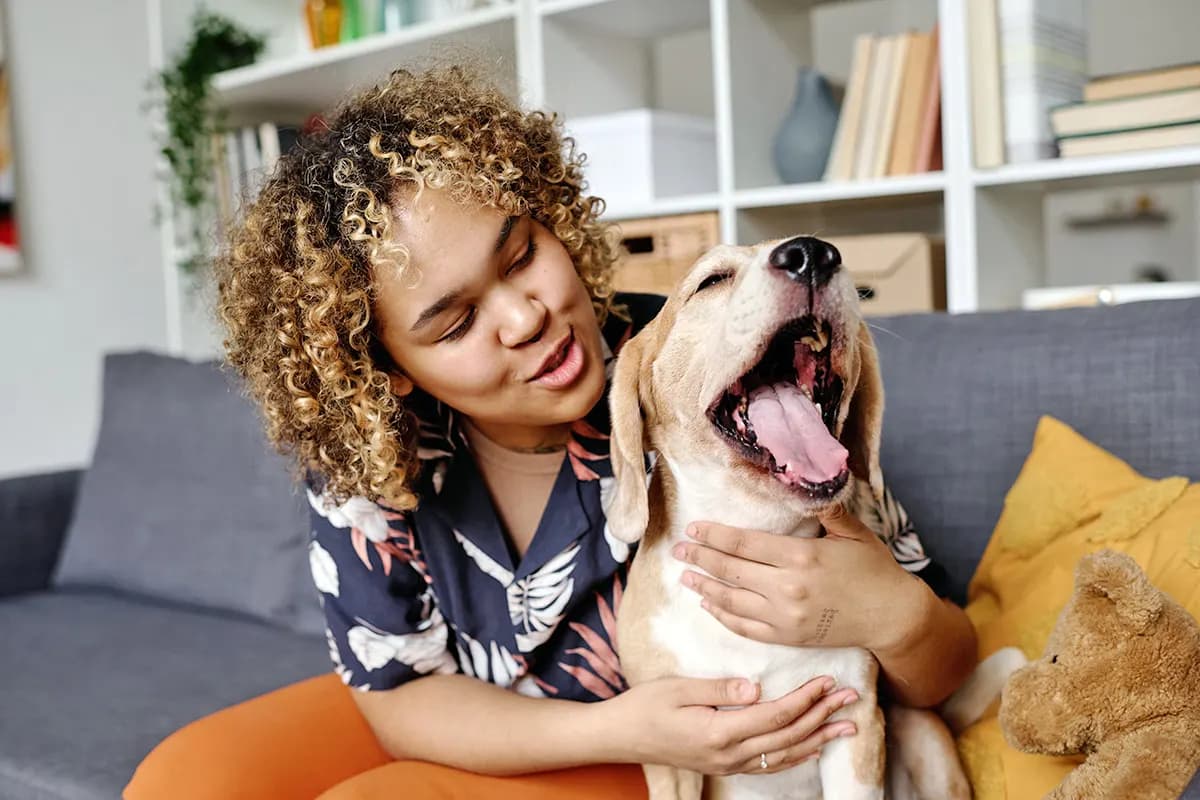
The living room is like your dog’s playground, and it’s important to keep it safe. Electrical cords make for enticing chew toys, and this can be extremely dangerous or even fatal to your dog.
Consider the following to dog-proof your living room:
Tuck away cords and cables; cable management systems can be a real lifesaver
Secure unstable furniture
Use baby gates to block off certain areas
Choose durable furniture
Keep small knick-knacks out of reach
We all know that dogs adore a good chew, and sometimes that might include your favorite pair of shoes or the TV remote. Your bedroom is a relaxing retreat, but it also holds its share of dangers for your pup. Keep small objects and prized possessions out of their reach and provide them with plenty of dog-friendly toys to keep those jaws busy.
Check these items off your list before you let your dog cozy up in your bedroom:
Conceal electrical cords
Secure dressers and wardrobes
Protect delicate fabrics
Store medications securely
Bathrooms may seem harmless, but they can harbor hazards as much as any other room in the house. Make sure you:
Lock medicine cabinets
Stash trash securely
Close toilet lids
Store hygiene products
Stow away all those household hazards like cleaning supplies, medicines, and any toxic substances
Alex / AdobeStock
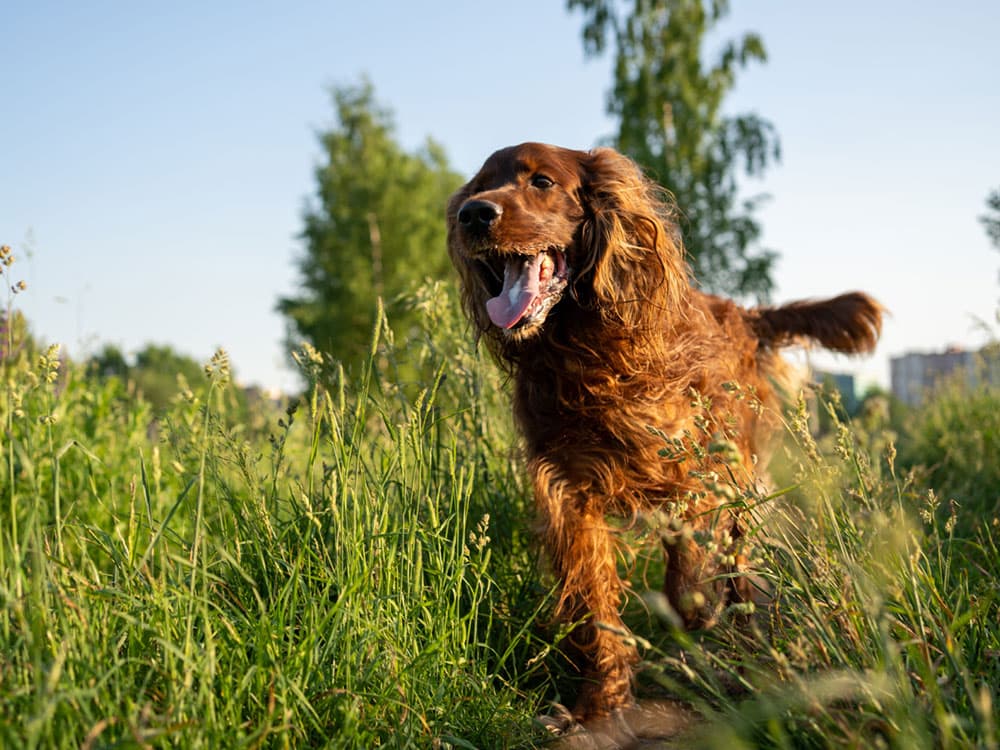
While outdoor spaces provide ample room for adventures, they also require maintenance so you can keep your dog safe. Take the following precautions:
Install a secure fence
Check for toxic plants
Store away dangerous substances and tools (fertilizer, nails, etc.)
Maintain your yard
Provide shade and water
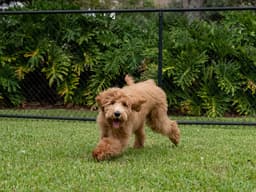
10 steps to a safe outdoor space. Landscaper not required.
While any dog is prone to the perils of a non-dog-proofed home, puppies are especially vulnerable given their curious nature and lack of self-control. Here are some puppy-proofing tips to keep in mind as you prepare for your new arrival:
Get down to puppy level: To identify potential liabilities, get down on all fours and view your home from a puppy’s perspective. This will help you spot items that might be within their reach or in hiding.
Block off restricted areas: Puppies are inquisitive explorers. Use baby gates or barriers to keep them out of rooms or spaces where they could get into trouble.
Invest in chew toys: Puppies love to chew, and it’s essential to provide a variety of safe chew toys to redirect their teething tendencies away from your furniture and belongings.
Supervision is key: Never leave your puppy unattended in the house, especially during the initial stages. Supervision is the best way to prevent puppy accidents.
Ultimately, making the house safe for your dog is crucial before you welcome your adoptee home. It’s also important to remember that dog-proofing is an ongoing process, and as your dog grows and changes, so do their needs. Regular reassessment and adjustments will help you maintain a loving and secure environment for your pup. So, prepare, adapt, and enjoy every moment of your shared journey in a hazard-free home.
Yes — Your dog’s nose is a remarkable thing, and they won’t hesitate to explore the culinary delights hidden on countertops. To prevent counter surfing, it’s best to keep these areas as clean as possible.
Yup — An open door or window can quickly become a portal to adventure for your new friend. To prevent unplanned escapes, make sure to keep entrances secure. It’s fine to keep windows open if your dog isn’t able to escape through them, but if the opening is big enough and your pup sees a squirrel, you might find yourself in a game of hide-and-seek you didn’t sign up for.
Yes — Tipping furniture can be a recipe for disaster. Ensure your shelves, bookcases, and anything that might topple over are securely anchored to the wall. This way, you’ll avoid any canine collisions or potential damage to your furniture.
To deter your dog from chewing on your furniture and possessions, provide plenty of dog-friendly chew toys. Dogs love to explore the world with their mouths, and chewing is a natural behavior. When you catch them in the act, calmly redirect them to their toys and offer praise when they chew on the right things. You can also use bitter-tasting pet-safe sprays on furniture to make it less appealing. As always, consistent training and supervision will help reinforce good habits.
If your dog has already damaged your belongings, don’t fret. First, ensure your dog is safe and hasn’t ingested anything harmful. Then, address the issue calmly. Avoid scolding your dog after the fact; they won’t understand the connection. Instead, focus on prevention and training for the future. Clean up the mess quickly to remove any enticing scents and consider using pet-friendly detergents to prevent repeat offenses.
To prevent your dog from escaping the yard, start by ensuring your fence is secure and there are no gaps. If your dog is a determined escape artist, consider adding a dig guard to prevent tunneling and never leave your dog unattended in the yard. Regular exercise and mental stimulation can also reduce the desire to escape. If needed, use a leash or long tether when your dog is outside and continue practicing training cues like “stay” and “come.”
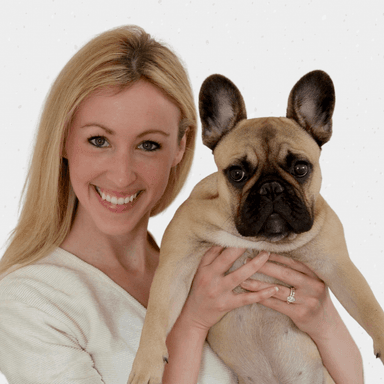
Courtney Elliott, a proud Cleveland native living in Manhattan, blends her decade of writing and editing expertise with her unshakable devotion as a pet parent to her French Bulldog, Gus. When she’s not at her desk, you’ll find her frolicking in Central Park or engrossed in a good book at a local coffee shop.
Adoption Advice
Behavior & Training

Pet Wellness
Adoption Advice
Wondering where to go to rescue a pup, and what to do once they’re home? We’ve got all the answers.
Behavior & Training
Discover when nighttime crating makes sense, when it doesn’t, and how to make it a positive experience.

Adoption Advice
If you’re feeling overwhelmed or sad after bringing home a new puppy, you’re not alone.

Adoption Advice
Hesitant to adopt a pet? We break down common adoption worries and offer practical tips for a smooth transition.
Adoption Advice
Bringing a new puppy into the house? Learn how to create a safe, comfortable space in every room for their first days.