Why Your Dog Will Be Obsessed With Pattern Games
Here’s a guide to the best ones to play with them.
Here’s a guide to the best ones to play with them.
by Karen B. London, PhD, CAAB, CPDT-KA, | August 20, 2026
Mel Karlberg / Stocksy
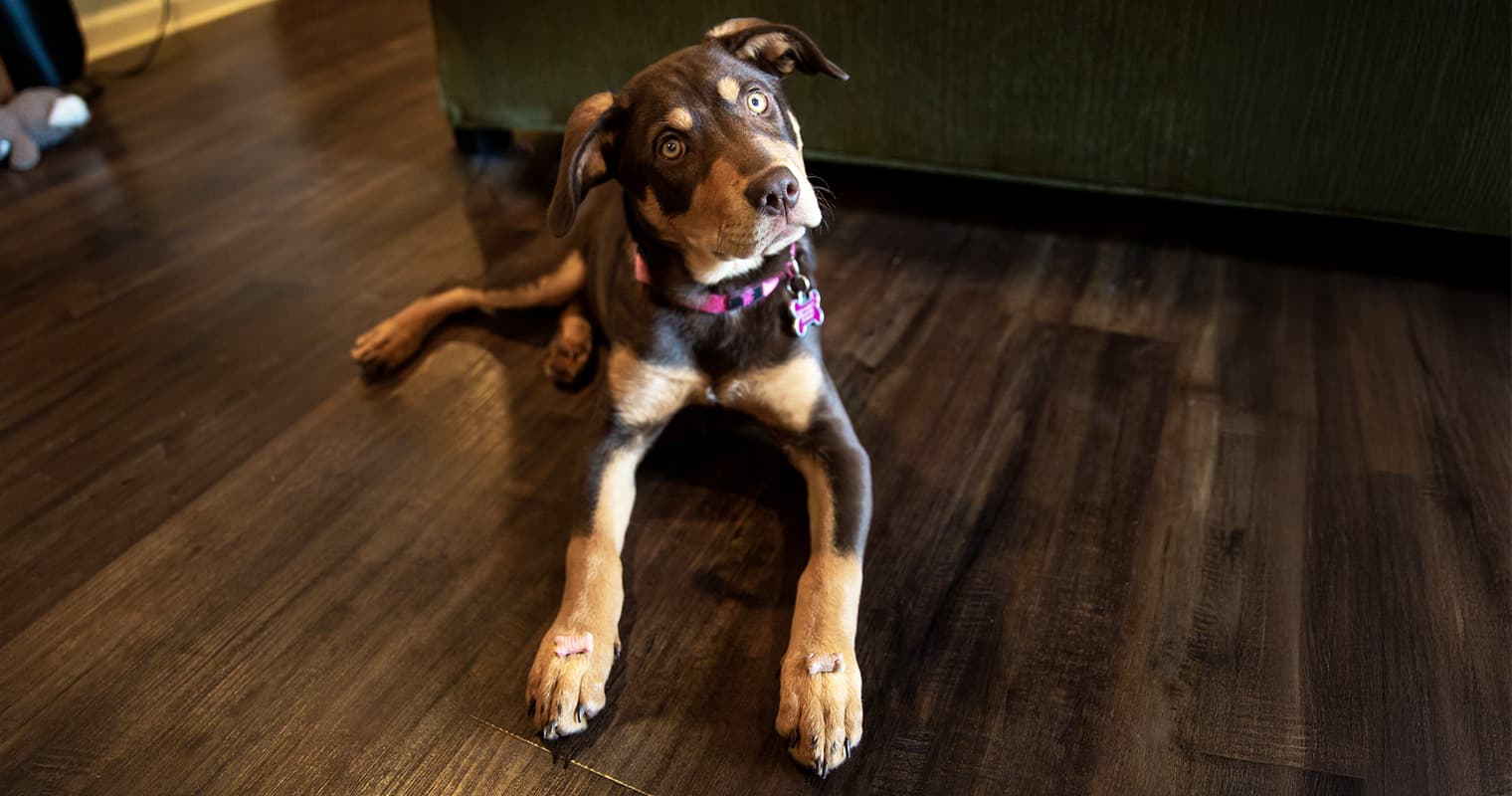
Dogs love to know what’s going on, and love familiarity. The predictability of routines is one of their other best friends. Pattern games play into that ethos. Your dog is going to love them, and so are you.
First introduced to the dog-training world by Leslie McDevitt, pattern games are a favorite tool for many dog trainers, including yours truly. McDevitt explains the basic idea behind them: “By pattern, I mean a series of repetitive things that are predictable and reliable. If the dog is going to be exposed to something that distracts it, upsets it, excites it, something that they’re going to notice — it’s easier for them to recover from that and keep focusing on whatever their work is in the moment, if they’re operating within a structure where they know the next thing that’s going to happen, and they know the next thing after that that’s going to happen.”
Because dogs who know pattern games can do them anywhere (with practice, that is), starting a pattern game allows you to engage with your dog and keep their focus on you rather than the environment. That’s a true gift to anyone whose dog is fearful or reactive in any situation. Below are four of the most popular pattern games for dogs.
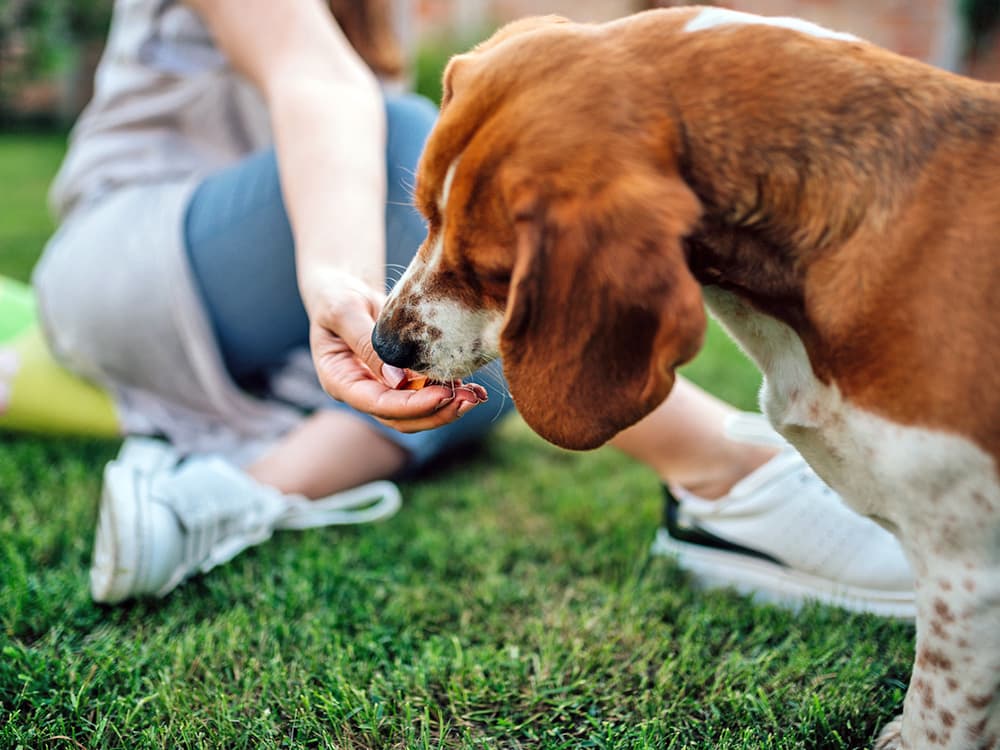
Up and Down is a great activity for keeping your dog’s attention when you’re stuck in line, or at the vet’s office, or when anyone is walking by your home. It’s deceptive because even though it’s so simple, it is extremely powerful. And it can be incredibly helpful with dogs who are reactive — once they know the game, it can help them when they see a dog, or a person, or whatever other triggers matter to them.
Here’s how this game works: Your dog looks up at you (maybe makes eye contact, but that’s not essential) and you put a treat on the ground right by your feet. They put their head down to snarf up the treat. Then they look at you again, and you again put a treat on the ground.
nortonrsx / iStock
Walking as you count gives this pattern game its most practical application. By repeatedly saying, “one-two-three” as you move around, and giving a treat at the end of the phrase, your dog gets used to the pattern of moving with you and eventually receiving a treat. This allows you to get away from a situation or re-establish their focus on you when they are excited or distracted by something.
This is a great way to teach a dog to heel. By saying “one-two-three” as you move, and always offering the treat right by your side, your dog learns to head to that spot (the heeling position) as soon as they hear you start counting. They are reinforced for being in the proper position, which is a great way to start teaching a solid heel.
Here’s how this game works: To teach your dog this game, when you say “three,” you will offer a treat. Then, when you say, “one-two-three,” your dog understands that when they hear “one,” soon they will hear “two,” and then the “three” — and that means they’ll get a treat. You can say it slowly or quickly, but either way, dogs who know this game whip their head around when they hear you say “three.” Some start to look to you as soon as they hear “one.”
FreshSplash / iStock
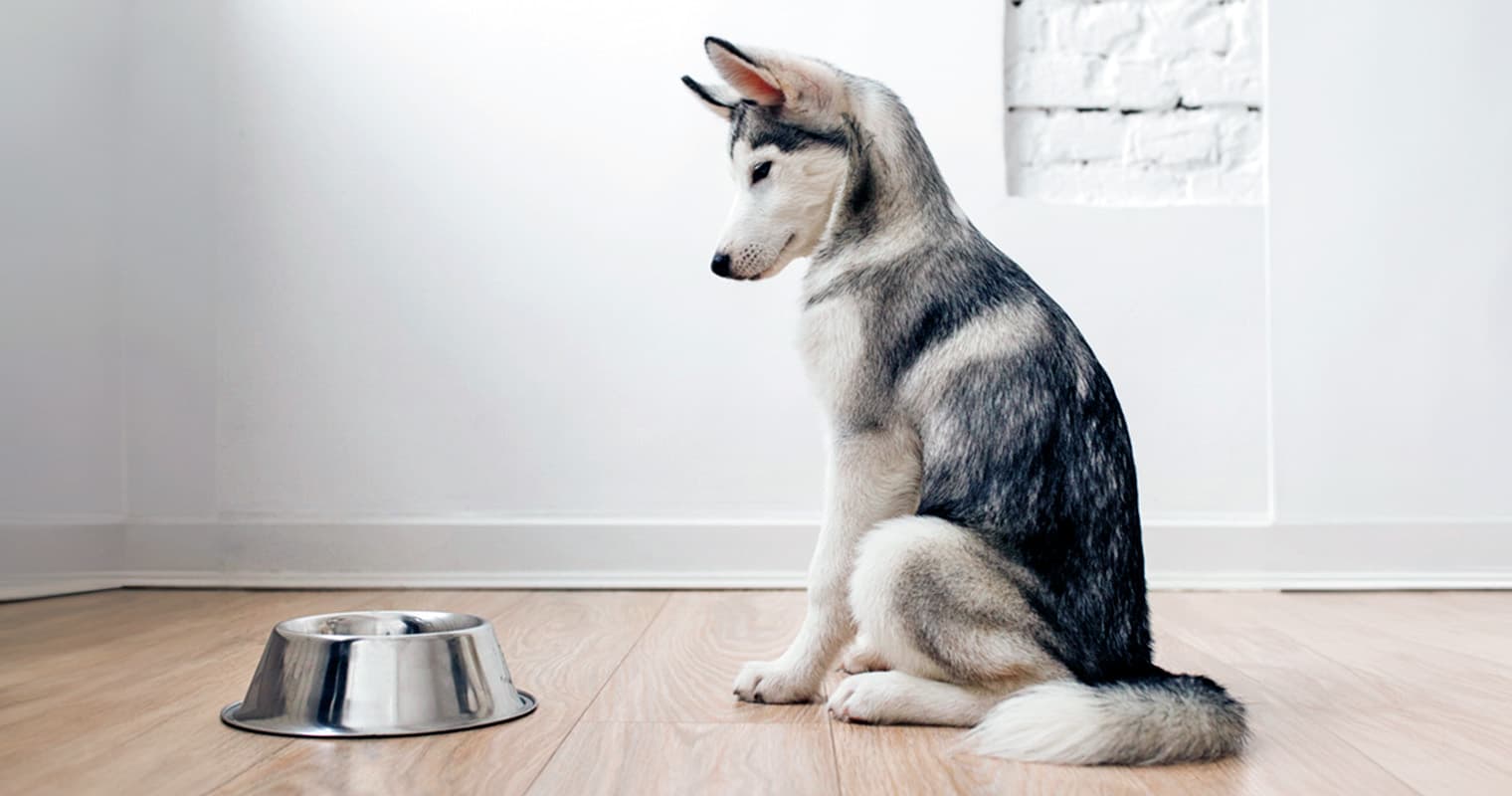
Many dogs love structure, including in the physical sense, and being able to set up a portable, predictable bowl structure anywhere helps dogs handle new situations. They are used to the bowls — and playing Super Bowls — so it is a way to bring the familiar to a new space. That helps dogs get experience focusing in new places or in distracting situations. Dogs tend to really focus when you do this game, which is why it is great for helping a dog in a distracting environment.
Here’s how this game works: To play this pattern game, you first set up a series of bowls in a row (three, four, five, or even more bowls). You stand near the first bowl with your dog, and when they look at you, you put a treat in that first bowl. When they look up at you again, you move to the next bowl and put a treat in it. Each time they look at you, you move along the row of bowls to put a treat in the next one for them. When you reach the end of the line of bowls, you head back, bowl by bowl, to the first one.
Настя Кудина / Adobe Stock
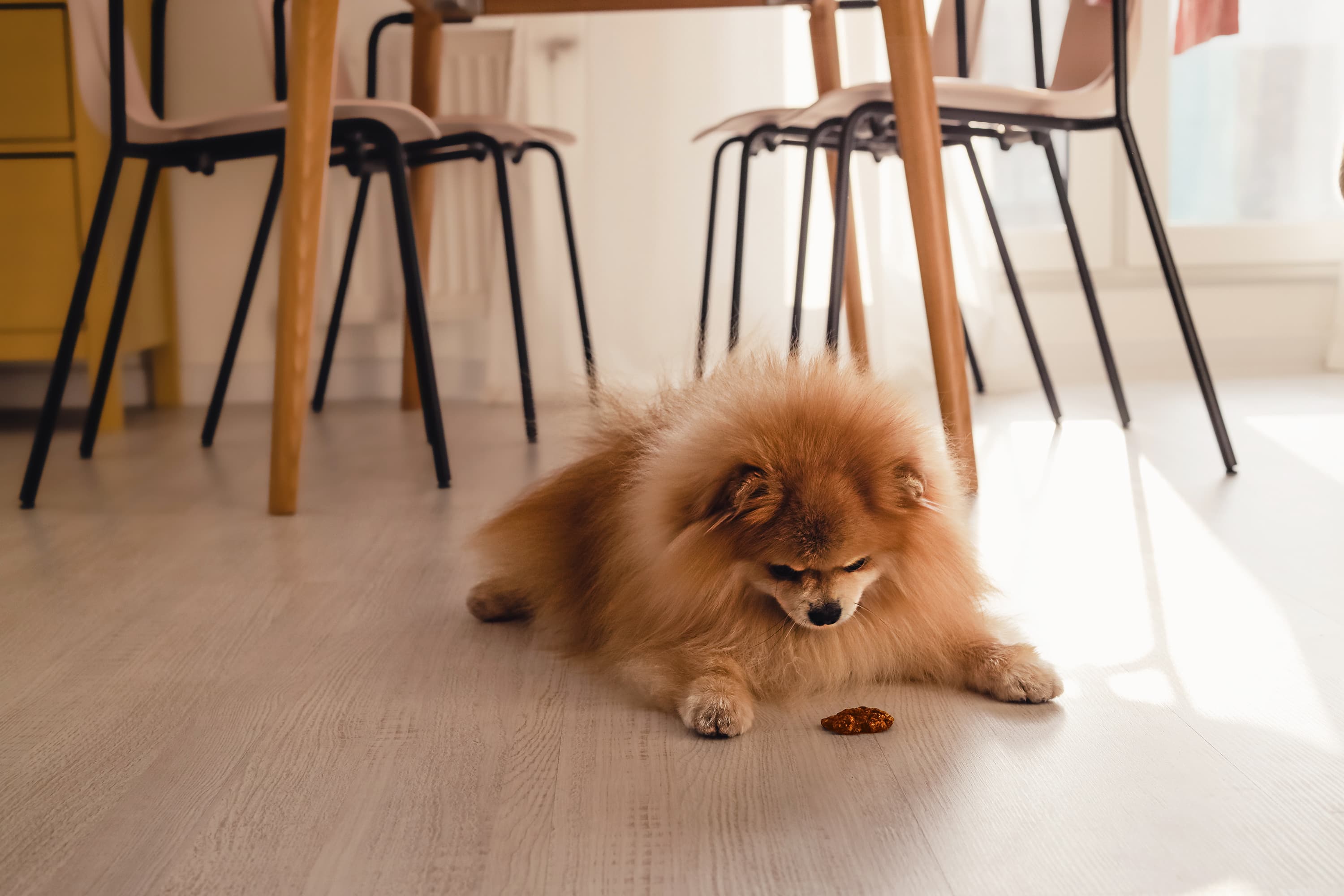
Ping Pong is a variation of Up and Down. As with that game, Ping Pong involves putting a treat on the ground after your dog looks up at you. Some dogs prefer Ping Pong to Up and Down because they are moving more. That appeals to a lot of dogs and makes it easier for many of them to focus and remain calm.
Here’s how this game works: The difference is that instead of putting the treat down right in front of your feet, you alternate between putting the treat to the left of you and to the right of you. So, the pattern is that your dog looks up at you, and you react by using your right hand to set a treat down to your right. Then they look up at you, and you use your left hand to place a treat down to your left. Repeat, repeat, repeat.
Because pattern games are predictable, they make it possible to add a sense of order to your dog’s life anywhere you go. Dogs find them both fun and comforting, allowing you to use a game they know to help them in any situation. Pattern games are good tools to use when they are nervous, distracted, too full of fun and energy for the present circumstance, or if you want to keep them occupied for any reason.

(And your own, while you’re at it.)
Lately, every dog-training conference has presentations about McDevitt’s pattern games — how to play them, why to play them, and discussions about their value for dogs’ emotional well-being and their training. These games set dogs at ease and increase their focus. They are fun for dogs, and their predictability is their power. Dog trainers love pattern games because dogs love pattern games. Your dog may very well become obsessed with them.
Karen B. London, Ph.D., is a Certified Applied Animal Behaviorist and Certified Professional Dog Trainer who specializes in working with dogs with serious behavioral issues, including aggression, and has also trained other animals including cats, birds, snakes, and insects. She writes the animal column for the Arizona Daily Sun and is an Adjunct Professor in the Department of Biological Sciences at Northern Arizona University. She is the author of six books about training and behavior, including her most recent, Treat Everyone Like a Dog: How a Dog Trainer’s World View Can Improve Your Life.
Behavior & Training
Behavior & Training
Behavior & Training
Behavior & Training
Chase? Wrestle? Tug-o-war? Find out which are fair game.
Behavior & Training
The latest training activity develops your dog’s natural scenting abilities through fun and games.
Behavior & Training
Sometimes, that’s all they need.
Lifestyle
Animal behaviorist Dr. Karen B. London on how to strengthen your pet-parent bond.
Behavior & Training
The most important cue your dog doesn’t know. Yet.