How to Ease Your (Cat’s) Return-to-Office Anxiety
A veterinarian and a behaviorist’s tips for preparing your cat for your new WFO schedule.
A veterinarian and a behaviorist’s tips for preparing your cat for your new WFO schedule.
by Avery Felman, expert review by Cristin Tamburo, CFTBS, CAFTP | July 15, 2026
Laura Stolfi / Stocksy
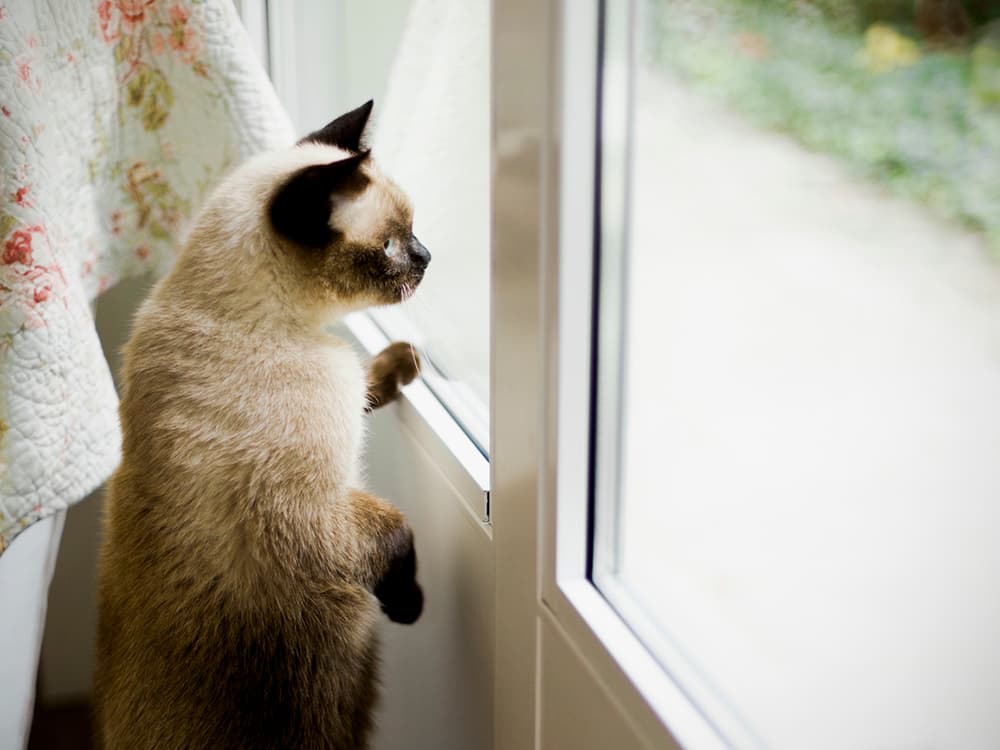
RTO mandates have been rolling out across industries for a while now, but that doesn’t make the adjustment any easier on the pet parents (or pets) who built their whole routine around having a cat curled up nearby all day. And now, the ill-fated day that all of our pets have been dreading has finally arrived: you’ve had a company-wide Zoom call and they’ve announced that a return to the office is finally happening.
While you may be feeling a slew of emotions like fear, uncertainty, and unease, your pet is very likely to feel the same way once you suddenly begin disappearing for eight hours a day. Fortunately, we’ve spoken with some cat experts and have come up with a game plan to get your pet ready for your first day back at the office (and all the days that will follow).
Umi Di / iStock
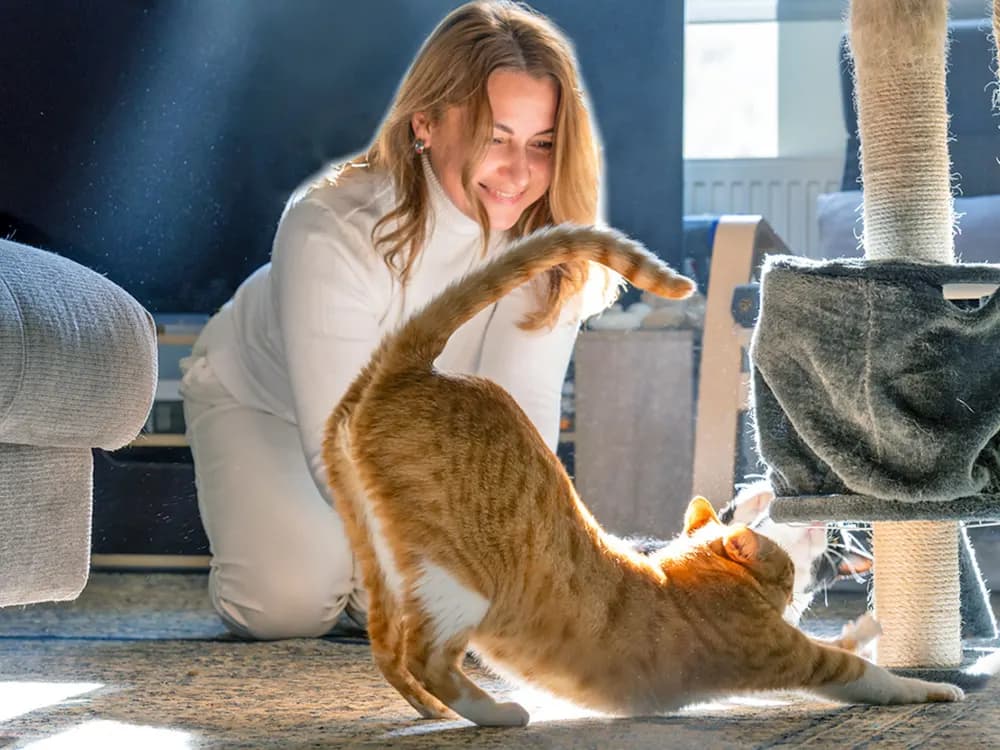
First and foremost, keeping your cat active and entertained will do far more for their mental well-being and physical health than anything else. “The key to a happy indoor cat is environmental stimulation,” says Dr. Annette Louviere, Veterinary Genetics Manager at Wisdom Panel. “Whether changing up your schedule or still working from home, these are points that can benefit all kitties.” It’s important to ensure that your cat is getting the proper daily exercise (most veterinarians recommend at least 20 minutes of playtime per day).
A bored cat can develop everything from behavioral issues to physical ailments. Here’s how to keep your kitty mentally stimulated.
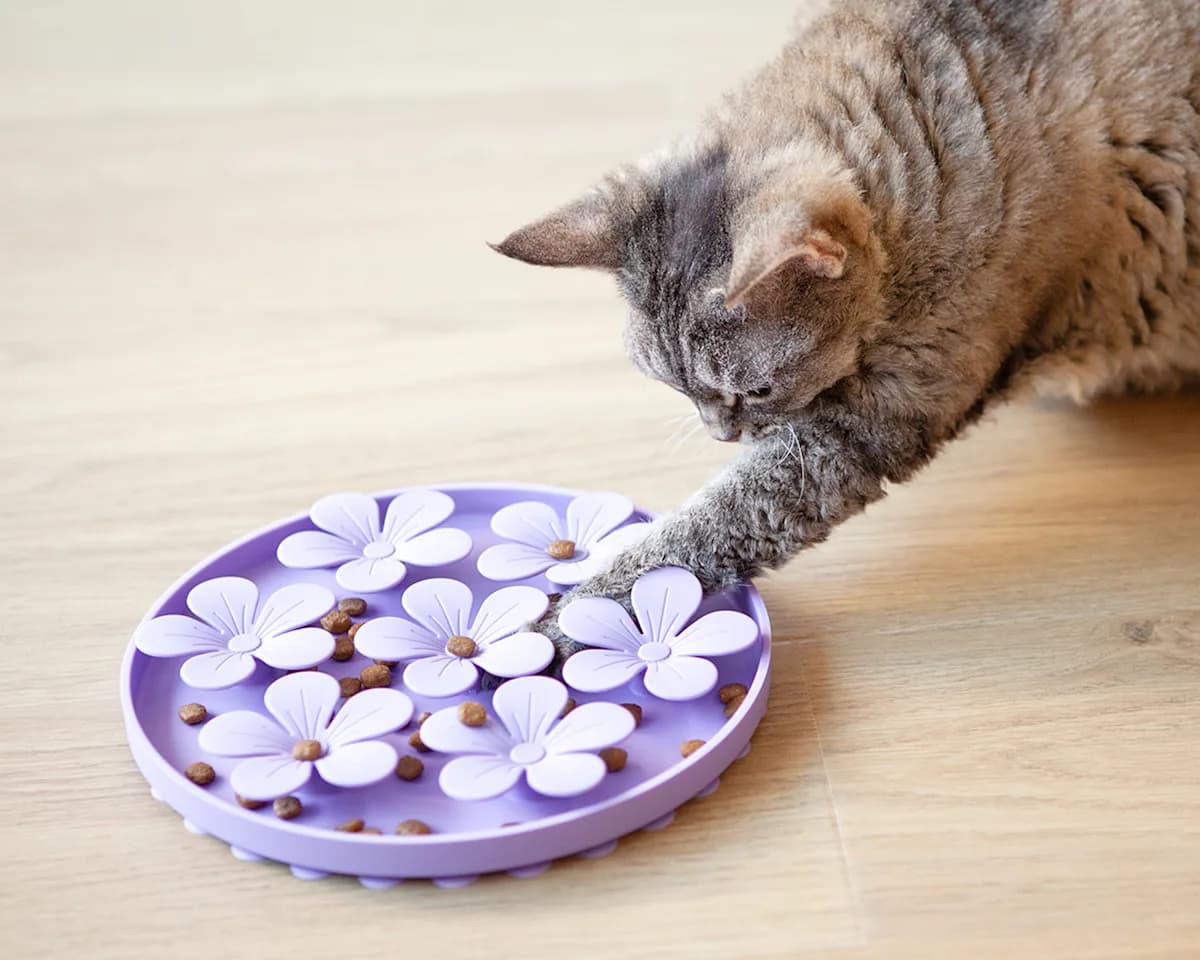
If you aren’t able to wave a feather wand toy around for your cat or throw them some treats at the beginning or end of the work day, you should set out interactive toys or food puzzles that they can engage with while you’re away. Certified cat behaviorist Cristin Tamburo weighs in: “It’s even more important when we do leave the home to make sure that they have the appropriate enrichment and outlets to be cats (and be dogs, for that matter) — things to keep them busy.”
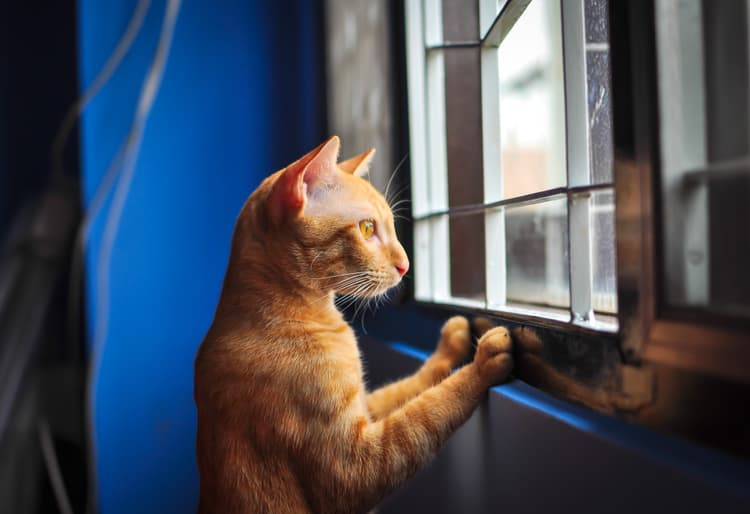
Some other ideas to keep your cat’s brain stimulated and ensure they don’t wreak havoc in your absence: Set up a scavenger hunt with kibble or treats for them to discover throughout the day, turn on CatTV (exactly what it sounds like), or create a similar sense of outdoor adventure by setting up a bird feeder in view of a comfy window perch.
It’s fair to assume that you and your cat may have fallen into a consistent routine if you’ve been working from home for a while. Now that RTO is upending it, the good news is your cat can adjust — as long as you’re intentional about it, whether your workplace is going hybrid or dragging everyone back in full-time. “Cats like predictability within their home environment,” advises Dr. Louviere. “So, when able, it helps to keep a routine your cat can predict — like feeding, litter box scooping, play and snuggle times.” If you’re able to come up with a game plan for the times of day that you can dedicate solely to your cat’s needs, you’ll both be better off for it. After all, a happy cat is one who knows what to expect.
They’re never far away, but you’d like a little distance.
While it may not be possible to fully ease your cat into this new transition (most of us don’t get to choose when it’s most convenient to return to the office based on our pets), you can certainly make an effort to slowly integrate your new routine into your cat’s life. “Just like humans, a lot of animals do experience separation anxiety,” notes Tamburo. “Especially with cats, anything we do, we need to do it in small baby steps. So while we might not be able to leave the house for eight hours a day, at least if we can leave for an hour or two here or there so they get used to us not being home all the time, that helps to ease them into it.” If you can avoid shocking your cat or creating an environment where they feel insecure and confused, this can help prevent damage to your relationship and behavioral problems down the line.
Adobe Stock / Veera
If your cat is struggling to adjust to your absence, there are ways to keep them calm with little to no legwork for you. “During the initial transition, some cats benefit from pheromone diffusers (like Feliway) placed within the home,” suggests Dr. Louviere. “Pheromones are a type of natural messaging system that cats use for various reasons, such as to mark territory, signal contentment, and enhance the mother-kitten bond.” So, using different types of pheromone diffusers can help address feelings of discomfort and unfamiliarity that anxious cats may suffer from.
If you work long hours — and/or your cat starts knocking things off shelves in protest when you’re gone for too long — you may want to hire a cat sitter to pop in to check on them midday.
If you’re feeling nervous about being apart from your greatest work buddy and confidant, you aren’t the only one.
There have been countless studies conducted about how our relationships with our pets have changed since so many of us started working from home, and RTO mandates are now putting that bond to the test. According to a Mars Petcare study, more than half of millennials and 64 percent of Gen-Z admitted they would switch jobs or reduce working hours to spend more time with their pets — a stat worth remembering the next time your organization insists everyone needs to be back in the building five days a week. If that’s not an option, Dr. Louviere suggests using “cameras or video treat dispensers to allow pet parents who miss their cats to check in — with the latter also allowing remote treat action!”
The best way to honor our cats through yet another schedule shakeup is to reassure them that they can count on us to be consistent and make up for any lost time. And hey, they’ll likely be so happy to see you at the end of a long day that they won’t even remember the hours you were away and they were snoozing soundly.

Avery is a writer and producer. She has written for numerous publications, including Refinery29, BuzzFeed, and V Magazine. When she’s not at her computer, you can find her reading, practicing her Greek on Duolingo, and delving into the Sex and the City discourse. She lives in Brooklyn, New York with her husband and their cat, Chicken, who rules with an iron fist.
Lifestyle
Lifestyle
Pet Wellness
Lifestyle
Why your cat freaks out when you’re away (and how to help).

Behavior & Training
Anxiety is a very common reaction for a cat or dog entering a new home, but there are several ways to treat this fear-driven behavior.
Behavior & Training
It seems like they have a pretty sweet deal. So, what’s the problem?
Adoption Advice
By creating a safe space, respecting your cat’s boundaries, and using positive reinforcement, a shy cat can absolutely thrive in your home.
Pet Wellness
Or are they just being a cat? Here are some signs to look for.
Behavior & Training