Sit, Stay, Slay: Simple Adjustments That Make Dog Training Click
Here are some top, easy training tips to immediately improve your dog’s training.
Here are some top, easy training tips to immediately improve your dog’s training.
by Karen B. London, PhD, CAAB, CPDT-KA, | August 13, 2026
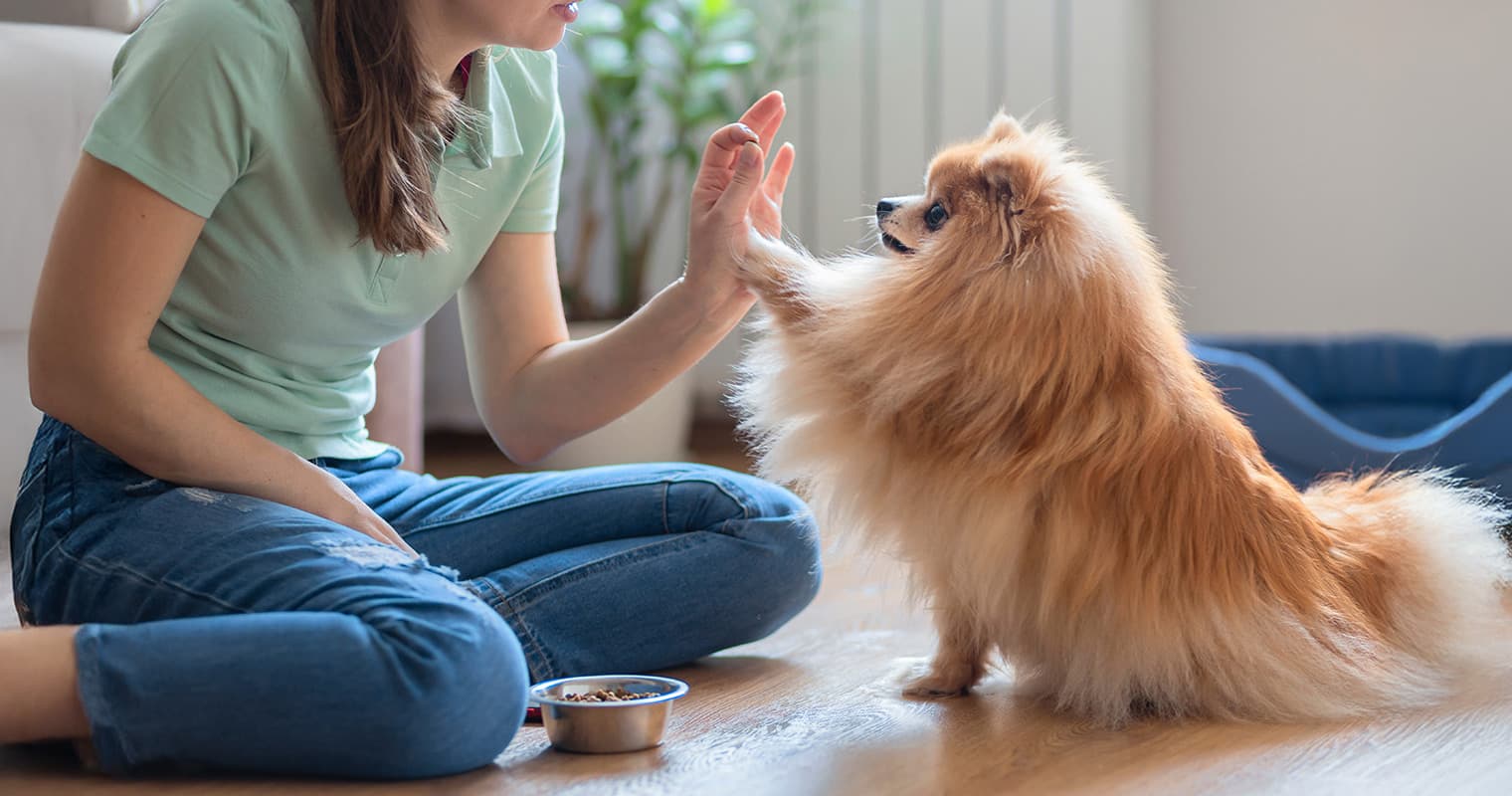
Елена Якимова / Adobe Stock
Let’s be real — we all want to spend all our time with our dogs. That’s what mental-health days are for, right? But actually training them? Not at the top of everyone’s fun list. There are games to play, adventures to go on, and plenty of cuddles to get to. Training can be fun and super-rewarding, but unless you’re a pro trainer, it might not be your favorite part of dog parenthood. And that’s totally fine.
That said, training is essential. A well-trained dog gets more freedom, more adventures, and more quality time with you. So, let’s make training easier, faster, and more effective — so you have more time to do what you really love together. Here are my top tips for making training click.
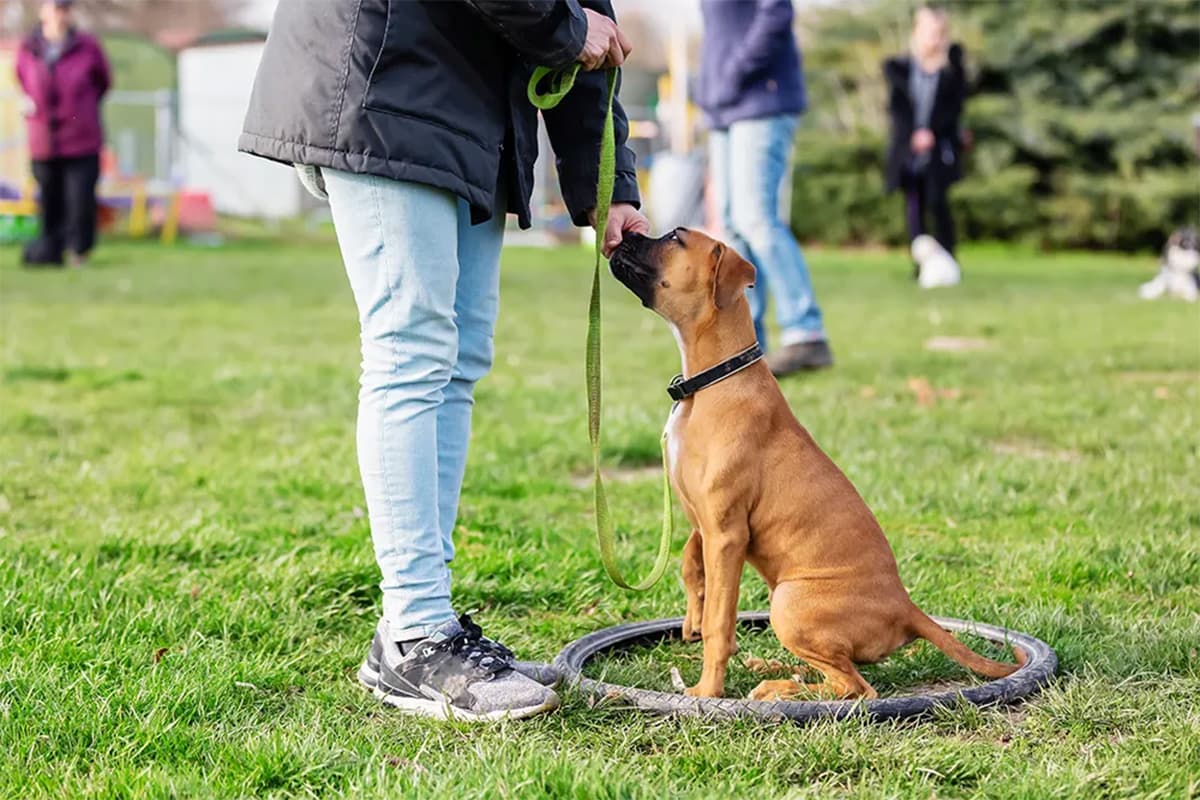
Christian Müller / Adobe Stock
Here’s a secret: Pro trainers are obsessed with good treats. High-value reinforcement for your dog helps you get high-value effort from your dog. Think about it like this — if someone offered you spinach to do a job, you might pass on that, but if they offered pizza? You’d crush it. Same for your pup. Make responding worth their while. You don’t always need top-quality treats for training, but when you’re in distracting environments or working on a super important cue (I’m looking at you, recalls), pull out the good stuff.
Food is awesome, but variety keeps your dog guessing (and motivated). Reinforcement doesn’t always have to be treats. It can be playtime, a new toy, a walk, a chew, or a stuffed Kong. Keep things exciting. Impress your dog with the amazing things that happen if they respond to you. You want your dog thinking, in some canine kind of way, “What cool thing will happen this time when I do what you want?”
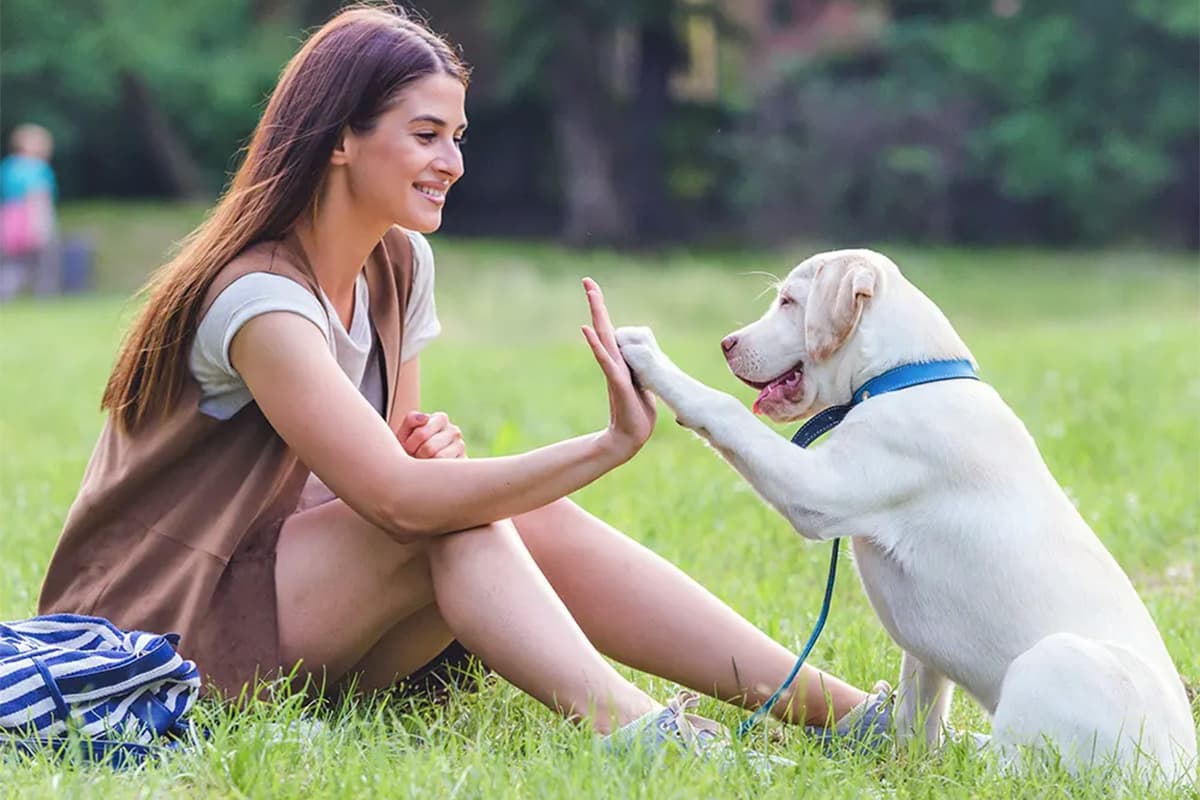
lordn / Adobe Stock
“Quality over quantity” is a good motto. It’s way better to have a dog who is rock solid at responding to a few cues all the time than one who kinda-sorta listens to a bunch, at least some of the time. If your dog can sit, stay, come when called, wait at the door, walk nicely on a leash, head to their bed when asked, and knows one charming trick to show off their mad training skills, you’re golden — and can get through just about any situation.
These cues can carry you through an emergency recall after a leash fail, and keep your dog safe if you have broken glass in the kitchen. Whether you’ve got guests who are not dog lovers or you want to impress your friends with a high-five, reliable basics make life way smoother for both of you.

Some things definitely get lost in translation.
Your voice is a training tool. Dogs vibe off your energy. A high-pitched, happy, “Let’s goooo” or “This way” helps get them hyped and more likely to come running to you. Clapping and saying “Whoop, whoop” are especially good sounds for getting dogs moving. If you speak in a calm, low-pitched voice, that helps put your dog in chill mode. That tone is perfect for cues like “stay” and “settle.” Basically, if you sound like a young child, they are more likely to respond in a playful, energetic way. If you sound more like a yoga instructor, your voice helps them relax.
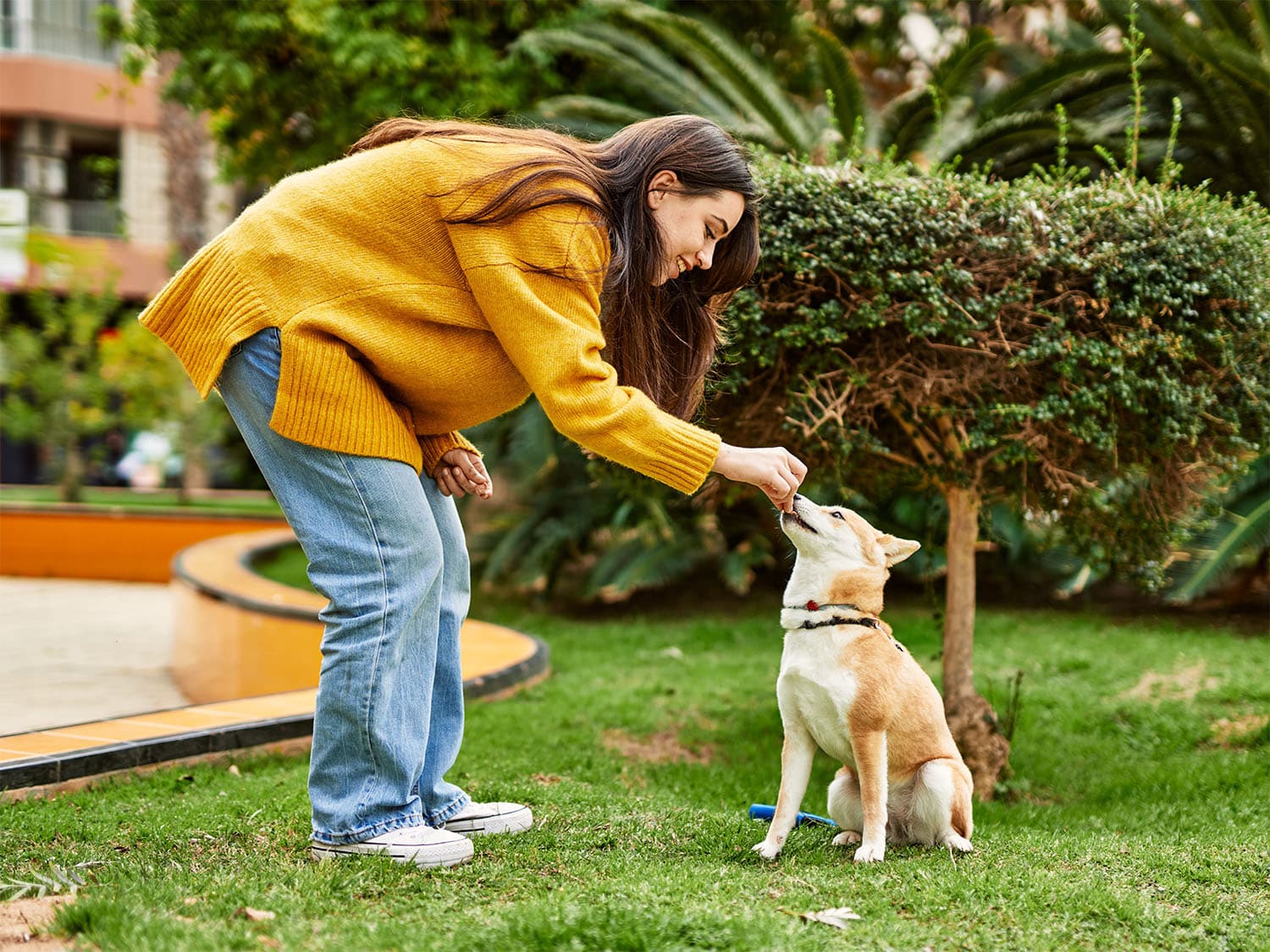
Krakenimages.com / Adobe Stock
Timing matters. Every dog has their prime times for learning and has those times when nothing much will stick. Many dogs are amped up and struggle to pay attention mid-morning and late afternoon, so don’t fight it. Instead, train when they’re most focused. That means avoiding early a.m. if your best friend is not a morning dog, and skipping evening work if they yawn and look longingly at the bedroom once the sun sets. Some dogs train best post-nap, others after a bit of exercise or a big play session. Figure out your dog’s pattern for being most trainable, and you’ll get way more done with less effort.
Your dog is always learning, even when you’re not actively teaching them. That means it’s easy to accidentally teach them things you don’t want them to learn. If you let them jump on you sometimes, petting and loving on them, even if you usually train them not to jump up, they learn that jumping up is a good thing to do. Or, if you give them a stuffed Kong when they bark during your Zoom call, congrats: You just taught them that barking leads to good things. Be careful about reinforcing behavior you don’t like and don’t want.
On the flip side, don’t miss chances to reinforce good behavior. If your dog greets guests politely or drops the ball right at your feet instead of out of reach to request a play session, don’t ignore them. Give treats for the greeting, and toss the ball ASAP to reinforce that perfect drop. If you don’t reinforce behavior you do like and do want just because your brain is not in training mode, you are missing out on an easy win.
SeventyFour Images / Alamy Stock Photo
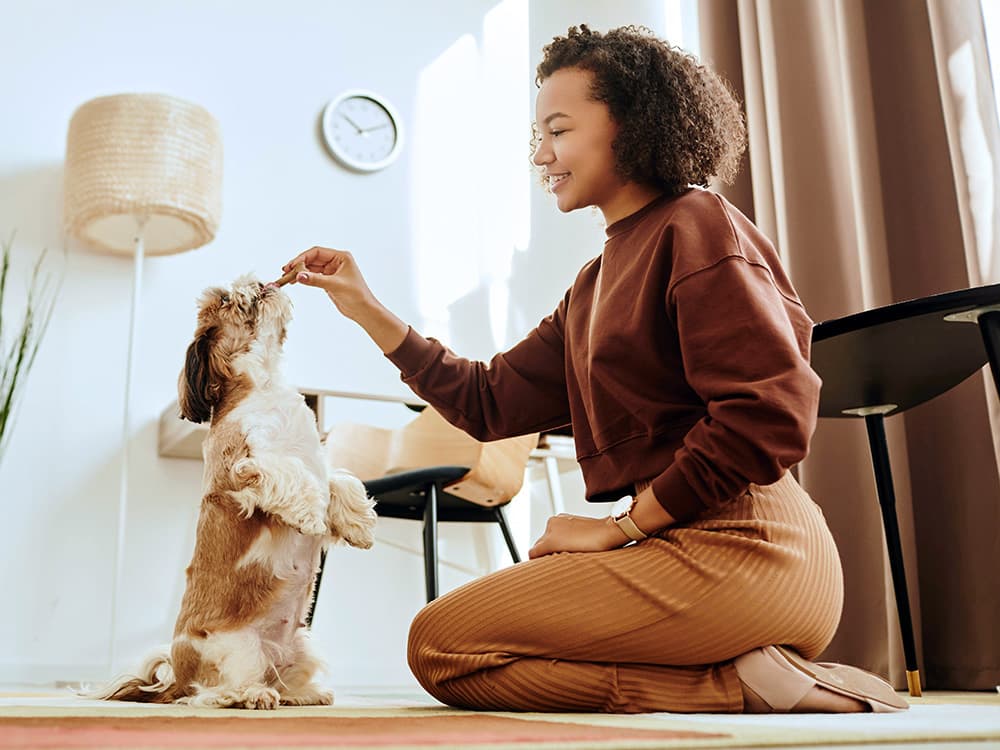
When dog trainers say, “short sessions,” we don’t mean 20 minutes or even five minutes. We mean a minute or so — maybe less. Dogs learn super well in quick bursts — 30 to 60 seconds, a few reps at a time. That’s enough for a series of wins without overloading them. Do mini sessions throughout the day, and you’ll see way faster progress than if you try to do all the training at once.
Training doesn’t have to be a grind. Good training honestly feels kind of magical — your dog learns what to do and happily does it, gains more freedom, and has more fun. It makes your relationship feel better and closer, too, which is the best part of all. With a few smart tweaks, you can train smarter, not harder. Then, it’s back to cuddles, hikes, and playtime together.
Karen B. London, Ph.D., is a Certified Applied Animal Behaviorist and Certified Professional Dog Trainer who specializes in working with dogs with serious behavioral issues, including aggression, and has also trained other animals including cats, birds, snakes, and insects. She writes the animal column for the Arizona Daily Sun and is an Adjunct Professor in the Department of Biological Sciences at Northern Arizona University. She is the author of six books about training and behavior, including her most recent, Treat Everyone Like a Dog: How a Dog Trainer’s World View Can Improve Your Life.
Behavior & Training
Behavior & Training
Behavior & Training

Behavior & Training
Your pup will be a pro in no time.
Behavior & Training
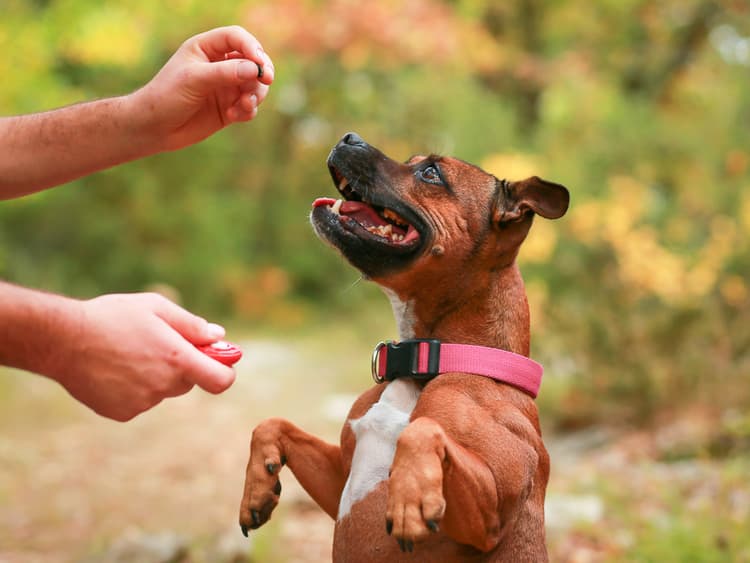
Pro tips on training your dog with the click of a button — literally.

Adoption Advice
Did you just bring home an adorable puppy? Learn how to navigate new puppy parenthood like a pro.
Behavior & Training
Teach your pup a perfect recall so you can be sure they will come back, no matter what.