Whale Eye Explained: Stress or Warning Sign?
Yes, your pup may be giving you side-eye. But this can also be a sign of bigger issues.
Yes, your pup may be giving you side-eye. But this can also be a sign of bigger issues.
by Dr. Chyrle Bonk, DVM, | August 26, 2026
klavdiyav / Adobe Stock
Dogs’ eyes are very expressive. One look of sleepy contentment can suggest they would do anything for you to keep petting them — while a fixed stare at your snack says they want what you’re eating, and they want it now. But one confusing dog eye expression is the whale eye or side-eye. It could be a dog’s way of saying, “You want me to do what?” or their way of letting you know they’re not completely comfortable. The whale eye expression may cross your dog’s face from time to time, so you’ll want to fully understand the meaning of it to ensure your dog is OK.
We’ve all done the classic side-eye expression to indicate you can’t believe what you just heard another person say. We’ve also done it in uncomfortable situations when we don’t want to look someone in the eye. Whale eyes are a similar expression for your dog.

From barking to yawning to a stress smile — all these are signs your pup is trying to tell you something.
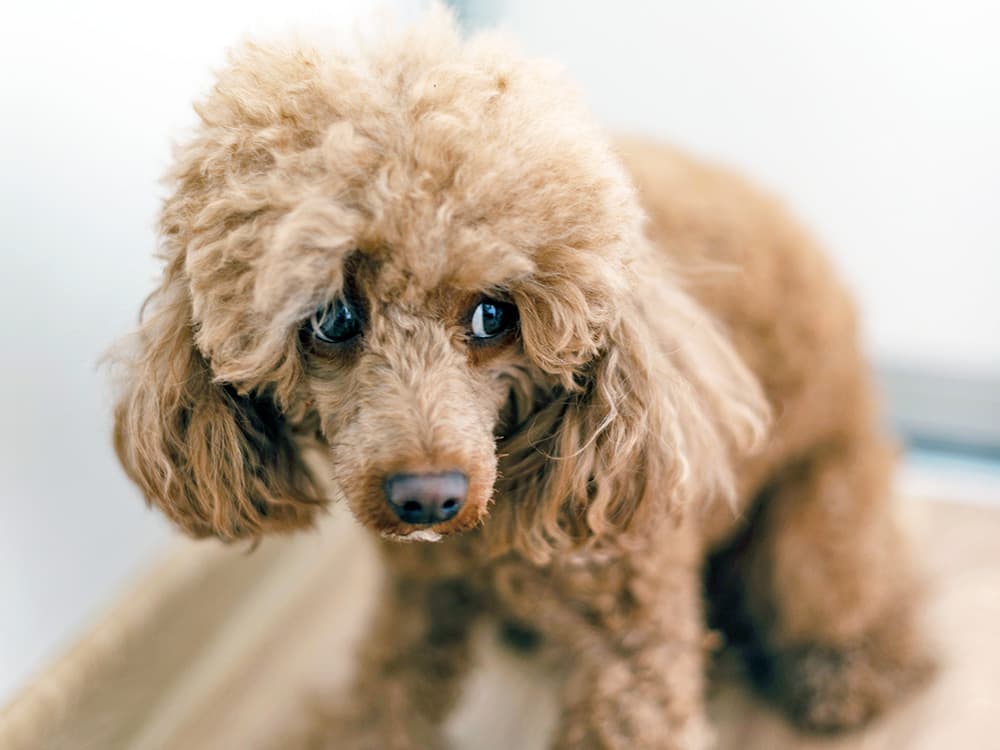
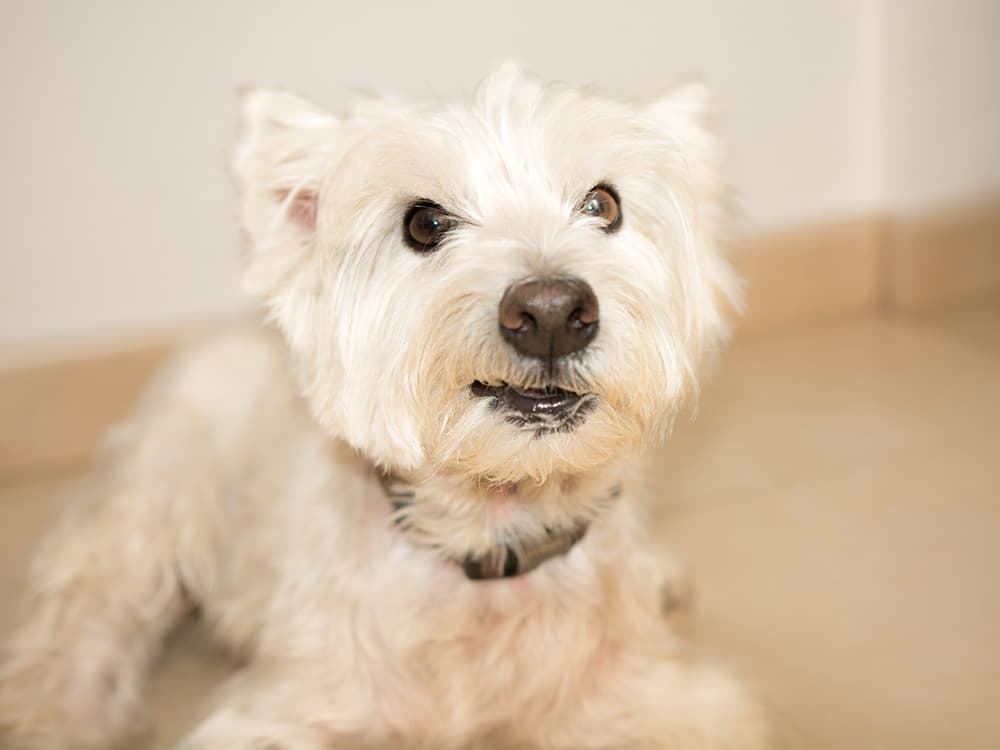
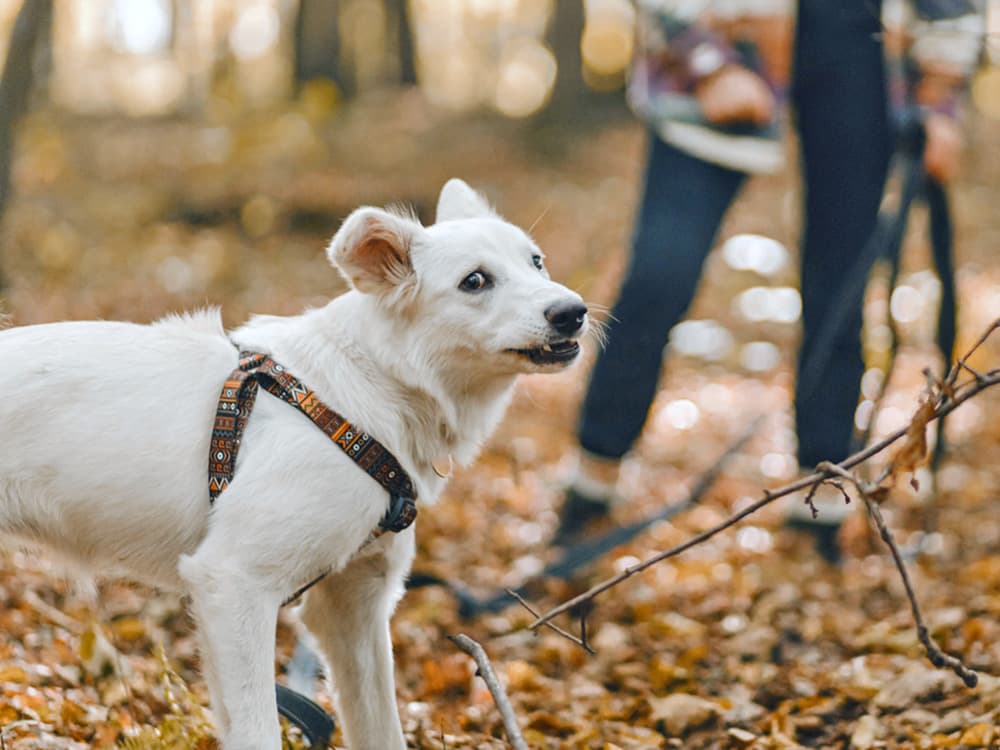
Canine whale eyes are when dogs look in a different direction than where their head is pointed. It allows a crescent shape of white to show in the opposite corner of where the pupil is facing. It may be accompanied by expressions on their face or body, including flat ears, licking lips, and tense muscles.
Dogs usually break out the whale eyes when they’re trying to avoid eye contact. As we humans know, a direct stare into another’s eyes can really be unnerving, so averting our gaze is often used to relieve tension when a situation becomes uncomfortable. This is likely what your dog is trying to do as well. Here are the most common reasons for whale eye.
didiophotography / Adobe Stock
You’re supposed to stare down your fears, but it’s not an easy thing to do. And in some dog situations, it can actually lead to aggression. If your dog becomes fearful of another animal, human, or unknown situation, they may show their submission by offering up whale eyes instead of direct eye contact — to avoid confrontation.
The same goes for anxiety or stress. Being overwhelmed by a new situation or one that’s out of their control may put a dog on edge, bringing out the whale eyes as a way to convey their discomfort. You may also see lip licking, flat ears, exposing their belly, and whining when a dog is fearful or anxious.
Bogdan Sonjachnyj / Shutterstock
Whale eyes, on the other hand, may also be used to show another critter that your dog means business. Although they don’t necessarily want to fight it out, the other animal needs to know your dog is ready to do so. Tense muscles, erect or pinned ears, curled lips, raised hackles, and growling may play a part as well.
AsiaVision / iStock
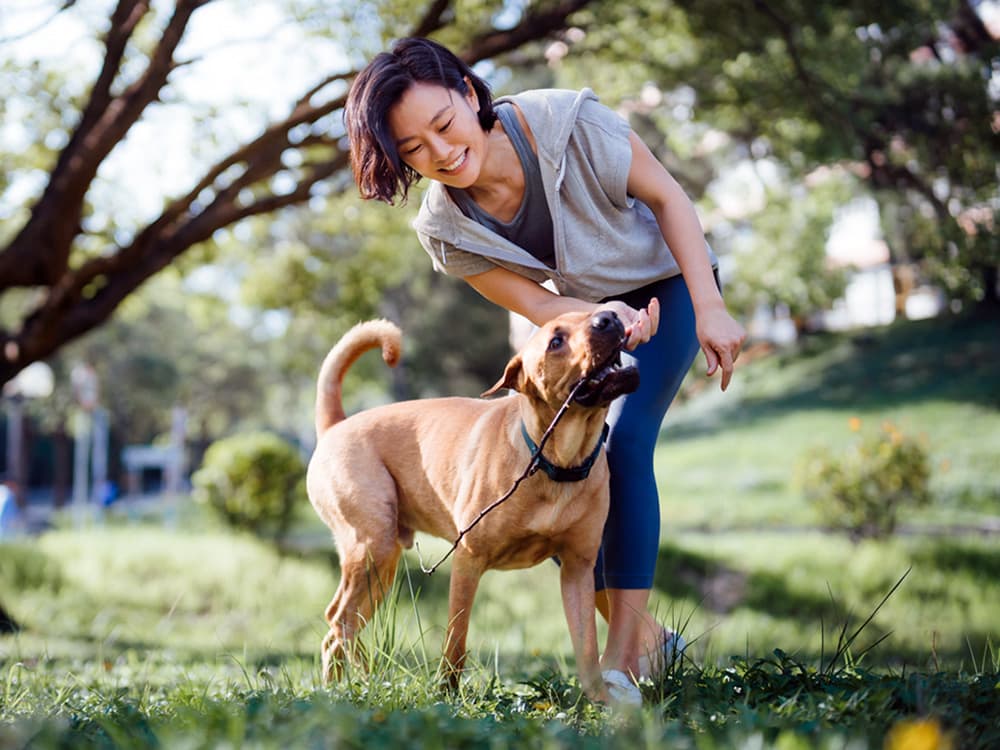
Not all uses of whale eye are negative. Some pups will use it during playtime. It’s their way to playfully exhibit dominance or submission as they act out these real-life situations in a nonaggressive manner. It could also be their way of showing their overstimulation during a really intense play session.
It’s not always stress causing your dog’s whale eyes. Sometimes the expression can be due to a health concern.
Pain or discomfort: Anything from an upset stomach to a pulled muscle to long-term arthritic pain can make your pup uncomfortable and bring out the whale eyes. You may also see limping, swelling, whining, not eating, or lethargy.
Eye health problems: Some eye issues can make a dog appear whale-eyed as well. Things like glaucoma, where pressure inside the eye increases, can cause a bug-eyed appearance, or dry eye, where the irritated eye can give off that whale-eye look. You may also see squinting, painful blinking, redness, or excessive watering.
Neurological causes: Health issues that affect the nerves and muscles of the eye can affect their position. An infection or injury can affect a dog’s eye movement, potentially causing side-eye.
It’s kind of goofy, but there may actually be a reason they’re doing it.
Whale eyes are a normal response to a lot of different situations, but these situations usually aren’t good ones for your dog.
If you’re noticing whale eyes, take a look at the conditions your dog is in. If they’ve been confronted by another animal or human, safely remove them, and then give your pup some quiet downtime in an area they’re familiar with.
If the issue continues to be a problem, you may need to change the time or route you walk to avoid other animals, or you may need to create a safe space in your house where your dog can go when they’re feeling stressed or anxious.
If you think your dog’s whale eyes stem from a health issue, see your veterinarian. Addressing the underlying cause is the best way to get their eye position back to normal.

For your pup’s sake, cut these behaviors out.
Whale eyes refers to the side-eye look given when a dog’s gaze is directed in a different direction than where their head is pointed. Whale eyes in dogs are often brought on by fear, anxiety, or stress, and may be accompanied by tense muscles, pinned ears, curled lips, or growling.
They can sometimes be caused by a health condition affecting the eyes. See your veterinarian if your dog is displaying whale eyes.
“Anxious behavior: How to help your dog cope with unsettling situations.” Cornell Riney Canine Health Center.www.vet.cornell.edu/departments-centers-and-institutes/riney-canine-health-center/canine-health-information/anxious-behavior-how-help-your-dog-cope-unsettling-situations.
“Anxiety in Dogs.” Tufts University Cummings School of Veterinary Medicine. 4 May 3023.vet.tufts.edu/news-events/news/anxiety-dogs.
“Doggie Decoding: Understanding Canine Body Language.” Texas A&M University Veterinary Medicine and Biomedical Sciences. 13 Mar 2025. vetmed.tamu.edu/news/pet-talk/understanding-canine-body-language.

Dr. Chyrle Bonk has been a mixed-animal veterinarian since 2010, with a special interest in rehabilitation. When she's not practicing or writing about veterinary medicine, you may find her exploring the outdoors with her family or tending to her cows, horses, chickens, or cats and dogs.
Behavior & Training
Pet Wellness
Behavior & Training
Pet Wellness
It’s not all black and white.
Adoption Advice
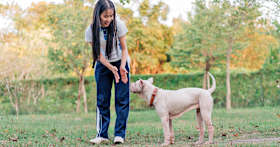
Some actionable strategies to get you and your BFF on the path towards bonding and trust.
Behavior & Training
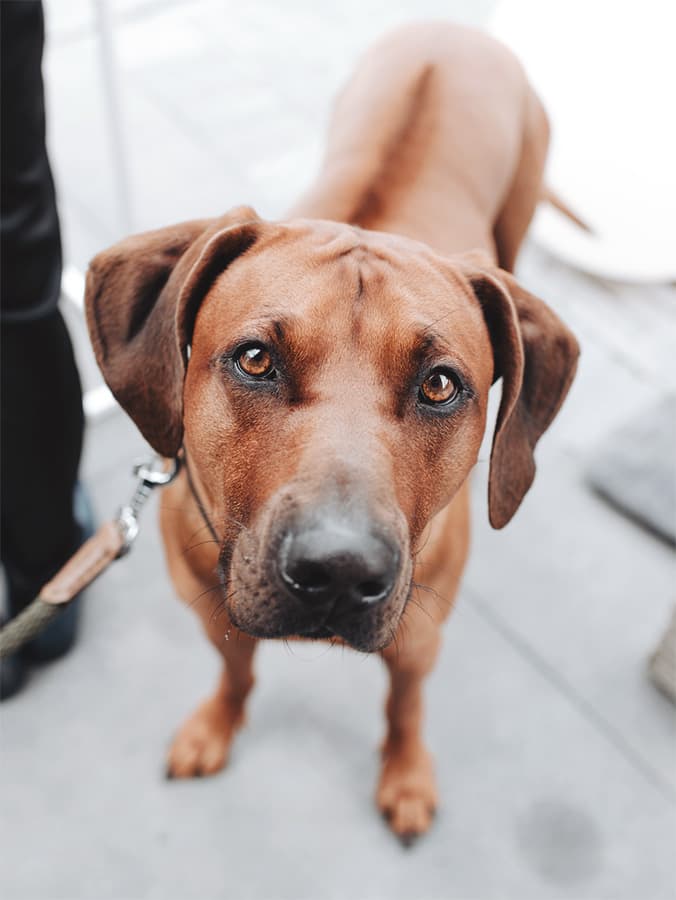
Hopefully, they at least fare better than we do when the lights go out.
Behavior & Training
Does your dog cower or startle easily? Your dog could be going through a "fear period," which is a normal developmental phase in dogs.