9 Behaviors That Mean Your Dog Is Trying to Communicate Something Important
From barking to yawning to a stress smile — all these are signs your pup is trying to tell you something.
From barking to yawning to a stress smile — all these are signs your pup is trying to tell you something.
by Kari Paul, | August 26, 2026
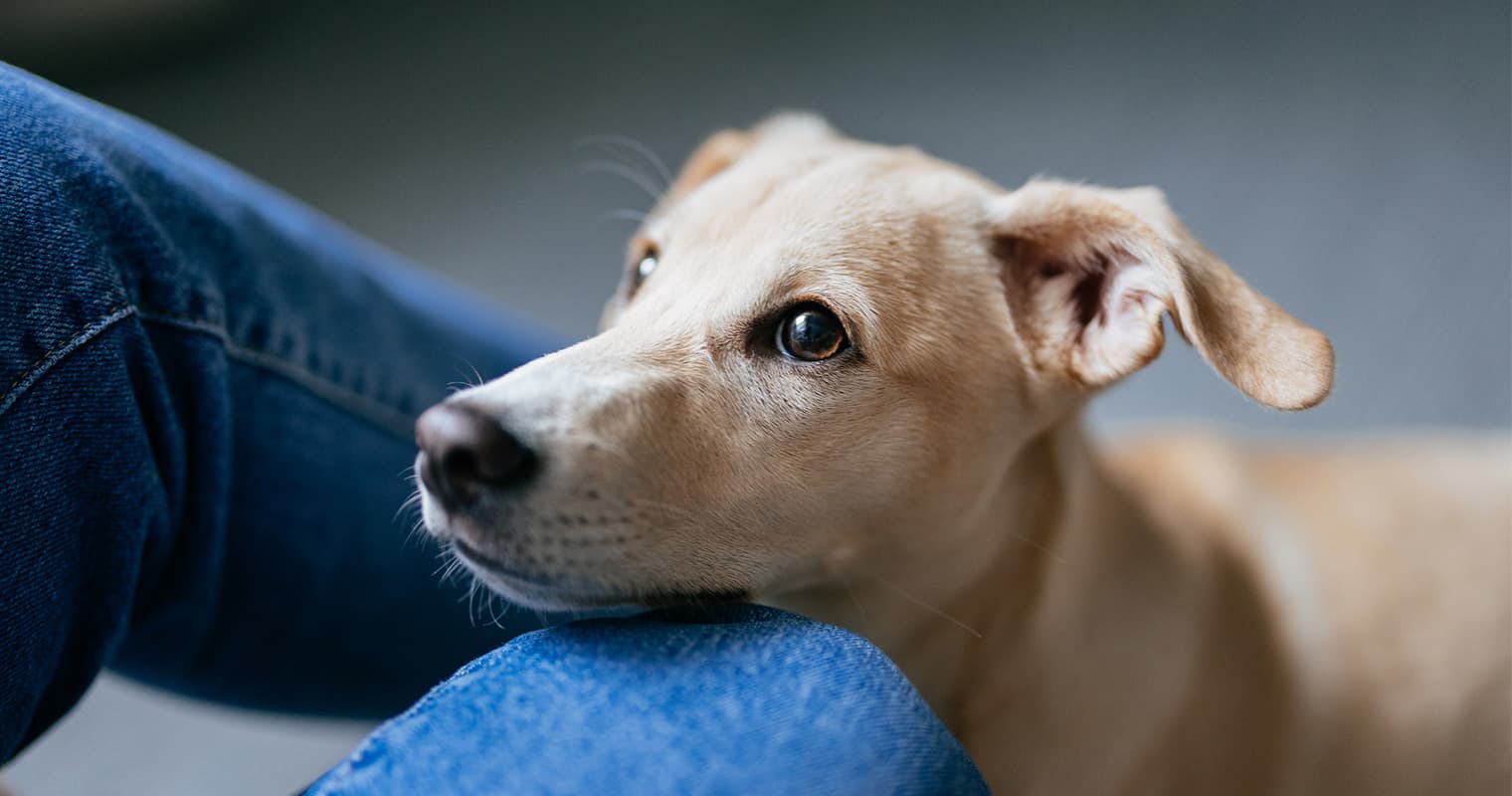
miniseries / iStock
We all have times when we wish we could speak dog. Wouldn’t it be nice if you could actually ask your pet what they are thinking? Although that science-fiction fantasy has yet to come true, experts say dogs are speaking to us all the time — through their body language and behaviors, as much as their barks. The challenge is learning exactly how to interpret it.
“Humans can listen to their canine companions by reading the whole dog,” says Betz King, a clinical psychologist and core faculty member at Saybrook University who also leads SACRED, an animal-care program.
That means paying attention to their body language — body posture, muscle tension, ear position, tail movement, and facial expression all at once — while taking in other context. “It’s very important to pair the dog’s behavior and the dog’s environment when ‘listening’,” King says.
Ultimately, there are a number of ways to identify that your dog is trying to tell you something important. Here are nine to look out for right now.

Marissa / Adobe St
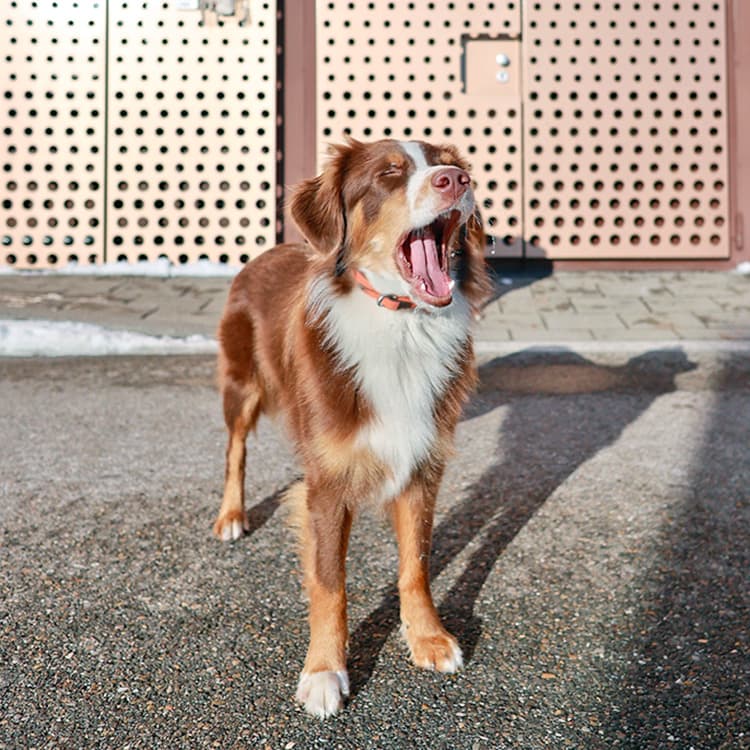
These physical responses are perhaps the most often overlooked signs that your dog is experiencing stress, King says. (Many people may think it just means their dog is tired or a little damp.) A rapid lip lick, a sudden yawn, or a shake that seemingly comes out of nowhere — not after a bath or a roll in the grass — are all ways dogs signal discomfort or unease.
It’s important to remember dogs may express themselves differently than humans do. “Seeing a dog yawn and assuming the dog is tired,” King says, is a classic example of the kind of anthropomorphizing that gets pet parents into trouble.
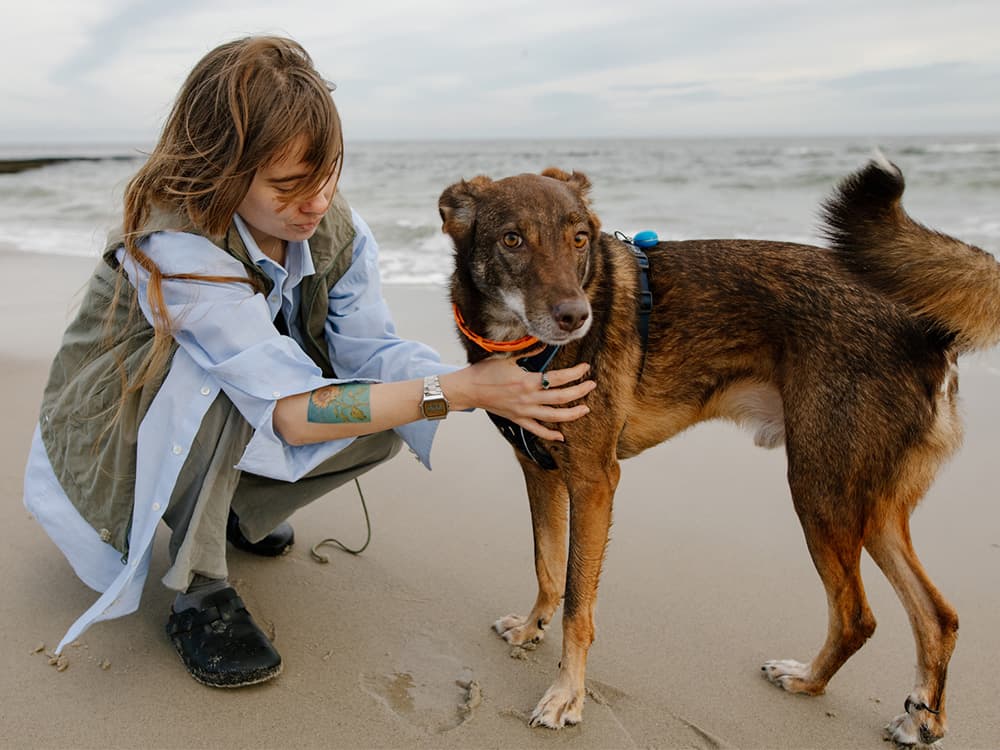
Anna Artemenko / Stocksy
If your dog averts their head or rotates their whole body away from something, this is a very deliberate attempt to communicate stress or discomfort, King says. This is easy to miss, because it can be quite subtle and look like typical behavior to some people.
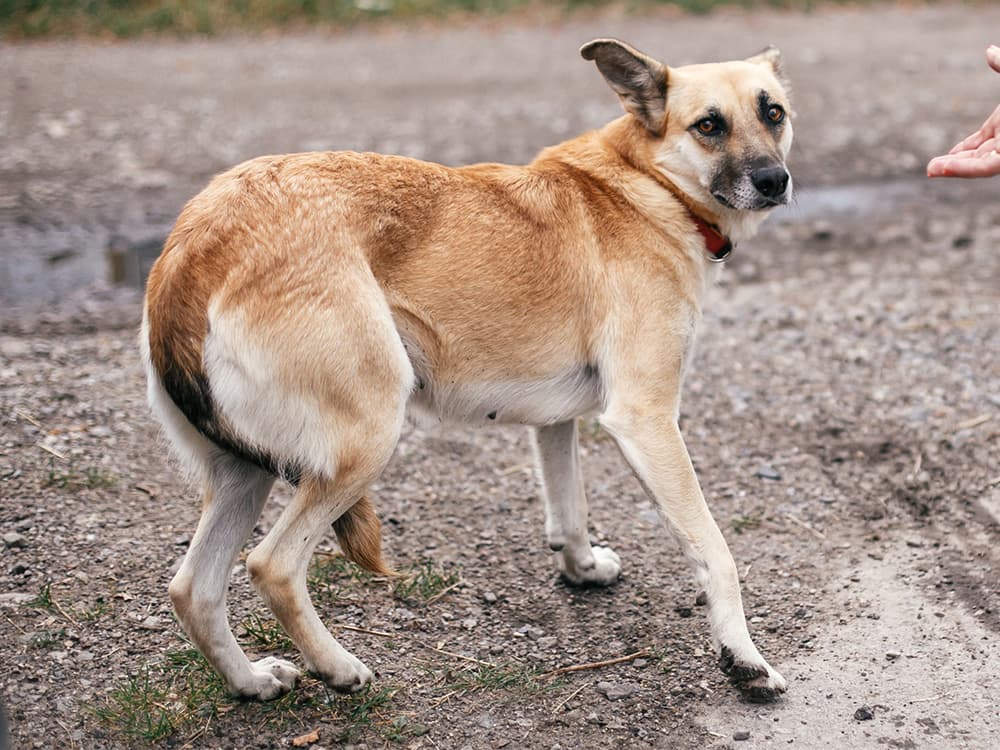
sonyachny / AdobeStock
This one has become more widely recognized, but it’s worth repeating: A tucked tail may not always indicate submission or shyness — it can be the result of stress. Many pet parents still misread this as personality (“she’s just shy”) rather than a real signal that the dog is not OK with whatever is happening around them.
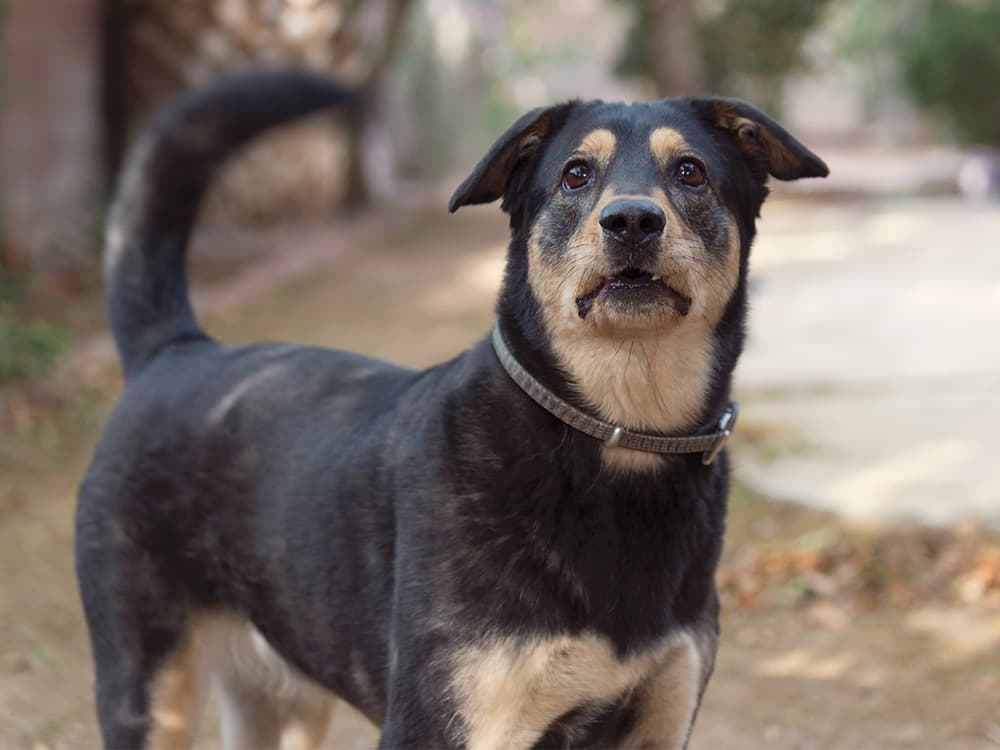
TheColorDana / Adobe
Tail-based communication goes beyond the tucked tail, King says, and not all wags are created equally. A stress wag — tail low, stiff, or moving in rapid tight arcs with a tense body — is very different from the full-body wiggle of a genuinely happy dog. If your dog’s tail is moving fast but the rest of them looks rigid, that’s not excitement — it’s anxiety.
didiophotography / Adobe Stock
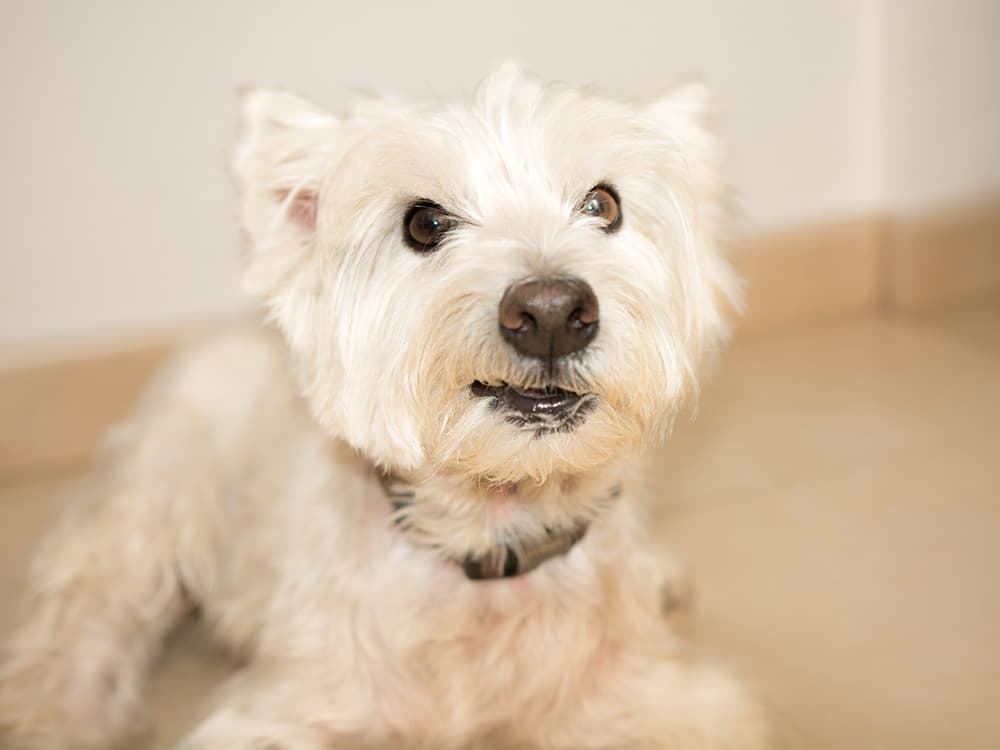
This is another potential pitfall for people who mistakenly over-anthropomorphize their dogs. A smile does not always mean happiness as it does in humans, King says.
“There is a type of dog smile known as a stress smile,” she says. “It’s a form of appeasement, a way of saying ‘I am not a threat.’”
A dog pulling their lips back to show the front teeth — with tense facial muscles and ears pinned back — can look like a grin, but it’s actually a sign of stress, King explains. Look for the body language around this expression: A stressed dog will look tight, uncertain, or crouched. A happy dog looks loose and wiggly.
FRAN VARGAS / Adobe St
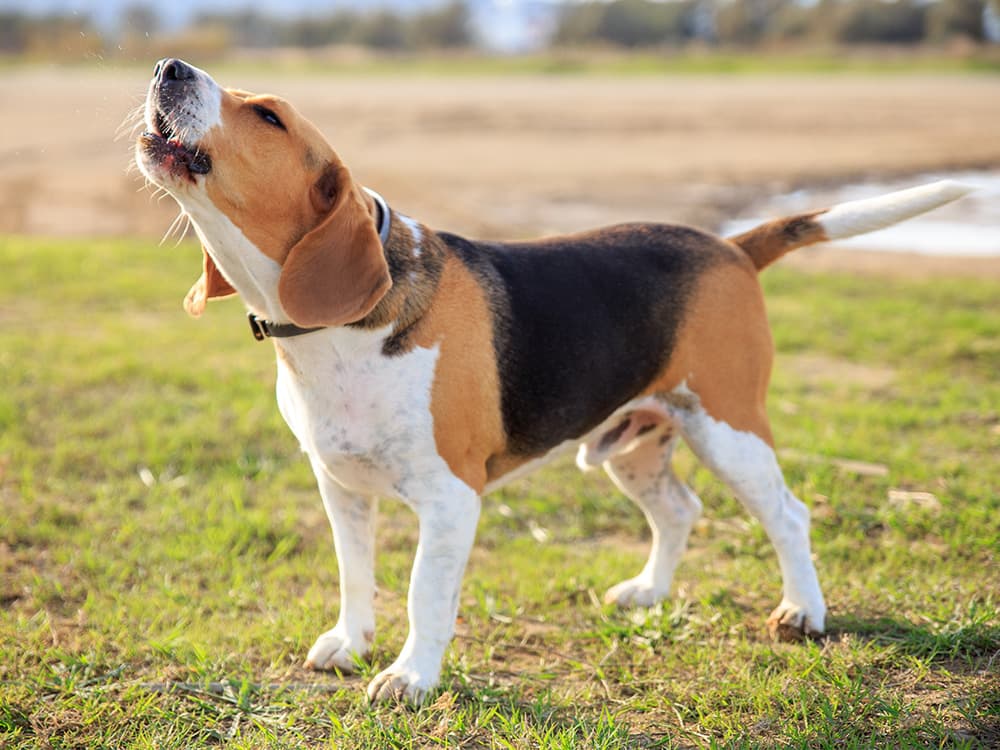
Your dog might be reading you better than your closest friends. With around 300 million olfactory receptors (compared to a human’s roughly five to six million receptors), dogs can detect scents at parts-per-million levels, King says. That means they can actually detect chemical changes in the people they live with, including shifts in cortisol and adrenaline caused by fear, stress, and excitement. They’re also exquisitely tuned to changes in voice rhythm, body tension, breathing, and facial expression.
“My husband and I have a dog who will start barking anytime we are speaking to each other with stress in our voices, even if it’s about something as benign as a basketball game or the day’s news,” King says.
Because of this, she added, if your dog feels unwell, it’s worth looking at what is happening with the humans they share the home with, in addition to any physical issues they may be experiencing.
miniseries / iStock
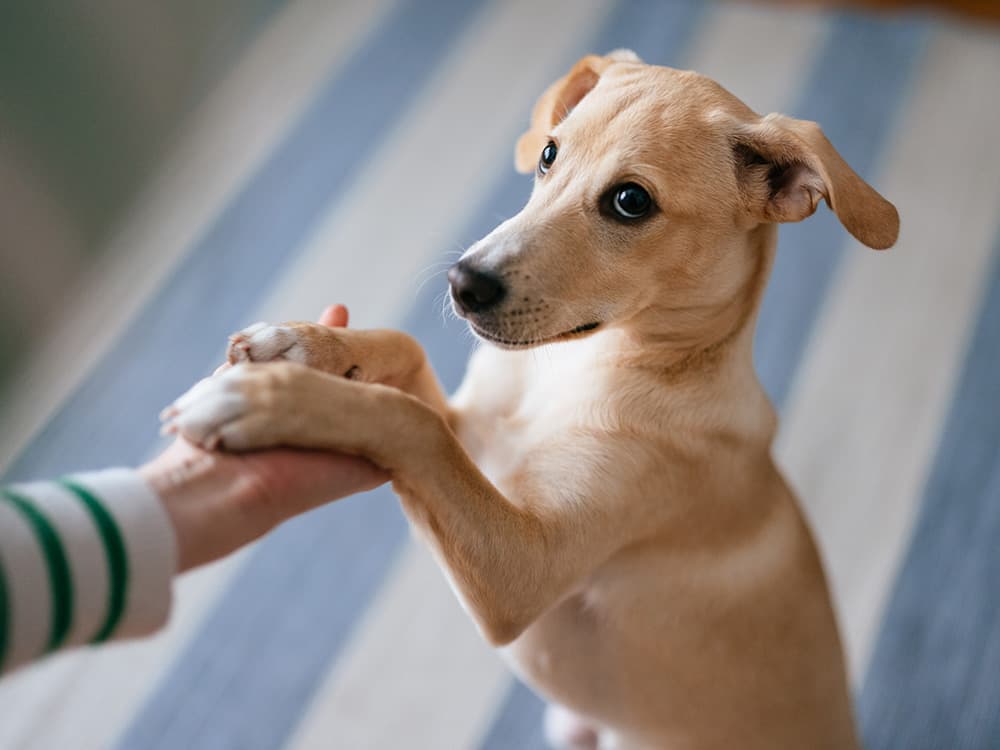
When dogs feel like they aren’t being heard, they often turn up the volume of more common behaviors such as barking, pawing, and jumping. King says dogs typically start with subtle signals, and then escalate behaviors when those go unnoticed. The progression usually begins with louder or more intense versions of the same behavior, then a shift to whatever has worked in the past. If you’ve been ignoring the quiet signals, the louder ones don’t mean your dog is being difficult — this is your dog trying harder.

Marco Reggi / Stocksy
The flip side of escalation is shutting down. When repeated attempts at communication go nowhere, some dogs eventually stop trying, a state researchers call “learned helplessness.” Motive and context are critically important to consider: Signals based in needs like pain or fear are difficult to suppress, but dog reactions may begin to fade over time due to unacknowledged emotions.
“Stopping should not be anthropomorphized as giving up, as much as it should be seen as the dog changing how, or if, their communication attempts are landing effectively,” she says.

klavdiyav / Adobe Stock
The most important kind of dog communication to be aware of, King says, is that which comes before a bite. According to the Stop the 77 campaign, 77 percent of bites come from a family dog or a friend’s dog — and not a stranger’s pup. Reading the earlier signals isn’t just about your dog’s comfort. It’s about safety. When the subtler signals get missed, dogs escalate to more serious behaviors such as growling, showing teeth, and freezing.
“A bite is almost always the endpoint of a failed communication sequence,” King says — one where earlier signals such as avoidance, tension, appeasement, and withdrawal were repeatedly missed or ignored.

It doesn’t always mean they’re upset.
One more thing: Many of the ways we greet dogs make them deeply uncomfortable. Looming over them, squealing, making direct eye contact, reaching for their head — dogs dislike all of it. Canine communication expert Patricia McConnell recommends squatting down, looking toward their tail rather than directly into their eyes, and offering a big, squinty-eyed smile. If the dog comes to you, pet their chest — not their head. Your dog will thank you, even if they can’t say so.

Kari Paul is a Paris-based writer, artist, and filmmaker whose work has been published in The Guardian, The Wall Street Journal, New York Magazine, ELLE, and VICE. She has had an endless march of more than 20 foster kittens, cats, and dogs over the last few years and always cries when they leave. She covers technology, personal finance, and animal behavior, among other topics.
Behavior & Training
Behavior & Training
Behavior & Training

Behavior & Training
Here are seven common unwanted dog behaviors and how to stop them.
Behavior & Training
Don’t let myths deter you from adopting.
Pet Wellness
Toxic algae blooms are spreading — get tips on how to keep your dog safe.
Pet Wellness
Simple preventive steps can go a long way toward offsetting their threats.
Behavior & Training
(Mis)labeling behaviors does more harm than good.