The 20 Cute Curly-Haired Dog Breeds
Why adopting one of these pups can be a really great idea for the right pet parent — plus how to care for their cute coats.
Why adopting one of these pups can be a really great idea for the right pet parent — plus how to care for their cute coats.
by Marianne Eloise, | July 28, 2026
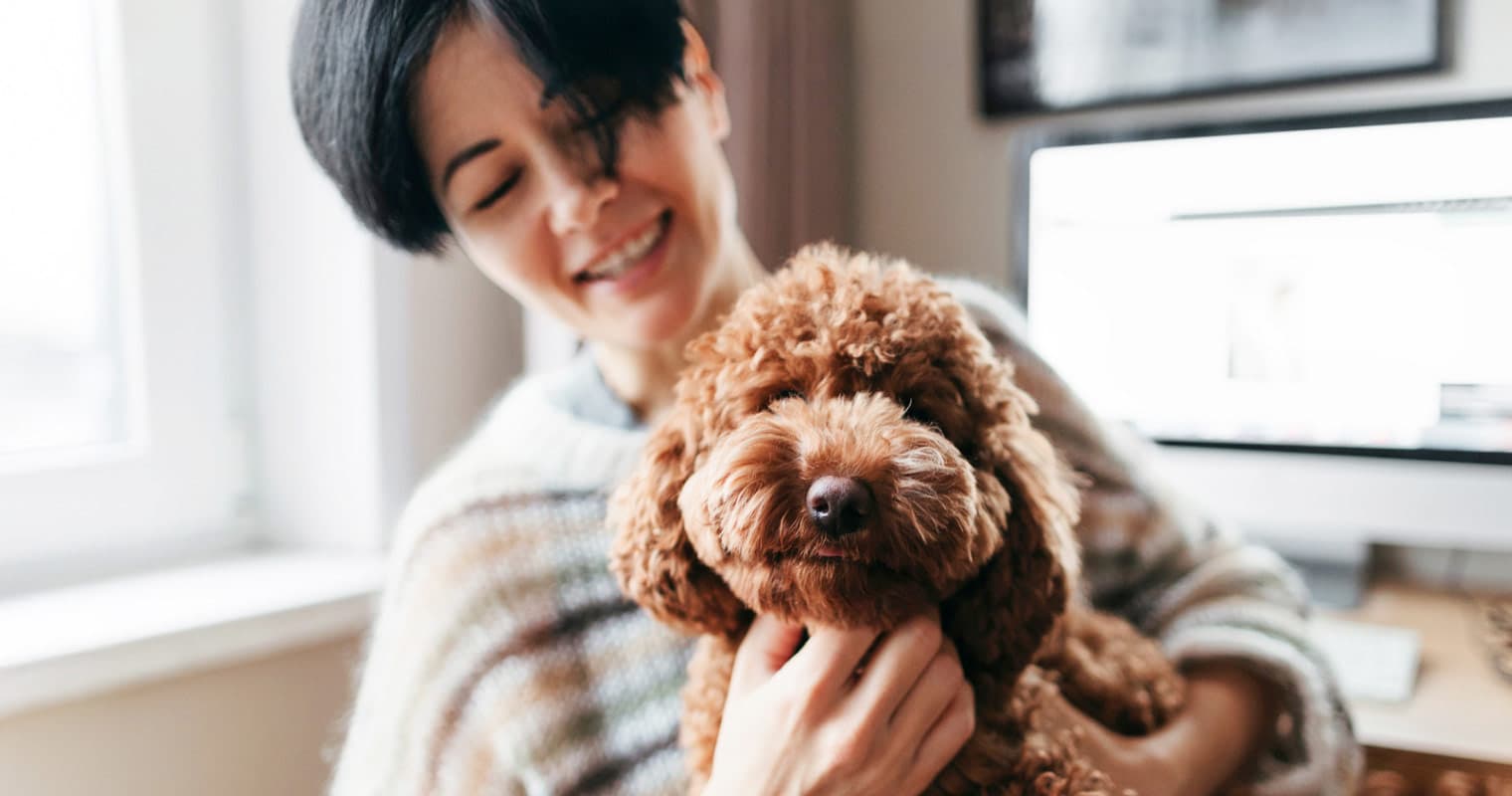
Irina Polonina / Stocksy
Curly-haired dogs have lots of benefits. They’re cute, can be more hypoallergenic (bearing in mind no dog is 100 percent hypoallergenic), and provided you choose the right groomer, can be easy to maintain. Some of the most popular curly-haired breeds include the Poodle, Bichon Frise, Portuguese Water Dog, and various Doodle mixes.
The most popular curly-haired dog breeds include the Poodle, Bichon Frise, Portuguese Water Dog, and various Doodle mixes.
Curly-haired dogs have low-shedding coats, which makes skin dander easier to manage.
Daily grooming with a slicker brush and metal comb is essential to prevent painful matting at the skin level.
Meet 15 small pup breeds who are pretty hard to resist (if cuteness and awesome personalities are your thing).
If you adopt a curly-haired dog, there are lots of things you should be aware of. One of them is matting, which can be very dangerous for a dog. According to Ani Corless, dog grooming expert and the founder of Luxury Groomer, matting has stages, with the first one of them hidden. “The reason for this is that matting starts down by the skin. So the top can look fine, but the base can be matted,” she says. After that, you will notice that your dog’s fur looks unsightly. By the time a parent notices, the matting is pretty severe. It can act as a net on the skin, which can cause a lack of circulation and trap dirt.
This is why it’s essential to stop matting before it starts. Corless recommends that you take your curly-haired dog to the groomer every four to eight weeks and brush in between spa sessions.
Curly-haired dogs don’t just look cute. Many of them have great temperaments and make terrific companions. Plus, they are less allergenic, making them better choices for pet parents with sensitivities. If you have severe dog allergies, it’s unlikely that any dog will be a good fit for you. However, if your allergies aren’t so bad, some dogs can be nearly hypoallergenic. And because curly-haired dogs produce less dander, they provoke less of an allergic response in people.
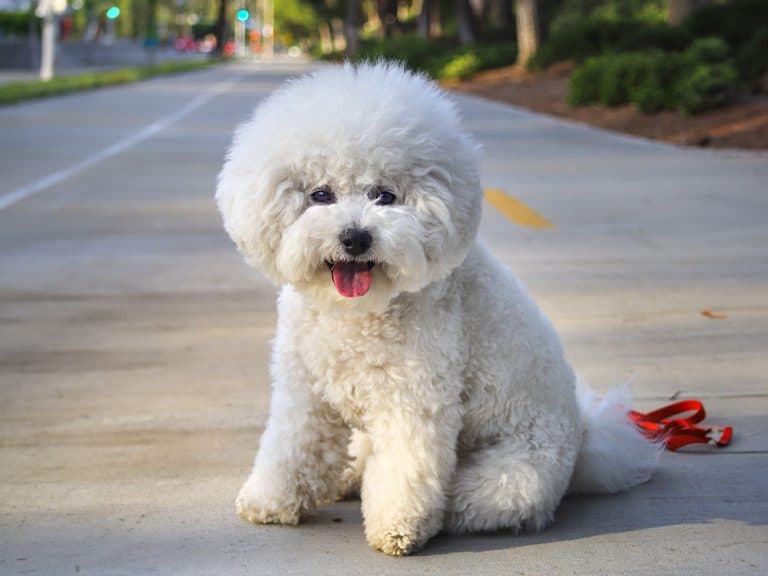
David Brown / Pexels
The puffy-coated Bichon Frise is a popular French-Belgian toy dog. Weighing only six to 16 pounds, they are beloved pets known for being cheerful, intelligent, and upbeat. Historically, they worked in the circus, which could be why they love to stand on their hind legs.
Height: 9 to 11 inches
Weight: 6 to 16 pounds
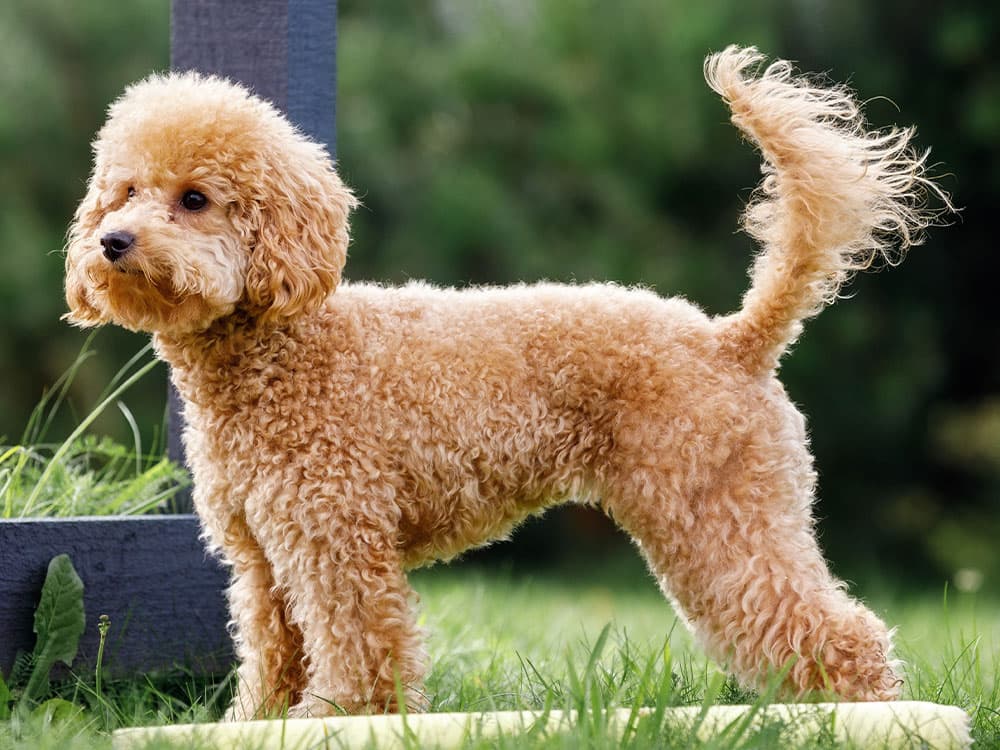
Linas T / Shutterstock
The Poodle is one of the most iconic curly-haired dogs, and the Toy or Miniature Poodle is maybe the most adorable version there is. While a standard Poodle can weigh as much as 66 pounds, the Toy Poodle can be as small as two to nine pounds and the Miniature Poodle a little bigger than that (seven to 28 pounds). Regardless of their size, all Poodles are known for their intelligence and friendly personalities.
Height: 8 to 15 inches
Weight: 7 to 28 pounds
Евгения Глинская / Adobe Stock
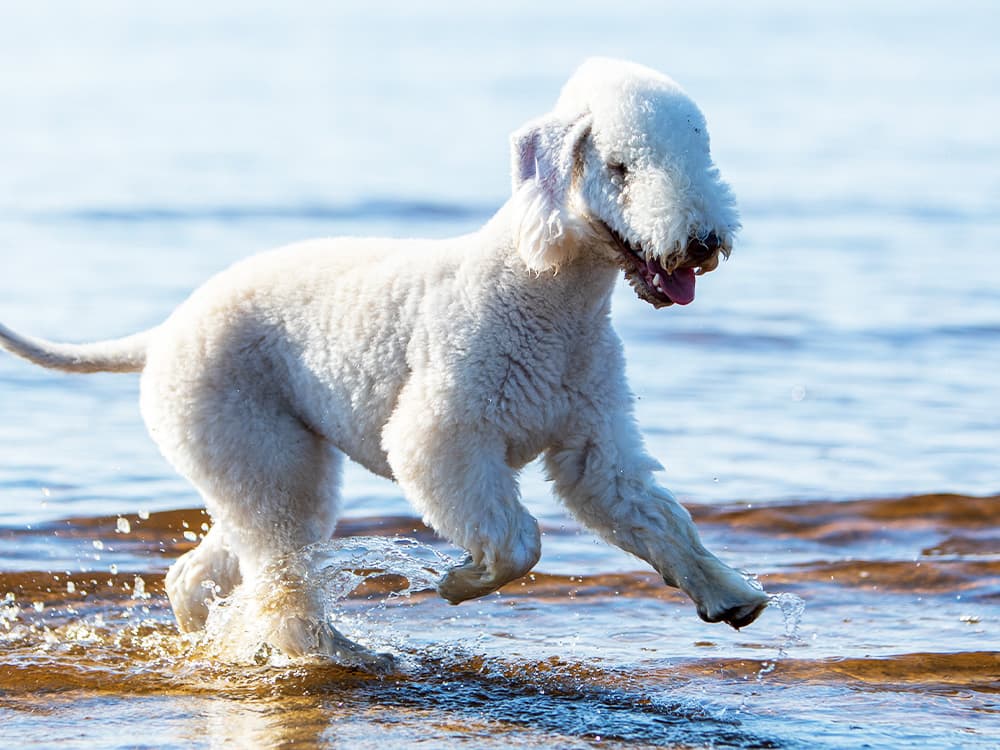
Originally from Bedlington, England, the Bedlington Terrier is a small, fluffy dog also known as Rothbury’s Lamb. Given their soft, springy appearance, it’s very easy to see why. They’re exceptional at swimming and love snow, which are merely two of many reasons to take care of their fur. Although they’re low-shedding dogs, expect to brush them regularly to remove loose hair and prevent matting.
Height: 15 to 16 inches
Weight: 16 to 30 pounds
islavicek / Shutterstock
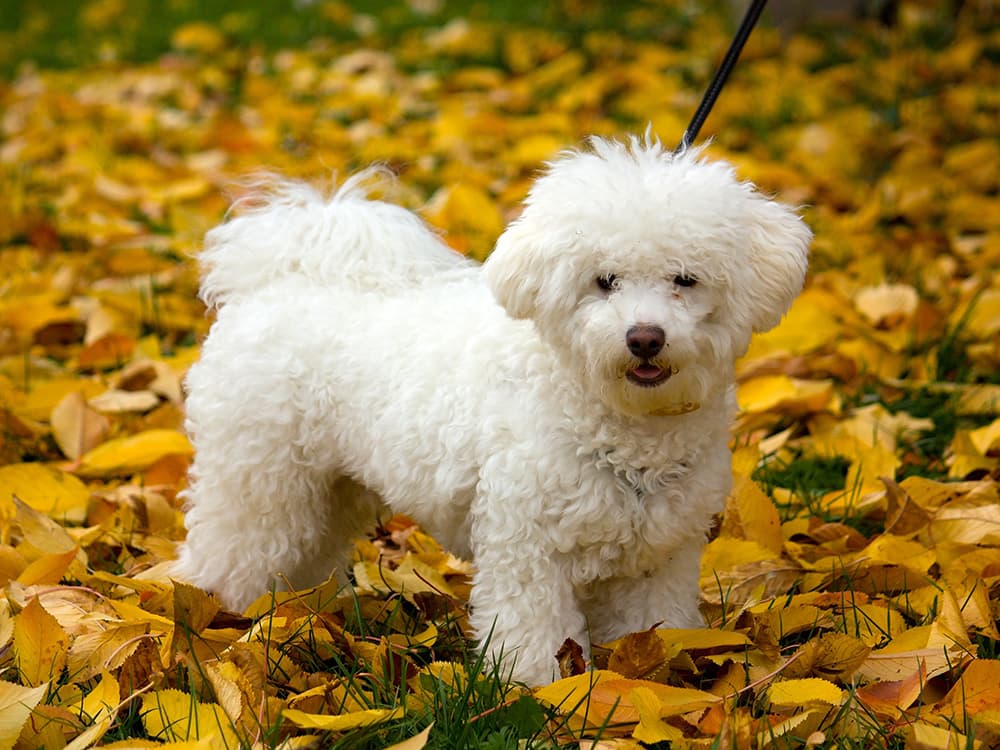
The Bolognese is a small, Bichon-like Italian dog who only grows to be four to 13 pounds. They have adorable, loose ringlets all over their body that will need to be groomed. These pups have been bred to be pets, and for good reason: They are small, fluffy, affectionate, and friendly.
Height: 10 to 12 inches
Weight: 4 to 13 pounds
Sandra Huber / Shutterstock
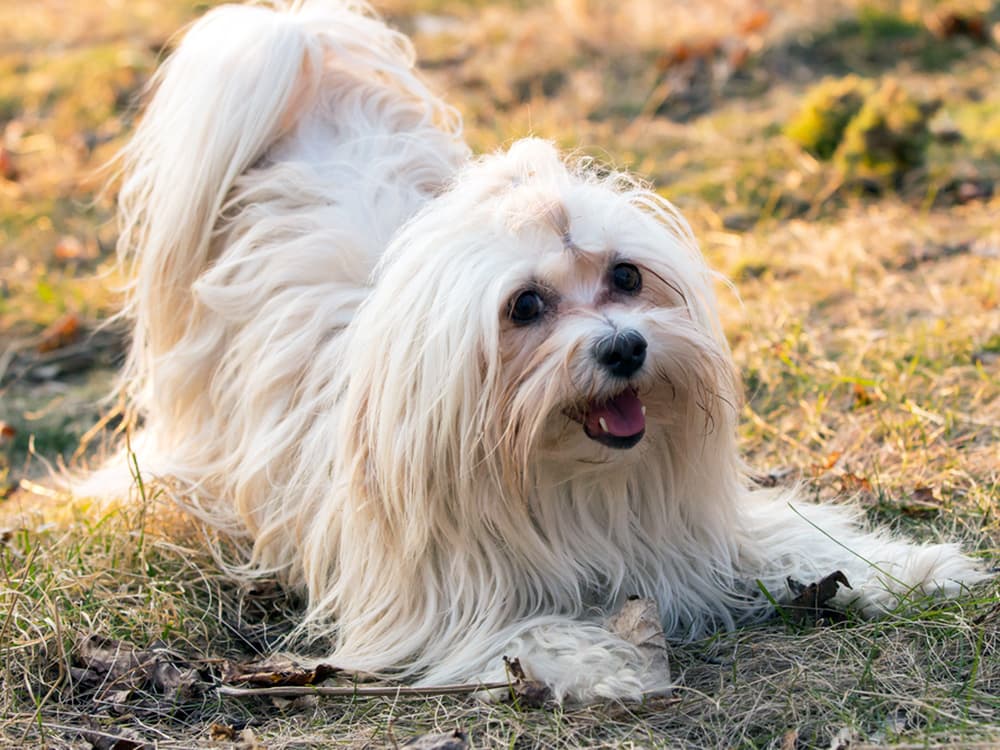
The Havanese is the national dog of Cuba, descended from the now-extinct Bichón Tenerife. They have a long, silky coats that require quite a lot of grooming. Personality-wise, they are warm and affectionate, with a playful disposition.
Height: 8 to 11 inches
Weight: 7 to 16 pounds
Kanashi / Unsplash
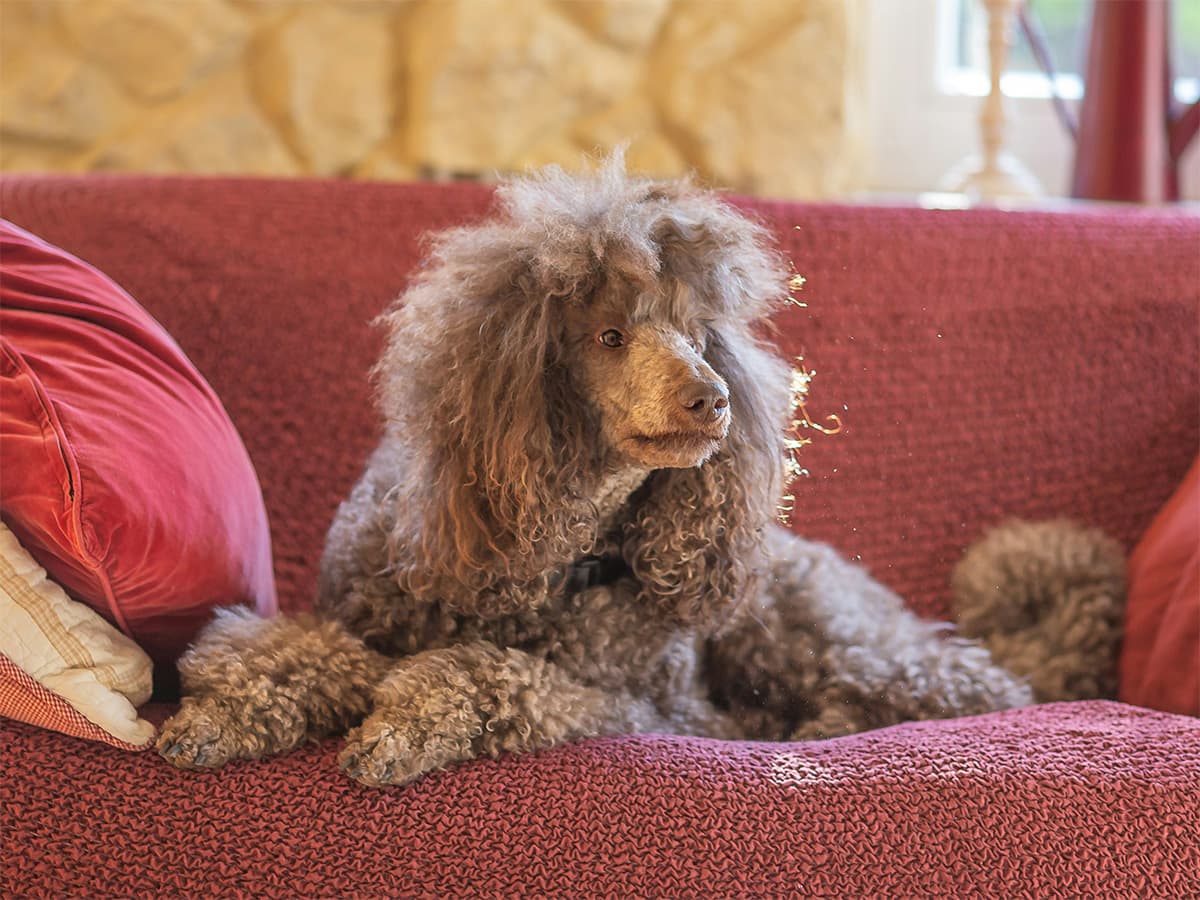
When it comes to curly-haired dogs, the Poodle is possibly the most iconic of them all. Traditionally a water-dog breed, the Poodle is known for their unique, curly fur. They often have very fluffy ears and can be groomed to have a funny tail. They are mostly hypoallergenic because their tight curls actually slow the spread of dander. Despite their regal appearance, Poodles are often very playful and fun.
Height: 14 to 24 inches
Weight: 45 to 75 pounds
Frank11 / Shutterstock
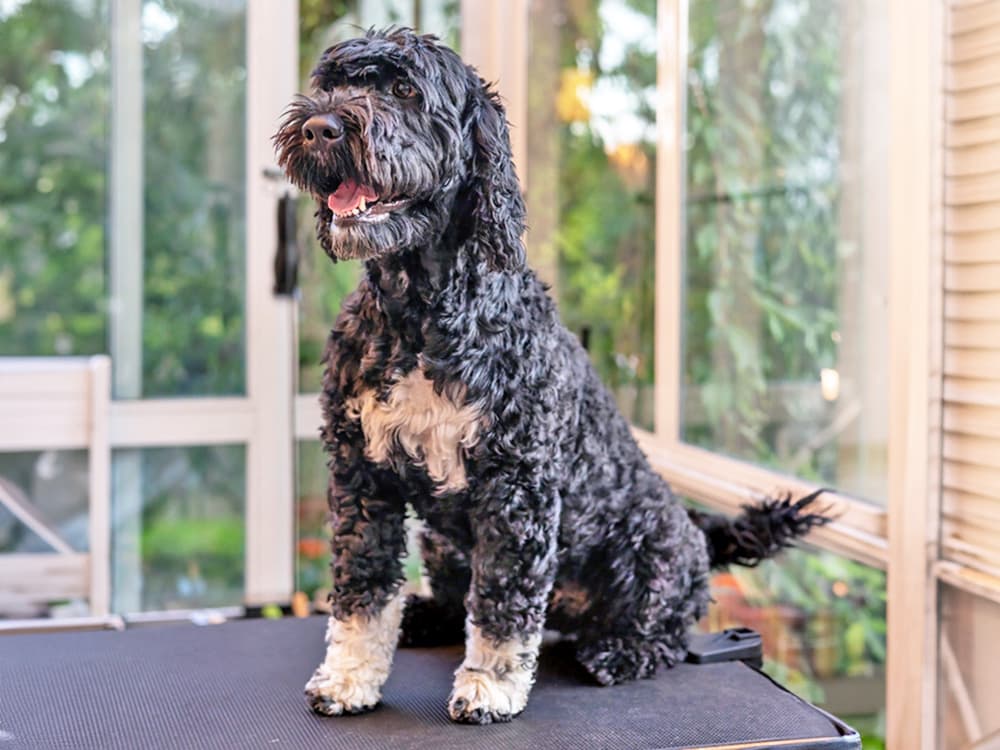
The Portuguese Water Dog has a very surprising history. Originally from the Algarve (in Portugal, of course), their original job was to help herd fish into fishermen’s nets. They have thick, black coats with curly or wavy fur, and need brushing once or twice a week in addition to regular grooming. They’re actually quite rare, particularly outside of Portugal.
Height: 17 to 22 inches
Weight: 33 to 66 pounds
Sebastiaan/Wirestock / AdobeStock
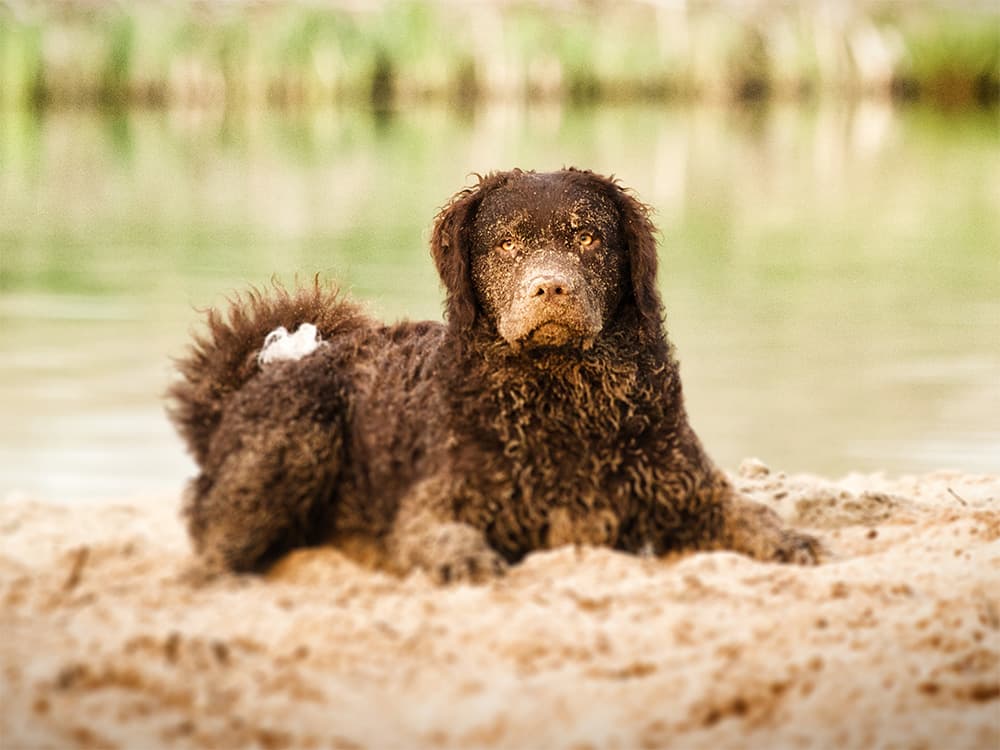
As with many of the dogs on this list, the Curly-Coated Retriever was bred for waterfowl hunting. They have tight curls that repel water and make them great swimmers. As pets, they may seem aloof, but they can warm up to their pet parents and make great companions. Just make sure they get plenty of time to swim.
Height: 25 to 27 inches
Weight: 58 to 90 pounds
Imagebroker / Alamy Stock Photo
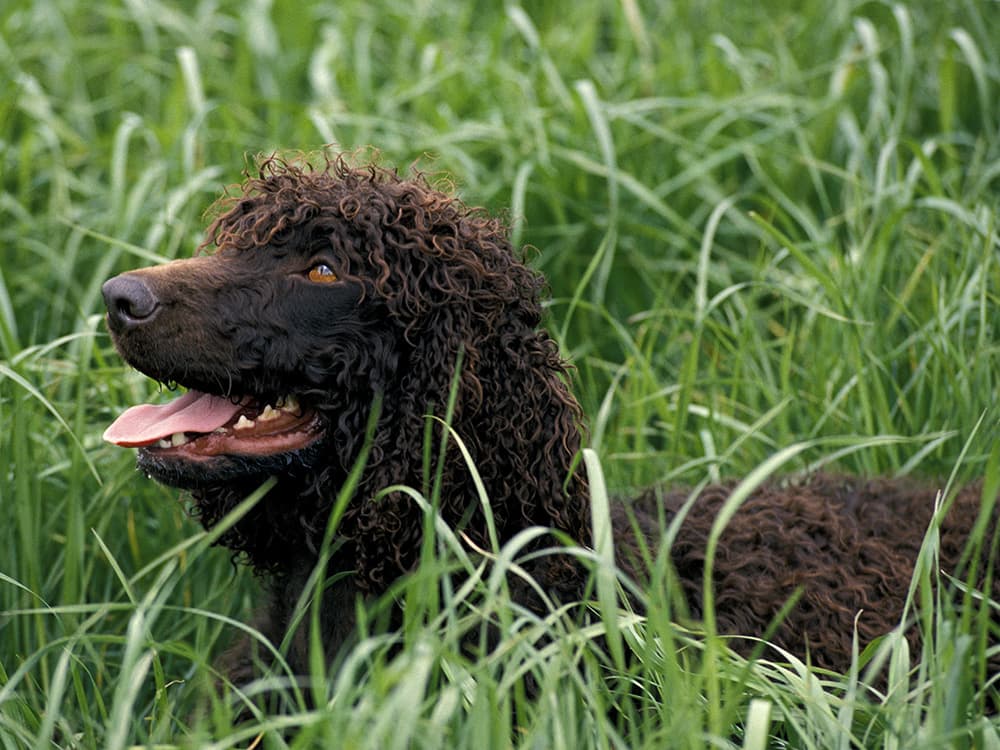
The Irish Water Spaniel is a black dog with loose curls and a unique topknot on their head. They are the biggest type of Spaniel and shed very little, which is great news for anyone sick of using their lint roller. They require regular grooming, so pet parents should make sure they become comfortable with the comb and clippers as young as possible.
Height: 20 to 23 inches
Weight: 44 to 70 pounds
Eudyptula / iStock
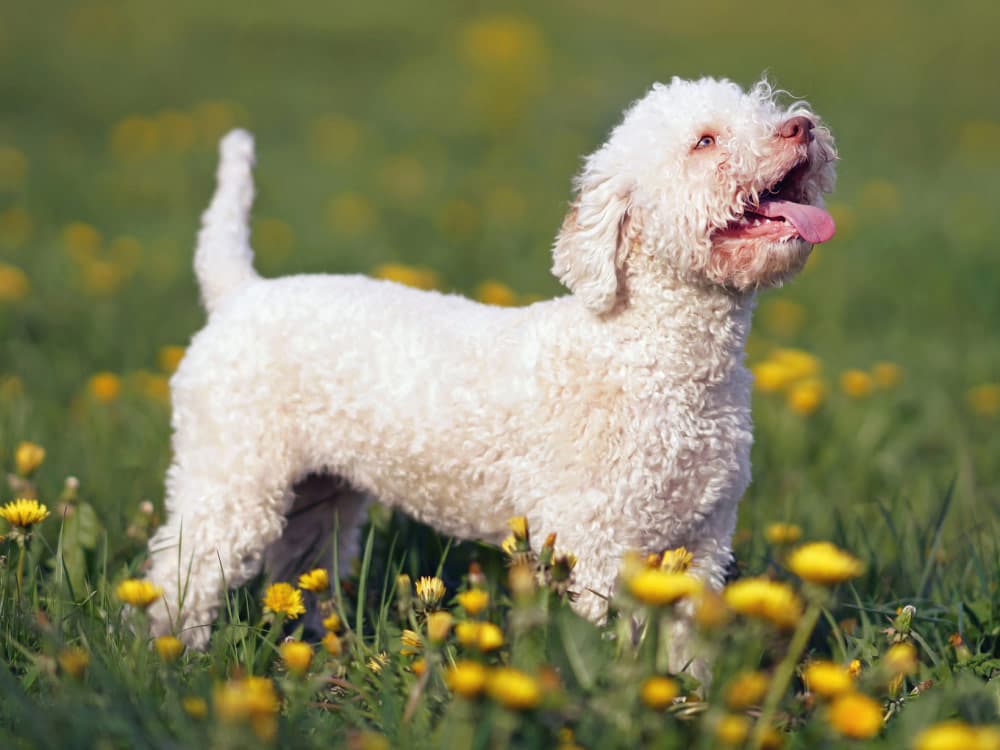
It may not surprise you, based on the name alone, to learn that the Lagotto Romagnolo is an Italian dog breed. Historically, they have been both truffle and water dogs, but these days are often companions. They have an unforgettable coat, dense with tight ringlets. They need either regular grooming or a full shave once or twice a year.
Height: 16 to 19 inches
Weight: 24 to 35 pounds
PROMA1 / Shutterstock
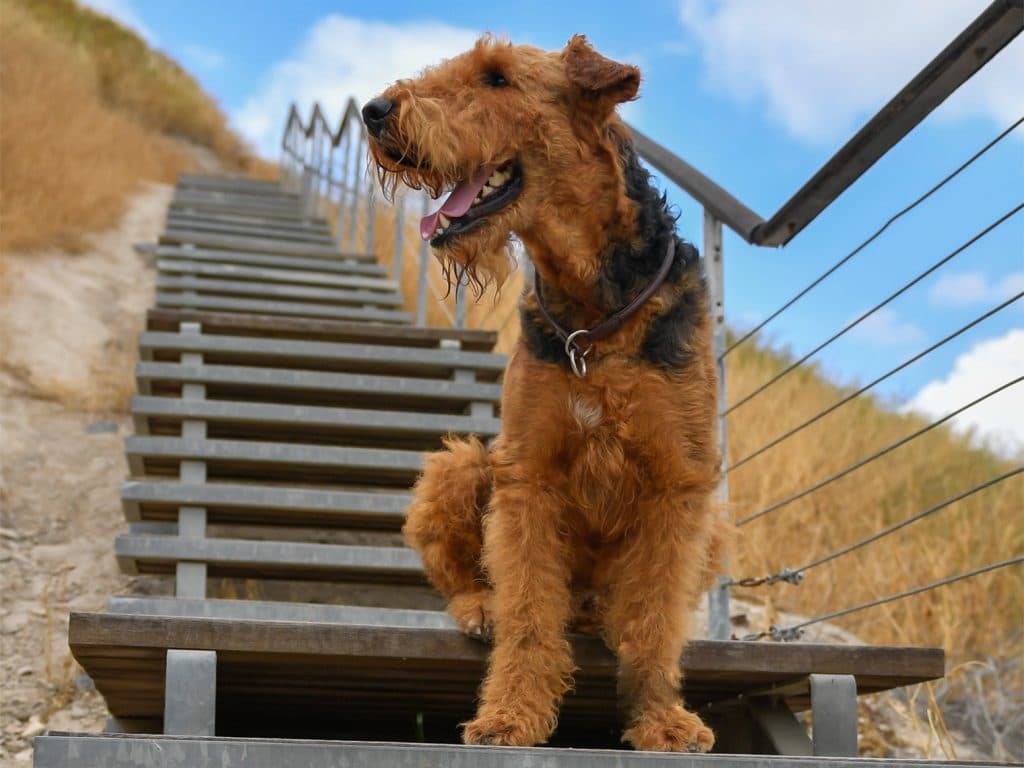
The Airedale Terrier is often referred to as the “King of Terriers,” because they are the biggest of all the terrier breeds. Originally intended as a hunting dog, they have had many jobs throughout their time in the U.K. and U.S., before being considered pets in many households. They love being active and are very loyal and intelligent, but also strong-willed and energetic — so it’s best to adopt this pup only if you are an experienced canine pet parent or up for a challenge.
Height: 22 to 24 inches
Weight: 36 to 67 pounds
Great Brut Here / Adobr
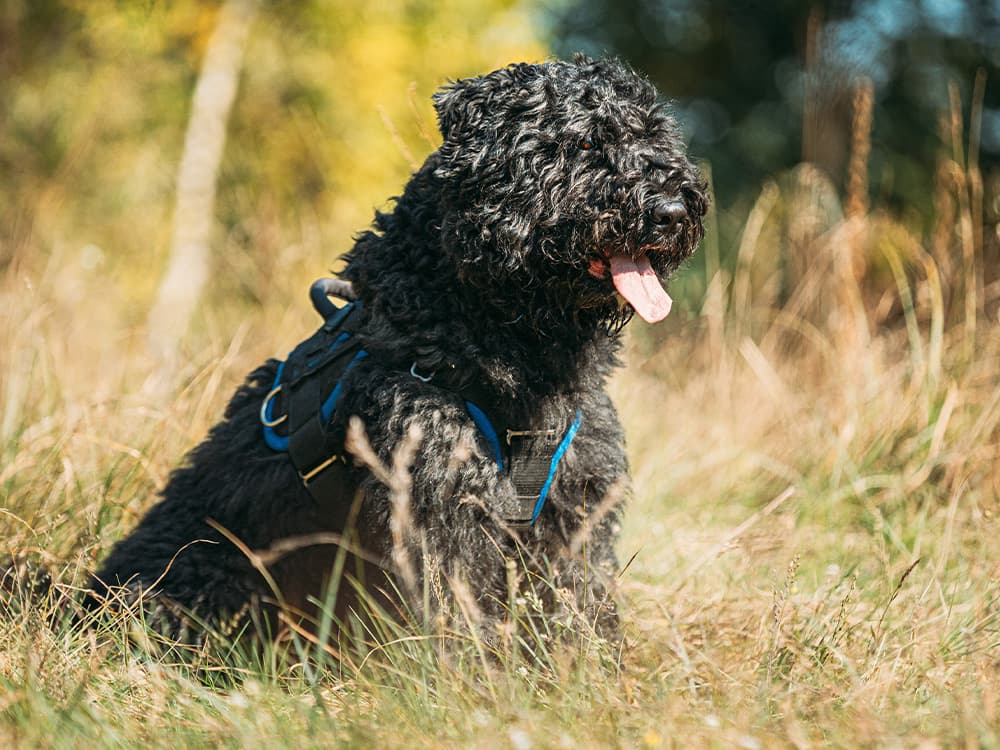
The Bouvier des Flandres, or cow herder of Flanders, remains a working dog to this day. Although they were originally farm dogs, they now tend to work as guard dogs and police dogs. Of course, they are also very popular as pets. Bouviers tend to be black, fawn, or salt-and-pepper in color, with thick, wiry double coats that require some upkeep with the help of a groomer. They will also need weekly brushing.
Height: 22 to 28 inches
Weight: 60 to 103 pounds
Wirestock Creators / Shutterstock
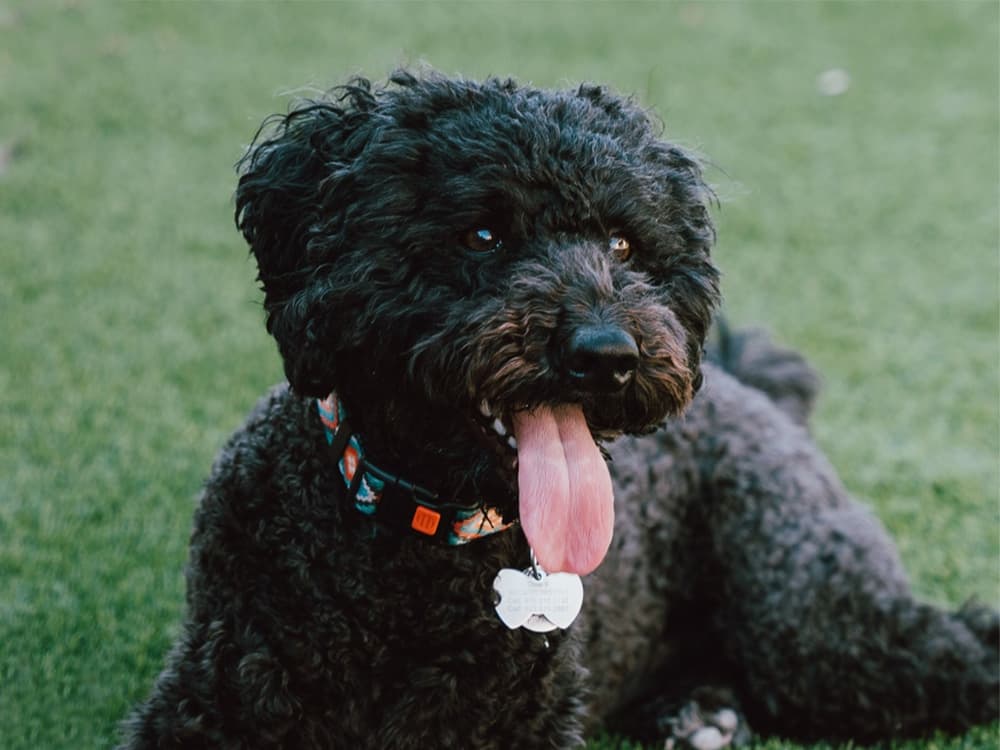
The Barbet is one of the rarest dogs on this list. Their name comes from the French barbe, which means “beard,” a nod to their fluffy facial hair. The Barbet is a shaggy, black water dog with dense woolly fur. They are known for being particularly sensitive and even-tempered.
Height: 20 to 26 inches
Weight: 31 to 62 pounds
Melinda Nagy / Adobe Stock
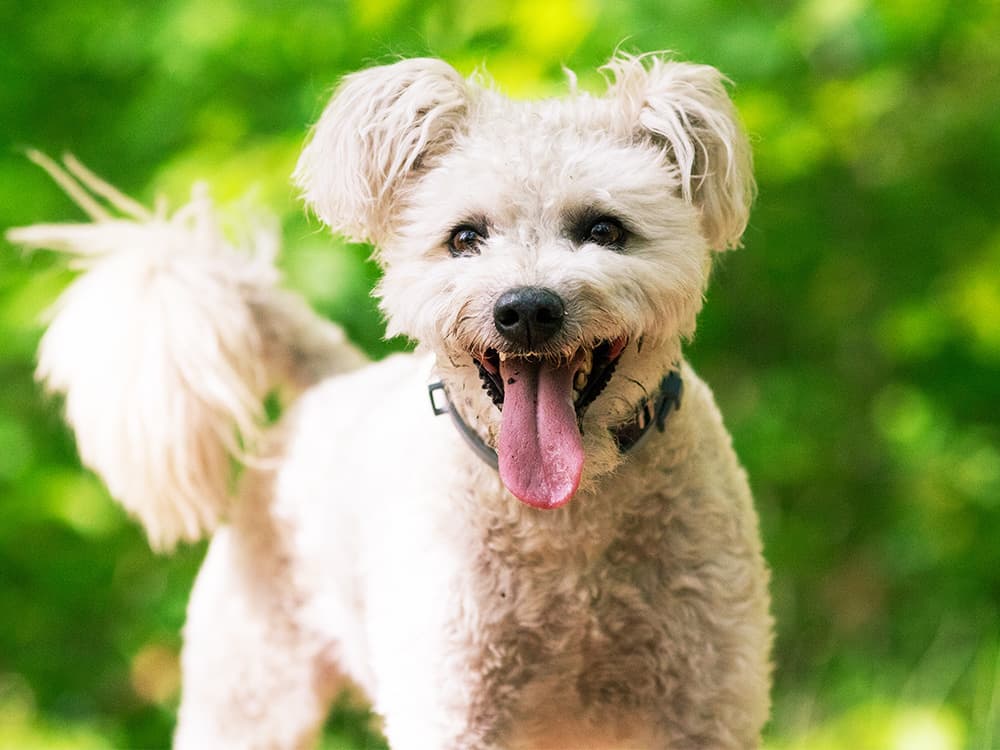
The Pumi is a medium-sized Hungarian sheepdog. Known for their wavy, shaggy fur, the Pumi is pretty tough to find in the U.S. — but if you do come across one, they are intelligent and energetic. Their unique fur comes in many colors: usually gray but sometimes black, white, or tan.
Height: 15 to 19 inches
Weight: 17 to 33 pounds
Mixing two breeds yields incredibly unpredictable canine coats. With that in mind, although the Doodle craze has created some adorable dogs, you never quite know how smooth or curly your dog’s coat is going to be.
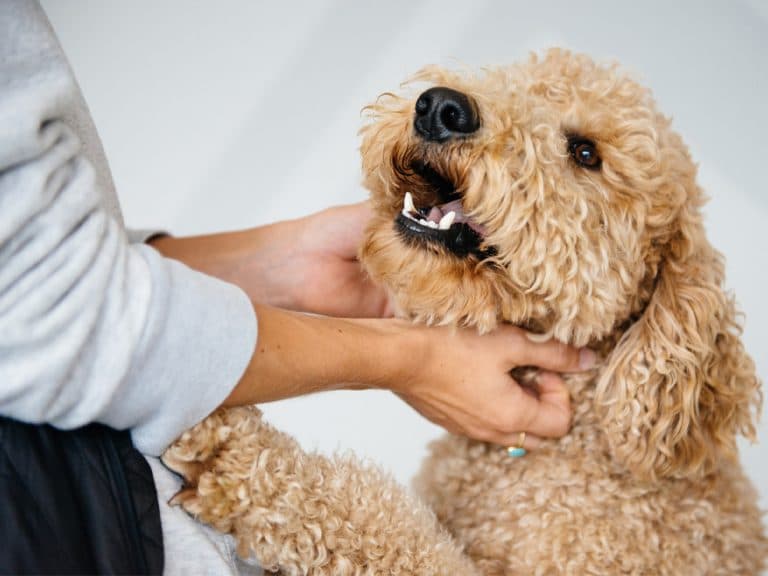
Cara Dolan / Stocksy
The Goldendoodle is a cross between a Golden Retriever and a Poodle, while the Labradoodle is a cross between a Labrador and a Poodle. Both options are very popular, offering cute, fluffy dogs who makes great family pets.
Height: 13 to 24 inches
Weight: 15 to 100 pounds
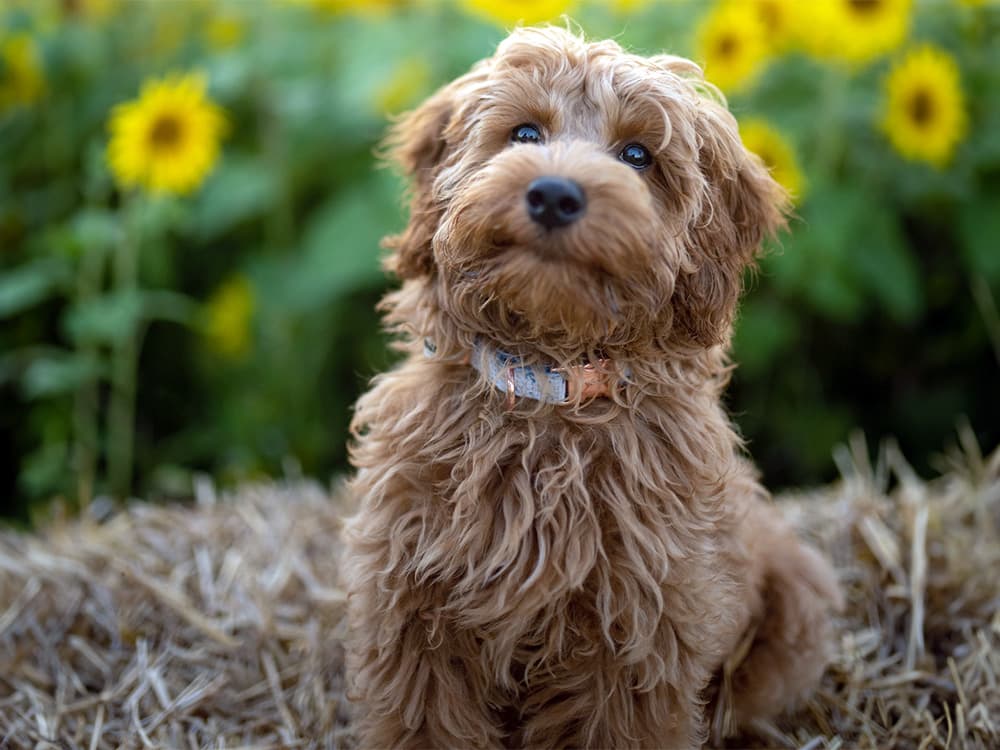
Chelsea Victoria / Stocksy
A mix between a Cocker Spaniel and a Poodle, the Cockapoo has, in recent years, become one of the most popular dog breeds. Most commonly bred from a Miniature Poodle, the Cockapoo has a smooth coat (thanks to this cross-breeding), but they will still need some grooming and care.
Height: 14 to 24 inches
Weight: 15 to 69 pounds
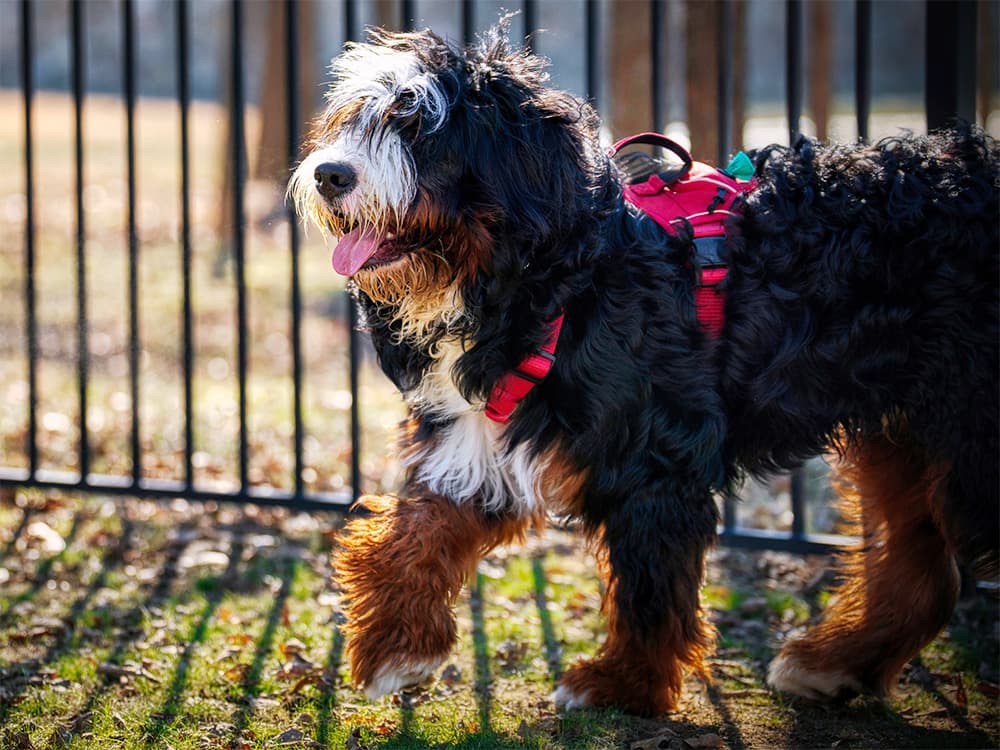
Cobra Nicole / Shutterstock
The Bernedoodle, first introduced in 2003, is a cross between a Bernese Mountain Dog and a Poodle. The result is a very cute, pretty big dog who can weigh as much as 100 pounds. They have white, tan, and black coloring and a fluffy coat.
Height: 12 to 29 inches
Weight: 10 to 90 pounds
Corless says that it is harder than it looks to groom a curly-haired dog properly and thoroughly. “If it isn’t done this way, it isn’t helping as much as you’d think,” she warns. “The pet must be detangled all the way down to the skin, all over the body. If a metal comb doesn’t go from the skin out, it isn’t brushed out. No exceptions.” While it isn’t impossible to do this yourself, for a thorough job, it is best to trust a groomer.
To prevent matting, try brushing your curly-haired dog every day. Corless says that choosing the right brush is very important: “For a curly coat, I recommend a slicker brush, a pin brush, and a metal comb. Finding which one of those works best for you may take some trial and error. I would use all three, and I do.” For non-groomers, Corless says that a slicker brush with rubberized tips (that aren’t fully stiff) can help a dog feel more comfortable while being brushed at home.
Aside from keeping your dog pretty or handsome, grooming is an important part of maintaining their health. Here are some tips on knowing when your pup needs a little freshening up.
If you want to bathe your dog at home between grooming sessions, there are some things you should be aware of, Corless says. “Water creates and tightens mats, so if the owner is bathing at home or the dog has any swimming in its recreational activities, all maintenance of a curly coat will be much more intense.” When bathing your pup, use a shampoo that is hydrating and apply conditioner every single time. Corless also recommends adding a detangling spray to the mix. She adds, “I prefer to use those after a bath and brushed through when towel-dried but still damp.”
Finding the right groomer requires knowing exactly what you want from them. You will need to take your dog to them every four to eight weeks, so building a good relationship is tantamount, Corless says. “That will look different for everyone — based on your dog’s coat, your budget, and your lifestyle.” Make sure you’re clear on what you want from them, and that they are able to deliver on this. For example, if you don’t want your curly-haired dog to be shaved down, ensure that this isn’t the only method in their arsenal.
There are tons of pets sitting in shelters and rescues, all ready to kick off their next chapter with someone who gets them. No matter what you’re looking for, there’s a pet out there who’s the perfect fit, just waiting for the chance to meet you.
Start your search on Adopt a Pet, where you can filter pets by age, color, breed, and more.
Whether or not a dog is easy to take care of depends on lots of factors, not just their fur. Look into the temperament, behavior, and personality traits of every breed before you commit to a dog. Additionally, each dog is different, so how easy they are to care for will depend on the individual dog.
The curl gene is separate from the shedding gene, so a curly coat has little to do with whether or not they will shed. It’s best to look into each breed and individual dog when considering shedding levels.
Curly-haired dogs need a full groom and haircut fairly frequently: around every four to eight weeks.
Marianne Eloise’s work has appeared in The New York Times, The Guardian, The Cut, Vulture, and more. She is also the author of an essay collection Obsessive, Intrusive, Magical Thinking. She has been going on adventures with her dog Bowie since she was 17.
Pet Wellness
Breed Info
Breed Info
Breed Info
Read up on large dog breeds and what it takes to keep them happy.

Breed Info
Get answers to your Whoodle questions on characteristics, temperament, history, and health with this guide.
Pet Wellness
For some breeds, it may do more harm than good.
Breed Info
If you want a canine bestie and a cleaner home — yes, you can have it all — check out these breeds.
Breed Info
Meet the dogs who, with a little trim, basically transform into living teddy bears.
Breed Info
Which Doodle mix is right for you? Here’s everything you need to know about these adorable crossbred companions.