Thinking About a Toy Dog? Meet 15 Small Lapdog Breeds
Meet 15 small pup breeds who are pretty hard to resist (if cuteness and awesome personalities are your thing).
Meet 15 small pup breeds who are pretty hard to resist (if cuteness and awesome personalities are your thing).
by Cammi Morgan, | February 2, 2026
LIGHTFIELD STUDIOS / Adobe Stock
Looking for a compact canine companion who’s happy to spend hours cuddling on the couch? Toy dogs — often called lapdogs for a reason — are small, people-oriented breeds who tend to thrive in indoor spaces and love being close to their humans. Many have lower exercise needs than larger dogs, but what they lack in size, they make up for in personality and devotion.
In this guide, we’ll delve into 15 loveable toy dog breeds, their breed descriptions, care needs, and what type of family they’re best suited for. Shelters and rescue organizations often have small-breed pups just waiting for their forever family to scoop them up.
Although not all of the dogs in this guide are considered “toy” breeds by the American Kennel Club, they are all toy-sized — meaning they’re among the smallest dogs within their breed category. The AKC groups dogs based on their original purpose, not just their size, which is why some small dogs fall into other breed groups.
From the long-haired, elegant Havanese to the endearingly silly and playful Pug, you’re bound to find a toy dog on this list who is the perfect, lovable lapdog.
Chelsea Victoria / Stocksy
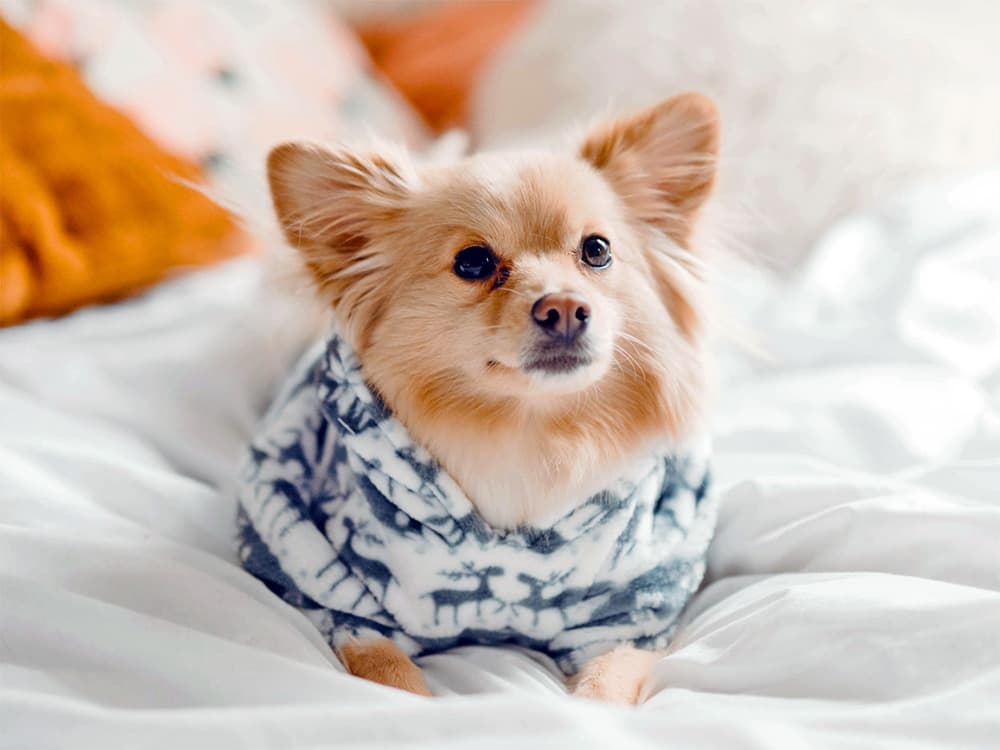
An elegant, fox-like small breed with a vigilant but highly affectionate personality, the Pomeranian is a wonderful one-person lapdog. They stand eight to 11 inches tall and weigh only four to nine pounds, making them light and easy to carry for elderly pet parents. Their dense, fluffy double coat needs grooming every couple of days with a pin brush to prevent tangles. These loving but particular pups can be a bit standoffish with strangers and other pets, so early socialization is key.
Height: 7 to 12 inches
Weight: 3 to 10 pounds
Breed group: Toy
Tymoshenko Olga / Shutterstock
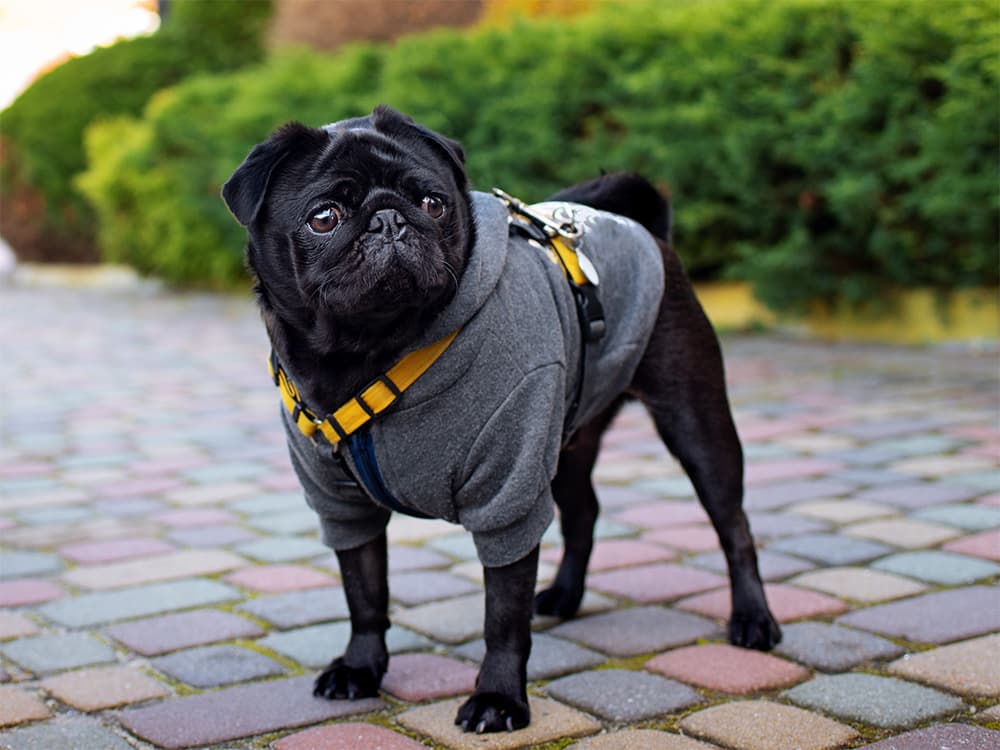
Curious, deeply affectionate, and full of amusing antics, the pug is packed with personality. These sturdy little dogs stand 10 to 13 inches at the shoulder and weigh 14 to 18 pounds. Pugs need about 45 minutes of exercise per day, but make sure to break sessions into low-impact, short bursts to prevent overexertion, because pugs are prone to brachycephalic obstructive airway syndrome due to being a flat-faced breed. Their short coat requires minimal grooming, although you’ll need to clean the skin folds around their snout daily. Low activity, quieter homes are just the ticket for this breed.
Height: 12 to 16 inches
Weight: 12 to 24 pounds
Breed group: Toy
Felix Chacon / Stocksy
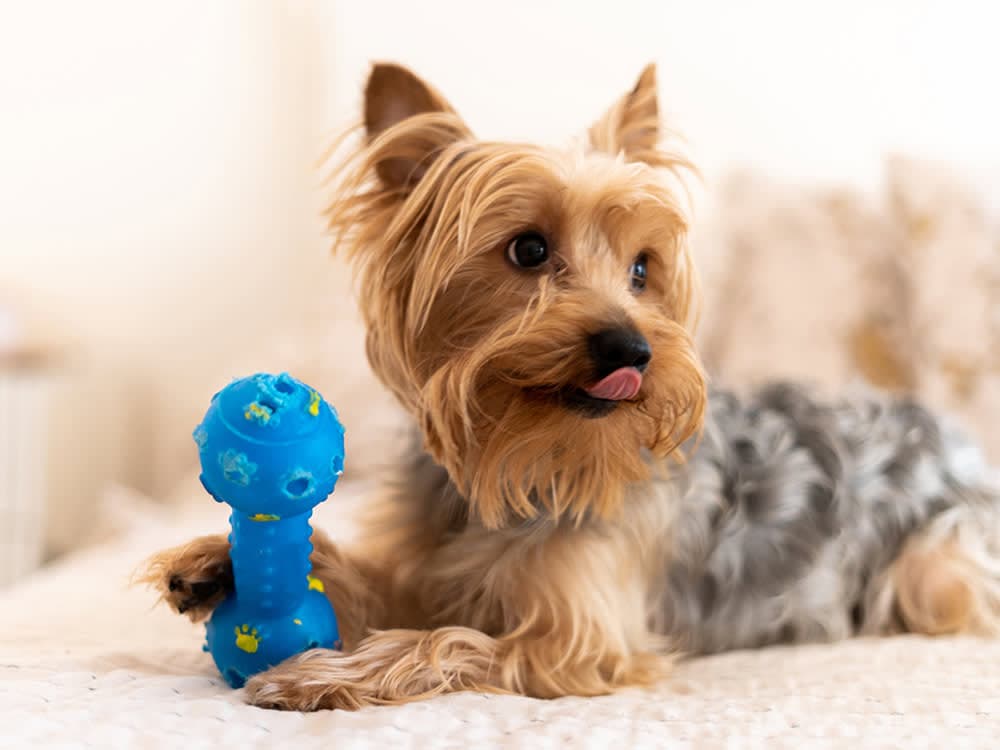
If you’re looking for a lapdog who is also happy to amp up the energy, consider adopting a Yorkshire Terrier. These tiny terriers measure seven to eight inches tall and weigh up to seven pounds. Bred to hunt rats, the Yorkie can be quite energetic, so it’s important to ensure they have plenty of access to outdoor adventures, especially sniffing and digging-based games, to keep them content. Once they get their energy out, your Yorkie pal will probably be more than happy to curl up on your lap for a snuggle and a snooze. Brush their low-shedding coat about three times per week and give them a trim every four to six weeks.
Height: 7 to 8 inches
Weight: 2 to 10 pounds
Breed group: Toy
Screen moment / Stocksy
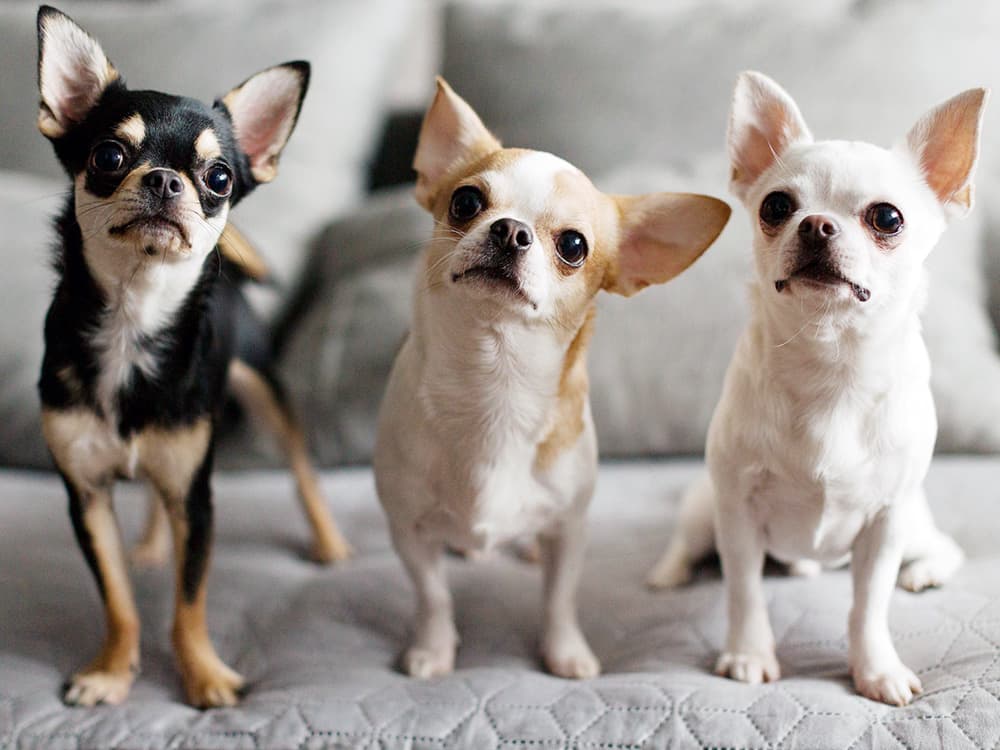
A fiercely loyal velcro pup and a grade A blanket burrower, the Chihuahua is a quintessential lapdog. Standing at only five to eight inches tall and weighing up to six pounds, these endearing pipsqueaks adapt well to small living spaces and gentle households. Their grooming needs are low, with weekly brushes and trims every couple of months (for the long-haired Chihuahua) to keep their coat healthy and tangle-free. Aim to provide about 45 minutes of low-impact walks and playtime per day.
Height: 6 to 9 inches
Weight: 2 to 9 pounds
Breed group: Toy
Nicole Mlakar / Stocksy
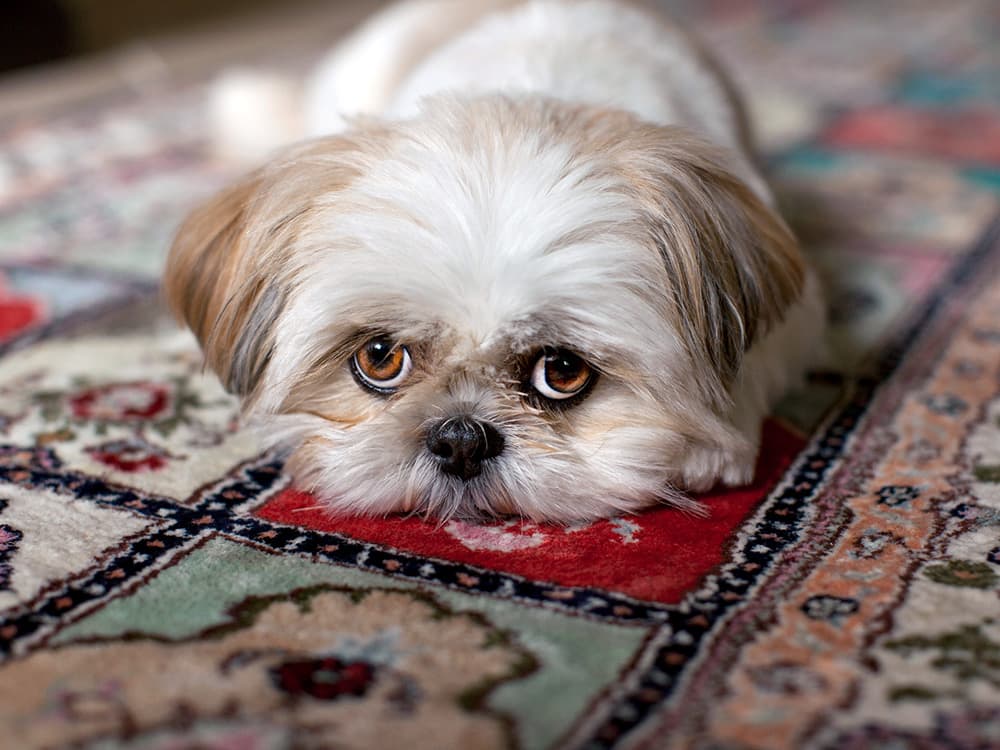
A devoted companion who tends to form an especially close bond with one person, this silky-haired breed makes a wonderful lapdog. They weigh only nine to 16 pounds and stand nine to 10-and-a-half inches at the shoulder. Their long, luxurious coat requires daily brushing and monthly trims stay neat and clean, and keep the hair out of their eyes. Exercise needs are modest, with short daily walks and indoor play sufficient for this lower energy breed. Shih Tzus form deep attachments to their people, so retired elderly folks who can spend lots of time cuddling with them are an excellent fit.
Height: 10 to 11 inches
Weight: 10 to 21 pounds
Breed group: Toy
everydoghasastory / Shutterstock
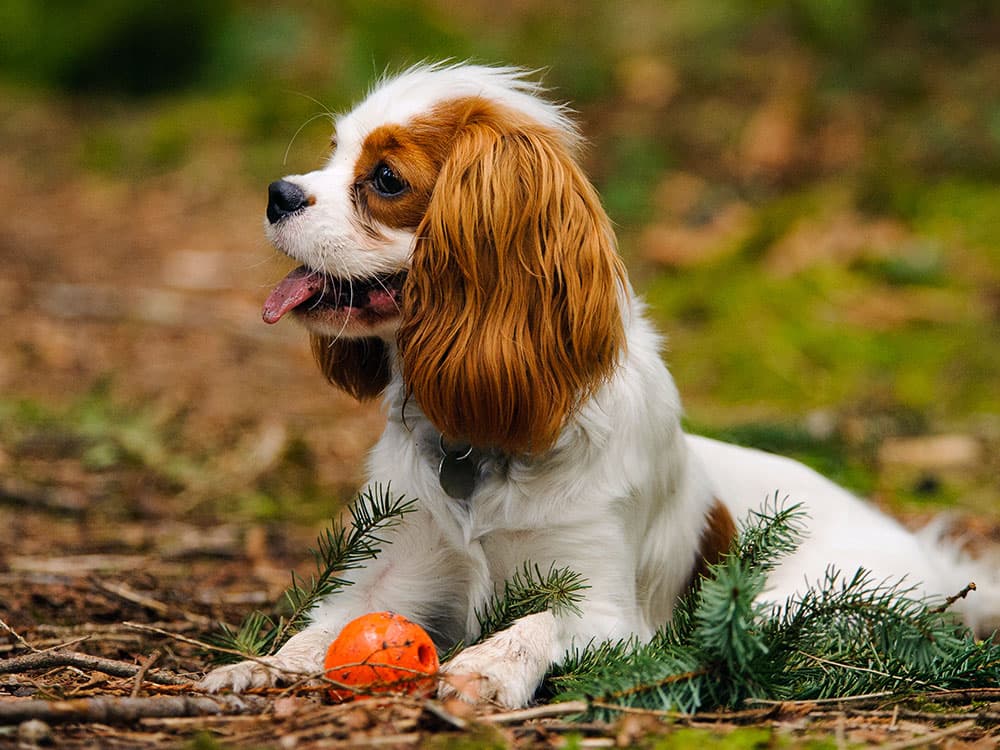
An absolute lovebug, the Cavalier King Charles Spaniel makes an exceptional lapdog who thrives on constant companionship. They have a petite and athletic frame, long, soft ears, stand 12 to 13 inches tall, and weigh 13 to 18 pounds. These pups have moderate exercise needs — and do best in family homes where they can go on outdoor adventures and play with the kids before curling up to snuggle on the couch. To keep their silky, wavy coat tangle-free, make sure to brush them at least a couple of times per week and give them monthly trims to keep the long hair on their ears and legs neat.
Height: 12 to 13 inches
Weight: 11 to 23 pounds
Breed group: Toy
mixetto / iStock
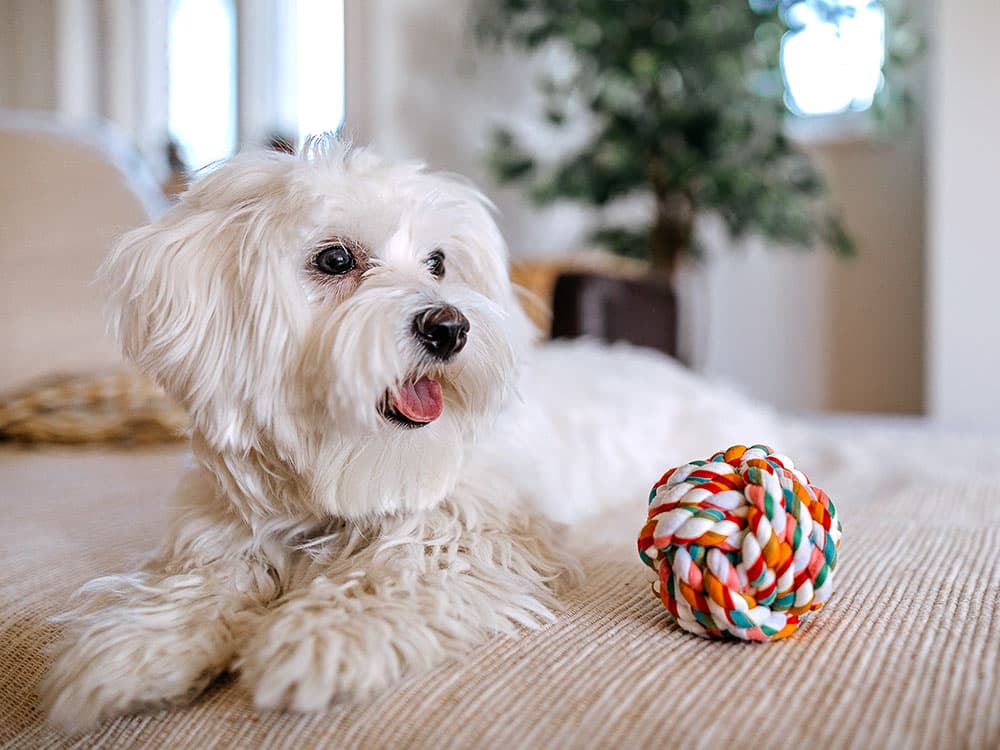
A long-beloved, ancient Mediterranean toy breed, the Maltese is a classic lapdog, happiest curled up with their pet parent, soaking up all the attention. Standing only seven to nine inches tall and weighing four to seven pounds, these pint-sized pups do wonderfully in apartments or with elderly pet parents who need a gentle, lightweight companion. When their coat is kept long, they need daily brushing and monthly trims, with special attention paid to keeping their flowing locks out of their eyes. The Maltese has minimum exercise needs: about 30 to 45 minutes per day of short walks and play sessions.
Height: 8 to 10 inches
Weight: 5 to 13 pounds
Breed group: Toy
Peter Mayer 67 / Shutterstock
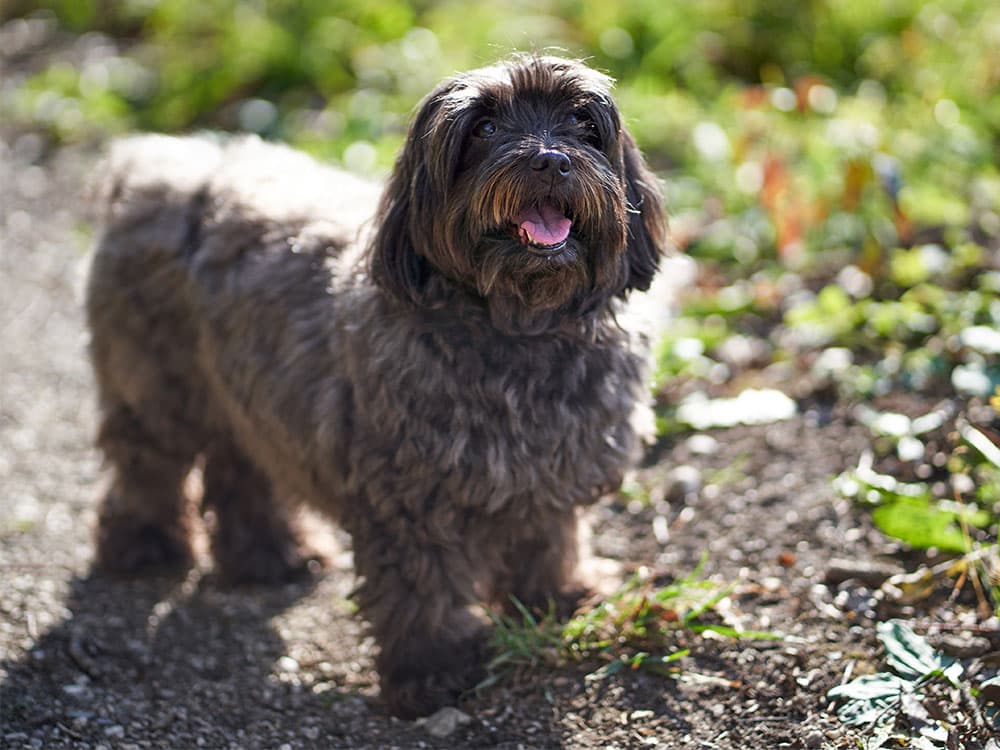
The Havanese is one of those dogs who wants to be in your lap as much as possible. They enjoy short daily walks and low-impact playtime, but the Havanese’s favorite activity tends to involve curling up with their people. These famously friendly dogs stand eight-and-a-half to 11-and-a-half inches tall and weigh seven to 13 pounds. Their long, dense, silky coats require consistent maintenance — so be prepared to brush them daily to prevent tangles and mats, and opt for trims every month.
Height: 8 to 11 inches
Weight: 7 to 16 pounds
Breed group: Toy
Lim Tiaw Leong / Shutterstock
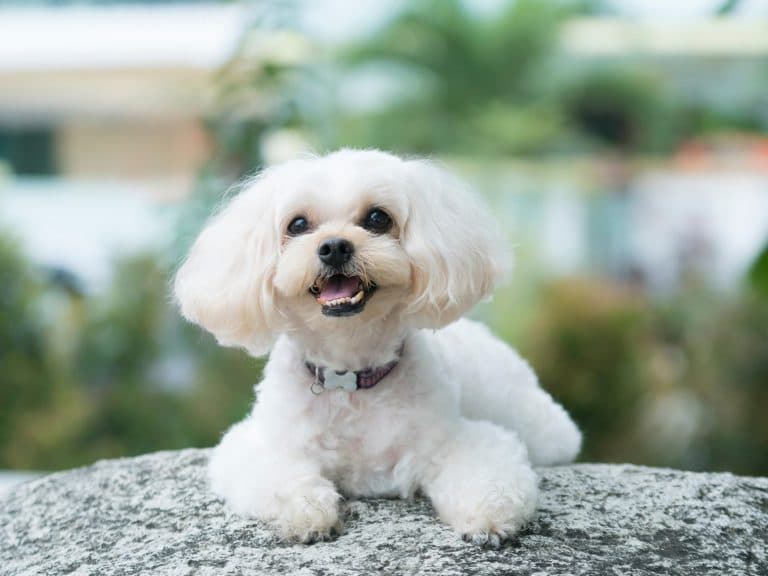
Of course, not only pedigree small breeds make wonderful lapdogs — mixed-breeds can be just as snuggly. The Shih-Poo, for instance, combines the people-oriented and snuggly nature of the Shih Tzu with the intelligence and athleticism of the miniature poodle, making for a dog who can excel at both going on adventures and cuddling up for a day on the couch. It’s best to consider the temperament, sociability, and exercise and grooming needs of the parent breeds when determining the lapdog compatibility of a particular mixed breed.
Height: 5 to 30 inches
Weight: 5 to 190 pounds
Breed group: Mix
Ruth Black / Stocksy
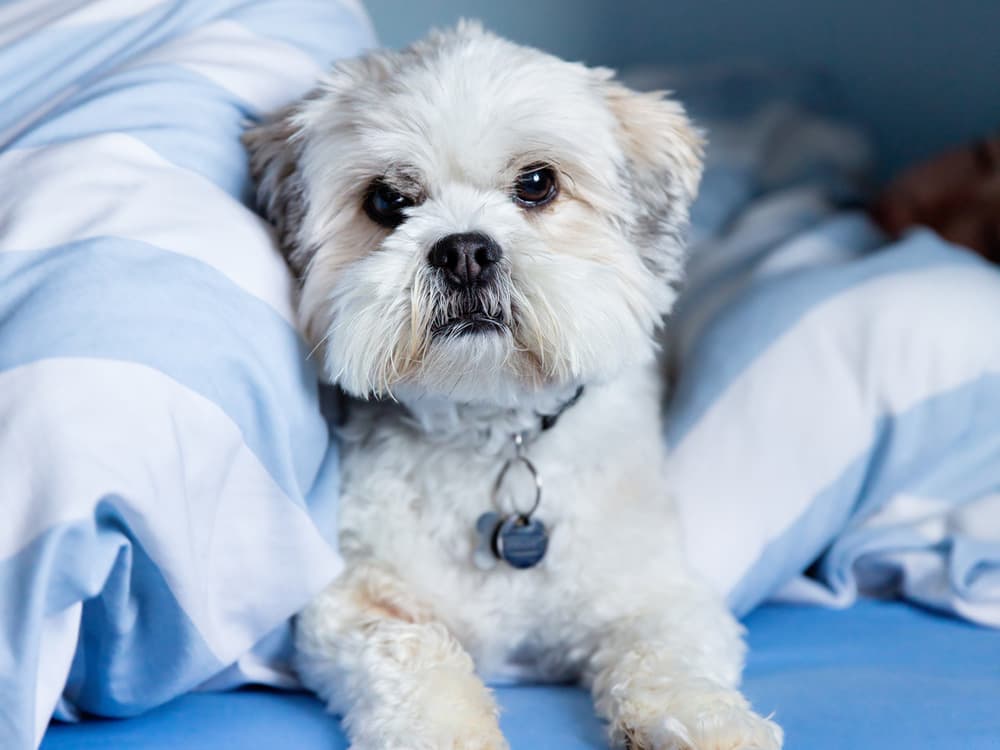
A small, ancient watchdog breed originating from Tibet, the Lhasa Apso tends to bond deeply with just one person, preferring to stay close to only them. Small but sturdy, this intelligent and mighty little dog measures 10 to 11 inches tall and weighs 12 to 18 pounds. Their long coat needs to be brushed at least three times per week with monthly trims. Although they only need about 45 minutes of exercise and play per day, it’s important to incorporate mental enrichment, such as puzzle toys, to keep this smart pup content.
Height: 10 to 11 inches
Weight: 9 to 19 pounds
Breed group: Non-sporting
Ariana Kaminski / Unsplash
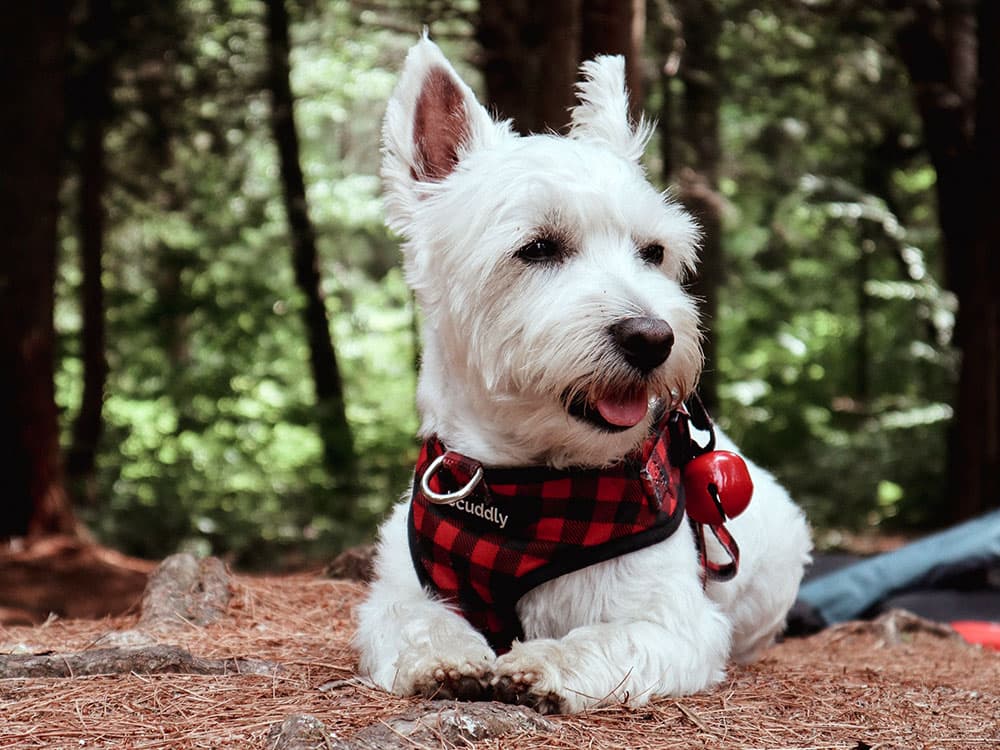
Smart, enthusiastic, and highly affectionate, the West Highland Terrier, or Westie, is a super-loving lapdog who thrives in a family environment. These compact, sturdy pups measure 10 to 11 inches tall and weigh 15 to 20 pounds. To keep their dense, white, double coat healthy, make sure to brush them at least three times per week and keep the hair around their eyes and muzzle trimmed. Westies have moderate exercise needs, enjoying daily walks, puzzle games, and interactive playtime, which keeps them happy, well-adjusted, and ready to snuggle in your lap.
Height: 10 to 12 inches
Weight: 11 to 23 pounds
Breed group: Terrier
Linas T / Shutterstock
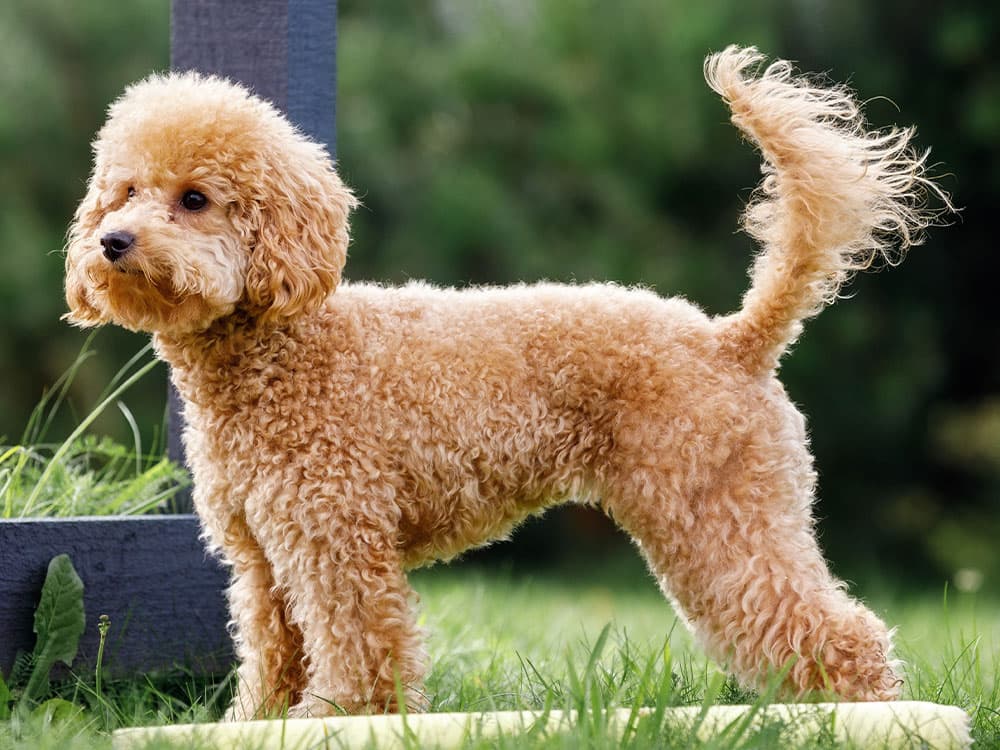
The Toy Poodle is the type of lapdog who thrives with constant companionship, often following their favorite person from room to room and happily settling in their lap at every chance. These petite pups stand seven to 10 inches and weigh two to nine pounds. Their curly coat is low shedding but does require grooming with a slicker brush and a fine-toothed comb at least three times per week to prevent matting. They’re sweet, snuggly, and adore being with their people. But Toy Poodles are also hyper-intelligent and have moderate exercise needs, so be sure to incorporate plenty of playtime, mental enrichment, and walks into their daily routines.
Height: 7 to 10 inches
Weight: 2 to 9 pounds
Breed group: Toy
Konstantin Koreshkov / Shutterstock
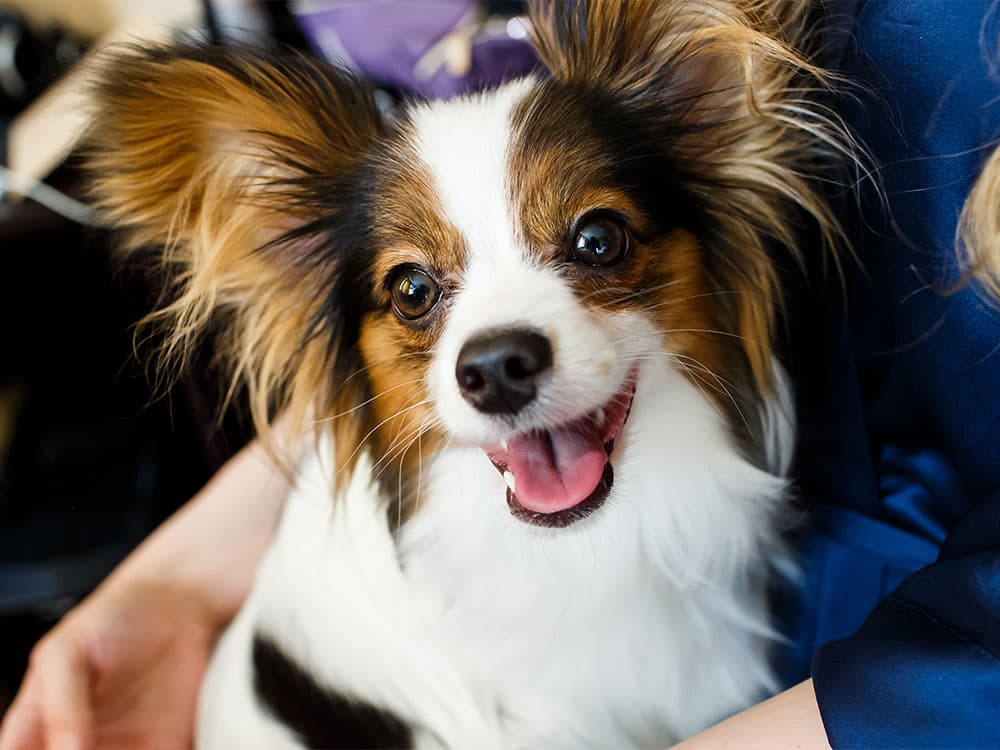
Bright, affectionate, and endlessly people-focused, Papillons were bred to be companion dogs and have been charming laps — and laps of royalty — for centuries. Named for their butterfly-like ears, this delicate-looking breed is surprisingly sturdy and deeply devoted to their people. Their silky, medium-length coat sheds lightly and benefits from brushing a few times per week, but doesn’t require trimming. Although they do enjoy daily walks, interactive play, and even participating in agility, Papillons are just as happy curling up beside their favorite person once their mental and physical needs are met.
Height: 8 to 11 inches
Weight: 4 to 12 pounds
Breed group: Toy
Von buritora / AdobeStock
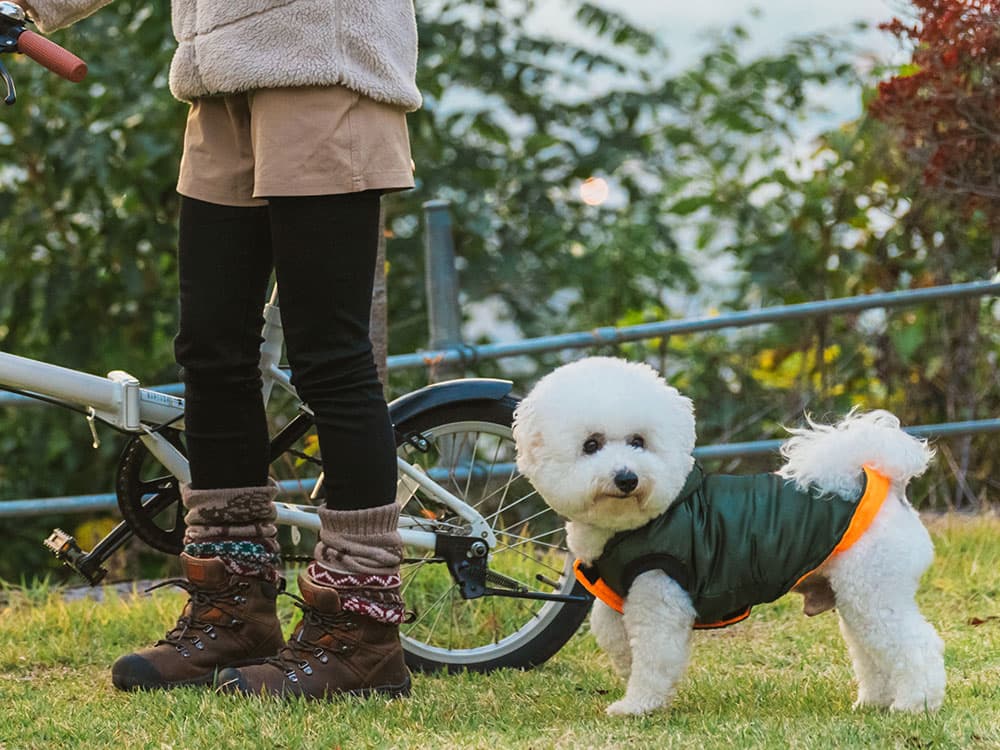
The Bichon Frise is a happy-go–lucky and social small-breed pup, measuring about nine to 11-and-a-half inches at the shoulder and weighing 12 to 18 pounds. They have moderate exercise needs: A couple of short walks, play sessions, and interactive puzzles will keep these cheerful, snuggly pups content. Brush them at least three times a week, using a slicker brush for undercoat detangling and removing loose hair, and a bristle brush to accentuate their natural fluff. Highly adaptable, playful, and gentle, the Bichon Frise thrives in a family environment.
Height: 9 to 11 inches
Weight: 6 to 16 pounds
Breed group: Non-Sporting
Claudio Schwarz / Unsplash
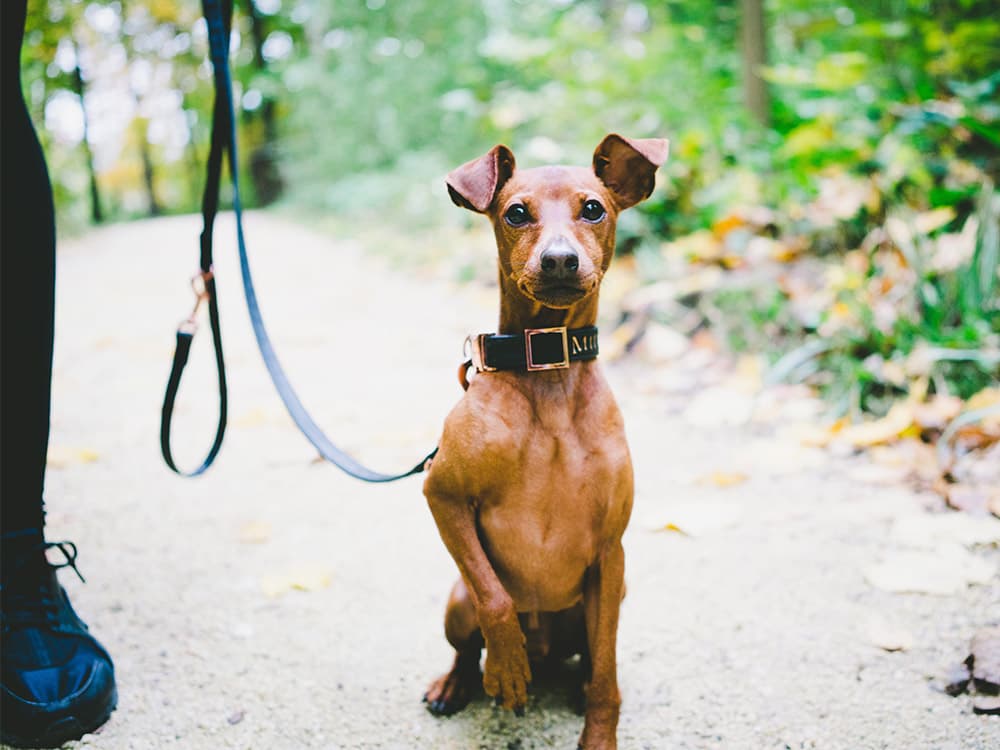
A pint-sized powerhouse of personality, the Miniature Pinscher is a playful, affectionate, and fiercely devoted companion. Their short, smooth coat is low-maintenance, requiring only weekly brushing and the occasional bath. Miniature Pinschers enjoy short daily walks and interactive play, but they’re just as happy curling up beside their favorite person once their energy is spent. Highly alert and curious, they adapt well to apartment living as long as they have companionship and mental stimulation.
Height: 10 to 12 inches
Weight: 4 to 12 pounds
Breed group: Toy
Every dog is unique, but toy breeds can share some overlapping characteristics, such as their propensity to form a velcro-like bond with their pet parent and being sensitive to their environment. Below, we’ll cover some common toy dog breed traits.
Velcro-like bond: Although having a super-close bond with your pup is wonderful, it’s also important to socialize them with other people from an early age to help your little buddy feel safe and comfortable around a range of people.
Alert: Many small dogs have alert and watchful dispositions, especially breeds like the Lhasa Apso who originated as guardians of interior spaces. During early socialization, it’s important to create as many positive experiences with novel environments as you can to prevent their watchfulness from turning into chronic anxiety.
Possessive: It’s hard being so itty-bitty in a big world, and some toy breeds can exhibit pronounced possessiveness or jealousy over their resources and favorite people. However, when your pup feels safe and secure, they’re less likely to exhibit guarding behaviors. So, be sure to help your pint-sized pup consistently associate sharing resources, space, and you, with rewards and positive experiences.
Sensitive: Toy breeds can be quite sensitive and often become easily overwhelmed by fast-paced or bustling environments. On the flip side, though, this sensitivity can also lead them to become especially attuned and responsive to the emotions of their pet parent, making them wonderful cuddle buddies.
People-oriented: Most toy breeds were created specifically to be loving companions to humans, and as such, tend to be highly people-oriented. This trait, in combination with their small size, is a large part of why they make such great lapdogs.
Smart: Toy breeds are often quite smart, including being emotionally intelligent. Tap into their smarts by practicing positive-reinforcement training sessions and incorporating puzzle toys and scent games into their enrichment.
Vocal: Tiny dogs can have a propensity for barking, especially those who are a bit more watchful or anxious. Early, consistent, and positive socialization experiences in a range of environments can help prevent your toy breed pup from becoming overly vocal.
To find the best lapdog for you, consider your lifestyle, home setup, and work schedule in relation to the characteristics of the breed. If you have a social and active home with kids, consider adopting a more outgoing and social breed, such as the Bichon Frise or Westie. In contrast, if you are retired and have a quiet home, you may want to consider a low-energy breed who loves constant companionship, such as the Maltese or Havanese.
Some pups who can make great lapdogs were also bred for hunting or higher-energy activities, such as the Yorkshire Terrier. (Making sure to consider their breed-specific enrichment and exercise needs is also crucial to determining compatibility. Once you settle on lapdog breeds who match your home and lifestyle, you can use Adopt a Pet’s search function to find loveable, adoptable pups ready for their forever home in your area.
Finding the number one lapdog is subjective, depending on the compatibility of a breed with your lifestyle and home. The number one lapdog for a high-energy home may be a pup who loves to curl up on laps once they’ve burned off their energy on a family hike. For someone else, the ideal lapdog may be a breed known for being a low-energy, champion napper and chronic cuddler.
Some small dogs may bark more than other dogs. This may depend largely on their socialization history and how safe they feel in their environments. Small dogs who are prone to anxiety are more likely to vocalize when they’re feeling stressed or defensive.
To stop a small dog from barking so much, it’s crucial to understand why your pup is barking, what they may be trying to communicate, and how you can support them in feeling more comfortable in their environment. A lot of small dogs bark frequently because they feel anxious or the need to defend themselves. Building your pup’s confidence in various settings can help reduce the amount they bark. Consider other causes as well, such as boredom, which can be addressed with more enrichment and companionship.
Brachycephalic Obstructive Airway Syndrome (BOAS). (n.d.). Cornell University College of Veterinary Medicine. https://www.vet.cornell.edu/departments-centers-and-institutes/riney-canine-health-center/canine-health-topics/brachycephalic-obstructive-airway-syndrome-boas.
Hodder, A. (n.d.). Importance of socialization in Puppy Raising Series: Part 1. https://extension.psu.edu/importance-of-socialization-in-puppy-raising-series-part-1.
What is canine enrichment and why is it important? - Humane Colorado. (2025, December 17). Humane Colorado. https://humanecolorado.org/resources/what-is-canine-enrichment.

Cammi Morgan is a nature and pet care writer living off-grid with her pack of rescue and foster dogs in the mountains of Southeast Appalachia. In addition to her work with Adopt a Pet, she has contributed to Animal Wellness Magazine, PetsRadar, Global Comment, A-Z Animals and other online publications. Her passions include animal rescue, mycology, hiking, and caving.

Breed Info

Breed Info

Adoption Advice

Breed Info
Are you thinking of adopting a small dog? Learn more about small dog breeds and what it takes to keep them happy.
Pet Wellness
Here’s what you should know about dog rabies vaccines.
Adoption Advice
Bringing a new puppy into the house? Learn how to create a safe, comfortable space in every room for their first days.

Adoption Advice
Considering getting a pet but unsure if you want a cat or dog? Here are 10 differences to consider.
Adoption Advice
Some actionable strategies to get you and your BFF on the path towards bonding and trust.
Behavior & Training