11 Dogs Like Pugs: Small, Loving Breeds to Adopt
Love the Pug’s charm? These similar breeds offer the same affectionate, Velcro dog personality, with a unique twist.
Love the Pug’s charm? These similar breeds offer the same affectionate, Velcro dog personality, with a unique twist.
by Katie Koschalk, | April 22, 2026
irissca / Adobe Stock
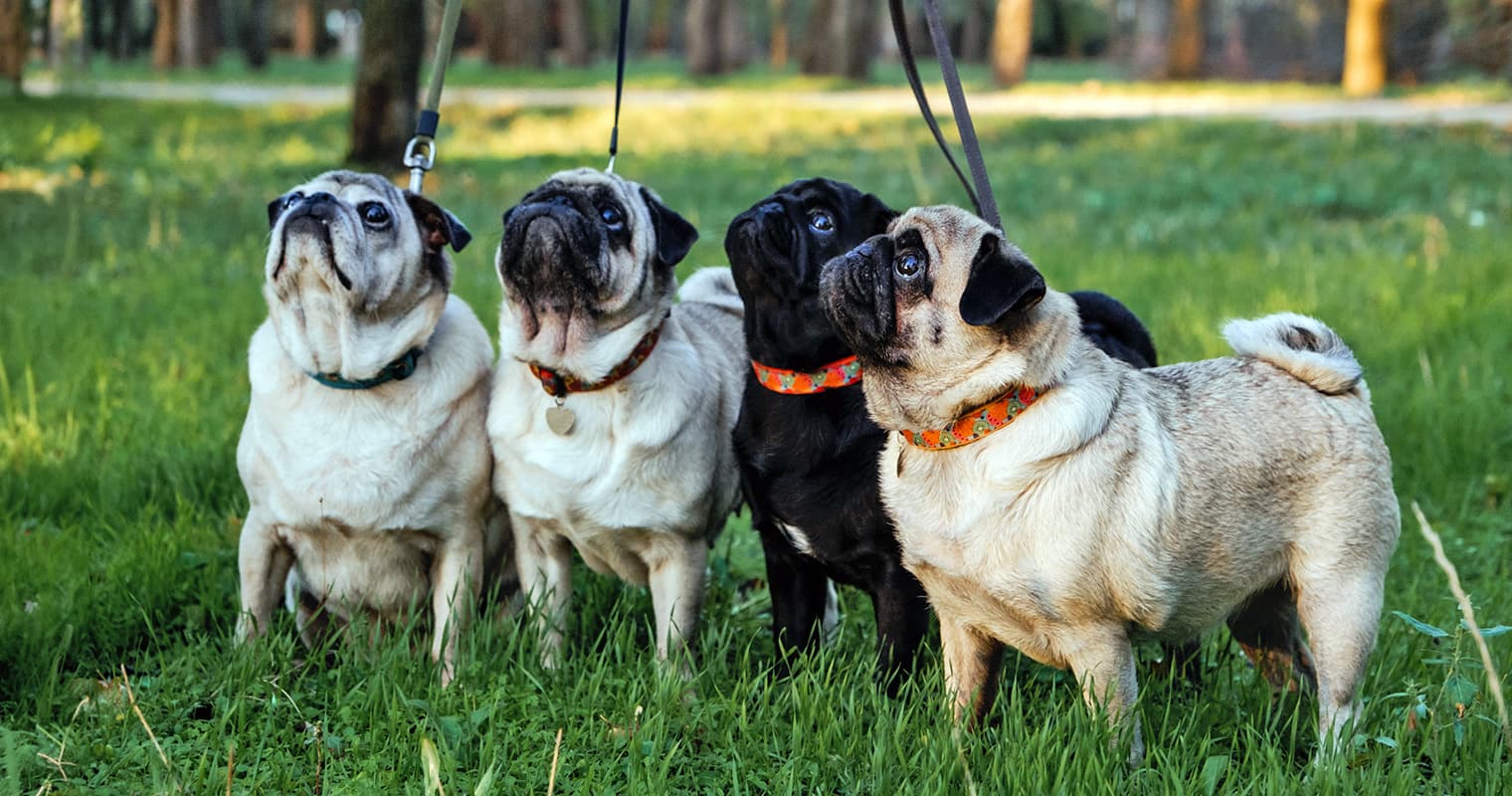
Pugs have a way of winning people over quickly. Their wrinkly faces, goofy personalities, and affectionate nature make them hard to resist. But while Pugs are a great fit for some households, they’re not right for everyone. Taking the time to research Pugs — as well as other breeds — before adopting them can help you find a dog who truly fits your lifestyle and expectations. To help you get started, we’ve rounded up several breeds similar to Pugs.
These dogs — and plenty of mixed-breed pups in shelters — offer many of the same lovable traits. But they do offer meaningful differences in energy level, care needs, or health considerations that may make them a better match for your lifestyle.
Find your new best friend by browsing Adopt a Pet or visiting local shelters and rescues to meet adoptable pups.
Although the French Bulldog and Boston Terrier are the most well-known look-alikes, breeds such as the Japanese Chin and Brussels Griffon share the Pug’s intense Velcro dog loyalty.
Most Pug-like breeds are brachycephalic (flat-faced), meaning they require specific care in hot weather and a careful eye on their respiratory health.
Adopting an adult Pug mix is a great way to find a dog with a predictable, calm personality while potentially avoiding some of the health extremes of purebred lines.
These breeds are often affectionately referred to as “clowns” or “shadows” because they thrive on human interaction and have joyful, fun-loving approaches to family life.
Tymoshenko Olga / Shutterstock
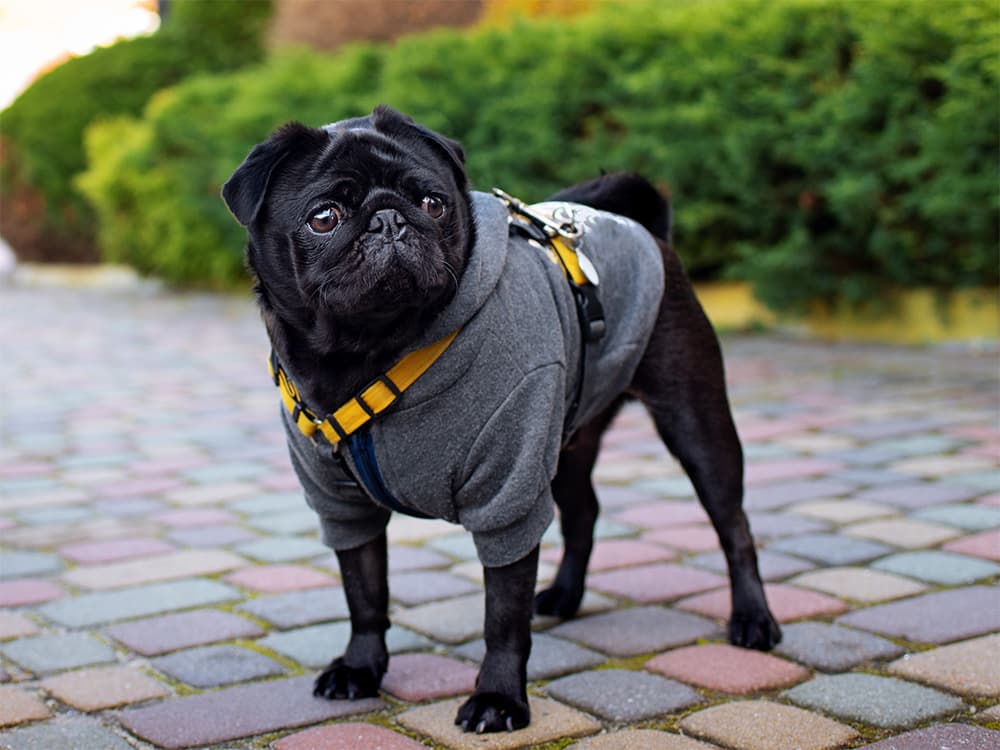
Pugs were originally bred in ancient China as companion animals and lapdogs for emperors and noble families. Today, that companion role still defines them, except now, they’re happily curled up in the laps of everyday pet parents.
Here are some basics about Pugs.
Height: 10 to 13 inches
Weight: 14 to 18 pounds
Coat: Short and smooth, with low grooming needs but relatively high shedding
Temperament: Playful, goofy, mischievous, friendly, and affectionate
Lifespan: 13 to 15 years
So what makes a dog “Pug-like”? It’s usually a combination of appearance and personality. Here are the top traits.
Pug-like dogs are typically toy to small in size, with sturdy, compact builds. Their smaller size makes them well-suited for apartments or homes with limited space.
These dogs are naturally warm, loving, and people-oriented. They usually enjoy cuddling, attention, and being part of everyday activities.
Many Pug-like breeds are quintessential Velcro dogs, forming very strong attachments with their people and following them from room to room. Because they bond deeply with their people, they don’t enjoy being left alone for long periods.

Looking for a devoted dog? These breeds and mixes won’t let you out of their sight.
Pug-like dogs are often described as goofy, clownish, charming, and full of personality. They bring a light, fun-loving energy to the home and tend to be very expressive.
These dogs generally have low to moderate energy. Although they don’t need intense exercise, they still require short daily walks, playtime, and mental engagement to stay happy and healthy.
Many Pug-like breeds are gentle, social, and patient with children and other dogs, making them great fits for families with kids.
Ivan Babydov / Pexels
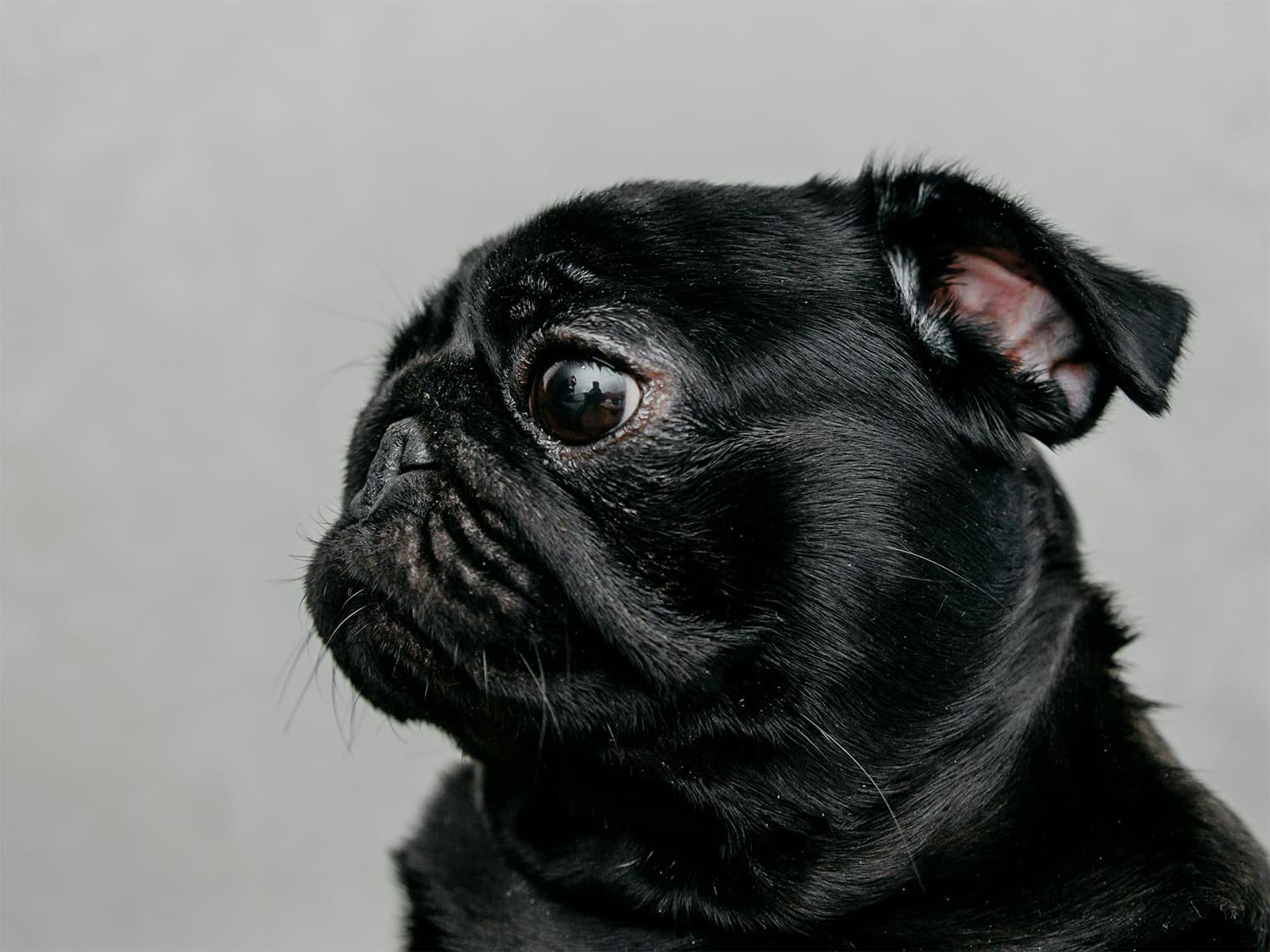
Pugs (and many similar breeds) are brachycephalic, meaning they have shortened, flat-faced skulls. While this gives them their signature “smooshed face” appearance, it can cause breathing issues (Brachycephalic Obstructive Airway Syndrome) and heat sensitivity. Because of this, flat-faced dogs should be kept cool and avoid strenuous activity, especially in warm weather.
Brachycephalic breeds also tend to have facial wrinkles that must be kept clean and dry. Otherwise, moisture and debris can become trapped in the folds, leading to irritation or infection.
For some pet parents, managing these issues is a small price to pay for a wonderful dog. Others may prefer a dog without a flat face or with less extreme features.
Let’s take a look at several dog breeds who share one or more of the Pug’s key traits.
Shutterstock
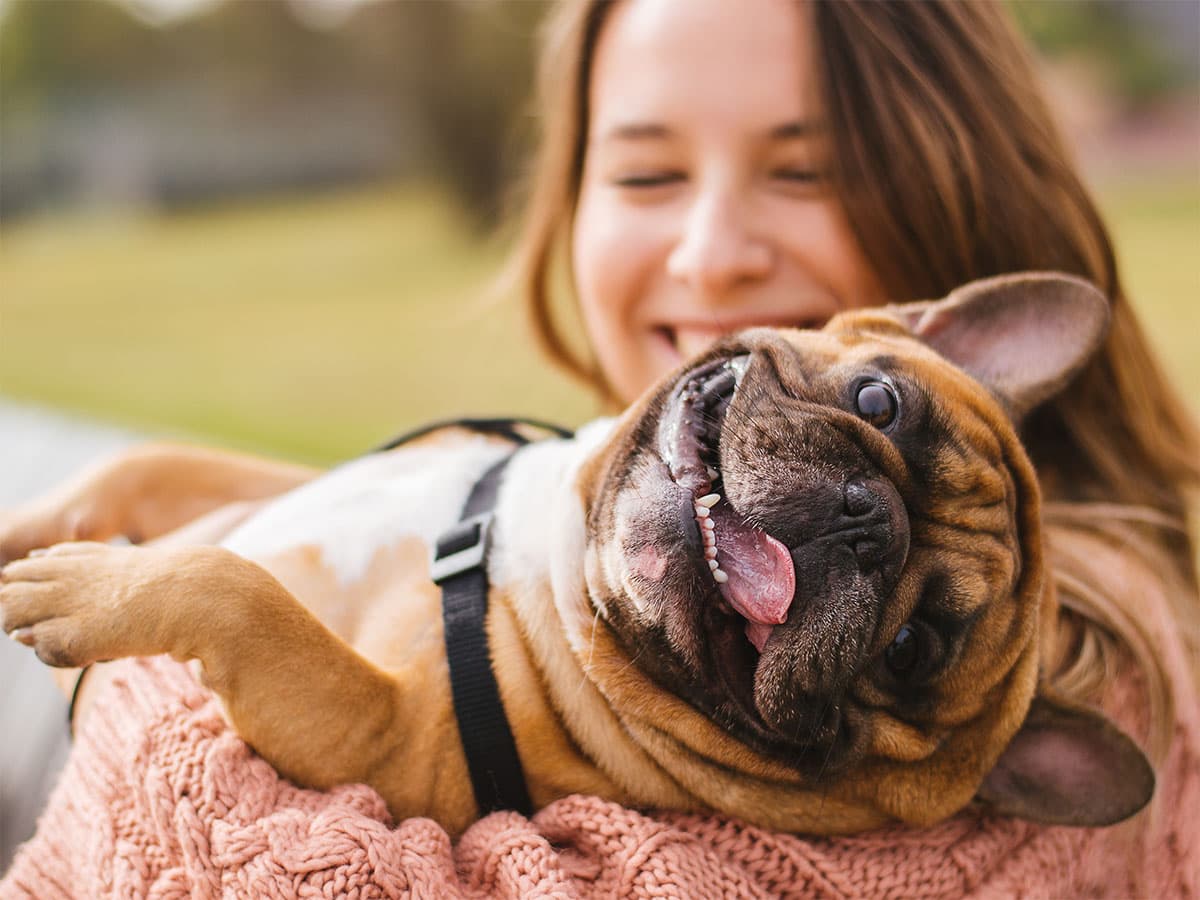
Pugs and French Bulldogs (aka Frenchies) have a lot in common, including their small size, affectionate personalities, and flat faces, which put them at higher risk for breathing issues.
In terms of differences, Frenchies typically have fewer facial wrinkles, which means less maintenance. Frenchie mixes also tend to be bigger, have more muscle, shed less, and be a bit more laid-back.
Height: 11 to 13 inches
Weight: 16 to 28 pounds
Best for: Pet parents looking for a Pug-like dog who sheds less and is a bit more laid-back
Aleksandra Jankovic / Stocksy
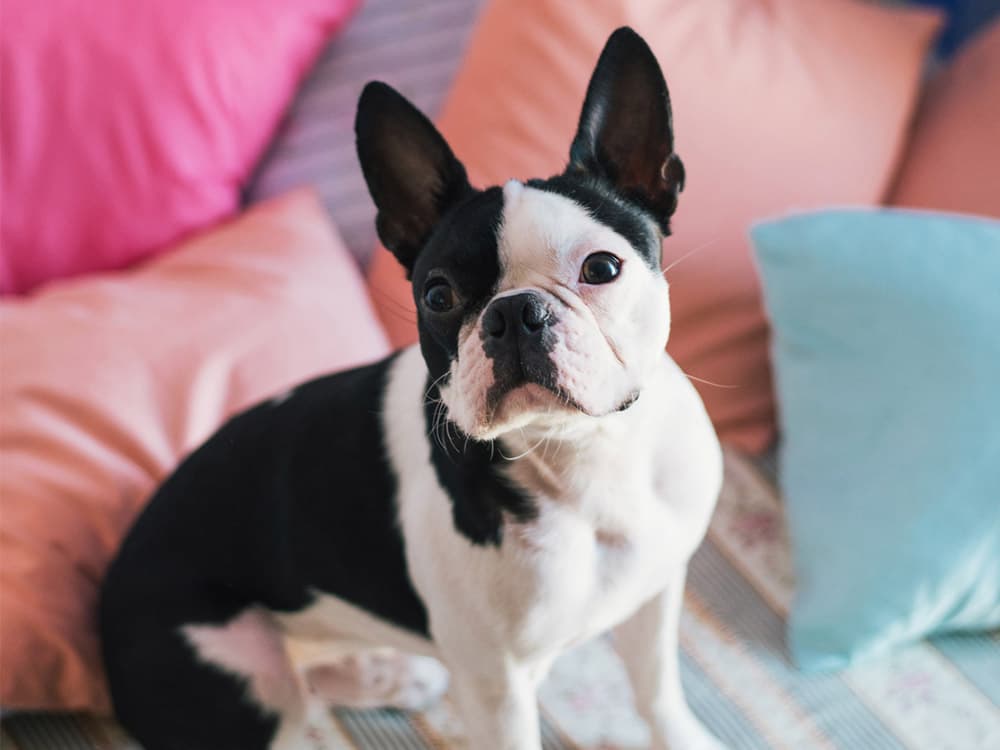
Boston Terriers share the Pug’s compact size and affectionate, loyal, and social nature. However, they tend to be bigger, more athletic, and energetic. Although Boston Terriers are also a flat-faced breed, their features are less extreme, so they typically have fewer breathing issues.
Height: 15 to 17 inches
Weight: 12 to 25 pounds
Best for: Pet parents who want a Pug-like dog with a bit more energy and athleticism, with fewer breathing concerns
Alex Master / AdobeStock
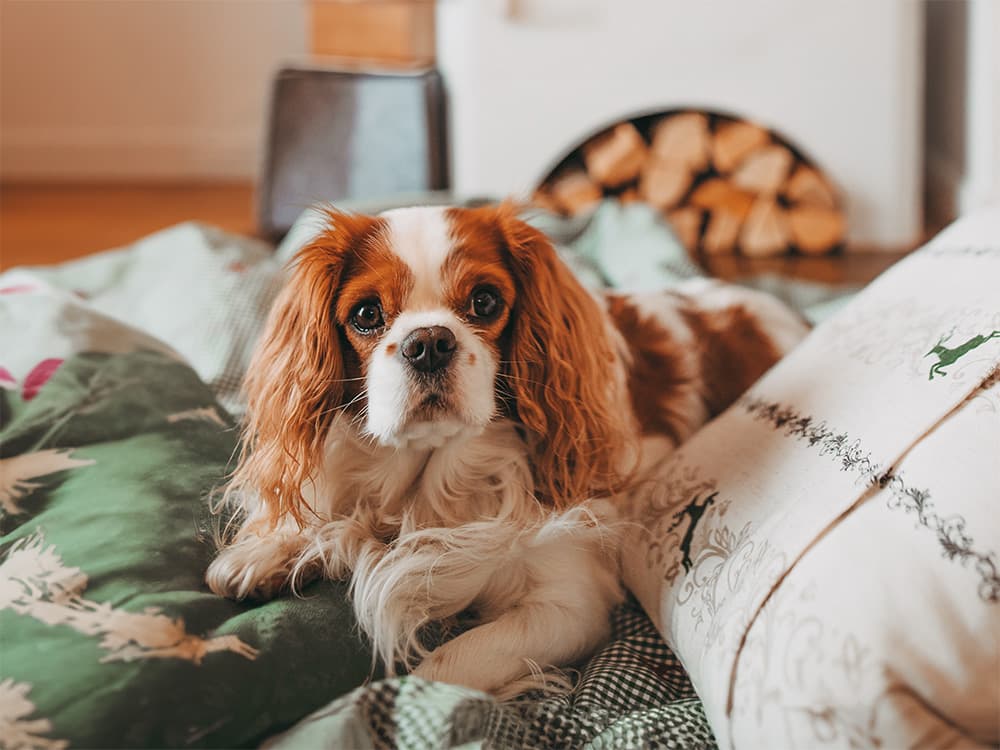
Both Cavalier King Charles Spaniels and Pugs are affectionate, social breeds of similar size who love the lapdog life. As with Pugs, Cavaliers are flat-faced — however, their less extreme facial structure reduces their risks of breathing issues. That said, Cavaliers are at high risk for heart disease (specifically, mitral valve disease).
Cavaliers’ long, silky coats need regular grooming, while Pugs’ coats are short and easy to care for. Cavaliers are generally more laid-back, while Pugs are more playful and mischievous.
Height: 12 to 13 inches
Weight: 13 to 18 pounds
Best for: Pet parents seeking a Pug-like dog with a more laid-back temperament and a longer coat
Lelechka / Shutterstock
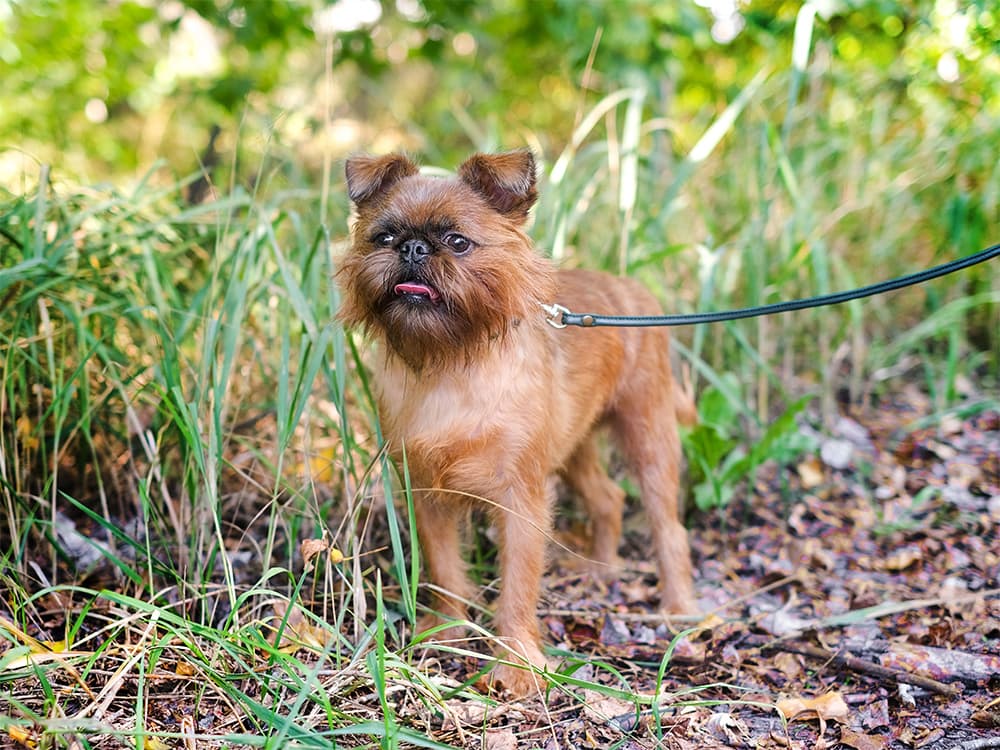
The Brussels Griffon and Pug are related breeds with similar traits. Both form strong bonds with people, have big personalities, and are known for large, expressive eyes. While also flat-faced, Brussels Griffons have less extreme features and usually fewer breathing issues.
Brussels Griffons are also typically shorter, lighter, and less wrinkled than Pugs. They may have either a wiry or smooth coat — ranging from short to medium in length.
Height: 7 to 10 inches
Weight: 8 to 12 pounds
Best for: Pet parents who want a Pug-like dog with fewer breathing issues
Tierfotoagentur / Alamy Stock Photo
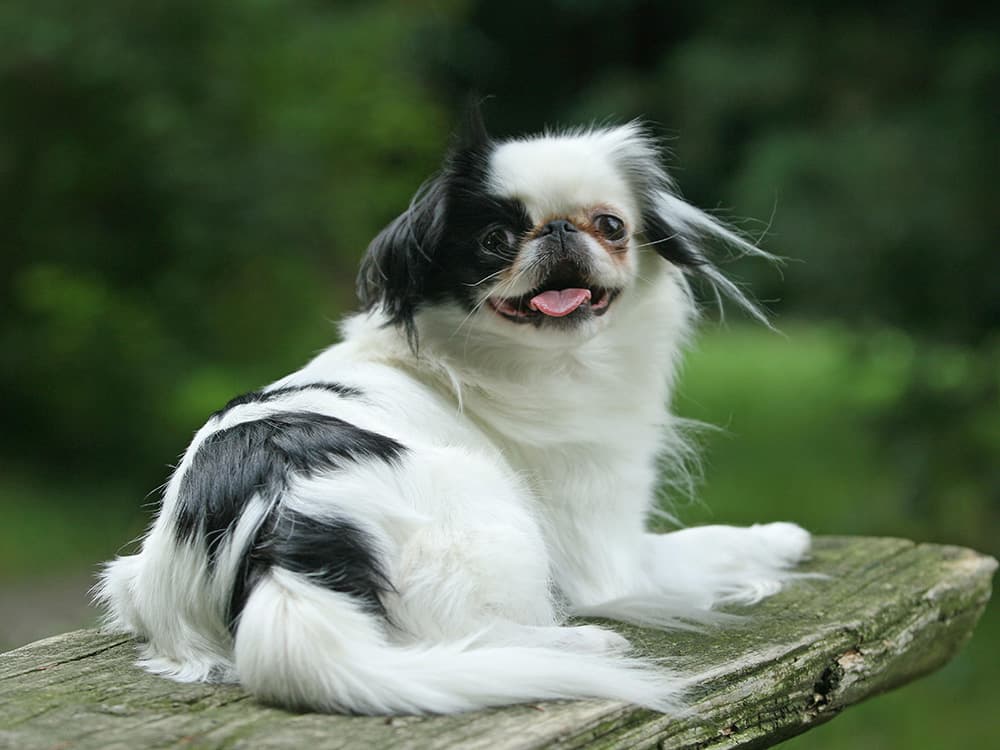
The Japanese Chin is another small, affectionate, flat-faced breed from ancient Asia. As with Pugs, the majority experience breathing concerns to some degree.
Compared to Pugs, Japanese Chins tend to be smaller, have soft, medium-length coats, and fewer facial wrinkles. They’re often quieter and more cat-like in their behavior, preferring to lounge and observe. Chins are also typically a bit less trainable than Pugs and may not be as tolerant of children.
Height: 8 to 11 inches
Weight: 7 to 11 pounds
Best for: Pet parents looking for a smaller, more independent Pug-like dog with a longer coat
everydoghasastory / Shutterstock
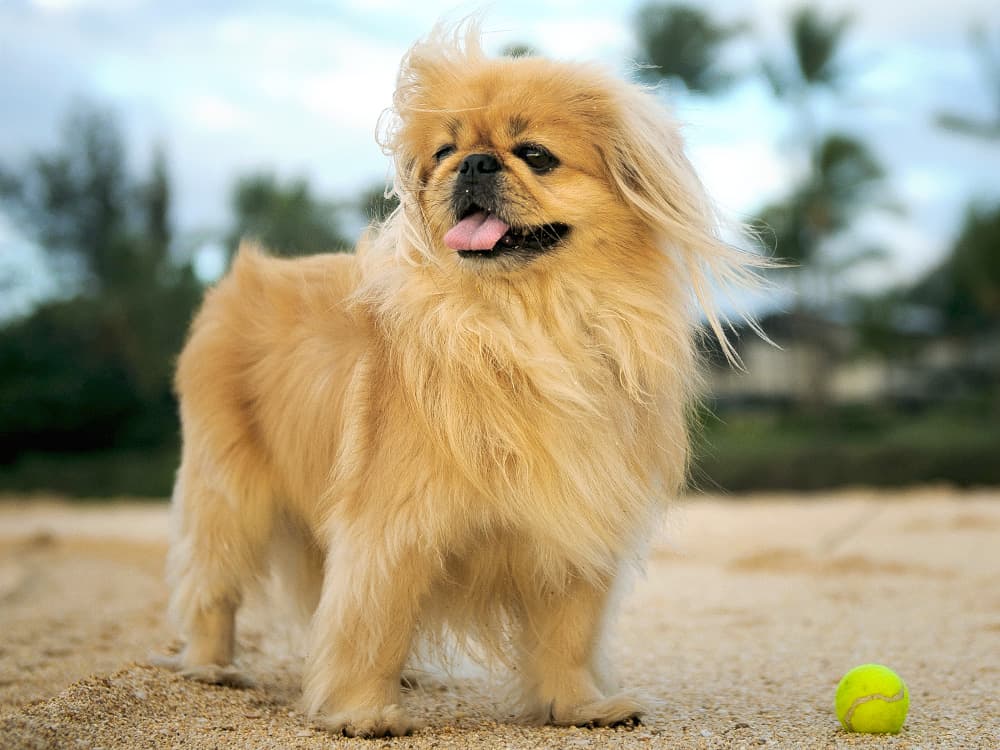
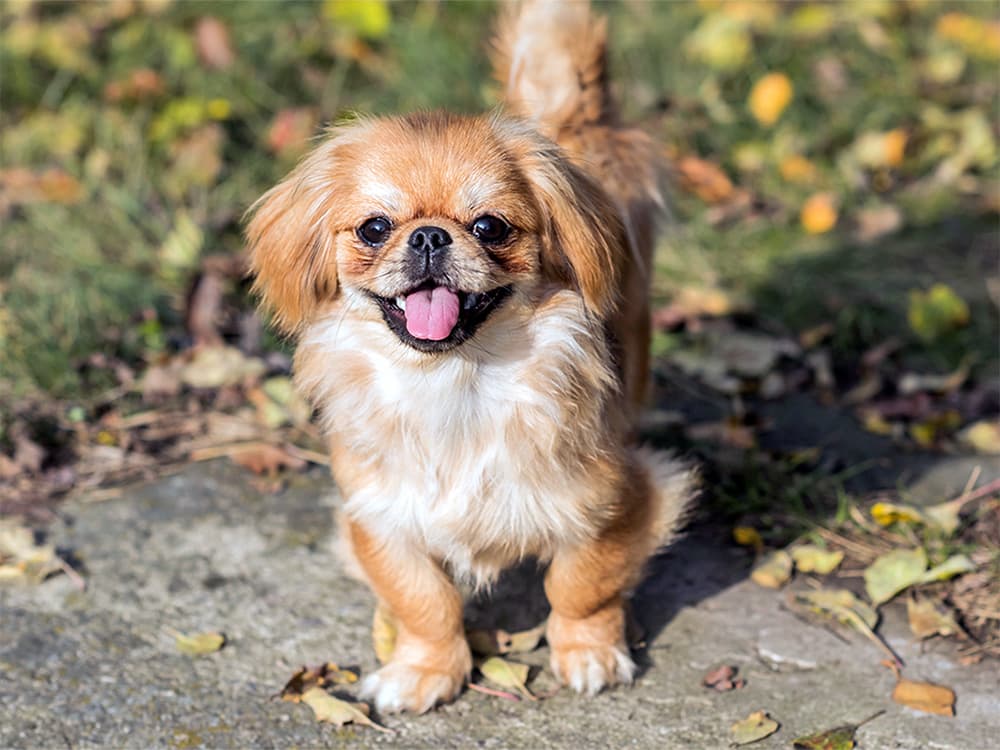
As with Pugs, Pekingese were originally bred as companion animals for China’s ruling class. These affectionate, loyal dogs also have a high risk of breathing issues due to their flat faces.
In terms of differences, Pekingese have long, double coats that require regular grooming. They also tend to be more independent, dignified, and less tolerant of children and other dogs.
Height: 6 to 9 inches
Weight: Up to 14 pounds
Best for: Pet parents seeking a smaller, more independent Pug-like dog with a longer coat
kkgas / Stocksy
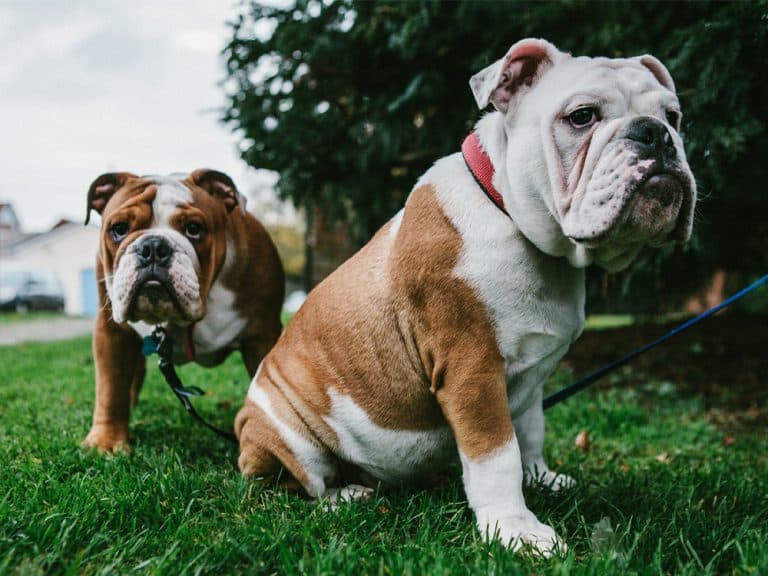
Pugs and English Bulldogs are both affectionate, flat-faced breeds with lots of facial wrinkles, requiring careful heat management and regular cleaning. Pugs are considerably smaller, more energetic, and more mischievous, while English Bulldogs are larger, more muscular, and notoriously laid-back.
Height: 14 to 15 inches
Weight: 40 to 50 pounds
Best for: Pet parents looking for a Pug-like dog who is larger and exceptionally easygoing
Drazen / AdobeStock
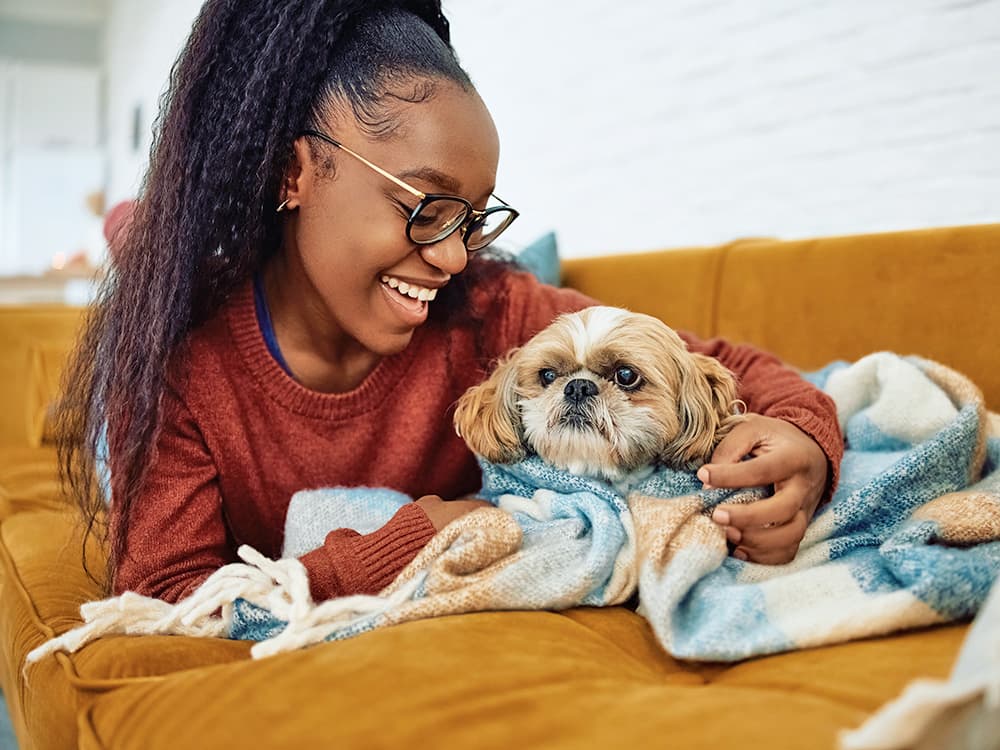
Shih Tzus and Pugs are affectionate, people-loving dogs. Although they both get along with most people, they differ in several ways. Shih Tzus have less extreme flat faces, so they usually have fewer breathing problems. They are also typically more refined, calm, and lower shedding. But they do require frequent grooming for their long, double coat.
Height: 9 to 10.5 inches
Weight: 9 to 16 pounds
Best for: Pet parents who want a long-haired, Pug-like dog who’s a bit calmer and more refined
Ekaterina Gorokhova / iStock
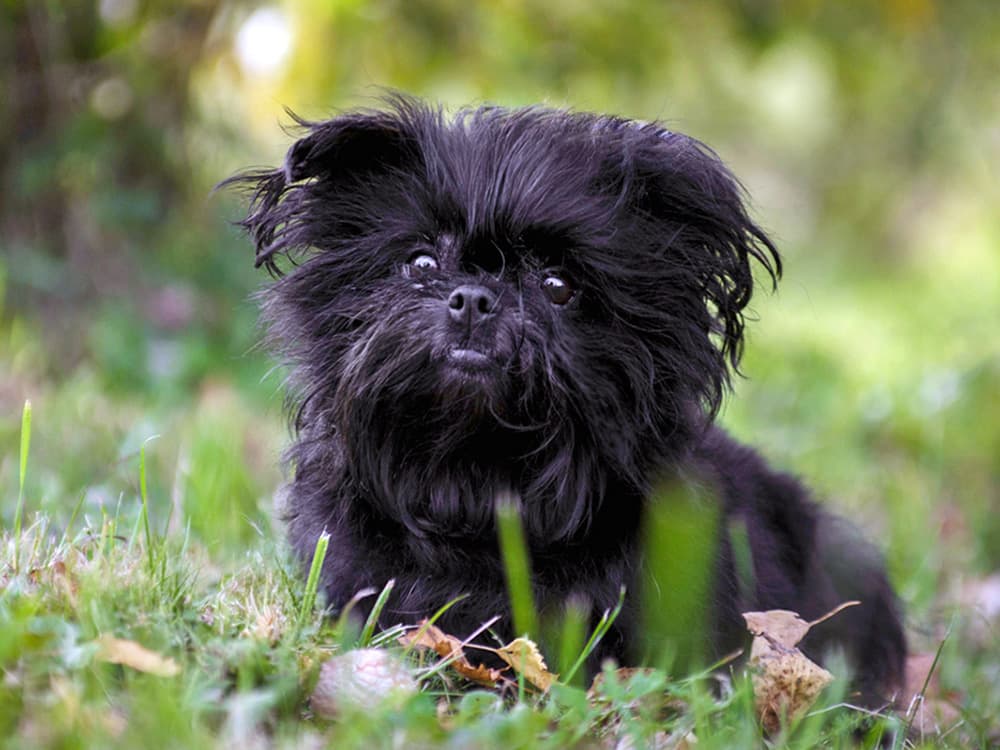
Originally bred to hunt rats and mice in stables, Affenpinschers eventually charmed their way into homes thanks to their playful antics and big personalities. Like Pugs, they’re small, flat-faced dogs. However, they tend to have a lower risk of breathing issues. Affenpinschers are also typically more fearless and active than Pugs, and are often described as human-like in their expressions and behavior.
Height: 9 to 11.5 inches
Weight: 7 to 10 pounds
Best for: Pet parents who want a fearless Pug-like dog with a lower risk of breathing issues
T.Den_Team / Adobe Stock
Like Pugs, Tibetan Spaniels are affectionate companion dogs who form close bonds with their people. They’re known for their silky, medium-length coats and a distinctive “lion’s mane” around their necks. Compared to Pugs, they tend to be more alert, agile, and independent, often acting on their own whims.
Height: 10 inches
Weight: 9 to 15 pounds
Best for: Pet parents who want a Pug-like dog who is more agile and a bit more independent
treetstreet / Adobe Stock
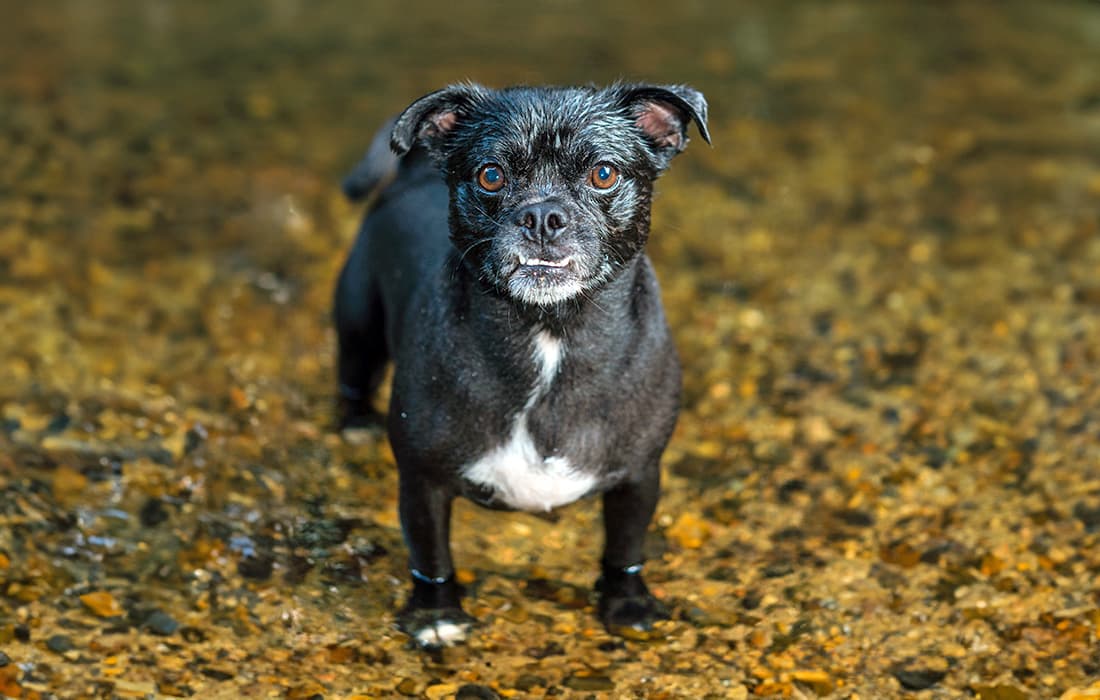
Many Pug mixes can be found in shelters and rescues. Common examples include “Puggles” (a Pug and Beagle mix) and Chugs (a Pug and Chihuahua mix). Puggles tend to be more athletic and active than purebred Pugs, while Chugs are often smaller and more energetic. With mixed-breed dogs, you may also see fewer breathing issues than in purebred Pugs, if they inherit a slightly longer muzzle.
Because mixed-breed dogs make up the majority of shelter populations, visiting them in person gives you the chance to meet several dogs and get a sense of their personalities. You might be surprised to find a Pug mix (or another mixed-breed dog) who offers that classic Pug charm, but with a temperament, activity level, or care needs that are a better fit for your lifestyle.
Height: Varies
Weight: Varies
Best for: Anyone open to finding the right personality match
Before bringing one of these adorable dogs home, it’s important to understand their care needs and daily lifestyle requirements.
Exercise needs: Most Pug-like breeds need about 30 to 60 minutes of exercise daily. Because many are brachycephalic (flat-faced), this is best achieved through low-impact, consistent activity, such as two or three 15- to 20-minute walks, rather than intense or long exercise.
Heat tolerance: Their flat faces make them sensitive to heat and humidity. So they should be kept cool and avoid strenuous activity, especially in warm weather.
Breathing quirks: Snoring, snorting, and other breathing-related quirks are common due to their flat faces.
Social needs: Many of these dogs do best in homes where someone is around most of the time to provide care and attention.
Pug-type dogs are sometimes surrendered to shelters and rescues (or rehomed) due to mismatched expectations. Although they’re affectionate and charming, their health needs or attachment levels can be more than some pet parents anticipate. In other cases, lifestyle changes or medical costs make it difficult to continue caring for them.
The upside is that many of these same traits — loyalty, affection, and a love of people — make them incredibly rewarding to adopt. Many thrive quickly once they’re in a stable, loving home and will become your best buddy.
To find a Pug or similar breed, start with a search of Adopt a Pet’s database using breed filters. This will show you dogs available for adoption from shelters, rescues, and individuals in your area. Keep an open mind about mixed-breed dogs, who can offer many of the same positive personality traits as a purebred dog.
If you don’t see the pup you’re looking for, set up a New Pet Alert to be notified whenever new pets who match your criteria are listed on Adopt a Pet.
French Bulldogs and Boston Terriers are often considered the closest matches in both appearance and personality.
Some breeds — like Boston Terriers, Affenpinschers, Shih Tzus, and certain mixed breeds — may have less extreme brachycephalic traits, and consequently, a lower risk of breathing problems. But all flat-faced dogs require special care and monitoring.
No, shedding varies widely. Some breeds shed heavily, while others (such as Shih Tzus) require more grooming but shed less.
“Pug” Adopt a Pet, www.adoptapet.com/dog-breeds/pug.
“Pug.” VCA Animal Hospitals, vcahospitals.com/know-your-pet/dog-breeds/pug.
Young, Amy, et. al. “Brachycephalic (Short-Nosed) Dogs.” UC Davis School of Veterinary Medicine - Animal Health Topics, 25 Sept. 2023, healthtopics.vetmed.ucdavis.edu/health-topics/brachycephalic-short-nosed-dogs.

Katie Koschalk is a freelance writer based in Northern California. Fusing her love and knowledge of animals with her journalism degree and years of professional writing, Katie is dedicated to improving the lives of pets and their caretakers by sharing helpful and accurate information. When she’s not at her desk, you can find her exploring trails with her Aussie, Hunter, cooking plant-based meals, and talking to her two cats, Jax and Sadie, in really ridiculous voices.
Breed Info

Breed Info

Breed Info
Breed Info
From Pugs to French Bulldogs, squishy-face dogs are pretty hard to resist. Here is your guide to these loving, adorable breeds.

Breed Info
Are you thinking of adopting a small dog? Learn more about small dog breeds and what it takes to keep them happy.
Breed Info
These low-maintenance breeds make great pets for busy professionals, first-time pet parents, and seniors.

Breed Info
Cute, amiable, and easy to care for — what’s not to love about these highly adoptable Beagle mixes?

Breed Info
Looking for a chill companion? Here are some low-energy dogs who love a relaxed lifestyle.