10 Fluffiest Cats & Kittens for Lovers of Long-Haired Felines
If you’re a fan of floof, we’ve got some suggestions for you that also consider a cat’s personality and care needs.
If you’re a fan of floof, we’ve got some suggestions for you that also consider a cat’s personality and care needs.
by Marianne Eloise, | August 3, 2026
Marco Govel / Stocksy
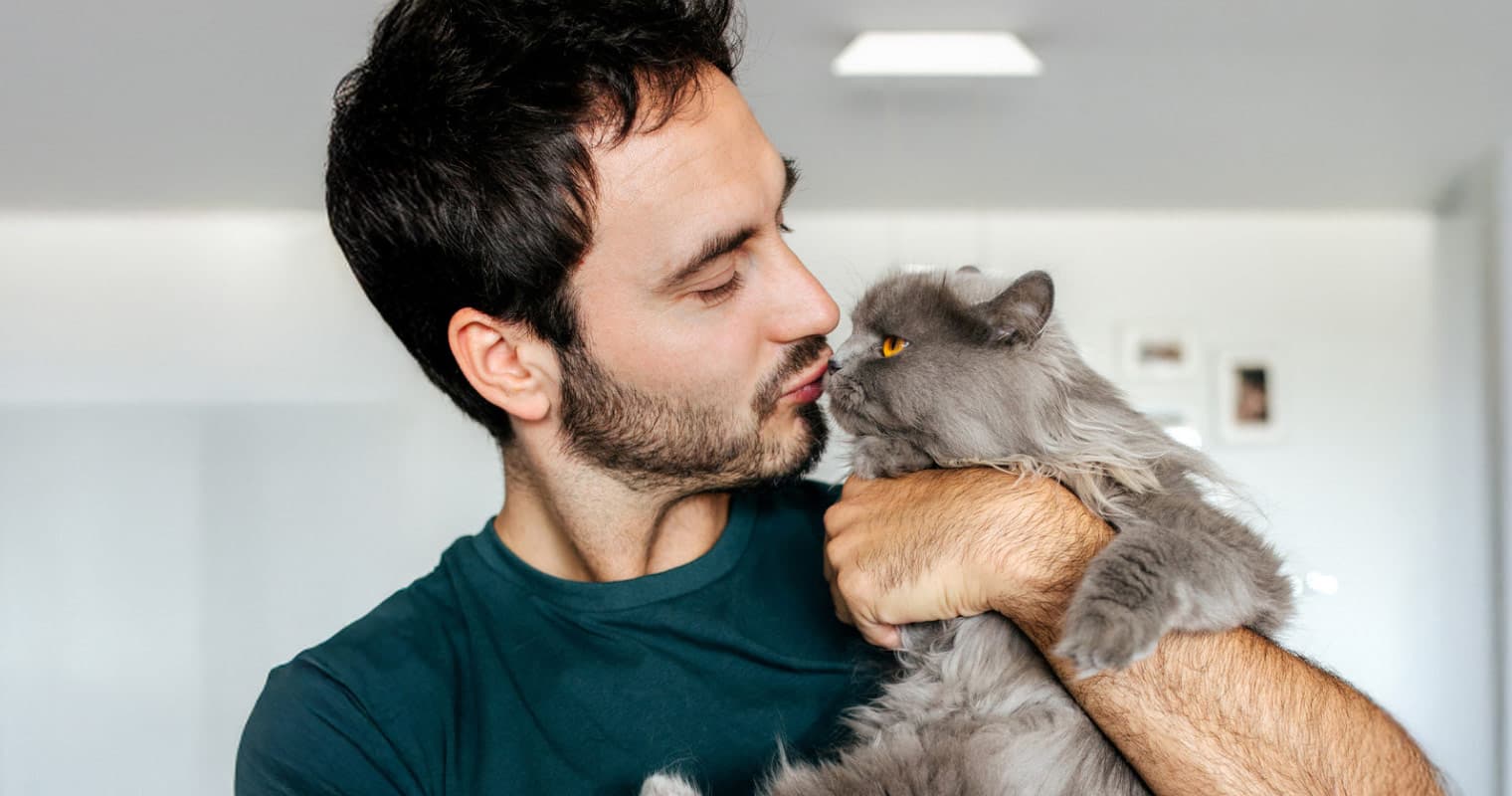
All cats are special for all kinds of different reasons, but some pet parents specifically love fluffy cats for their adorable coats and gentle temperaments. Some of the most popular fluffy cat breeds include the Maine Coon, the Persian, the Ragdoll, and the Siberian. These breeds are known for their dense coats, cute faces, and affectionate personalities. However, they don’t stay beautiful all on their own. These cats require dedicated grooming routines. If left alone, their fur can get very matted, which can cause issues for the cat. Angela Murdock is a professional groomer and founder of Meowser Pet Salon. She says that matting can be painful, especially when it is tight and extensive. Matting can also hide wounds and skin conditions, and in more severe cases, even hide a cat’s physical condition. “Matting can also in itself be a sign of underlying illness, including dental issues, kidney disease, and so on. A cat who doesn’t feel good or has a painful mouth won’t groom themselves well and may develop matting,” she says. If you want to bring one of these beautiful cats into your life, here’s everything you need to know about their care to avoid issues like matting.
Fluffy cat breeds such as the Maine Coon and Persian are beloved for their soft coats and gentle temperaments.
That desired fluffiness often comes from a cat’s dense double coat.
Double coats can require a significant grooming commitment, both by parents and groomers.
Some purebred fluffy cats are prone to specific genetic issues, such as hypertrophic cardiomyopathy (HCM) and brachycephaly.
Most Domestic Shorthair cats have just one thin, single coat for insulation. Their fur tends to be quite easy to groom, under one-and-a-half inches, and doesn’t shed very much. Fluffy cats, on the other hand, tend to have a thick undercoat for insulation. This requires more grooming and gives them their adorable fluffy look.
miezekieze / Pixabay
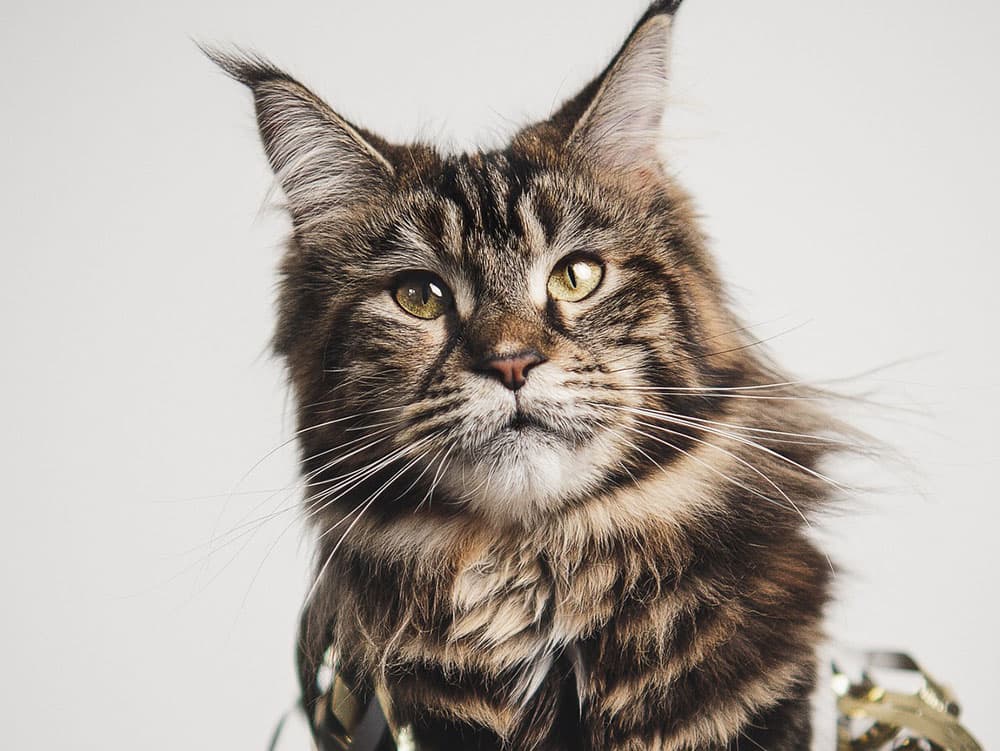
The first thing you’ll notice about a Maine Coon is how huge they are. Like, really huge. They can weigh as much as 25 pounds, which is more than twice the weight of the average cat. If you’re planning on bringing this so-called “gentle giant” into your home, know that they make great family pets. The Maine Coon is very intelligent and affectionate and can pick up tricks easily. You should brush your Maine Coon every two to three days, making sure to get rid of as much loose hair and skin as possible.
Ekaterina Bolovtsova / Pexels
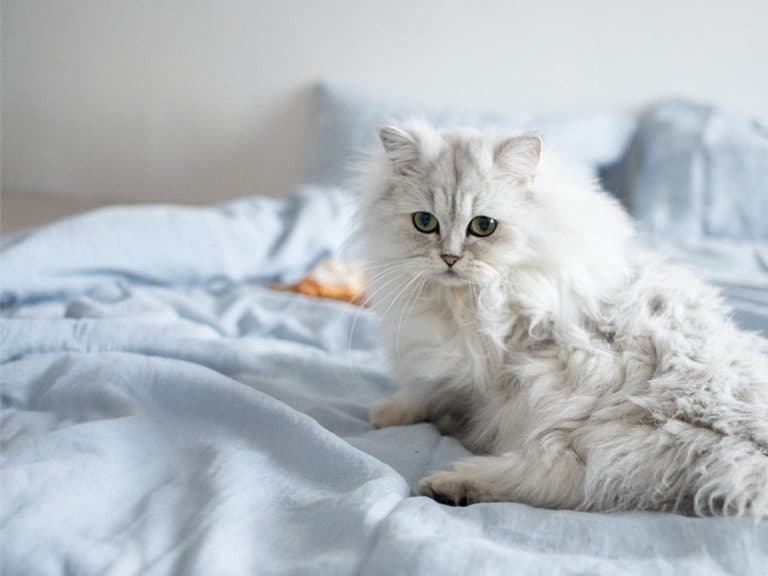
The Persian longhair is immediately recognizable for their round face and relatively flat muzzle. This face, while cute, can be the cause of breathing difficulties for some, so you should consult your vet if you have a Persian. The Persian is known as a lap cat because they often make such great, friendly pets and fit in immediately in families. They are very docile and rarely get irritated, which makes them perfect for homes with children. They will need regular grooming as well as brushing at home.
Kit / Rehome by Adopt a Pet
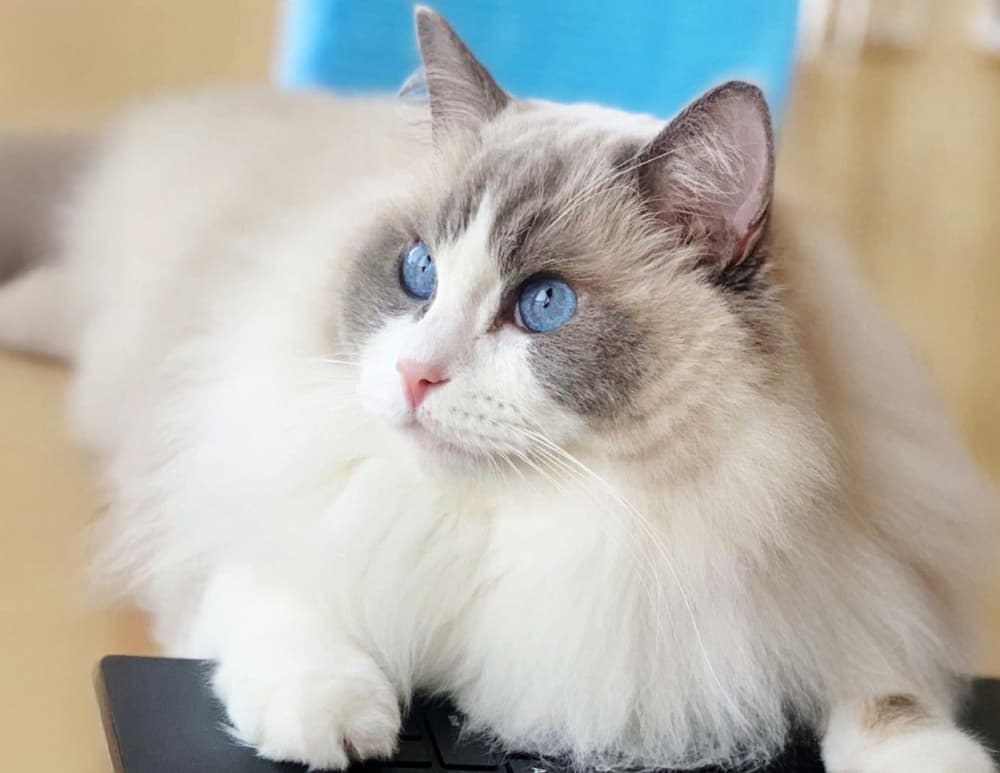
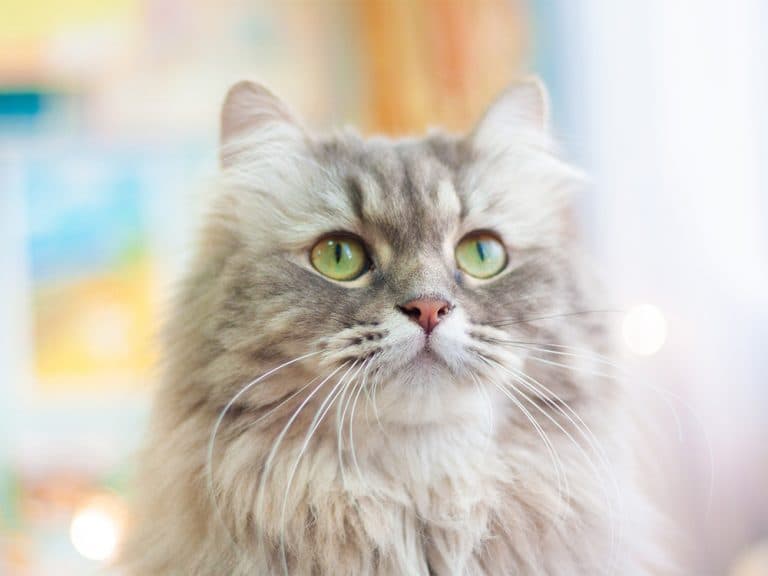
If you’ve ever come across a Ragdoll cat, you know exactly why they’re called that. As soon as you try to pick them up, they just go floppy and let you cuddle them. That makes them great family pets, as they also have great personalities and love being around people. When it comes to grooming, you need to make sure they don’t get matted by establishing an at-home combing routine as well as taking them to a groomer regularly.
Lydia Koh / Unsplash
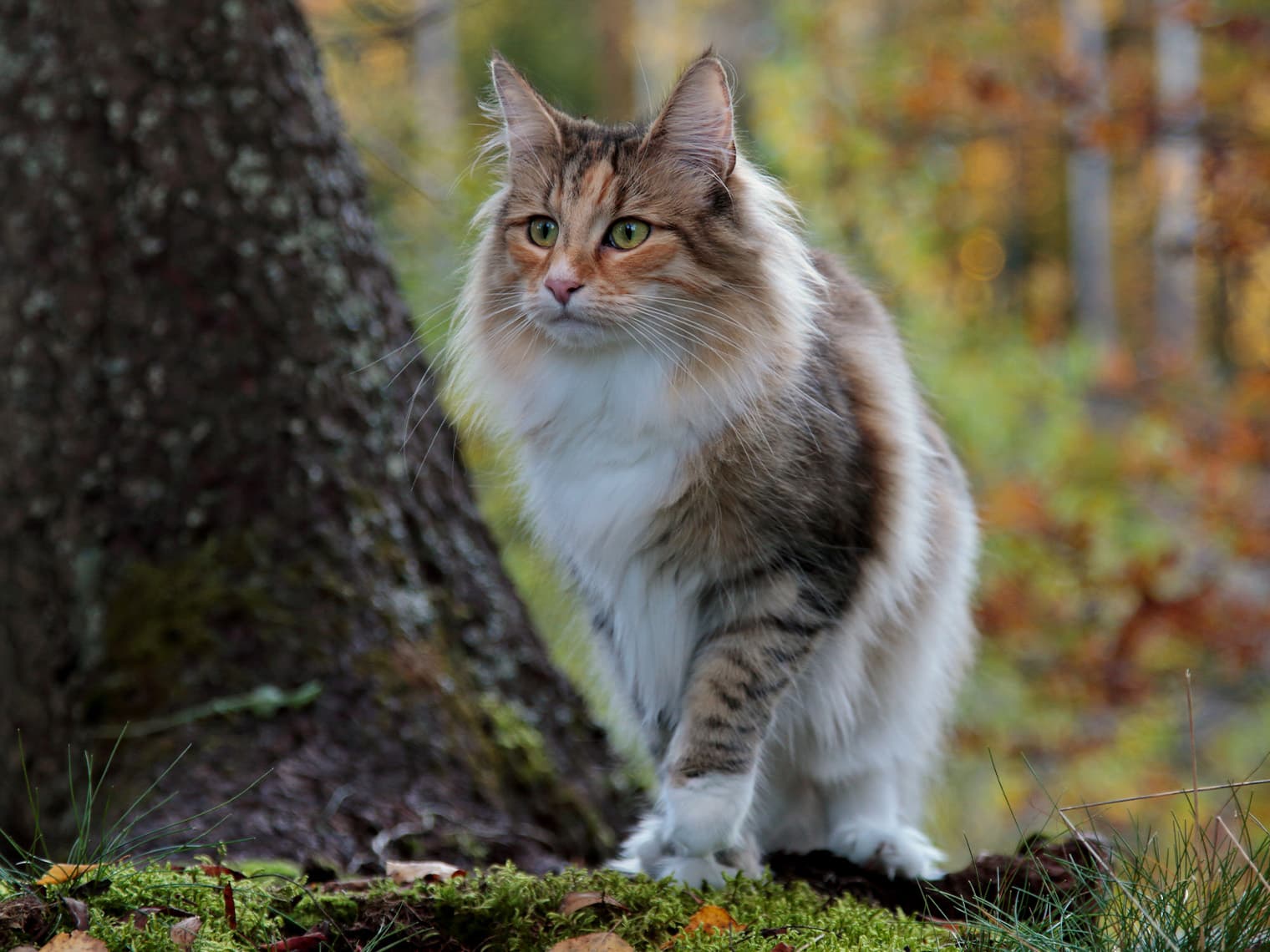
The Siberian is a breed of cat from Russia who has been around for many years. Their formal name is the Siberian Forest Cat, which makes them sound very majestic. They’ve been around for so long that they even appear in Slavic folktales, but it wasn’t until 2006 that they became a formally registered breed. They have more than a double coat: In fact, they have all three natural types of feline fur (guard hair, awn hair, and down hair). These fur types form a dense triple coat, which is water-repellent to protect the cat from difficult weather. It can take several years for their coat to fully form, but when it does, it is really impressive. They need regular grooming and molt twice a year.
Elisa Putti / Shutterstock
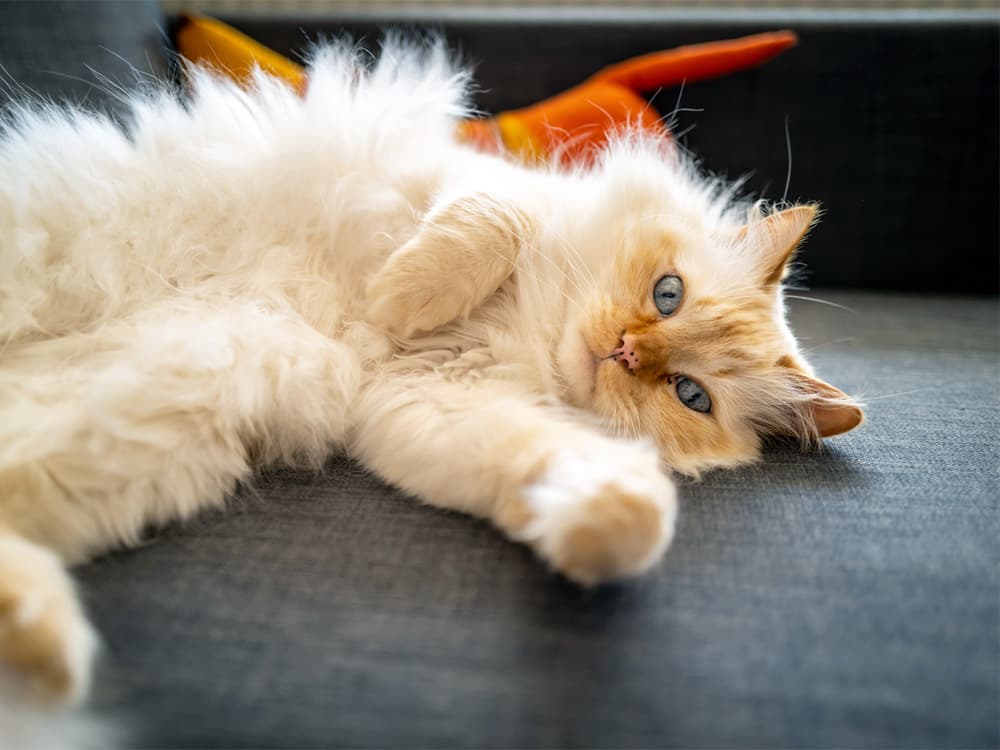
The Norwegian Forest Cat, as you might expect, is very suited to a Nordic climate. They have both a glossy topcoat and a thick undercoat for insulation. They almost became extinct during World War II, but have since recovered. As a pet, they are very sweet, easygoing, and even sociable, which makes them great companions at home. Their dense fur is water-resistant, so visiting a professional groomer every four to eight weeks is recommended by experts.
Pierre Aden / Shutterstock
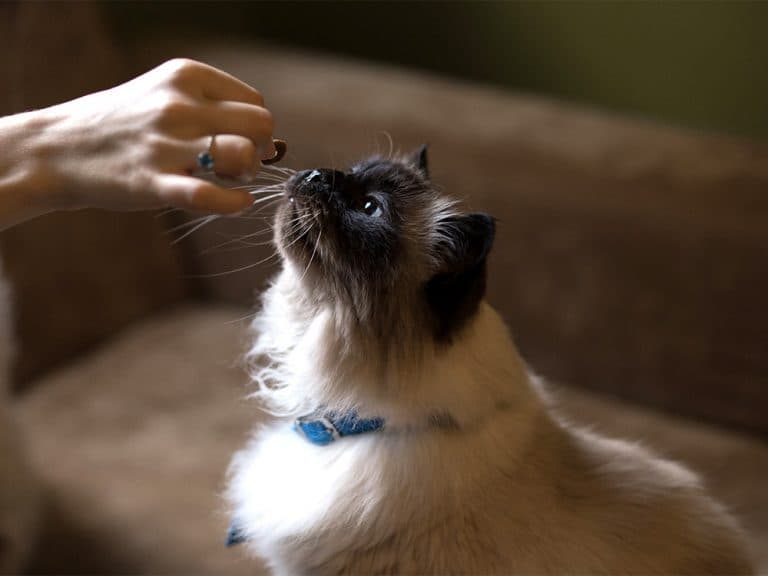
The Birman is a long-haired, color-pointed cat who originated in Burma. No clear record of their origin exists, but like many cat breeds, they were nearly wiped out during World War II. Although they are friendly, they do tend to attach themselves to one person — so they aren’t well-suited for bigger families, where everyone wants to give the cat attention. They can, however, get along very well with children. Their coat is pretty simple to take care of, and they just need brushing once or twice a week.
Joanna Malinowska / freestocks.org
The Himalayan cat, also known as the colorpoint Persian or the Himalayan Persian, was created by cross-breeding the Persian with the Siamese. They tend to resemble their Persian parent more than their Siamese one, particularly in their coat and coloring. They have a long and thick coat all over their body, making them look very cute and fluffy. They require regular grooming, and you should also be brushing them at home.
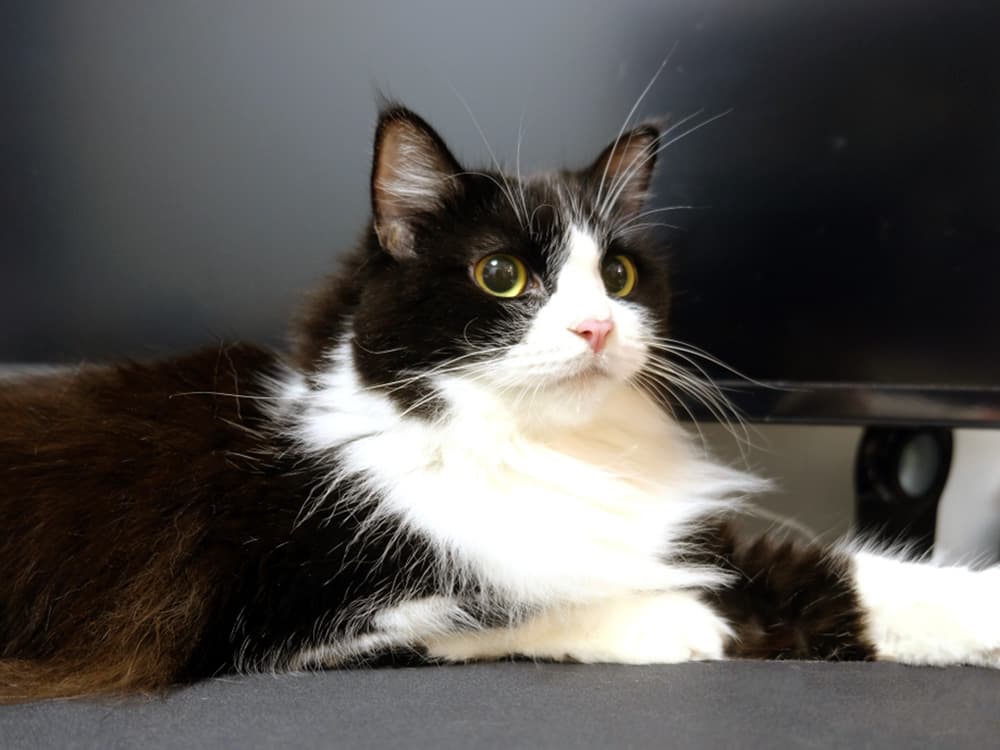
Kill_Baal / Shutterstock
The Ragamuffin, once considered a type of Ragdoll, was established as a separate breed in 1994. They are known for their very friendly personalities, just like the Ragdoll, but come in many more colors. Their coats are very plush in texture and require weekly grooming with a comb at home, but may also require regular grooming by an expert. As a pet, they’ll fit right into your family thanks to their sweet temperament.
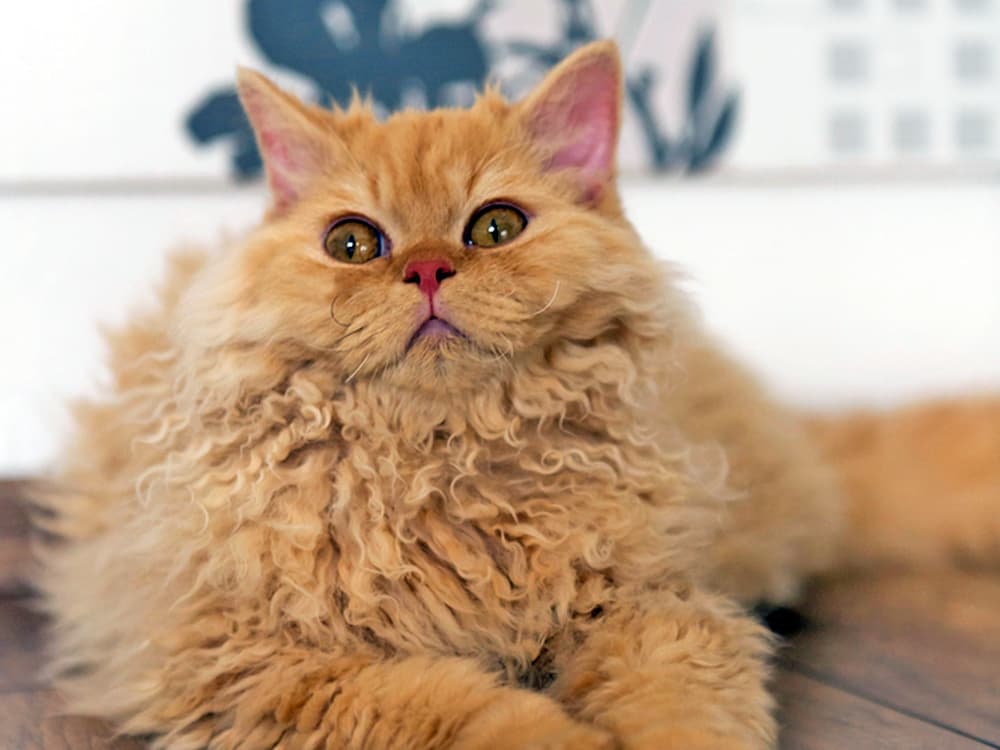
Heidi Bollich / Shutterstock
Although many breeds on this list have long, silky fur, the Selkirk Rex has a much more unique thing going on. Developed in the U.S. in the 1980s (initially by accident), the Selkirk Rex has beautiful, loose curls that come in many colors. They aren’t prone to many of the health problems that other long-haired cat breeds may be, and they have a very mellow temperament that makes them great companion cats. They’re known to get along with pretty much everyone.
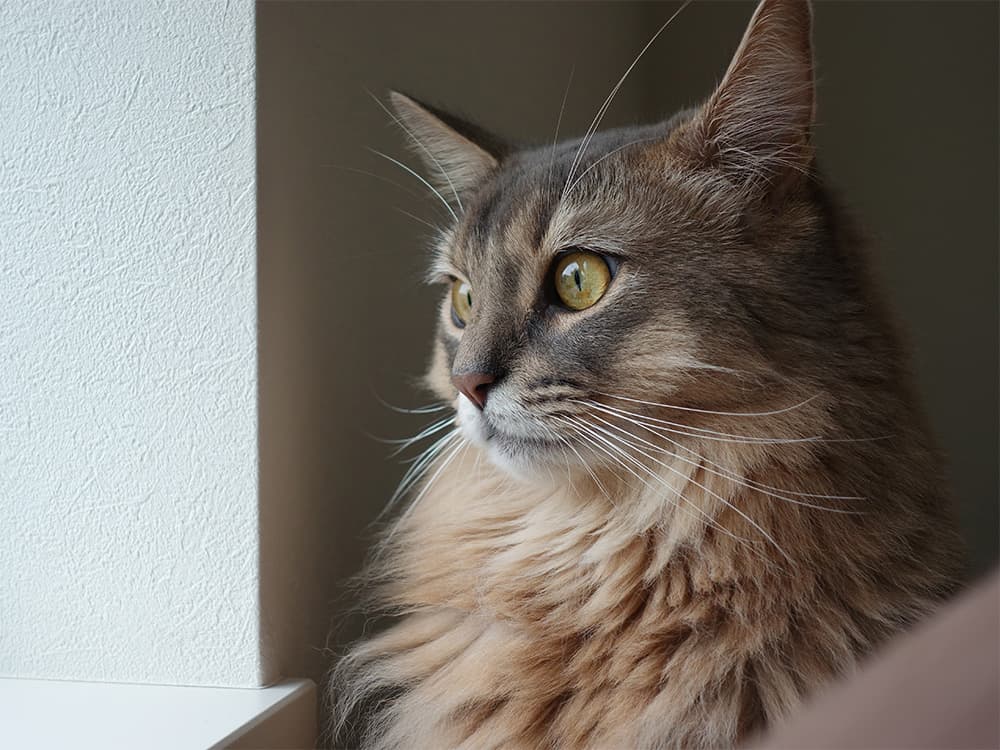
Kenta Wakatsuki / AdobeStock
The Somali cat, while genetically similar to the Abyssinian, has one key difference. Due to inheriting two copies of the gene for long hair, they have a very fluffy, dense coat. They were brought to the U.S. in 1953 but are still relatively rare worldwide. But if you have the opportunity to bring one into your life, they make great family pets. They are playful, sociable, and love to be active. Their coat isn’t particularly prone to tangles, but you should still try to brush them every week.
Some fluffy-coated cats tend to have health conditions not found in shorthair breeds. Brachycephalic breeds, such as the Persian and the Himalayan, look cute because of their flat faces, but this can also cause other health issues. They may have large protruding eyes, skull abnormalities that impact their jaws and teeth, and even breathing problems or obstructed airways.
Large, fluffy breeds, like the Maine Coon and Ragdoll, can also be genetically predisposed to hypertrophic cardiomyopathy (HCM), a disease in which the heart muscle thickens. It can cause serious health problems, so if you notice any symptoms, contact your vet immediately.
Wanwajee / Adobe Stock
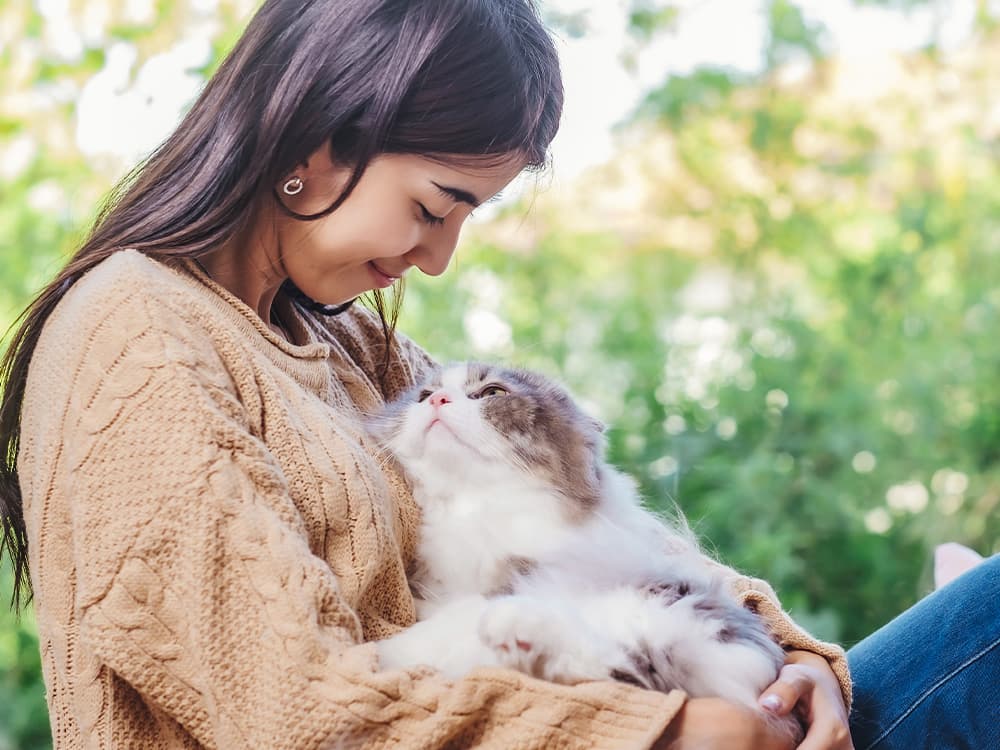
If you have a fluffy-haired cat, you should develop a good relationship with a local groomer who understands their needs. However, you can also prevent matted hair at home, Murdock says. “I highly recommend establishing a routine and making any home-based grooming a positive and rewarding experience with either play or treats. If a routine is established, then you can keep up on your kitty’s coat before they get matting.”
You should never wait until you see matting. At that point, it will likely be quite serious. Some cats struggle to groom themselves properly, whereas others simply have too much fur or may struggle to move fluidly due to age or other factors.
All cat fur can get matted — even short-haired ones, Murdock says. That means that although your cat may seem to groom themselves, they will need regular support with grooming. Murdock says that the right tools for the particular cat’s coat are key. The tool she recommends most for coat upkeep is a comb.
If you’re looking for a cat who doesn’t really shed, a fluffy cat is probably not the right pet for you. They tend to shed much more than short-haired cats do.
No, fluffy cats are not hypoallergenic. In fact, they are often far more prone to producing allergy symptoms than their shorthair counterparts.

Marianne Eloise’s work has appeared in The New York Times, The Guardian, The Cut, Vulture, and more. She is also the author of an essay collection Obsessive, Intrusive, Magical Thinking. She has been going on adventures with her dog Bowie since she was 17.
Pet Wellness
Breed Info
Lifestyle
Behavior & Training
They’re just cookin’ up some biscuits.

Adoption Advice
These special breeds deserve special monikers. Here’s all the naming inspiration you’ll need.
Behavior & Training
It’s odd, but should it be concerning?

Breed Info
No, all black cats are not the same.