How to Give Your Dog a Healthy Diet on a Budget
Yes, you can feed your dog well without spending a fortune.
Yes, you can feed your dog well without spending a fortune.
by Katie Koschalk, | April 24, 2026

Wavebreak Media / Adobe Stock
Feeding your dog a nutritious diet is one of the most important ways to keep them healthy. But let’s face it, the cost of pet food (and other pet-related expenses) can add up quickly. With rising costs of living, many dog parents are left wondering: How can I make sure my dog is eating well without breaking the bank?
The good news is that “healthy” doesn’t have to mean “expensive.” By understanding which nutrients your dog needs, learning how to evaluate food labels, and making a few smart swaps or add-ons, you can stay within your budget while still supporting your dog’s well-being.
Read on for strategies to feed your dog healthily on a budget, without the guilt or guesswork.
At its core, a healthy diet for dogs provides the right balance of essential nutrients to support their energy levels, organ function, immune health, and overall well-being.
Six classes of nutrients are required to support life and function in dogs.
Water: Water supports every bodily function, from temperature regulation and digestion to nutrient transport and joint lubrication. Dogs should always have access to fresh, clean water.
Fat: Fat is a dog’s primary, most efficient energy source. It also aids in the absorption of fat-soluble vitamins and provides essential fatty acids, which support healthy skin and a shiny coat, while helping to manage inflammation.
Protein: Protein supports the formation and maintenance of muscles, skin, hair, nails, cartilage, tendons, and ligaments. It also plays a key role in producing hormones, antibodies, and blood.
Carbohydrates: Unlike protein and fat, carbohydrates aren’t strictly required for a dog’s survival, but still play a helpful role in their diet. Carbs provide energy, fiber (which is important for a dog’s gastrointestinal function), vitamins, and minerals.
Vitamins: Vitamins play a role in a wide range of essential functions in a dog’s body. This includes supporting DNA production, bone growth, blood clotting, healthy vision, and proper neurological function. A complete, balanced diet provides the right amounts of essential vitamins, such as A, D, E, and B complex. Both deficiencies and excesses can be harmful, so proper balance is key.
Minerals: Minerals, such as calcium, phosphorus, potassium, and zinc, support bone health, fluid balance, nerve signaling, and numerous other bodily processes. As with vitamins, deficiencies and excesses can be harmful.
Although all dogs require these nutrients, it’s important to note that the ideal amounts and ratios can vary depending on factors such as age, size, activity level, and overall health.
The PEDIGREE® brand has a range of products to keep your dog’s tail wagging. Plus, they believe that every dog deserves a loving home, supporting dog adoption for over 15 years.
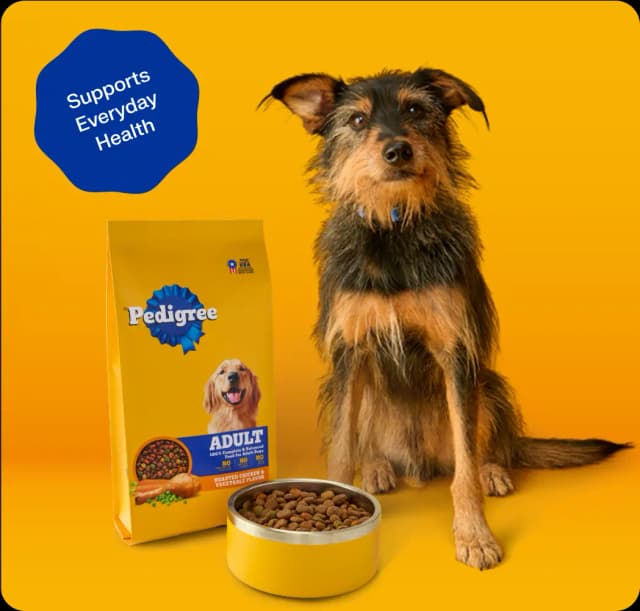
Feeding your dog a healthy diet doesn’t have to drain your bank account. With a few smart strategies, you can give your pup the nutrition they need while keeping your budget in check.
Of course, if your dog requires a prescription diet, always follow your veterinarian’s recommendations. However, for many dogs, these tips can help make mealtime more affordable.
Wet food adds extra water to your dog’s diet, and dogs typically love the taste. But it’s usually more expensive per serving than dry kibble. If you’re working with a tight budget, dry kibble as your base is a smart financial move — and if you want to make it more exciting, a small drizzle of wet food or broth on top can go a long way without breaking the bank. If your dog doesn’t need wet food for medical reasons, Antje Joslin, veterinary consultant at Dogtopia, says feeding them complete and balanced dry food can save you money without sacrificing nutrition.
Just make sure they’re drinking enough water throughout the day, because dry kibble contains little moisture.
You don’t have to splurge on the priciest kibble to give your dog quality nutrition. Many mid-range brands offer complete and balanced diets that meet standards at more affordable prices.
To be sure, check the label for a nutritional adequacy statement. It should say something like, “This food is formulated to meet the nutritional levels established by the AAFCO Dog Food Nutrient Profiles for all life stages.” This confirms it provides all the essential nutrients your dog needs.

Maybe your dog is growing or has a new health issue — pet parents will often need to switch up their pup’s diet. Here’s how to do it effectively.
Specialty dog treats can add up fast. Instead, try using affordable, healthy options from your kitchen, such as small pieces of plain cooked chicken or dog-friendly veggies. Even your dog’s regular kibble can double as training treats.
Larger bags of dog food often cost less per pound. Store the food in an airtight container in a cool, dry place to keep it fresh and prevent pests. Freezing portions of kibble in airtight bags is another way to extend shelf life.
Overfeeding can cause weight gain, and it wastes food and money. To avoid this, use a measuring cup or kitchen scale to portion meals precisely, following the feeding guidelines on the package (or as suggested by your veterinarian).
If money’s tight, check with local shelters, rescue groups, or community organizations. Many offer pet food pantries to help families feed their animals. Don’t hesitate to reach out — these programs exist to support pet parents during difficult times.

Dvorakova Veronika / Shutterstock
Dr. Joslin explains that if you’re feeding your dog complete and balanced commercial dog food (as you always should), there’s no need to add in extras for nutritional purposes.
However, incorporating a few budget-friendly boosters can provide some bonus nutrients and make mealtime more exciting.
A little lean, cooked protein, such as chicken, turkey, eggs, or fish, can give your dog’s meal a tasty boost of amino acids and nutrients. Just keep portions small to avoid throwing off the food’s nutritional balance, and don’t add any seasonings, oils, or sauces.
Pouring warm water or dog-friendly broth over kibble can make it more aromatic and easier to chew, especially for picky eaters or older dogs. It also adds a bit of extra hydration, which is always a plus.
Many dogs enjoy certain fruits and veggies, such as carrots, apples, blueberries, bananas, green beans, cucumber, and bell pepper. These can add fiber, vitamins, and a bit of variety to their bowl.
Budget-friendly toppers, such as plain pumpkin purée, shredded cheese, peanut butter, leftover rice (plain), sardines, or cottage cheese, can make meals more enticing. Just stick to simple, whole ingredients, and keep the amounts small so you don’t overfeed your pup or throw off their nutrient balance.
Every dog is different, and their dietary needs are too. Check in with your vet before making any changes to what’s in their bowl.
Both can be healthy, as long as they’re labeled as balanced and complete (per AAFCO standards). When possible, many pet parents use a mix of the two to get the benefits of both.
Great options include plain cooked chicken, turkey, eggs, carrots, green beans, apples (no seeds), blueberries, and sweet potatoes. Avoid toxic foods such as grapes, onions, garlic, chocolate, xylitol, and seasoned or fried foods.
Leaving dry dog food out all day (aka free-feeding) is generally not recommended. It often leads to overeating and weight gain. Measured meals are usually healthier and make it easier to track appetite.
Ask yourself if you have the time, energy, space, and financial means to provide daily care, food, training, exercise, and love for years to come. If the answer is yes, start your search on Adopt a Pet to find your perfect match.
Grant, Caitlin, et. al. “Nutrition: General Feeding Guidelines for Dogs.” VCA Animal Hospitals, 2025, vcahospitals.com/know-your-pet/nutrition-general-feeding-guidelines-for-dogs.
“How to Understand a Dog or Cat Food Label.” AAFCO, www.aafco.org/consumers/understanding-pet-food/reading-labels.
Sanderson, Sherry Lynn. “Nutritional Requirements of Small Animals.” Merck Veterinary Manual, Nov. 2023, www.merckvetmanual.com/management-and-nutrition/nutrition-small-animals/nutritional-requirements-of-small-animals#Water_v3328604.
“Selecting the Right Pet Food.” AAFCO, www.aafco.org/consumers/understanding-pet-food/selecting-the-right-pet-food.

Katie Koschalk is a freelance writer based in Northern California. Fusing her love and knowledge of animals with her journalism degree and years of professional writing, Katie is dedicated to improving the lives of pets and their caretakers by sharing helpful and accurate information. When she’s not at her desk, you can find her exploring trails with her Aussie, Hunter, cooking plant-based meals, and talking to her two cats, Jax and Sadie, in really ridiculous voices.

Pet Wellness

Pet Wellness

Pet Wellness

Adoption Advice
It’s possible to stay in budget — here’s how.

Behavior & Training
Dogs may love the idea of an all-day buffet, but free feeding isn’t doing them any favors.

Pet Wellness
Learn how to keep your adopted senior dog healthy and happy with this essential care advice.

Pet Wellness
This may depend on your dog’s age and health, but it’s always important to set a routine.

Behavior & Training

Adoption Advice
Help your underweight puppy achieve a healthy weight with these expert tips and feeding strategies.