Are Hairballs Normal for Cats?
Everything you need to know about when cat hairballs are normal and when they’re signs of bigger health issues.
Everything you need to know about when cat hairballs are normal and when they’re signs of bigger health issues.
by Dr. Maria Zayas, DVM, | May 6, 2026
chendongshan / Adobe Stock
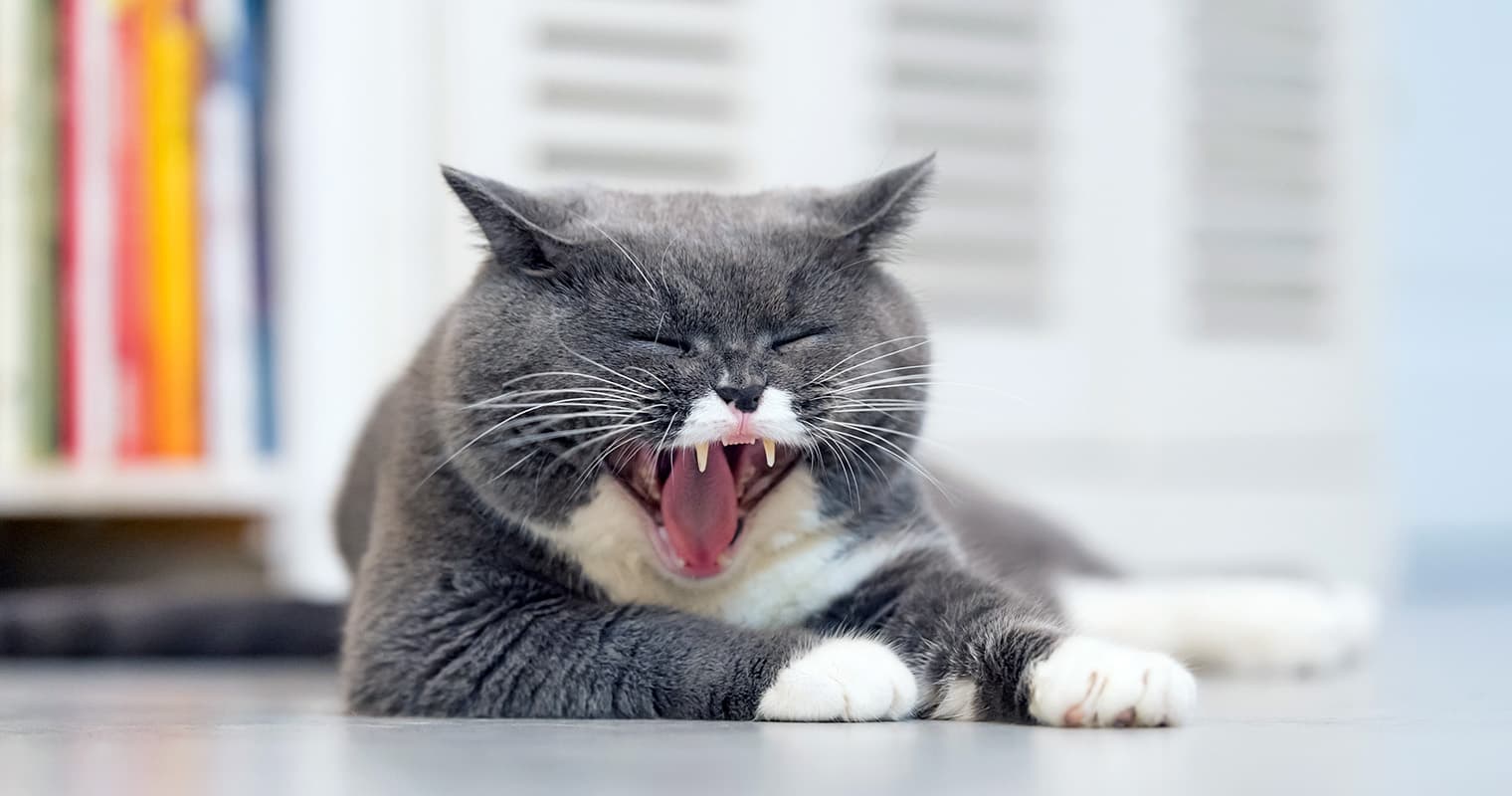
Every pet parent across the globe knows the sound of a cat getting ready to bring up a hairball. That distinctive sound can wake most of us from a deep sleep. But besides knowing our cat is probably aiming for carpet (instead of an easily cleanable surface), is a hairball actually something to panic about?
Hairballs are common occurrences for most cats, even short-haired cats. Bringing up hairballs is a natural process that helps them avoid intestinal obstructions — and it shouldn’t leave them feeling ill after they take care of business.
However, hairballs can indicate other health concerns. So it’s important to look for signs of a problem that’s far bigger than ruined rugs.
Simply put, hairballs are bundles of hair that collect in a cat’s stomach and are vomited up when they get too big to pass through the intestines. Cats may leave hair on every surface of your home, but they aren’t growing hair in their bellies. Many other furry animals don’t produce hairballs, so what makes cats special?
Cats are notoriously clean animals who spend a significant amount of their waking hours grooming themselves. They have nifty built-in brushes on their tongues — a rough surface with barb-like protrusions. As they meticulously lick their fur, the raised, rough surface of their tongue brushes through their coat, pulling out loose, shed hair.
Cats swallow plenty of hair while grooming themselves, and most of that hair will make its way through their digestive tract with no issues, coming out in their poop. Some, though, will be left behind in the stomach, and that will slowly build up until there’s enough to irritate the stomach — and a cat feels the urge to vomit instead.

Bringing home a cat? Here’s what you’ll wish you knew sooner.
When a cat brings up a hairball, it’s often a long, tube-like mat of fur, either theirs or their housemates’, mixed with a little, mostly clear fluid. A period of gagging usually starts first before they bring up the hairball, but usually no more gagging or vomiting occurs once they bring up the offending clump of hair.
Hairballs can sometimes be an important clue that something is wrong with your cat. It’s important to understand what to expect from your cat’s hairballs, so you can tell if there may be a problem.
The most common sign that hairballs aren’t normal for your cat is when they are getting them too frequently. Having one to two hairballs per month is considered normal. This can vary from cat to cat: Whatever has historically been normal for them, possibly as little as one or two a year, is a pattern we expect them to maintain.
Long-haired cat breeds will more likely have regular hairballs each month. Some examples include Persians, Maine Coons, and Ragdolls. Short-haired breeds may have fewer hairballs. But it’s important to note any changes in how often they purge them.
If a cat has a sudden increase in hairball frequency, that’s a sign that something else is going on. Some other source of nausea or stomach irritation may be at play.
Hairballs generally consist of just a clump of hair, in a bit of a log shape, accompanied by mostly clear, mucoid fluid. If your cat’s hairball comes with red-tinged fluid, food, other objects, or is mostly liquid with very little hair, that is considered abnormal.
Your cat shouldn’t struggle to bring up a hairball. If they are vomiting repeatedly (instead of once), bringing up food or liquid before or after bringing up their hairball, or acting off afterwards, they may have a potential problem. Any time your cat has repeated episodes of vomiting, even if you find a hairball in one spot, you should check with a vet.
Several health conditions can lead to hairball issues for your cat. Some of them are related to hair loss and over-grooming, leading your cat to swallow more hair, while others have to do with stomach upset and irritation.
Some of the most common culprits of hairball-related issues in cats are:
Stress
Allergies
Abdominal pain
Inflammatory bowel disease (IBD)
Bilious vomiting (nausea and vomiting on an empty stomach)
Urinary crystals or stones
Urinary tract infections (UTIs)
Cancer
If you see the following signs of a problem in your cat, you should reach out to their vet. One of the above conditions may be present and require treatment.
Increased hairball frequency
Increased vomiting frequency — even if it’s always food, and you know that your cat eats too quickly
Thinning hair on the belly
Scabs, extra dandruff, or wounds on the skin
Decreased appetite
Increased crying (beyond their typical pre-hairball vocalizations)
Peeing or pooping outside the litter box
Straining in the litter box
Increased drinking or peeing
Objects, besides hair, brought up with a hairball
Fluid with a hairball that is anything besides clear to white-ish in color
Regular vet visits are key to keeping your pet healthy. Here’s what happens during a checkup, when to get them, and what to bring.
Numerous hairball-related treatments and supplements are available at your local pet store, and the great news is that most of these are both safe and effective.
Generally, the goal is to keep swallowed hair moving through the intestinal tract instead of letting it get stuck in the stomach to form a hairball. Most diet brands have a hairball formula with extra fiber to help keep things moving along.
When that isn’t enough, additional fiber or lubricant-based supplements from various brands will usually do the trick. If over-the-counter hairball remedies aren’t working, speak to your vet, because this can indicate a health issue requiring treatment.
Although highly unlikely, it is possible for a cat to die from a hairball. Choking while bringing up the hairball, breathing in fluid from a hairball (causing a lung infection), or the hairball getting stuck in the intestines can all be life-threatening situations.
A vast majority of cats will have at least one hairball in their lifetime.
Hairballs affect both indoor and outdoor cats, though you may not see the evidence of it as often in outdoor cats.
Hairballs are brought up through the act of vomiting, or actively expelling stomach contents. Vomit, however, will lack the matted log of hair seen with hairballs, can have fluid and contents of various colors, may keep occurring even after the stomach is empty, and is a sign of a bigger issue.
This depends on the product, but most hairball remedies are safe for everyday use. Some cat parents like to give these to their kitty each day, but others like to wait for signs that their cat may be bringing up a hairball before giving them a remedy to avoid it.
Until a cat begins to shed their hair coat (around eight months to a year of age), they generally won’t have hairballs, meaning most kittens won’t get hairballs.
Yes, senior kitties will still get hairballs if they’re feeling well enough to groom themselves.
Lundgren, Becky. “Hairballs (Trichobezoars) in Cats.” Veterinary Information Network, Veterinary Partner, 7 May 2024, veterinarypartner.vin.com/default.aspx?pid=19239&id=6183225.

Dr. Maria Zayas attended Ross University School of Veterinary Medicine where she completed her veterinary degree in addition to participating in and presenting research related to aquatic animal medicine. She spent her first year as a doctor working with a low cost spay/neuter and general practice clinic before returning to her home state of New York and entering the world of housecall veterinary medicine. Falling in love with this area of medicine, she launched her own housecall veterinary practice in addition to writing pet health articles. She loves all things related to water and continues to travel and explore with her three dogs and one cat, all of whom also love to swim.
Breed Info
Adoption Advice

Pet Wellness

Adoption Advice
These special breeds deserve special monikers. Here’s all the naming inspiration you’ll need.
Pet Wellness
Cats are fastidious about their own cleanliness, but that doesn’t mean you won’t need to give them a little help along the way. Here’s how.
Breed Info
Their coats may look similar, but these cats actually have distinct differences. Here’s how to tell them apart.

Pet Wellness
It’s possible — but this doesn’t have to be a deal-breaker. Here’s how to tell if you are allergic to them, and what to do if you are.

Breed Info
From silky coats to cloud-like fur, meet the fluffiest kitties around.
Breed Info
Do you suffer from allergies? Some cat breeds may offer you relief from dander allergies.