How Much Does Cat Grooming Cost?
Budgeting for a new cat goes beyond adoption fees, food, and litter. Don’t let grooming costs catch you off guard.
Budgeting for a new cat goes beyond adoption fees, food, and litter. Don’t let grooming costs catch you off guard.
by Janelle Leeson, | April 13, 2026
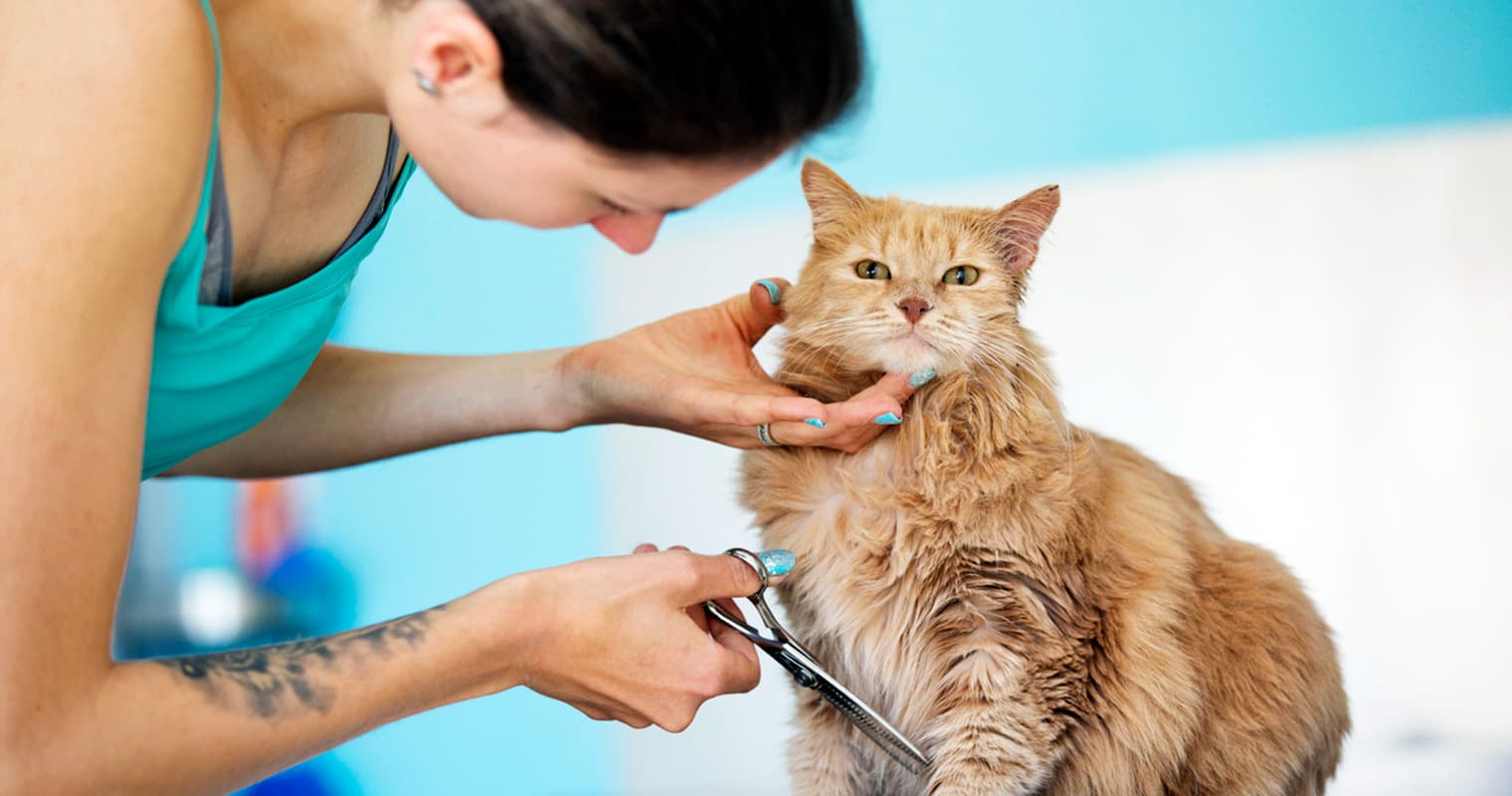
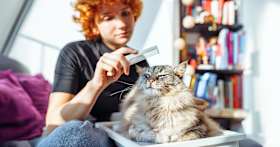
CasarsaGuru / iStock
It’s easy to assume grooming is only for long-haired cats, and the rest are self-sufficient. Truth is, all cats — even hairless ones — need help keeping their fur, skin, and nails healthy, especially as they age. Some cats may benefit from professional grooming, too, whether that’s a routine nail trim, a thorough brush-out, or a mat removal too challenging to tackle at home.
So, how much does it cost to groom a cat? This varies by location, coat condition, and groomer experience. Below, we break it all down.
A standard, professional cat groom in 2026 typically costs between $75 and $180, depending on your location and the cat’s coat condition.
Cat grooming is often priced higher than dog grooming because of the specialized skill and safety precautions required to handle feline temperament.
Regular, at-home brushing is the most effective way to avoid matting fees, which can add $20 or more to your total bill.
For seniors or cats with health issues, grooming is preventative care that prevents painful skin infections and mobility-limiting matting.
We recommend looking for a Certified Feline Master Groomer — the specialized training can make a real difference in your cat’s comfort and safety, even if it costs a bit more. You can look for certified cat groomers in your area using the National Cat Groomers Institute’s Cat Groomer Map.
If there isn’t a certified groomer in your area, look for someone with dedicated cat experience, and not just general pet grooming. According to Daniel Lioyryan, Certified Feline Master Groomer (and co-owner of Cats in the City in Portland, Oregon), a good cat groomer prioritizes comfort over speed, knows how to read a cat’s body language, and doesn’t rely on force or sedation to get the job done.
Before booking, he suggests asking:
How do you monitor a cat’s stress during grooming?
Do you work with a second handler for cats who need extra support?
How do you decide when to pause or stop a session?

From silky coats to cloud-like fur, meet the fluffiest kitties around.
For a realistic picture of what to expect, we looked at cat grooming prices from around the country. While these averages are a helpful ballpark, costs can vary based on your location, your cat’s coat condition, and their temperament. It’s always worth calling a local groomer for a personalized quote, especially if your cat has matting or needs specialized handling.
Service | Average cost | What it entails | Whom it’s for |
Full-service grooming | |||
Long-haired cats (no haircut) | $90 to $180 (or more) | A full grooming session including a bath, blow-dry, brushing, nail trim, and ear cleaning — some groomers may include a sanitary trim or facial trim (for breeds like Persians), while others offer these as add-ons
| For long-haired cats who are prone to matting, prevents painful tangles, reduces shedding, and supports overall skin and coat health |
Short-haired cats | $75 to $135 | A full grooming session, including a bath, blow-dry, brushing, nail trim, and ear cleaning without shaving or a haircut | For short-haired cats who benefit from deep cleaning, helps reduce shedding and keeps skin healthy |
Hairless cat bath | $50 to $80 | A bath specifically to remove excess oil on skin and in nail beds | For hairless cat breeds, who can develop oily skin without regular bathing |
Comfort Groom | $250 to $340 | A bundled service, typically including an initial full groom (often with a lion cut, bath, nail trim, and cleaning) followed by a second maintenance session 8 to 10 weeks later — may include extra time for matting, fecal cleanup, or handling | Cats who are severely matted, new to grooming, or in need of a full reset and ongoing maintenance plan |
Haircuts and coat maintenance | |||
Lion cut | $75 to $250 | A short haircut that removes most of your cat’s coat while leaving fur around the head, legs, and tail (either full or with a pom) — often includes a bath and basic care | Cats with matted coats or cats who struggle with self-grooming — reduces shedding, hairballs, and matting |
Teddy bear cut | $95 to $260 | A longer version of the lion cut that leaves about one-half to three-fourths inch of fur on your cat’s body | Cats with matted coats or cats who struggle with self-grooming — reduces shedding, hairballs, and matting (may be preferred over a lion cut for those with delicate or light-colored fur) |
Long-hair deshedding | $35 to $80 | Brushing and removal of loose undercoat without a time or bath | For all cats — removes compacted hair, thins dense undercoats, loosens tangles, and removes loose hair, ultimately preventing matting, reducing shedding, and improving skin and coat health |
Shorthair deshedding | $30 to $75 | Brushing and removal of loose undercoat without a trim or bath | For all cats — removes compacted hair, thins dense undercoats, loosens tangles, and removes loose hair, ultimately preventing matting, reducing shedding, and improving skin and coat health |
Basic care and hygiene | |||
Nail trim | $15 to $45 | Clipping the cat’s nails to a safe, comfortable length, often offered as a standalone or add-on service | Prevents overgrown nails, reduces scratching damage, and helps avoid painful nail issues or injuries (cats’ nails should be trimmed monthly) |
Face, nose, and ear cleaning | $15 to $50 | Gentle cleaning to remove wax buildup, dirt, or debris | Helps prevent infections and is especially useful for cats prone to buildup, such as hairless or brachycephalic (flat-faced) breeds |
Sanitary trim | $20 to $65 | Trimming fur around the rear and hygiene areas | A popular service for long-haired, overweight, senior, or mobility-limited cats who may have waste buildup, matting, and hygiene-related skin issues |
Belly trim or shave | $12 to $65 | Trimming or shaving the fur along the underside of the body | Long-haired cats, seniors, or other cats who struggle with self-grooming, litter tracking, debris accumulation, and matting under the belly |
Paw pad fur trim | $15 to $25 | Trimming the underside of your cat’s paws (front and back), so the fur is flush with their toe beans | Cats who slip or slide on floors or collect litter and debris in their paws |
Add-ons and special services | |||
Soft paws application | $25 to $35 | Application of soft vinyl nail caps | Cats who need help preventing self-injury from overgrooming, scratching wounds, or facial trauma — or for protecting pet parents with delicate skin, as well as furniture and carpets in the home |
Dematting | $20 to $200 (or more) | Careful removal of mats and tangles, often charged based on time and severity | Cats with severe matting, which can be painful and restrict movement |
Degreasing | $20 to $50 | Bath using a degreasing formula to fully lift oil, grime, and residue from the coat | Cats with heavy oil buildup and residue or chin acne |
Temperament fee | $15 to $50 | An additional fee charged if a cat requires a second handler or significant extra time for safety | Cats who are stressed and need an extra set of hands or tools for grooming |
Mobile grooming travel fee | $15 to $65 | Fee for in-home or mobile grooming services | Cats who are stressed by travel or pet parents who prefer at-home care |
Large cat fee | $20 to $25 | Additional charge for large cats | Typically cats who weigh 20 or more pounds |
Breed-specific fees | $20 to $30 | Extra cost due to coat type or grooming complexity | Common for breeds like Persians and Himalayans with high-maintenance coats — some groomers offer Persian-specific grooming sessions |
Fecal removal | $15 to $25 | Cleaning and removal of hardened waste from fur | Long-haired or mobility-impaired cats with hygiene issues |
Pro tip: Many groomers offer discounts for returning clients or for bundling services. If you need help with nail trims only, shelters, rescues, and veterinary offices may offer low-cost cat nail trimmings.
With less surface area, you’d think cat grooming would cost less than dog grooming. But compare the two, and you’d unfortunately be wrong. That cost comes down to how challenging cats are to groom.
“Cat’s spines can twist nearly 360 degrees, and in order to accommodate that range of motion, cat skin is rather elastic — far more elastic than human or even dog skin,” Lioyryan explains.
Thin, delicate, and elastic is a tricky combination, one that makes pulling, nicks, and cuts a real risk for cats. “It can be surprisingly difficult to discern where the pale pink skin ends, and the matted fur begins,” Lioyryan says, noting that cats often arrive at the salon with injuries from well-intentioned pet parents who attempt to remove mats with scissors at home.
Their armpits, belly, legs, and hindquarters are especially tricky to groom. The skin is looser in these areas, mats form more easily, and many cats simply don’t like being touched there (or for some, anywhere) when it comes to grooming.
Unlike dogs, who are often more tolerant of handling, cat groomers have to work slowly and carefully, sometimes with an extra set of hands to get the job done safely (an approach called tandem cat grooming). Lioyryan says that when two practitioners are in the room, this allows one to track your cat’s subtle stress cues (breath, body positioning, and muscle tone), while the other concentrates on the technical groom.
The thought of trying to brush your cat’s teeth may seem daunting. But keeping their teeth clean is more important than you may think.
The price of cat grooming can creep up quickly. Keep these extra charges in mind when scheduling a session. If you’re unsure which charges would apply to you or the services that are best for your cat, ask for a consultation.
Mats form when tangles become tightly knotted and compacted. Cats are natural self-groomers — they’ll even work out tangles with their teeth. But this gets harder as they age. Humid conditions, thick undercoats, and infrequent brushing also increase the chances of your cat becoming matted.
Whatever the cause, dematting fees typically start at $50 and can be significantly more expensive the worse the coat condition is. “Many matted coats can be rescued,” Lioyryan says. A skilled professional groomer has the tools and techniques to safely work through mats without automatically reaching for the clippers, which is important, because your cat’s natural coat has the important job of protecting their skin and regulating their temperature. That said, you and your groomer may decide together that a full haircut, like a lion or teddy bear cut, is the most humane solution for severe cases.
Even if it costs you a trip to the groomer, never attempt to remove mats with scissors.
Trimming your cat’s nails doesn’t have to be a whole, dramatic thing. Here’s how to actually make it happen without losing a finger.
Oils naturally build up on a cat’s skin and coat. But when they’re not grooming themselves enough, that buildup can leave the fur feeling tacky, looking dull, and trap loose hair. All of this increases the risk of matting, skin irritation, and even skin infections.
You might notice your senior cat’s coat starting to look greasy. That’s fairly common: Older cats often groom less due to mobility issues, while also producing more oil as they age. Regular shampoo isn’t always enough to cut through that buildup, so groomers use specialized degreasing products and techniques to clean the coat without drying out the skin, which typically costs between $20 and $50 as an add-on or stand-alone service.
If you’re the proud parent of a hairless cat breed, oily skin is probably nothing new to you. Their care is usually booked as a dedicated hairless cat bath rather than a degreasing service.
Some groomers charge an extra fee if your cat is especially stressed during the appointment and needs extra time or handling. Even typically calm cats can feel overwhelmed by grooming and can act out of character.
That’s why many experts recommend starting grooming early and sticking with a routine. Cats can get used to the process over time.
If you’re worried about how your cat might handle grooming, be picky about finding a groomer who reads a cat’s body language, never relies on force to get the job done, and knows when to call in backup. “Many cats aren’t uncooperative — they’re under-supported,” Lioyryan says. Talk to your vet ahead of time, too. They can help you come up with a plan to keep your cat as calm as possible, which may include medication for the day of the appointment.

Anxiety is a very common reaction for a cat or dog entering a new home, but there are several ways to treat this fear-driven behavior.
Cat haircuts come in more styles than you might expect. Although lion and teddy bear cuts are the most popular, some groomers also offer the dino cut (shaved body with a spiked ridge along the spine), the bison cut (hair on the upper body, shaved on the lower), and the squirrel cut (a sculpted trim with a full, fluffy tail). Fun to imagine, but not always the most practical choice.
A cat’s coat does important work. It helps protect their skin from sun exposure, parasites, and minor injuries, and it also helps regulate body temperature in both hot and cold weather.
If the goal is to reduce shedding or maintain a healthy coat, a deshedding session is often a more practical, coat-friendly alternative at a lower price point. Haircuts tend to make the most sense for cats prone to matting or those who can’t groom themselves.
If this guide has you reconsidering whether to adopt a short- or long-haired cat, remember that no cat is truly maintenance-free.
According to Lioyryan, short-haired cats actually have more hair follicles than long-haired cats, meaning they shed just as much — if not more — and need just as much brushing. Long-haired cats, however, are more prone to matting and hygiene issues. Certain breeds, like Persians, Himalayans, and hairless cats, come with their own specific grooming needs.
Short-haired cats: The lowest-maintenance coat type, but you’re not totally off the hook. Short-haired cats still need routine nail trims every four to six weeks, weekly brushing, and the occasional deshedding session. As they age, or if they’re overweight, a degreasing bath may be needed, too.
Long-haired cats: Long-haired cats need weekly brush-outs — a slicker brush for the top coat and a wide-tooth comb for the undercoat. They should also get a deshedding session once or twice a year, either at home with a deshedding tool or by scheduling a professional deshedding session with your groomer. Some cats may also need sanitary trims or other cuts to stay clean and mat-free, especially as they age or if they are overweight.
Specialty breeds (Persian, Himalayan, and similar): These breeds come with uniquely high-maintenance coats that require more frequent and specialized professional care, including facial cleaning, sanitary trims, and coat-specific grooming techniques.
Hairless cats: No fur doesn’t mean no upkeep. Regular baths remove oil buildup from their skin and nail beds. Talk to your vet or groomer about how often your hairless cat should be bathed.
Does your cat refuse to get into a carrier? Try these strategies.
The best way to keep grooming costs down is to stay on top of at-home care, ideally starting before you bring your cat home, or as early as possible. Here’s what can make the biggest difference.
Brushing and nail trims are the two services you can most realistically take off your grooming bill. Both are doable at home with the right tools and a little practice, and the savings add up quickly over time.
Tools you’ll need:
Getting your cat used to grooming from a young age pays off for years to come. Handle their paws regularly, and brush them often. Not only can this help prevent the need for professional services like deshedding or mat removal, but it also helps your cat become more comfortable with the process.
Cats at a healthy weight can twist and turn, allowing them to clean hard-to-reach spots while self-grooming. Overweight cats struggle to reach those same areas, which leads to more matting, hygiene issues, and ultimately more grooming appointments.
Fleas and other parasites don’t just cause discomfort — they can lead to skin irritation, hot spots, and coat issues that end up costing you. Many groomers also charge extra if fleas are discovered during an appointment. Keeping your cat on a monthly flea and tick preventative is the simplest way to protect their skin and coat year-round.
Grooming is a necessity for all cats. But it’s easy to overlook until it becomes a problem — and by then, it can be a painful and costly one.
Matted fur can hurt your cat and restrict their movement.
Fur compacted with waste can lead to skin infections.
Overgrown nails can curl into paw pads, causing pain and serious injury.
Staying on top of grooming is one of the best things you can do for your cat’s long-term health and comfort.
Most cat grooming can happen at home. And the more you do, the more you’ll save. But just as you’d take your cat to the vet when your cat needs care, you should call a groomer when the job is beyond a DIY fix, or if your cat is too stressed for at-home grooming. A professional groomer is as much a part of your cat’s care team as their veterinarian.
“One of the more common reasons to routinely bathe healthy, indoor cats with clean, easily managed coats is to prevent allergies,” Lioyryan says. Other cats, such as hairless cat breeds and senior cats, may need regular bathing to manage oily skin and coats. Whatever your cat’s needs turn out to be, starting early is always a good idea: A cat introduced to bathing at a young age will tolerate it far better later in life, when bathing may become a regular part of their care.
A tip of 15 to 20 percent is standard, and tipping on the higher end is a nice gesture if your groomer spent extra time or handled a particularly difficult appointment. However, some groomers — especially independent groomers and business owners — have moved to a no-tip model, building a living wage into their base rates. If you’re unsure which model your groomer follows, it’s OK to ask.
Never use scissors to remove mats at home: It’s very easy to accidentally cut your cat’s delicate skin. For small mats, you may be able to gently work them out with your fingers, while slightly larger mats may be loosened with a dematting tool. Severe matting is best left to a professional. Experienced groomers can often safely work out mats while preserving your cat’s coat and relieving them of the discomfort that comes with tight, tangled fur. For serious matting, your groomer may recommend a full haircut.
Janelle Leeson is a Portland, Oregon-based freelance writer. Her work has been featured in magazines such as Inside Your Dog’s Mind, Inside Your Cat’s Mind, and Paw Print, as well online at Insider Reviews, NBC Select, Shop Today, PetMD, and Daily Paws. She has two adventure cats, a flock of urban chickens, and a soon-to-be-husband who doesn’t mind housing the occasional foster cat — or five.

Pet Wellness

Adoption Advice

Pet Wellness
Behavior & Training
From play bites to I’m-in-pain bites, we break down the many reasons felines may sink their teeth into you — to help you fix the issue.
Adoption Advice
You’re ready to adopt a feline, but is a short- or long-hair the way to go? We weigh the pros and cons.
Breed Info
Do you suffer from allergies? Some cat breeds may offer you relief from dander allergies.
Pet Wellness
Skip the stress of a bath. These tips can help you get rid of fleas — no water necessary.
Adoption Advice
Your guide to everything you need to know — because preventing kitten health problems is far less expensive (and easier) than treating illnesses

Foster & Volunteer
Fostering before adopting is a great way to help rescues, while figuring out if you’re ready for cat parenthood.