Does Diatomaceous Earth Kill Fleas?
Here’s your guide to natural flea control…
Here’s your guide to natural flea control…
by Dr. Shelby Neely, DVM, | July 20, 2026
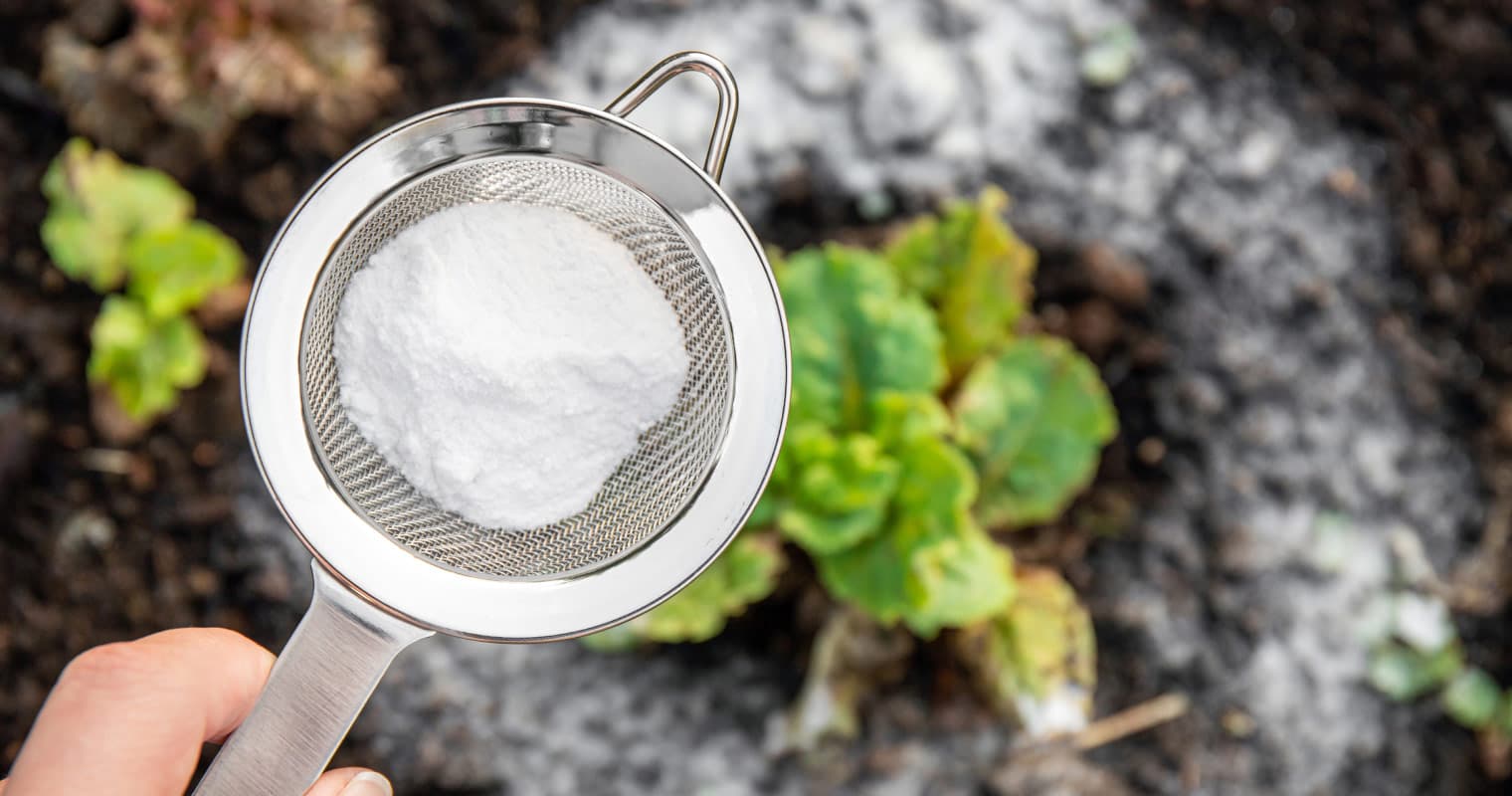
FotoHelin / Adobe Stock
Yes, diatomaceous earth can kill fleas — but there are caveats. First off, there are different types of diatomaceous earth. Only the food-grade type should be used around pets. Also, it doesn’t kill all stages of the flea life cycle and works best as part of an overall flea management plan, rather than as a standalone treatment.
Diatomaceous earth (DE) can kill fleas without chemicals, but only if it comes into direct contact with adult fleas.
Pool-grade DE should never be used around pets due to its potential toxicity.
Careful application can help alleviate the risks of respiratory irritation and dry skin.
Diatomaceous earth does not kill flea eggs, so it is best used as part of a larger flea control plan.
It is recommended that diatomaceous earth be used outdoors, not just indoors, for the best overall effects.
Such a long word might make you expect a complicated explanation, but DE is actually just a naturally occurring substance derived from fossils of microscopic algae (called diatoms). Over time, they form sediment that becomes a fine, powdery material. If you touch diatomaceous earth, it feels soft, sort of like flour. But if you look under a microscope, it consists of tiny, jagged particles. Those rough-edged particles are what make it useful as a flea-control substance.
Diatomaceous earth is used in:
Natural pest control
Water filtration
Agriculture and grain storage
Some pet care
The thing that makes DE so attractive as a flea treatment is that it’s non-chemical, a natural approach. But keep in mind, “natural” doesn’t always mean “risk-free.”

A take-no-prisoners approach to handling this problem.
It’s definitely important for pet parents to understand the difference between pool-grade and food-grade diatomaceous earth. They both come from the same natural source. But because they’re processed differently, they are not interchangeable. The difference between the two is critically important for your pet.
Food-grade DE
Minimally processed
Low levels of crystalline silica
Safe for pets when handled properly
Pool-grade DE
Heat-treated and chemically altered
High in crystalline silica
Dangerous if inhaled and not suitable for household use
The ASPCA Animal Poison Control Center emphasizes that inhaling fine particulate dust can irritate the respiratory system. Sticking to food-grade DE is essential. Exposure to pool-grade DE can irritate the skin, eyes, and lungs, and repeated inhalation can lead to more severe respiratory disease. It should never be used in areas where your pet lives or sleeps, nor directly on pets. Always double-check when you’re purchasing diatomaceous earth that the label clearly states “food grade.”

nateejindakum / AdobeStock
The appeal of diatomaceous earth as a flea treatment is that it doesn’t rely on chemicals. It works through a mechanical process: The microscopic particles scratch and damage the outer shell (exoskeleton) of the flea. This action interferes with the flea’s ability to retain moisture, and the flea dies from dehydration.
This process is not immediate. Although there are other fast-acting alternatives, DE takes several hours to days to kill fleas and will only kill adult fleas. It is not reliable in killing flea eggs or pupae. This process is detailed in pest management resources, such as the University of California IPM, which provides more detail on how desiccant dust physically affects insects. IPM stands for Integrated Pest Management, which combines various strategies to kill fleas at every stage of their life cycle. IPM advises against relying on a single product to completely solve a flea problem.
A typical integrated approach would include:
Treating your pet
Treating your home
Treating outdoor areas
Staying consistent
To understand why diatomaceous earth doesn’t fully resolve the problem by itself, you need to look at the flea life cycle. Fleas don’t just live on pets — it may surprise you to learn that most of them are actually hidden in the environment.

How to successfully tackle one of every pet parent’s worst nightmares.
Their life cycle includes:
Eggs that are initially laid on your pet, but rapidly fall into cracks in the flooring, bedding, or carpets.
Larvae live in dark, protected areas and feed on organic debris.
Pupae live inside cocoons, making them extremely resistant to environmental treatments.
When the adults emerge, they jump on a host (like your pet) and begin feeding. This is when they can die after falling on diatomaceous earth. The University of California IPM further states that only a small percentage of the fleas in your home are adults at any given time. Most of them are part of the rest of the life cycle, which are much harder to eliminate.
So, DE does not kill eggs or penetrate cocoons, but it works well on adult fleas (and on some larvae) that actually come into contact with it. This is why, after treatment, you see improvement and then, unfortunately, experience what feels like a reinfestation. This is because new adults are hatching and inhabiting the environment. Understanding this will set realistic expectations and help you plan a more efficient, long-term flea control plan.
Diatomaceous earth can be a helpful part of an overall treatment plan, but keep in mind that common issues include:
Putting too much powder on surfaces
Using it in a poorly ventilated area
Thinking that it can be a complete solution
Expecting it to work instantly
Not staying consistent with applications
Not reapplying after cleaning or rain
Applying too much directly on your pets, which could lead to dry or irritated skin
However, a benefit of this treatment is that, unlike chemical flea treatments, fleas can’t develop a resistance to it. A downside is that it is less precise and reliable than modern chemical flea preventatives.

Georgy Dzyura / AdobeStock
Although the product is often marked as safe, there’s a bit more to it. Food-grade DM is certainly less dangerous than many chemical options. But it can still cause respiratory irritation if it becomes airborne.
Potential risks include:
Respiratory irritation
Dry or flaky skin
Eye irritation
Even though diatomaceous earth is not considered toxic in the traditional sense, it can still produce fine dust that irritates respiratory tracts and eyes. Organizations such as NC State Extension emphasize minimizing inhalation when using any dust-based pest-control product.
Cats are often in a special category when it comes to medications or preventatives of any type. They tend to be sensitive to some substances, even if they’re not toxic to dogs or people.
Why?
They are self-groomers and ingest particles while grooming.
Cats are more likely to inhale dust.
They can develop mild respiratory or eye irritation.
Cats can be particularly sensitive to airborne irritants, so they may have reactions to food-grade diatomaceous earth. Even a very small amount of airborne diatomaceous earth can be uncomfortable. Therefore, it should be used carefully or avoided in households with cats.

Learn about everything from prevention to treatments, for both cats and dogs.
If you are interested in trying diatomaceous earth for flea control, the way you apply it makes a big difference.
When using diatomaceous earth indoors, the layer that you apply should be barely visible and placed where fleas are likely to hide, such as carpets, baseboards, pet bedding, and cracks in flooring. If the layer is too heavy, it will decrease effectiveness because insects will avoid thick piles.
For indoor use:
Spread a thin, even layer over upholstery, rugs, and carpets.
Use a brush or broom to gently work it into the fibers.
Let it sit overnight or at least for several hours.
Vacuum thoroughly.
It’s important to remember that more is not better. Using an excessive amount of diatomaceous earth will just increase the chance of dust exposure. It is best to use only a light application.
There are specific outdoor areas where fleas tend to gather.
These include:
Shady spots
Under decks or porches and in dog runs
Areas where your pets rest
Effectiveness outdoors is limited, due to moisture from rain, dew, or humidity. DE has to stay dry to damage the flea’s exoskeleton — because it doesn’t work well when wet. Rain or watering will mean you need to reapply it. Just as an aside, it can also be hazardous to some beneficial insects.
Yes, you can put DE on your pet, but with great caution. Only food-grade diatomaceous earth can be used directly on pets, and even then, you must be very careful when it comes to cats.
If you do use it on a pet:
Use food-grade only.
Use only a very light dusting.
Keep it away from your pet’s face, eyes, nose, and mouth.
Use it only in a well-ventilated area or outdoors.
Monitor your pet for irritation.
Veterinarians often advise using DE in the environment rather than applying it directly onto your pet, due to the risk of inhalation and its drying effect on their skin.
Fleas usually die within four to 24 hours after contact with DE. However, it only kills the fleas it actually touches. It’s important to consider the flea life cycle because, according to the University of California IPM, adult fleas are usually not the ones in the environment. You’re more likely to find eggs, larvae, or pupae.
For that reason, even though DE might kill the adult fleas it comes into contact with, you’re going to find new ones continuing to hatch even after treatment.

cmannphoto / iStock
There’s no question that diatomaceous earth can help, but it is not a total solution for the following reasons.
It’s messy. The fine powder will spread easily, settling on surfaces, and you’ll have to clean up regularly.
It doesn’t address the full life cycle. There are multiple stages in a flea’s life cycle, and DE targets the adults, not the eggs or pupae.
Moisture gets in the way of it working. If it’s humid, DE’s ability to dehydrate insects is limited.
It can irritate. Even food-grade DE can irritate the eyes, skin, and lungs.
Due to these limitations, experts suggest that if you’re going to use DE, it should be part of a broader approach rather than a stand-alone treatment.
Veterinarians recommend controlling the environment and using proven preventatives on your pet as well.
These include:
Oral flea medications
Topical treatments
Long-acting flea collars
By doing so, you can kill fleas quickly, interrupt the life cycle of the flea, and provide ongoing protection.
If you want to do further research and are trying to decide what your options are, look at proven strategies for how to kill fleas on dogs. Also, research veterinarian-backed flea treatments for cats, and incorporate flea prevention tips into your routine. It’s not wrong to try natural flea remedies. Avoiding chemicals is something we all desire, but they tend to work best when combined with more reliable methods.
In addition, if you have a severe infestation and fleas keep coming back, or if you’re treating multiple pets or large spaces, you may want to bring in a pest control professional. Here are some reasons why:
While mild flea infestations can sometimes be managed with environmental treatments like DE and over-the-counter options, there are certainly times when you need to call in a professional exterminator. If fleas persist despite repeated treatment, or if you have several pets in the household and they’re all affected, this is because the flea infestation has become well-established in your home. It’s not your fault. Multiple flea life stages can be difficult to eliminate, especially in outdoor areas, carpets, and upholstery.
If your pet is having skin problems such as infections, significant hair loss, or any other signs of flea allergy dermatitis — alongside seeing your vet, you need to do a really thorough flea treatment in your home, which would include a professional.
If you have multiple pets or children present and are concerned about safely treating your home, you may want to consult a professional. Professional guidance can ensure that the environment and pets are treated effectively and safely — the only way to break the flea life cycle.
No, flea eggs do not have the type of outer structure that DE targets, so eggs persist and the flea life cycle continues.
Although inhalation should always be avoided, food-grade DE is generally considered safe. To reduce risk: Apply it in well-ventilated areas, wear a mask during application, and keep it away from the eyes and mucous membranes.
You will need to reapply diatomaceous earth after vacuuming, after it rains (if you’re applying it outdoors), and every few days if you have a serious infestation. Consistency helps, but that doesn’t mean to use more. Over-application will increase irritation without giving you better results.
Bourne, Debra, et al. “Fleas and Flea-Borne Diseases: Biology, Control & Compliance.” Companion Animal, vol. 23, no. 4, 2 Apr. 2018, pp. 204–211, www.magonlinelibrary.com/doi/full/10.12968/coan.2018.23.4.201.
Gonçalves, Itamar Luís, et al. “Discovery, Development, Chemical Diversity and Design of Isoxazoline-Based Insecticides.” Bioorganic & Medicinal Chemistry, vol. 30, Jan. 2021, p. 115934, https://doi.org/10.1016/j.bmc.2020.115934.
Zeni, Valeria, et al. Molecules, vol. 26, no. 24, 10 Dec. 2021, p. 7487. “Diatomaceous Earth for Arthropod Pest Control: Back to the Future.”

Dr. Shelby Neely is a freelance writer and veterinarian who graduated from the University of Pennsylvania School of Veterinary Medicine and has practiced veterinary medicine for 30 years, specializing in small animals. Her work has appeared in Allivet, AsktheCatDoctor, WhiskerDocs, Ask the Cat Doctor Radio, Ask the Cat Doctor TV, and numerous other websites, brochures, newsletters, newspapers, and ebooks. In her spare time, Dr. Neely likes to spend time with her three children, two grandchildren, three cats, two grand-cats, and five grand-dogs.
Pet Wellness

Pet Wellness

Pet Wellness

Pet Wellness
Before you say “ewww” Moira Rose-style, learn these steps to prevent and remove fleas.

Lifestyle
You need to be extra careful if your dog or cat is your gardening assistant.
Pet Wellness
How to keep your pup safe from harmful bacteria.