Explained: The Life Cycle of Fleas (and How to Break It)
How to successfully tackle one of every pet parent’s worst nightmares.
How to successfully tackle one of every pet parent’s worst nightmares.
by Mollie Jackman, | June 23, 2025

Евгений Вершинин / Adobe Stock
Fleas may be tiny, but they cause big problems when they make their way into your home. These persistent pests multiply quickly, spreading disease and making our pets miserably itchy. So what’s the good news? Once you understand the flea life cycle, you can disrupt it.
Whether you’re currently battling an infestation or just want all the deets so you can prevent them in the future, this guide will help.
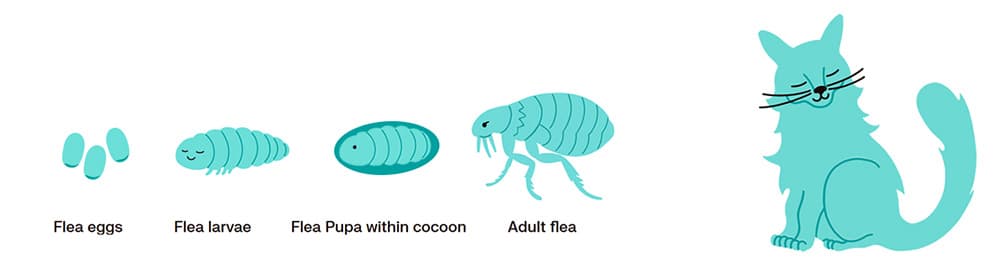
As much as they seem to, fleas don’t just appear out of nowhere. They go through a four-stage cycle from egg to larva to pupa, then to adulthood. This cycle can take anywhere from a couple of weeks to several months, depending on environmental factors such as temperature and humidity levels. (Warmer, more humid conditions lead to a faster flea life cycle.)
The key to truly nixing a flea infestation is breaking this cycle at multiple points. Here’s a timeline for you.
Female fleas can lay 40 to 50 eggs each day. These tiny white eggs are almost invisible to the naked eye and often fall off your pet, landing all over the house in places like carpets and beds. (Eggs make up about 50 percent of the flea population in an infested home.) How long do fleas take to multiply? These eggs typically hatch within two to five days.
Once flea eggs hatch, they resemble tiny white worms. They avoid light and burrow into soft, dark areas such as carpet fibers or pet bedding, and they develop by eating organic debris (including “flea dirt,” the feces left behind by adult fleas after feeding). The larval stage lasts five to 11 days.
Flea pupae are the most resilient of all flea life stages. Larvae spin cocoons, where they will develop into full-grown adults. These cocoons shield them from threats, which unfortunately include insecticides and other methods of removal. Fleas can remain in this stage for several months if necessary, but vibrations, warmth, and other disruptions can cause them to emerge.
Fully developed fleas emerge from their cocoons ready to feed and reproduce immediately. Adults jump onto nearby hosts, like pets, to feed on their blood. Without a host, fleas can only live a few days. But once they latch on, they can survive several weeks.
They feed several times a day, causing pets to itch and sometimes triggering allergic reactions. Within 24 to 36 hours of their first feeding, females lay eggs, and the whole cycle begins again. While fleas can and do bite humans, they don’t establish long-term infestations on our skin. But once they hitch a ride on you, your cat, or your dog, the flea life cycle can begin.
jenngarcia / Adobe Stock
How long does it take to break the flea life cycle? This depends on which methods you use. The key to completely eliminating a flea infestation involves breaking the life cycle at multiple stages.
Because fleas’ reproduction occurs so quickly, treating for only one of their phases will not catch every soon-to-hatch pupa or new batch of eggs. Here are some cycle-breaking tricks.
Treat your pet: Use veterinarian-recommended flea prevention, such as topical treatments, oral medications, or flea dog or cat collars that kill adults and stop egg or larval development. You can also use natural methods, such as oil-based sprays found at natural pet stores. (Talk to your vet about flea prevention treatments during your pet’s annual exam.)
Vacuum regularly: Vacuum carpets, rugs, and furniture daily during an infestation. Dispose of vacuum bags immediately, and thoroughly clean the dust bin on bagless models. Since eggs and larvae may fall off your pet and onto surfaces, this minimizes their spread.
Wash bedding: Clean pet beds, blankets, and any other fabric your pet touches in hot, soapy water at least once a week. (If the infestation is really bad, it might be time to invest in some new pet essentials.)
Use environmental sprays: Choose products with ingredients such as methoprene or pyriproxyfen, which are considered safe for pets but interrupt a flea’s development and keep them from reproducing.
If you have a severe infestation or are struggling to get rid of fleas on your own, call a pest control expert.

Krakenimages.com / Adobe Stock
If you’re looking for gentler or chemical-free options for flea control, several natural methods can help. Although these won’t replace prescription or chemical treatments for a severe infestation, they can aid in prevention and act as a backup if you’ve only seen one or two fleas on your pet or in the house. Here’s how to break the flea life cycle naturally.
Food-grade diatomaceous earth is a fine, powdery substance made from fossilized algae. It physically damages the outer layer of a flea’s exoskeleton, causing them to lose moisture and ultimately die. Luckily, diatomaceous earth won’t damage human or pet tissue. However, it can be drying to the skin and irritating if inhaled, so it’s recommended that you wear gloves and use a mask during application.
To use it, lightly sprinkle diatomaceous earth on carpets, pet bedding, and in cracks on floors. Leave it in place for 12 to 48 hours before vacuuming. Do not apply directly onto pets.
Some natural scents can help deter fleas and other pests, but not all essential oils are pet safe, especially for cats. Always dilute essential oils, and never apply them directly to your pets.
Rosemary, lavender, and lemon balm plants can be placed outdoors to repel these insects
Some essential oils, such as cedarwood, may help repel fleas in the home (always check if specific oils are considered dog and cat-safe before using).
Never use tea tree oil on or around pets.
Always confirm the safety of essential oils with your veterinarian.
You can create a simple flea trap by using a shallow dish of soapy water placed under a light source. Fleas are drawn to the warmth of the light and will drown in the soapy water.
Why does this work? Soap breaks the surface tension of the water, pulling the fleas under and coating them with soap to disrupt their naturally water-repellent coating. In contrast, flea traps will also catch a few fleas, but they’re more useful as a method of monitoring numbers.
ilona75 / iStock
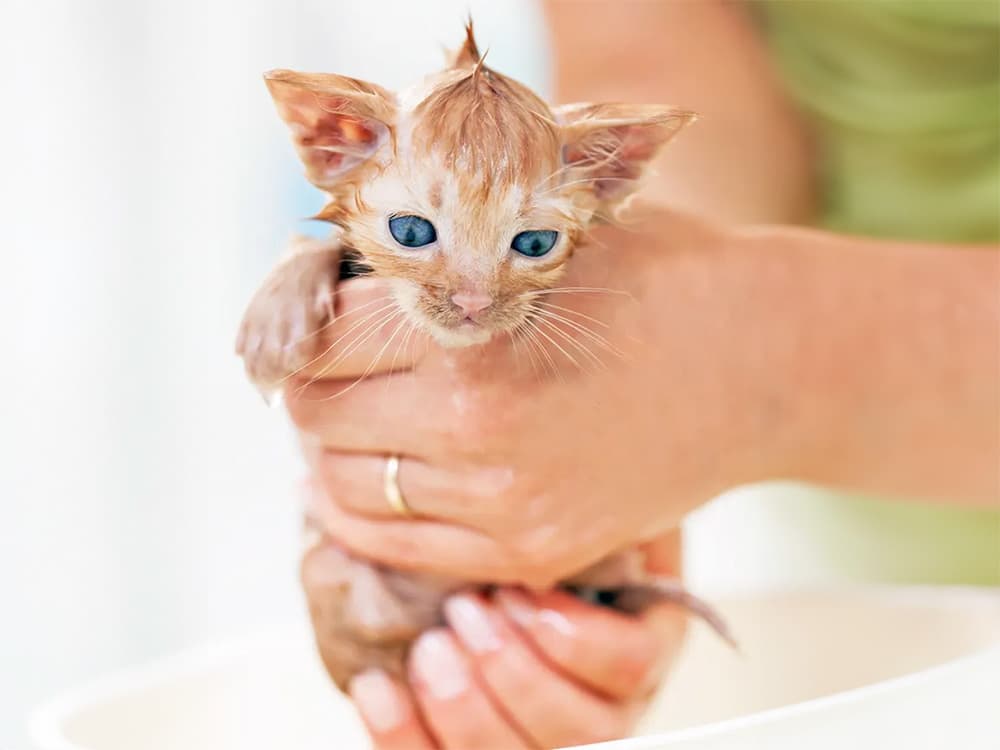
Puppies and kittens are especially vulnerable to fleas. They’re so tiny that even a few fleas can cause serious problems, such as blood loss or anemia. But many flea treatments aren’t safe for young or tiny pets, so extra care is needed. Here’s what you need to know.
Most flea medications are only safe once your pet is at least eight weeks old and weighs at least two pounds. Always read the label, and check with a veterinarian before using any flea product on a young pet.
If your pet is too young or too small for flea meds, there are a few tried and true ways to get rid of the pesky pests.
First, you can use a flea comb to slowly rake your dog or cat’s fur, especially around their neck, belly, and tail. Dip the comb into a bowl of warm, soapy water after each pass to safely remove and kill fleas.
You can also give them a Dawn bath (if needed) by using a small amount of unscented (blue) Dawn dish soap to bathe them. Use this method only if your pet has a confirmed flea infestation, and do so only once or twice at most, as it strips them of their (important) natural oils. Here’s how to do this:
Warm the water up just enough to feel warm, but not hot.
Add a small amount of Dawn, and lather the water around their neck first to trap any fleas from getting up to their head.
Lightly wash your kitten, and use a comb to remove any fleas from their fur.
Rinse them well with warm water, and dry them immediately with a towel or a blow dryer if possible.
Immediately wash all towels once your kitten is dry and warm.
The kitten needs to be completely dry and kept warm. Since they’re so small, even being a little bit damp for too long can lead to serious illness.
Unfortunately, once fleas get into your house, they won’t go away. Because they reproduce so quickly, and pupae can stay dormant for months, even a few fleas can turn into an infestation with little notice. Luckily, there are a lot of options (see above) when it comes to getting rid of them.
To prevent fleas from becoming a problem in the first place, start by using year-round prevention, especially flea control products tailored to your pet’s species, weight, and lifestyle. You should also brush and bathe your pet regularly, when necessary, using a flea comb to detect adult fleas and flea dirt. Check your pet’s fur after outings, and keep your yard tidy, because fleas and their wild hosts (like raccoons and possums) hide in overgrown greenery.
If your pet seems extremely uncomfortable, is losing hair, has red and irritated skin, a flea allergy (or even a secondary infection) may be to blame. Talk to your vet if over-the-counter flea treatment isn’t working, if your pet has developed sores, or if you’d rather not mess around with DIY methods.
“Diatomaceous Earth Fact Sheet.” Orst.edu, 2024, npic.orst.edu/factsheets/degen.html.
“Fleas.” Orst.edu, 2025, npic.orst.edu/pest/flea.html.

Mollie Jackman is a writer, editor, and graduate of Lindenwood University’s MFA in writing. She’s also a pet parent to a goofy big-eared dog and two brown tabby cats, plus a rotating cast of foster animals. When she’s not reading, writing, or picking up strays, she can be found binge-watching arguably terrible reality TV shows and cooking competitions or rolling around the local skating rink in Columbia, Missouri. Mollie’s writing on this site is not in any way affiliated with the University of Missouri, or her work as a copywriter for MU Health Care.

Pet Wellness

Pet Wellness

Pet Wellness
Behavior & Training
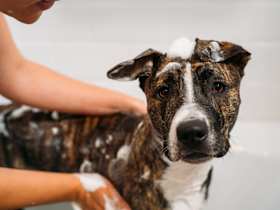
Here’s how salt and baking soda helps kill fleas and stop the itch.
Behavior & Training
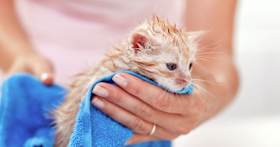
Here’s why you should explore alternative solutions for long-term flea control.
Adoption Advice
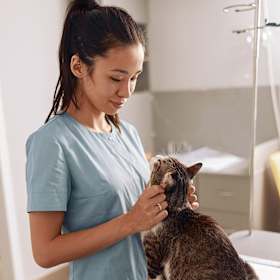
Although kittens typically bathe themselves, there are occasions when a gentle bath is necessary.
Pet Wellness
Regular vet visits are key to keeping your pet healthy. Here’s what happens during a checkup, when to get them, and what to bring.

Behavior & Training
Dealing with rental restrictions when you have a cat.

Adoption Advice
Worms are common in cats, especially in kittens. Thankfully, freeing your feline from worms is not that difficult.

Adoption Advice
Your guide to everything you need to know — because preventing kitten health problems is far less expensive (and easier) than treating illnesses

Pet insurance
Lemonade highlights which puppy incidents (or non-illness-related accidents) top the list every year.

Adoption Advice
Learn about the key vaccinations and environmental considerations that go into determining when it’s okay for your kitty to venture out of your home.