Every Dog’s Biggest Warm Weather Need, According to Their Breed
Here’s how to make sure your pup enjoys summer to the fullest.
Here’s how to make sure your pup enjoys summer to the fullest.
by Alicia Kort, | July 10, 2025
Diego / Adobe Stock
Sometimes, your pup doesn’t always know what’s best for them. As adamant as they may be, what they want isn’t always what they (and their little bodies) need. It’s your job as the pet parent to step in and make those tough calls.
When it’s 90 degrees (opens in a new tab), your dog is panting a mile a minute, and they’re tugging the leash forward, insisting that they can go another 20 minutes on their walk, you have to say no. It’s for their health and safety. Just like humans change out their wardrobes seasonally, every dog breed’s summer needs (opens in a new tab) are different from their winter needs. And it’s your job to shift their routine accordingly.
We reached out to two dog behavior experts to find out what 10 of the most popular dog breeds’ biggest needs are. Keep in mind that each dog is an individual, so adjust these recommendations based on what you know about your pup.
If you were a child of the ’90s, you’ve seen Balto — the beloved movie based on a true story of the real-life Husky hero who led a team of sled dogs on a life-saving serum through Alaska. We know that Siberian Huskies love snow and cold weather, so summer isn’t exactly their best season biologically. “Huskies have a thick double coat built for cold climates,” Lorraine Rhoads, senior director of health and safety at Dogtopia (opens in a new tab), says. “In the summer, they are highly prone to overheating.”
Rhoads goes on to say that pet parents should make sure Huskies have cool environments and to take them out for exercise either early or late to avoid the peak midday heat. Ensure that they have enough shade access and water while they’re out.
We know that you want to keep your Husky cool, but their double-coats should never be shaved. They actually keep their bodies insulated and provide their skin with a layer of protection.
Corgis, who were herding pups before they became indoor dogs, love an enrichment activity and plenty of exercise, but in the summer Corgi pet parents need to be cautious. “The most important thing during summer is making sure your Corgi stays cool and avoids overheating,” Shannon Walker, dog trainer and founder of Northwest Battle Buddies (opens in a new tab) and Man’s Best Friend (opens in a new tab), says. “Even though their double coat is great at insulating in all seasons, once the temperature hits above 85 degrees Fahrenheit, they can start to feel uncomfortable.”
She recommends that Corgis stay in a temperature-controlled indoor environment as much as possible. Outside, find them a cool, shady spot, consider using a cooling vest, and watch their body language (opens in a new tab)for signs that they’re overheated. If you can’t tell or want to be proactive, check their temperature.
Frenchies, the most popular dog breed in America (opens in a new tab), are so cute, but their flat faces make thriving in summer difficult. “Frenchies struggle with breathing (opens in a new tab)in hot and humid weather,” Rhoads says.
Pet parents should endeavor to keep their Frenchies cool at all costs, according to our expert — splurge to make sure the AC is always on for your pup and keep them hydrated. And though your pup might want to roughhouse in the dog park in the high heat, Rhoads says they should have “absolutely no intense activity in the heat” and should be “monitored closely, even on short walks.”
Yes, even pint-sized pups struggle with the heat during the summer. Chihuahuas have a harder time regulating their body temperature, which is why they wear little jackets (opens in a new tab) during the winter, so they tend to overheat in the summer. Their biggest need is to stay cool, (opens in a new tab) Walker says. And remember, they shouldn’t be walked during the hottest part of the day.
“A cooling mat or even a kiddie pool can be a lifesaver, giving your Chi a refreshing break from the heat,” Walker suggests. “Always test the ground with your hand—if it’s too hot for your skin, it’s definitely too hot for their paws (opens in a new tab). Protect those tiny feet with paw wax (opens in a new tab).”
Your Golden was literally bred to swim, so they could retrieve game when it was shot out of the sky by hunters over a body of water. “Golden Retrievers love the water, but their dense, water-repellent coats and floppy ears make them prone to hot spots (opens in a new tab)and ear infections in the summer,” Rhoads says.
Their greatest need is for their coat to be properly taken care of, especially if they’re going to be spending a lot of time hitting the water this summer. Rhoads mentions that the Golden Retriever needs a “thorough drying after swimming — especially inside the ears — and routine ear cleaning (opens in a new tab)to prevent moisture buildup and infection.” Don’t forget the tick-and-flea prevention, either. Those long coats can hide the creepy-crawlies (opens in a new tab) that you want nowhere near your pup.
Like some of the other dogs on this list, Shiba Inus also have thick double-coats. Double-coated dogs need to be monitored closely for overheating and heat exhaustion. “Their dense fur can trap heat, so it’s important to monitor them closely for signs of overheating,” Walker says. “Instead of shaving, regular brushing (opens in a new tab) helps remove loose hair and allows better airflow.”
Walker discourages Shiba Inu pet parents from shaving their pup (opens in a new tab). It might seem like it would help them stay cool, but it in fact opens up the door to more issues. “Shaving can expose their skin to sunburn (opens in a new tab), increase the risk of heat stress, and cause their coat to grow back uneven or thickened, which might make them even hotter or more uncomfortable over time.”
Dachshunds seem like the perfect summer pup. After all, they bear a striking resemblance to the beloved hot dog (opens in a new tab), but you want to make sure that your dog doesn’t roast like one. “Dachshunds are low to the ground, making them more susceptible to hot pavement and heat radiating off surfaces,” Rhoads says.
She advises that pet parents also monitor their pups for sunburn, especially if they have a short-haired Dachshund or one with a lighter coat. She cautions pet parents to walk their pups on grass or shady paths whenever possible.
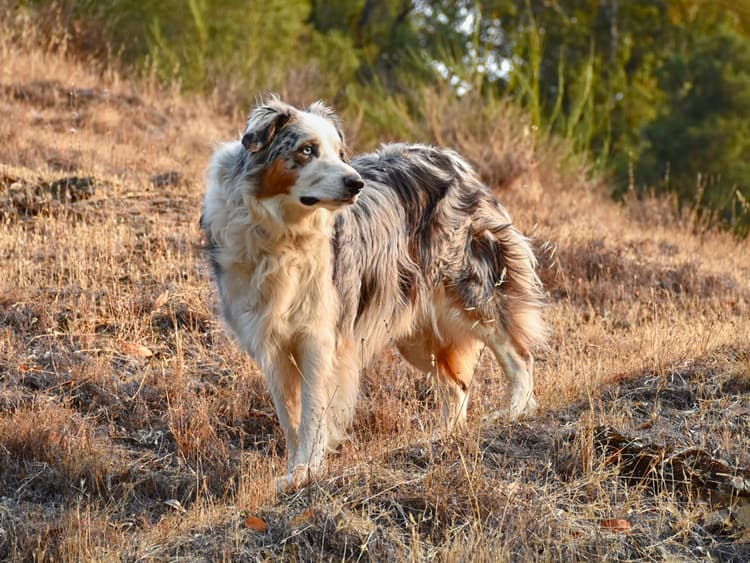
Australian Shepherds are notoriously high-energy and intelligent (opens in a new tab), so they can become destructive if this core need isn’t met. But the weather doesn’t care about your fluffy Aussie’s activity level. “In summer, their exercise must be adjusted to prevent overheating, but their brains still need work (opens in a new tab),” Rhoads says.
She suggests exercising them early and late in the day, devising indoor training games, and ensuring they get mental stimulation. Rhoads also recommends investing in a cooling vest if your pup is going to be outdoors for an extended period of time.
German Shepherds are working dogs who thrive when they have a task to do, but during the hot summer months, they can be a little sluggish. “Due to summer heat, German Shepherds may experience a decreased appetite (opens in a new tab), so offering hydrating diets with cooling ingredients (opens in a new tab) is crucial to prevent dehydration and keep them energized,” Walker says. “Adjusting their diet to include cooling, easily digestible ingredients helps ensure they stay healthy, comfortable, and ready to enjoy the summer months.”
Pit Bull-type dogs (opens in a new tab) have a lot of energy and need some mental enrichment to remain happy. That said, in the heat, pet parents will have to make some adjustments to protect their health.
“I’d recommend planning outdoor activities early in the morning or later in the evening when it’s cooler, and always watch for signs of overheating: excessive panting (opens in a new tab), weakness, or disorientation,” Walker suggests. “Overheating is serious, so listen to your dog’s cues and give them plenty of breaks. On hot days, consider indoor games or play in shaded areas of the backyard to help them burn off energy without putting their health at risk.”
Walker has some general advice for all pet parents during the summer. Never leave a pet in a hot car and avoid exercise during the hottest part of the day. She recommends all pet parents learn what the signs of heat exhaustion (opens in a new tab) are and how to treat it. Brachycephalic, aka flat-faced (opens in a new tab), breeds also need extra attention in this heat.
“Look out for heavy panting, drooling, weakness, bright or pale gums, rapid heartbeat (opens in a new tab), and disorientation,” she says. “Heatstroke is more severe (opens in a new tab), with symptoms like extremely rapid breathing, collapse, seizures, an elevated body temperature over 104 degrees Fahrenheit (40 degrees Celsius), unresponsiveness, and insubstantial gums.”

Alicia Kort is a writer and editor living in Brooklyn. She’s currently the senior commerce editor at Apartment Therapy. She’s been published in StyleCaster, Electric Literature, Newsweek, Interview, Brooklyn magazine and more. In her free time, she runs, reads, and spends time with her dog-nieces, Maya and Lady, and her cat-niece, Pepper.
Behavior & Training
Lifestyle
Lifestyle
Pet Wellness
For some breeds, it may do more harm than good.
Behavior & Training
Because those animal instincts run deep.
Lifestyle
Time to get your gear—and your pup—ready to go.